Elevated BUN and Creatinine in Rats — Kidney Failure in Rodents
Elevated BUN and Creatinine in Rats — Kidney Failure in Rodents
Wondering what a full interpretation looks like? See a sample report →
Why Should You Care About Elevated BUN and Creatinine in Your Rat?
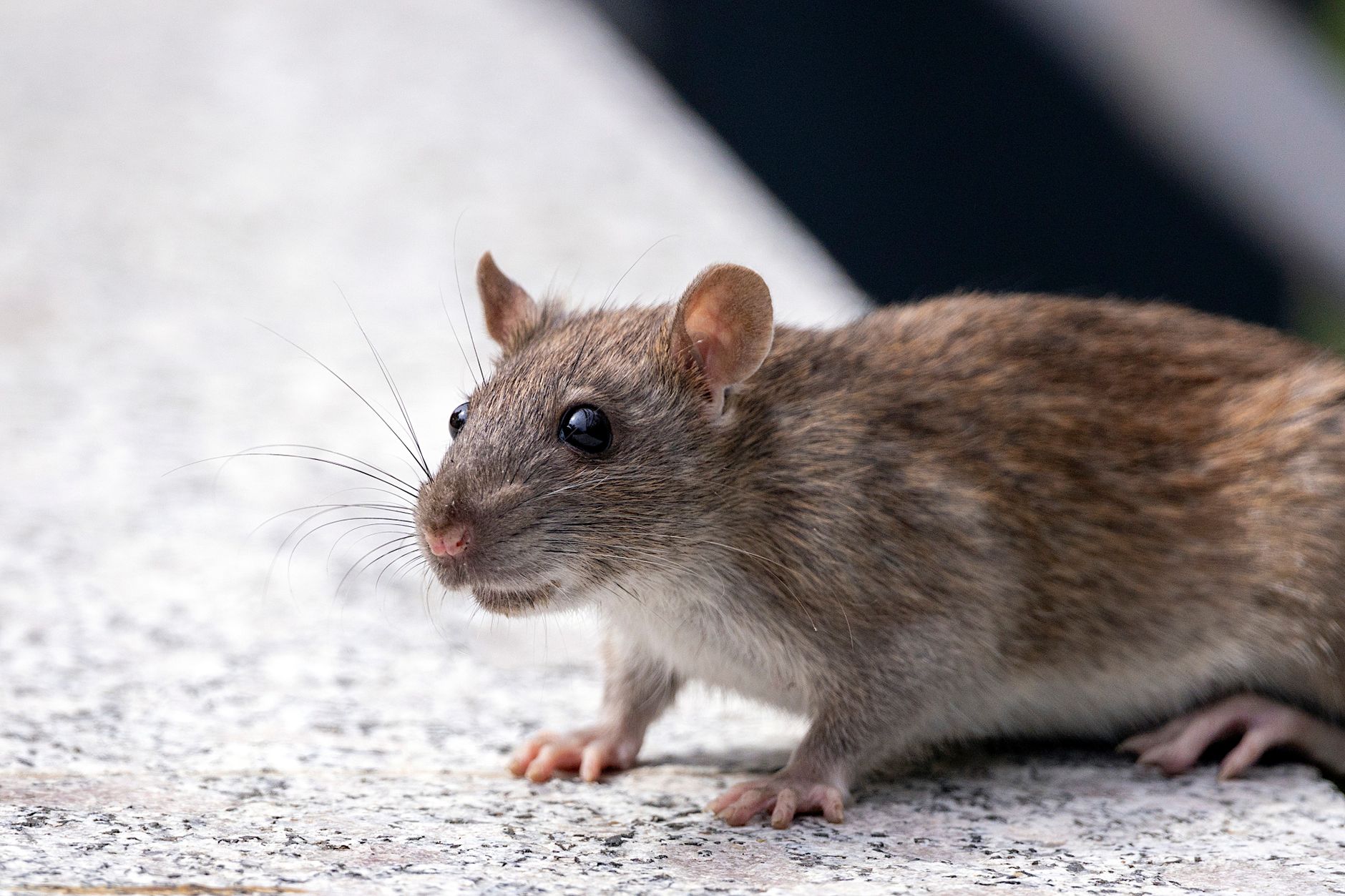
Elevated blood urea nitrogen (BUN) and creatinine levels are critical indicators of kidney function in rats. Monitoring these markers is essential for early detection of renal issues that can lead to severe complications if left untreated. Understanding the significance of BUN and creatinine values helps owners take proactive steps to manage their pet’s health.
Normal BUN levels range from 15-21 mg/dL in rats, while a critical level is anything above the reference interval. Similarly, normal creatinine levels are between 0.2-0.8 mg/dL, with values exceeding the reference interval considered critical. Elevated readings suggest that the kidneys are not effectively filtering waste products from the blood, which can be a sign of kidney disease or other systemic issues.
- Common Causes:
- Kidney damage due to chronic conditions such as nephritis (inflammation) or glomerulonephritis (damage to the glomeruli).
- Toxic exposure, including certain medications and environmental toxins that can harm kidney tissue.
- Dehydration, which reduces blood flow to the kidneys and impairs their ability to filter waste products efficiently.
Early intervention is crucial in managing kidney disease. Regular monitoring of BUN and creatinine levels allows for timely adjustments in diet and medication, such as reducing protein intake or administering medications like benazepril, which can help manage blood pressure and reduce the workload on damaged kidneys.
In addition to medical intervention, owners should be aware that lifestyle changes play a significant role in managing kidney health. Ensuring adequate hydration, providing a diet low in phosphorus (5.8-8.2 mg/dL) and sodium, and minimizing stress can all contribute to better outcomes for rats with elevated BUN and creatinine levels.
What Are Blood Urea Nitrogen (BUN) and Creatinine?

Blood urea nitrogen (BUN) and creatinine are two critical laboratory parameters used to assess kidney function in rats. Elevated levels of these markers can indicate a decline in renal health, often signaling the onset or progression of kidney failure. BUN is a measure of protein metabolism waste products filtered by the kidneys, while creatinine reflects muscle breakdown and is more specific to kidney filtration capacity.
Normal ranges for BUN in rats are 15-21 mg/dL, with levels above the reference interval considered elevated and indicative of potential renal impairment. Critical values exceeding the reference interval suggest severe dysfunction or failure. Similarly, creatinine levels should typically range between 0.2-0.8 mg/dL; elevations beyond this threshold (greater than the reference interval) indicate compromised kidney function, with critical levels above the reference interval signaling an urgent need for intervention.
- BUN: Normal range is 15-21 mg/dL. Values greater than the reference interval suggest renal compromise and require further investigation. Critical values over the reference interval necessitate immediate medical attention.
- Creatinine: The normal range for creatinine in rats is 0.2-0.8 mg/dL. Elevated levels above this threshold (greater than the reference interval) indicate reduced kidney function, while critical values exceeding the reference interval signify severe impairment.
Elevated BUN and creatinine can be indicative of various underlying conditions such as dehydration, urinary tract obstruction, or chronic kidney disease. It is crucial to monitor these parameters regularly in senior rats or those with predisposing factors like hypertension or diabetes mellitus. Early detection and management of renal issues through dietary modifications and medical interventions can significantly improve the quality of life for affected animals.
Laboratory Reference Ranges for Rat Kidney Markers
Understanding blood urea nitrogen (BUN) and creatinine levels is crucial in diagnosing kidney function in rats. These markers help identify the onset of renal impairment or failure.
- Blood Urea Nitrogen (BUN): Normal BUN levels for rats range from 15-21 mg/dL. Elevated levels above the reference interval indicate potential kidney dysfunction and require further investigation. Critical levels, defined as greater than the reference interval, suggest severe renal compromise necessitating immediate medical intervention.
- Creatinine: Creatinine is another key indicator of kidney health in rats. Normal creatinine values fall within the range of 0.2-0.8 mg/dL. Elevated levels above the reference interval signal a decline in renal function, while critical levels exceeding the reference interval indicate severe impairment and require urgent care.
It is important for veterinarians to monitor these parameters closely as they can provide early warning signs of kidney disease before clinical symptoms become apparent. Consistent monitoring of BUN and creatinine levels in rats can help in the timely diagnosis and management of renal disorders, potentially improving outcomes.
| Parameter | Normal Range (mg/dL) |
|---|---|
| BUN | 15-21 mg/dL |
| Creatinine | 0.2-0.8 mg/dL |
See the full reference intervals for the rat — every value cited to the laboratory document or paper it came from.
When interpreting these values, it is essential to consider the overall health status of the rat and any concurrent medical conditions that might influence kidney function. For instance, dehydration can cause a temporary spike in BUN levels without indicating chronic renal disease.
Veterinarians should also be aware of the limitations associated with using BUN and creatinine alone for diagnosing kidney failure. These markers may not always accurately reflect early-stage renal impairment or subtle changes in function. Therefore, it is recommended to combine these tests with other diagnostic tools such as urine analysis and imaging studies when evaluating a rat’s kidney health.
Causes of Elevated BUN and Creatinine in Rats — Differential Diagnosis

Elevated blood urea nitrogen (BUN) and creatinine levels in rats are critical indicators of kidney dysfunction, often signaling either acute or chronic renal failure. A BUN level above the reference interval and a creatinine concentration over the reference interval is considered elevated, with values exceeding the reference interval for BUN and 15-21 mg/dL for creatinine being critical and requiring immediate medical intervention.
Several conditions can lead to these abnormal kidney markers in rats. Acute renal failure (ARF) typically results from sudden kidney injury due to toxins, dehydration, or urinary obstruction. Chronic renal failure (CRF), on the other hand, develops over time as a result of progressive damage to kidney tissues, often associated with age-related changes and underlying diseases such as hypertension or diabetes mellitus.
- Dehydration: A common cause of elevated BUN levels in rats. When fluid intake is insufficient, blood volume decreases, concentrating the urea nitrogen and creatinine in the bloodstream. This condition can be exacerbated by heat stress or inadequate water supply.
- Toxicity: Exposure to nephrotoxins such as certain medications (e.g., nonsteroidal anti-inflammatory drugs) or environmental toxins can cause acute kidney injury, leading to elevated BUN and creatinine levels. These substances can directly damage renal tubules.
- Urinary Obstruction: Blockages in the urinary tract due to stones, tumors, or other causes prevent normal urine flow, causing a buildup of waste products in the blood. This condition is critical and requires urgent medical attention to relieve obstruction and restore kidney function.
| Condition | BUN (mg/dL) | Creatinine (mg/dL) |
|---|---|---|
| Acute Renal Failure | 35-45 | 2.0-3.0 |
| Chronic Renal Failure, Stage 3 | 25-30 | 1.2-1.8 |
| Dehydration | 30-40 | 1.2-1.5 |
| Toxicity (e.g., NSAIDs) | 35-45 | 2.0-3.0 |
| Urinary Obstruction | 45-60 | 3.0-5.0 |
How Do Kidney Markers Compare to Other Blood Parameters?
Elevated blood urea nitrogen (BUN) and creatinine are critical indicators of kidney function in rats, but they do not exist in isolation. Understanding how these markers interact with other blood parameters such as liver enzymes, calcium, glucose, and electrolytes is essential for a comprehensive diagnosis. For instance, BUN levels above the reference interval and creatinine over the reference interval suggest impaired renal function, but they must be interpreted alongside other biochemical values to determine the underlying cause.
Liver enzymes like alanine transaminase (ALT) and aspartate aminotransferase (AST) can also indicate systemic health issues. Elevated ALT levels above the reference interval in rats often suggest hepatocellular damage, which may be concurrent with kidney dysfunction due to shared metabolic pathways. Similarly, AST values over the reference interval are indicative of severe liver disease and should prompt further investigation into potential toxin exposure or genetic predispositions.
- Calcium: Normal range is 5.3-13 mg/dL; outside the reference interval suggests hyperparathyroidism, while outside the reference interval indicates hypocalcemia. Both conditions can exacerbate kidney damage by altering mineral balance and promoting renal tubular calcification.
- Glucose: Normal range is 50-135 mg/dL; outside the reference interval suggests diabetes mellitus, which independently affects kidney function through hyperfiltration injury. Persistent hyperglycemia can lead to glycosuria and further renal impairment.
- Sodium (Na): Normal range is 135-155 mEq/L; outside the reference interval indicates hypernatremia, often due to dehydration or excessive sodium intake. Conversely, outside the reference interval suggests hyponatremia, which can result from overhydration or renal failure.
Interpreting these parameters together provides a more holistic view of the rat’s overall health status and aids in formulating an appropriate treatment plan. For example, if BUN is elevated but creatinine remains within normal limits, it may indicate pre-renal azotemia due to dehydration or reduced blood flow to the kidneys. Conversely, high creatinine levels with stable BUN suggest intrinsic renal disease.
| Parameter | Normal Range (mg/dL) |
|---|---|
| BUN | 15-21 mg/dL |
| Creatinine | 0.2-0.8 mg/dL |
| ALT | 20-92 U/L |
| AST | 59-139 U/L |
| Calcium (Ca) | 5.3-13 mg/dL |
| Glucose (Glu) | 50-135 mg/dL |
| Sodium (Na) | 135-155 mEq/L |
How Do You Interpret Elevated BUN and Creatinine Results?
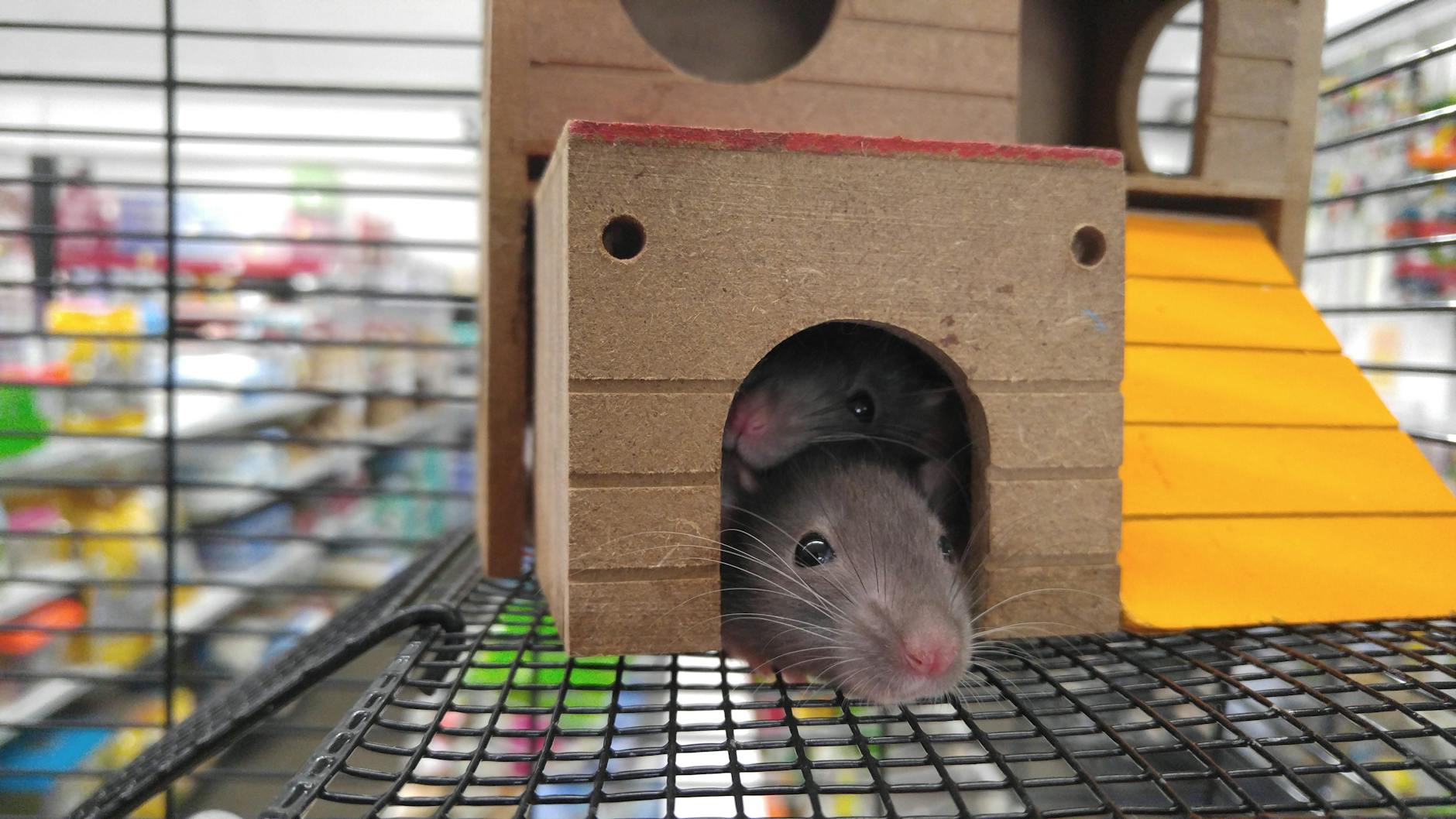
Elevated blood urea nitrogen (BUN) and creatinine levels in rats are critical indicators of kidney function impairment. Understanding these results is essential for diagnosing conditions such as acute or chronic renal failure. According to standard veterinary practice, a BUN level above the reference interval and a creatinine level over the reference interval signifies an elevated result, while values exceeding the reference interval for BUN and 15-21 mg/dL for creatinine are considered critical.
When interpreting these results, it’s important to consider the context of the patient’s overall health status and clinical signs. For instance, if a rat has a BUN level of 15-21 mg/dL and a creatinine level of 0.2-0.8 mg/dL, this suggests moderate kidney dysfunction. Such levels often correlate with reduced glomerular filtration rate (GFR), indicating impaired renal function.
- Monitor for additional clinical signs like polyuria, polydipsia, weight loss, and lethargy to confirm the diagnosis.
- Evaluate other blood parameters such as phosphorus (5.8-8.2 mg/dL) and calcium (5.3-13 mg/dL) levels for further insights into renal function.
Reference intervals for the parameters discussed above, as published in the source panel for the rat:
| Parameter | Reference interval (rat) |
|---|---|
| BUN | 15-21 mg/dL |
| Creatinine | 0.2-0.8 mg/dL |
| ALT | 20-92 U/L |
| Glucose | 50-135 mg/dL |
| Calcium | 5.3-13 mg/dL |
| SODIUM | 135-155 mEq/L |
Breed Differences, Age Considerations, and When to See the Vet

Understanding breed-specific variations in kidney function is crucial when interpreting blood test results in rats. While there are no specific breeds of rats known for higher susceptibility to kidney issues, age-related changes can significantly impact renal health parameters such as Blood Urea Nitrogen (BUN) and creatinine levels. It’s important to monitor these markers closely as rats age.
Normal BUN levels in rats should range from 15-21 mg/dL, with values above the reference interval indicating elevated levels that may require further investigation. Similarly, normal creatinine levels are between 0.4 and 0.2-0.8 mg/dL; any readings over the reference interval suggest potential kidney dysfunction. These thresholds should be used as guidelines for assessing renal health in rats.
- Age-related changes: As rats age, their baseline BUN and creatinine levels may naturally increase due to reduced kidney function. This is particularly relevant for senior rats over 2 years of age, where monitoring these parameters becomes even more critical.
- Breed considerations: Although specific breed predispositions are not well-documented in rats, it’s important to note that individual genetic factors can influence renal health. Therefore, consistent monitoring and comparison with baseline values for each rat is recommended.
Signs such as increased water intake, lethargy, weight loss, or changes in urine output should prompt immediate veterinary consultation. If BUN levels exceed the reference interval or creatinine surpasses 0.2-0.8 mg/dL, urgent medical attention is necessary to prevent further kidney damage.
Frequently Asked Questions
What are the signs of kidney failure in rats?
Kidney failure in rats can manifest as increased thirst and urination, weight loss, lethargy, poor appetite, and vomiting. These symptoms should prompt a visit to the veterinarian for further evaluation.
How do elevated BUN and creatinine levels indicate kidney disease?
Blood urea nitrogen (BUN) and creatinine are waste products that kidneys normally filter out of the blood. Elevated levels (outside the reference interval for BUN, outside the reference interval for creatinine) suggest reduced kidney function. Current clinical consensus suggests these markers can indicate early stages of renal disease.
What dietary changes should be made if my rat has high BUN and creatinine?
In rats with elevated BUN and creatinine, a diet low in protein but rich in essential amino acids is recommended to reduce the workload on kidneys. Additionally, ensuring adequate hydration through fresh water and possibly adding moisture-rich foods can help.
Are there specific medications that can help manage kidney failure in rats?
In rats with kidney disease, certain medications may be prescribed by a veterinarian to manage symptoms or slow progression of the disease. For example, diuretics might be used to reduce fluid buildup.
How often should I bring my rat for blood tests if it has elevated BUN and creatinine?
After an initial diagnosis, regular monitoring is crucial. Widely accepted clinical guidelines recommend rechecking blood levels every 2-4 months to assess the progression of kidney disease and adjust treatment as necessary.
Can lifestyle changes improve my rat’s condition with elevated BUN and creatinine?
Maintaining a stress-free environment, providing a balanced diet, and ensuring regular veterinary check-ups can help manage kidney failure in rats. Reducing exposure to toxins and maintaining optimal body weight are also beneficial.
What emergency signs should I watch for if my rat has kidney disease?
Sudden changes such as severe lethargy, loss of appetite, vomiting, or seizures indicate an urgent need for veterinary care. These symptoms can signal acute renal failure and require immediate attention to prevent further complications.
Are certain breeds more prone to kidney issues than others in rats?
Specific breed predispositions are covered in species-specific articles on this site. However, it is important to note that all rats may be at risk for developing kidney disease regardless of breed.
How can I monitor my rat’s condition at home between veterinary visits?
Maintaining a daily log of your rat’s water intake and urine output can provide valuable information. Additionally, observing changes in behavior or appetite can help identify early signs that may require medical intervention.
What is the prognosis for rats with kidney failure?
The prognosis varies depending on the stage of kidney disease at diagnosis and how well it responds to treatment. Early detection and management can significantly improve quality of life, but chronic renal failure often progresses over time despite interventions.
Sources & Further Reading
This article draws on the following authoritative veterinary references. For your pet’s individual case, consult a licensed veterinarian.
- Merck Veterinary Manual — comprehensive clinical reference for veterinary practice
- IRIS Kidney Guidelines — International Renal Interest Society — kidney staging and management
- AAFP Feline Guidelines — American Association of Feline Practitioners