Wondering what a full interpretation looks like? See a sample report →
Why Should Pet Owners Care About Elevated BUN in Rats?
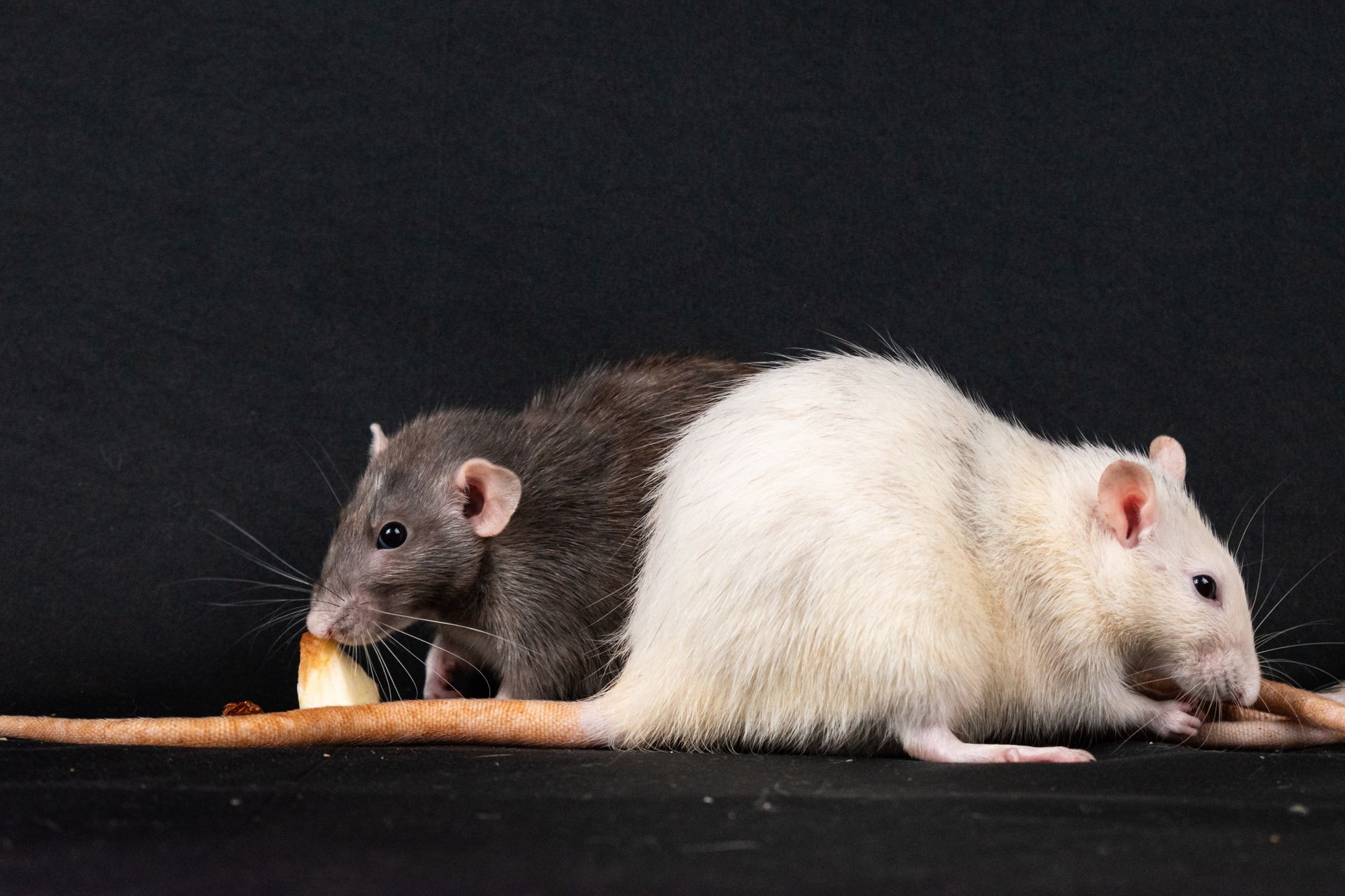
When a rat’s BUN level is above the reference range, it indicates that their kidneys may not be functioning as efficiently as they should. This can stem from various causes such as reduced blood flow to the kidneys (pre-renal), gastrointestinal bleeding, or dietary factors like high protein intake. In rats, early signs of kidney issues might include a decreased appetite, weight loss, and lethargy. These symptoms are subtle but important indicators that warrant further investigation by your veterinarian.
It’s essential for pet owners to understand the significance of BUN levels because they provide valuable insights into their rat’s overall health status. Regular monitoring can help catch issues early when treatment is most effective. For example, if a rat shows persistent signs of lethargy and decreased appetite alongside elevated BUN levels, it could be indicative of kidney dysfunction that requires immediate attention from a veterinarian.
Moreover, chronic kidney disease in rats often progresses gradually over time, making regular check-ups and blood tests crucial for maintaining your pet’s health. Early intervention can include dietary changes to reduce protein intake, fluid therapy to manage dehydration, and medications to control symptoms such as hypertension or anemia. These measures can significantly improve the rat’s quality of life by delaying the onset of more severe complications.
Therefore, being vigilant about BUN levels is not just a matter of routine care but a proactive approach to ensuring your pet’s long-term well-being. By staying informed and working closely with your veterinarian, you can help manage CKD effectively and provide your rat with the best possible care.
What is Blood Urea Nitrogen (BUN)?
Blood urea nitrogen, often abbreviated as BUN, is a marker of kidney function in rats. It measures the amount of waste product urea in the blood, which comes from protein breakdown in the body. The liver converts ammonia, a byproduct of protein metabolism, into urea, and this urea then travels to the kidneys for excretion through urine.
In healthy rats, BUN levels are maintained within a normal range by the efficient filtration and excretion processes of the kidneys. When kidney function declines, as in chronic kidney disease (CKD), the ability to filter out waste products like urea is reduced, leading to an increase in BUN levels above the reference range. This elevation can also occur due to dehydration or gastrointestinal bleeding, which concentrate the blood and elevate urea levels.
It’s important to note that while elevated BUN can indicate kidney dysfunction, it may also be influenced by factors unrelated to kidney health, such as dietary protein intake or recent fluid loss. Therefore, interpreting BUN results requires considering other clinical signs and laboratory findings alongside it. For instance, a high-protein meal might temporarily elevate BUN levels without indicating underlying disease.
Additionally, certain medications can affect BUN levels in rats. Nonsteroidal anti-inflammatory drugs (NSAIDs), for example, may cause dehydration or gastrointestinal irritation that leads to an increase in BUN. In clinical practice, veterinarians often monitor BUN alongside other markers of kidney function such as creatinine and urine specific gravity to get a more comprehensive picture of renal health.
When evaluating a rat with elevated BUN, it is crucial to consider the animal’s overall condition and history. For example, if a rat has been experiencing polyuria (increased urination) or polydipsia (excessive thirst), these symptoms might suggest underlying kidney disease rather than transient factors like diet or medication.
In summary, while BUN is an important indicator of renal function in rats, its interpretation should be done cautiously and in conjunction with other clinical data. This holistic approach helps ensure accurate diagnosis and appropriate management of chronic kidney disease.
Laboratory Reference Ranges for Rat BUN Levels

The blood urea nitrogen (BUN) test measures the amount of waste product in your rat’s bloodstream, which is a key indicator of kidney function. The normal reference range for BUN in rats is 15-21 mg/dL. Elevated levels can indicate reduced renal excretion or dehydration, while low levels may suggest hepatic insufficiency or marked diuresis.
When interpreting BUN results, it’s important to consider the overall clinical picture and other laboratory findings. For instance, a high BUN level should be evaluated alongside creatinine levels to assess kidney function comprehensively. Additionally, assessing urine specific gravity can help differentiate between pre-renal (dehydration) and intrinsic renal causes of elevated BUN.
It’s crucial to consult with your veterinarian if you notice any changes in your rat’s behavior or appetite that might correlate with abnormal lab results. They will guide further diagnostic steps such as imaging studies, urinalysis, or additional blood tests to pinpoint the underlying cause and recommend appropriate treatment.
In clinical practice, it is common for veterinarians to monitor BUN levels over time to track kidney function in rats with chronic conditions like hypertension or diabetes mellitus. For example, if a rat has been diagnosed with these conditions, regular monitoring of BUN can help detect early signs of renal impairment before more severe symptoms appear.
Moreover, it is important to note that the reference range for BUN may vary slightly between different laboratories due to differences in testing methods and equipment. Therefore, it’s essential to use the specific reference ranges provided by your rat’s laboratory when interpreting test results.
| Parameter | Normal Range |
|---|---|
| BUN | 15-21 mg/dL |
See the full reference intervals for the rat — every value cited to the laboratory document or paper it came from.
What Causes Elevated Blood Urea Nitrogen (BUN) Levels?
Elevated BUN levels in rats can be indicative of several underlying conditions, but chronic kidney disease is often the primary concern. When BUN rises above the reference range, it typically indicates that the kidneys are struggling to filter waste products from the blood effectively. This could be due to reduced renal function or decreased blood flow to the kidneys. Chronic kidney disease in rats can progress silently for a long time before clinical signs become apparent, making early detection through laboratory tests like BUN crucial.
Other factors can also cause an increase in BUN levels. For instance, dehydration can concentrate the blood and elevate BUN without necessarily indicating kidney disease. Dehydration is common in older rats or those with concurrent illnesses that reduce fluid intake or increase water loss. Similarly, gastrointestinal bleeding can introduce extra nitrogen into the bloodstream, leading to higher BUN readings. This condition may be difficult to diagnose without specific clinical signs such as black, tarry stools indicative of digested blood.
A high-protein diet or recent consumption of protein-rich foods might temporarily raise BUN levels as well. In rats with a normal renal function, this elevation is usually temporary and returns to baseline once the dietary influence subsides. However, in cases where chronic kidney disease is present, even minor changes in diet can exacerbate existing renal issues.
When a veterinarian sees elevated BUN in a rat, they will consider these various possibilities and look for additional signs that point towards kidney disease. For example, if the rat is showing clinical signs like reduced appetite, weight loss, or lethargy alongside an elevated BUN, chronic kidney disease may be more likely. The vet might also check other markers such as creatinine to get a clearer picture of renal function. Creatinine levels can provide additional information about glomerular filtration rate (GFR), which is crucial for assessing the severity and progression of kidney disease.
| Cause | Mechanism | Typical Signs |
|---|---|---|
| Chronic Kidney Disease | Reduced renal excretion of urea nitrogen | Reduced appetite, weight loss, lethargy |
| Dehydration | Concentration of blood urea nitrogen due to reduced fluid volume | Dry skin, sunken eyes, poor urine output |
| Gastrointestinal Bleeding | Introduction of extra nitrogen into the bloodstream from blood breakdown products | Black, tarry stools; signs of internal bleeding |
| High-Protein Diet | Increased urea nitrogen production from protein metabolism | None specific, may be asymptomatic |
How Does Elevated BUN Compare with Other Kidney Markers?
Elevated blood urea nitrogen (BUN) is a common indicator of kidney dysfunction in rats, but it’s important to understand how it compares to other markers like creatinine and symmetric dimethylarginine (SDMA). While an elevated BUN suggests reduced renal excretion or dehydration, it doesn’t provide the full picture on its own. Creatinine levels are often used alongside BUN because they reflect glomerular filtration rate (GFR), which is a more direct measure of kidney function. In clinical practice, creatinine levels above the reference range indicate that reduced GFR may be contributing to the elevated BUN, suggesting chronic kidney disease.
However, in some cases, BUN can rise before creatinine due to dehydration or gastrointestinal bleeding, making it a useful early warning sign but not definitive on its own. For instance, if a rat is dehydrated and shows an increased BUN without a corresponding increase in creatinine, this could indicate the need for fluid therapy rather than chronic kidney disease.
SDMA offers another layer of information by being less affected by muscle mass and fluid status than creatinine. This makes SDMA particularly valuable for detecting kidney disease earlier in the course of illness when GFR is still relatively preserved. In rats with chronic renal issues, SDMA may rise before BUN or creatinine, providing a more sensitive early indicator. For example, if an affected rat shows normal BUN and creatinine levels but elevated SDMA, this could suggest that kidney function is beginning to decline.
It’s crucial for veterinarians to consider these markers in combination with clinical signs and other diagnostic tests to accurately assess renal health. Each marker has its strengths and limitations, and understanding their interplay can help in making informed decisions about treatment and management strategies.
| Marker | What it Adds | When Preferred |
|---|---|---|
| BUN | Reflects overall renal function and fluid status. | When assessing acute changes or dehydration. |
| Creatinine | Directly measures GFR, less affected by muscle mass. | When confirming chronic kidney disease or monitoring treatment efficacy. |
| SDMA | Sensitive early indicator of GFR decline, less influenced by fluid status and muscle mass. | For detecting kidney disease in its earliest stages or when BUN is normal but clinical signs suggest renal issues. |
How to Interpret Elevated Blood Urea Nitrogen (BUN) Results?
Elevated BUN levels in rats can be a cause for concern, as they often indicate issues related to kidney function or dehydration. Understanding what different BUN levels may suggest and knowing the appropriate next steps is crucial for ensuring your pet receives timely care.
When interpreting elevated BUN results, it’s important to consider several factors that could contribute to this finding. Increased BUN can be a sign of reduced renal excretion due to chronic kidney disease or acute kidney injury. It may also indicate dehydration, which concentrates the blood and raises BUN levels. Additionally, gastrointestinal bleeding or a high-protein diet can temporarily elevate BUN.
The table below provides a qualitative interpretation guide for different BUN findings in rats:
| Finding | What it may suggest | Suggested next step |
|---|---|---|
| Above the reference range | Reduced renal excretion, dehydration, gastrointestinal bleeding, or high-protein diet. | Consult a veterinarian to determine the underlying cause and appropriate treatment plan. |
| Markedly elevated | Severe dehydration or advanced kidney disease. | Immediate veterinary care is recommended to address the underlying condition and prevent further complications. |
| Within the reference range | Normal kidney function or no significant gastrointestinal bleeding. | No immediate action is necessary, but regular monitoring and a balanced diet are advised. |
When BUN levels are above the reference range, it’s important to consider other clinical signs your rat may be exhibiting. These could include reduced appetite, weight loss, lethargy, or hunched posture. If these symptoms are present alongside elevated BUN, it is crucial to seek veterinary advice promptly.
Additionally, assessing other blood parameters such as creatinine and electrolytes can provide a more comprehensive picture of your rat’s kidney function. These tests help differentiate between pre-renal causes (like dehydration) and intrinsic renal disease.
In cases where BUN levels are markedly elevated, immediate veterinary intervention is necessary to address severe dehydration or advanced kidney disease. Your veterinarian may recommend fluid therapy, dietary changes, and further diagnostic testing such as imaging studies or a urinalysis to determine the extent of kidney damage.
Are There Breed or Age Differences in Rat BUN Levels?

When evaluating blood urea nitrogen (BUN) levels in rats, it’s important to understand whether breed or age plays a significant role. In the case of pet rat coat/marking varieties, there is no documented predisposition for any specific blood-test abnormality. This means that regardless of whether your rat has a Rex fur texture, Dumbo ears, or any other fancy variety, these physical traits do not influence BUN levels.
Age, however, does have an impact on kidney function and consequently on BUN levels in rats. As rats age, they are more prone to developing chronic progressive nephropathy, a condition characterized by the gradual deterioration of kidney tissue over time. This age-related decline can lead to increased BUN levels as the kidneys become less efficient at filtering waste products from the blood.
It’s crucial for owners to monitor their older rats closely and be aware that elevated BUN levels may indicate early signs of chronic kidney disease (CKD). Regular veterinary check-ups, including blood tests, can help detect these changes early. If your rat is showing clinical signs such as reduced appetite, weight loss, or lethargy, especially if they are over a year old, it’s important to have their BUN levels checked.
Young adult rats (3-6 months) typically exhibit active behavior and maintain a good appetite, with BUN levels within the reference range. Middle-aged rats (1-2 years) may start showing some signs of weight loss and reduced activity, often accompanied by BUN levels that are above the reference range. Senior rats (2+ years) can display significant weight loss, lethargy, and porphyrin staining around the nose and anus, with markedly elevated BUN levels.
It is important to note that while breed does not influence BUN levels in rats, age-related changes are a critical factor. Regular monitoring of BUN levels alongside clinical signs can help veterinarians identify early stages of CKD and initiate appropriate management strategies. Early intervention may include dietary modifications, fluid therapy, and medication to support kidney function.
| Clinical Signs | BUN Level |
|---|---|
| Active, good appetite | Within the reference range |
| Some weight loss, reduced activity | Above the reference range |
| Significant weight loss, lethargy, porphyrin staining around the nose and anus | Markedly elevated |
What is the Treatment Approach for Elevated BUN in Rats?
Elevated blood urea nitrogen (BUN) levels in rats can indicate a range of underlying issues, primarily related to kidney function. BUN is a marker that reflects the body’s ability to filter waste products from the bloodstream, and an increase above the reference range suggests reduced renal excretion or other factors like dehydration or gastrointestinal bleeding.
The treatment approach for elevated BUN in rats focuses on addressing the underlying cause while supporting overall kidney health. If chronic kidney disease (CKD) is suspected, management may include dietary changes to reduce protein load and manage phosphorus levels, which can be harmful when kidneys are not functioning optimally. Hydration therapy might also be necessary if dehydration is a contributing factor.
Monitoring BUN alongside other markers such as creatinine helps track the progression of kidney disease over time. Regular blood tests and urinalysis allow veterinarians to adjust treatment plans based on how well the kidneys are responding to interventions. Additionally, monitoring clinical signs like reduced appetite, weight loss, or changes in urine output can provide valuable information about the animal’s condition.
For instance, dietary modifications might include switching a rat with elevated BUN levels from a high-protein diet to one that is lower in protein and higher in fiber. This helps reduce the workload on the kidneys by decreasing the amount of waste products they need to filter out. Similarly, managing phosphorus levels can be crucial because excessive phosphorus can exacerbate kidney damage.
Hydration therapy involves ensuring that rats with elevated BUN due to dehydration are receiving adequate fluids. This might involve subcutaneous fluid administration or encouraging increased water intake through the use of wet food and additional water sources in their environment. Proper hydration is essential for maintaining normal blood volume and supporting renal function.
Veterinarians also monitor other clinical signs such as changes in urine output, which can indicate worsening kidney function. For example, a decrease in urine production or an increase in the frequency of urination might suggest that the kidneys are struggling to filter waste effectively. These observations help guide further diagnostic testing and treatment adjustments.
In summary, managing elevated BUN levels in rats requires a multifaceted approach that includes addressing underlying causes, dietary modifications, hydration therapy, and close monitoring of clinical signs and laboratory markers. This comprehensive strategy aims to slow the progression of kidney disease and improve the quality of life for affected animals.
Summary of Key Points About Elevated BUN in Rats
Elevated blood urea nitrogen (BUN) levels in rats can be indicative of several underlying issues, including dehydration or chronic kidney disease. It’s important to understand that an elevated BUN does not diagnose any specific condition on its own but rather points towards the need for further investigation and monitoring. Elevated BUN is often a marker of reduced glomerular filtration rate (GFR), which can be caused by various factors such as renal tubule damage, decreased blood flow to the kidneys due to dehydration or heart disease, or other systemic conditions affecting kidney function.
When interpreting an elevated BUN result, it’s crucial to consider other clinical signs such as reduced appetite, weight loss, porphyrin staining around the eyes or nose, lethargy, hunched posture, and changes in breathing patterns. These symptoms can help narrow down potential causes alongside laboratory findings. For example, if a rat exhibits persistent dehydration despite adequate fluid intake, this could indicate an underlying kidney issue rather than simple water deprivation.
Further tests may include a complete blood count (CBC) to check for indicators of anemia or dehydration such as low hematocrit levels and decreased platelet counts. Urinalysis is also crucial in assessing kidney function more directly by evaluating the presence of protein, glucose, and other substances that should not normally be present in urine. Additionally, imaging studies like X-rays or ultrasound may be necessary if structural abnormalities are suspected based on clinical signs or initial laboratory results.
Regular monitoring of BUN levels is essential in managing chronic conditions such as kidney disease, as it can help track the progression of disease and adjust treatment plans accordingly. For instance, a trend of increasing BUN levels over time may indicate worsening renal function, necessitating more aggressive interventions like dietary changes or medication adjustments.
It’s also important to note that while elevated BUN is often associated with kidney dysfunction, it can be influenced by other factors such as gastrointestinal bleeding or high protein diets. Therefore, a comprehensive approach involving multiple diagnostic tests and clinical observations is necessary for accurate diagnosis and effective management of affected rats.
Frequently Asked Questions
What does elevated BUN mean in rats?
An increased blood urea nitrogen (BUN) level suggests impaired kidney function or dehydration in rats, indicating the need for further evaluation such as hydration therapy or additional tests like creatinine levels.
Why would my rat’s BUN be lower than expected?
A decreased BUN can indicate liver problems, inadequate protein intake, or excessive urination in rats; consult your vet to determine the underlying issue and appropriate treatment.
Can diet affect a rat’s BUN levels?
Yes, feeding a high-protein diet temporarily raises BUN levels due to increased breakdown products from proteins, which should normalize after several hours without protein-rich foods.
How often should I recheck my rat’s BUN if it was initially high?
Rechecking BUN every few weeks helps monitor changes in kidney function over time; follow-up testing intervals are tailored based on initial results and overall health status.
Are there other lab values that correlate with an elevated BUN in rats?
Creatinine levels may also rise alongside BUN, suggesting chronic kidney disease; both markers together provide a clearer picture of kidney health.
Does age play a role in BUN levels for rats?
Older rats tend to have higher baseline BUN levels due to natural aging processes affecting kidney function, making regular monitoring important.
Is an elevated BUN always related to kidney issues?
No, while kidney dysfunction commonly causes elevated BUN, gastrointestinal bleeding or severe dehydration can also lead to higher readings; diagnosis requires considering all symptoms and test results.
Should I worry about porphyrin staining if my rat has high BUN?
Porphyrin staining around eyes and nose might suggest stress or illness but isn’t directly linked to BUN levels; discuss any concerns with your veterinarian during follow-ups.
Could medications impact my rat’s BUN reading?
Certain drugs can influence kidney function and thus alter BUN levels; inform your vet about all medications when reviewing test results.
What clinical signs should prompt me to check my rat’s BUN?
Reduced appetite, weight loss, lethargy, hunched posture, and abnormal stool consistency could signal potential kidney issues warranting a blood test including BUN measurement.
Why is specific gravity important along with BUN?
Specific gravity measures urine concentration; combined with BUN, these tests help assess kidney filtration capacity and hydration status more comprehensively.
Do different rat breeds show variations in BUN levels?
There are no documented breed-specific differences in BUN levels among pet/fancy rats; focus instead on individual animal health history and current condition.
Can liver problems cause low BUN in rats?
Yes, hepatic insufficiency can lower BUN as the liver plays a key role in protein metabolism; consult your vet for further diagnostic steps like assessing liver enzymes.
How does fluid intake affect BUN measurements?
Excessive fluid intake dilutes blood components, potentially lowering BUN temporarily; ensure accurate testing by following pre-test instructions given by your vet.
Are there emergency signs associated with high BUN in rats?
Severe lethargy, difficulty breathing, or marked changes in urination habits may indicate urgent care needs; contact your vet immediately if you notice such signs.
Sources & Further Reading
This article draws on the following authoritative veterinary references. For your pet’s individual case, consult a licensed veterinarian.
- Merck Veterinary Manual — comprehensive clinical reference for veterinary practice
- IRIS Kidney Guidelines — International Renal Interest Society — kidney staging and management
- Veterinary Clinical Pathology — clinical pathology research and case studies