Wondering what a full interpretation looks like? See a sample report →
Why Should Pet Owners Care About High ALT in Rats?

When ALT levels are above the reference range (20-92 U/L), it suggests that your rat’s liver may not be functioning optimally. This can lead to a buildup of toxins in the body and affect other organs, potentially causing systemic health issues. Early detection through regular blood tests allows for timely intervention by a veterinarian, which is essential for managing conditions like fatty liver disease or infections that could harm your pet’s health.
It is important to note any changes in your rat’s behavior or physical condition alongside abnormal ALT levels. Signs such as reduced appetite, weight loss, lethargy, and poor grooming habits can indicate underlying issues that need attention. By staying vigilant and working closely with a veterinarian, you can help ensure your pet receives the care it needs to maintain good health. For example, if your rat exhibits these symptoms alongside elevated ALT levels, consulting a vet promptly could prevent further complications.
Moreover, understanding the dietary factors contributing to liver damage is crucial. Certain foods high in fat or low-quality ingredients may exacerbate liver issues and lead to higher ALT levels. Ensuring that your pet has a balanced diet rich in essential nutrients can help support liver health and reduce the risk of elevated ALT levels.
In summary, monitoring ALT levels regularly and being aware of changes in your rat’s behavior are key steps in maintaining its overall well-being. Early detection and intervention by a veterinarian can significantly improve outcomes for conditions affecting liver function.
What is ALT and Why Does it Matter for Rat Health?
The alanine aminotransferase (ALT) test measures an enzyme found primarily in liver cells. When liver cells are damaged or injured, ALT leaks into the bloodstream, indicating potential issues within the liver. This makes ALT a crucial marker for monitoring liver health and detecting hepatocellular injury in rats.
In healthy rats, ALT levels remain stable and reflect normal liver function. However, when ALT is above its reference range (20-92 U/L), it suggests that liver cells are under stress or damaged. Elevated ALT can be caused by various factors such as dietary issues, infections, toxins, or underlying diseases affecting the liver. For example, a diet high in fat and low in essential nutrients can lead to fatty liver disease, which may elevate ALT levels. Similarly, exposure to certain chemicals or medications can also cause liver damage leading to increased ALT.
It’s important to note that while increased ALT indicates potential liver damage, a single elevated result does not provide enough information for a definitive diagnosis. When interpreting an ALT test in rats, it is essential to consider other clinical signs and laboratory findings alongside this marker. For instance, if a rat shows reduced appetite, weight loss, or lethargy along with an elevated ALT level, these symptoms may point towards liver dysfunction. Additionally, assessing other liver enzymes like AST (aspartate aminotransferase) can provide further insight into the extent and nature of liver injury.
Moreover, it is crucial to evaluate additional tests such as bilirubin levels, albumin concentration, and prothrombin time to get a comprehensive view of liver function. These tests help in distinguishing between acute and chronic liver disease and guide appropriate treatment strategies. In cases where ALT remains persistently elevated despite dietary changes or other interventions, further diagnostic procedures like ultrasound imaging may be necessary to identify structural abnormalities within the liver.
For more information on how diet can affect liver health in rodents, see our article on high ALT levels and fatty liver disease. Additionally, understanding the role of AST alongside ALT is crucial for diagnosing liver issues; learn more about this in our guide to liver enzymes in ferrets with liver disease.
Laboratory Reference Ranges for ALT in Rats

Understanding the normal reference range for alanine aminotransferase (ALT) is crucial when evaluating liver health in rats. The normal reference range for ALT in rats is 20-92 U/L. This range provides a baseline against which any deviations can be assessed to determine if there might be hepatocellular injury or other liver-related issues.
When interpreting an ALT result, it’s important to consider that increased levels indicate damage or leakage from liver cells. However, severe muscle injury can also raise ALT levels, but only modestly and typically in conjunction with elevated creatine kinase (CK) and aspartate aminotransferase (AST). Therefore, if AST and CK are not elevated alongside an increased ALT, it is more likely that the elevation is due to liver cell damage. For example, if a rat’s ALT levels are significantly higher than the reference range but its CK and AST levels remain within normal limits, this could suggest hepatocellular injury rather than muscle-related issues.
It’s also worth noting that low ALT levels do not have clinical significance. They simply indicate that there is no evidence of hepatocellular injury based on this marker alone. However, a normal ALT does not rule out all forms of liver disease, as some conditions may affect the liver without causing significant cell leakage. For instance, certain chronic inflammatory processes or early-stage liver diseases might not cause substantial increases in ALT levels.
Moreover, it is essential to consider that variations can occur based on factors such as age, sex, and overall health status of the rat. Therefore, while a specific reference range provides a general guideline, individual circumstances may necessitate further investigation or specialized testing to accurately diagnose liver conditions.
| Parameter | Normal Range |
|---|---|
| ALT in Rats | 20-92 U/L |
See the full reference intervals for the rat — every value cited to the laboratory document or paper it came from.
What Causes High ALT Levels in Rat Blood Tests?
Elevated ALT levels in a rat’s blood test can be alarming, but understanding the underlying causes helps to address the issue effectively. Commonly, high ALT indicates liver damage or injury, which could stem from various sources such as liver diseases like hepatitis or cholangitis, or dietary factors that strain the liver.
When interpreting an elevated ALT result, it’s important to consider both diet and health history. For instance, certain foods rich in fat or protein can put a strain on the liver, leading to increased ALT levels. Additionally, conditions such as fatty liver disease (hepatosteatosis) or inflammation of the bile ducts (cholangitis) are known to elevate ALT.
It’s crucial for veterinarians to evaluate other clinical signs and laboratory results alongside an elevated ALT level. For example, if a rat is showing reduced appetite, weight loss, or lethargy, these symptoms might suggest liver disease rather than dietary issues alone. Blood tests for bilirubin, albumin, and total protein can provide additional insights into the liver’s function and overall health status.
ALT levels in rats are particularly sensitive indicators of hepatic injury due to their high concentration of ALT enzyme within hepatocytes (liver cells). This sensitivity makes ALT a valuable marker for early detection of liver damage. However, it is important to note that while elevated ALT can indicate liver disease or dietary issues, other factors such as muscle damage or certain medications may also cause an increase in ALT levels.
Below is a table summarizing the reference ranges for ALT and other relevant markers in rats:
| Marker | Reference Range (U/L) |
|---|---|
| ALT | rat alt |
| Bilirubin | rat bili |
| Total Protein | rat tp |
| Albumin | rat albumin |
The reference ranges provided in the table are specific to laboratory analysis and may vary slightly between different testing facilities. Therefore, it is essential for veterinarians to consult the lab report accompanying each blood test result.
How Does ALT Compare with Other Liver Function Markers?
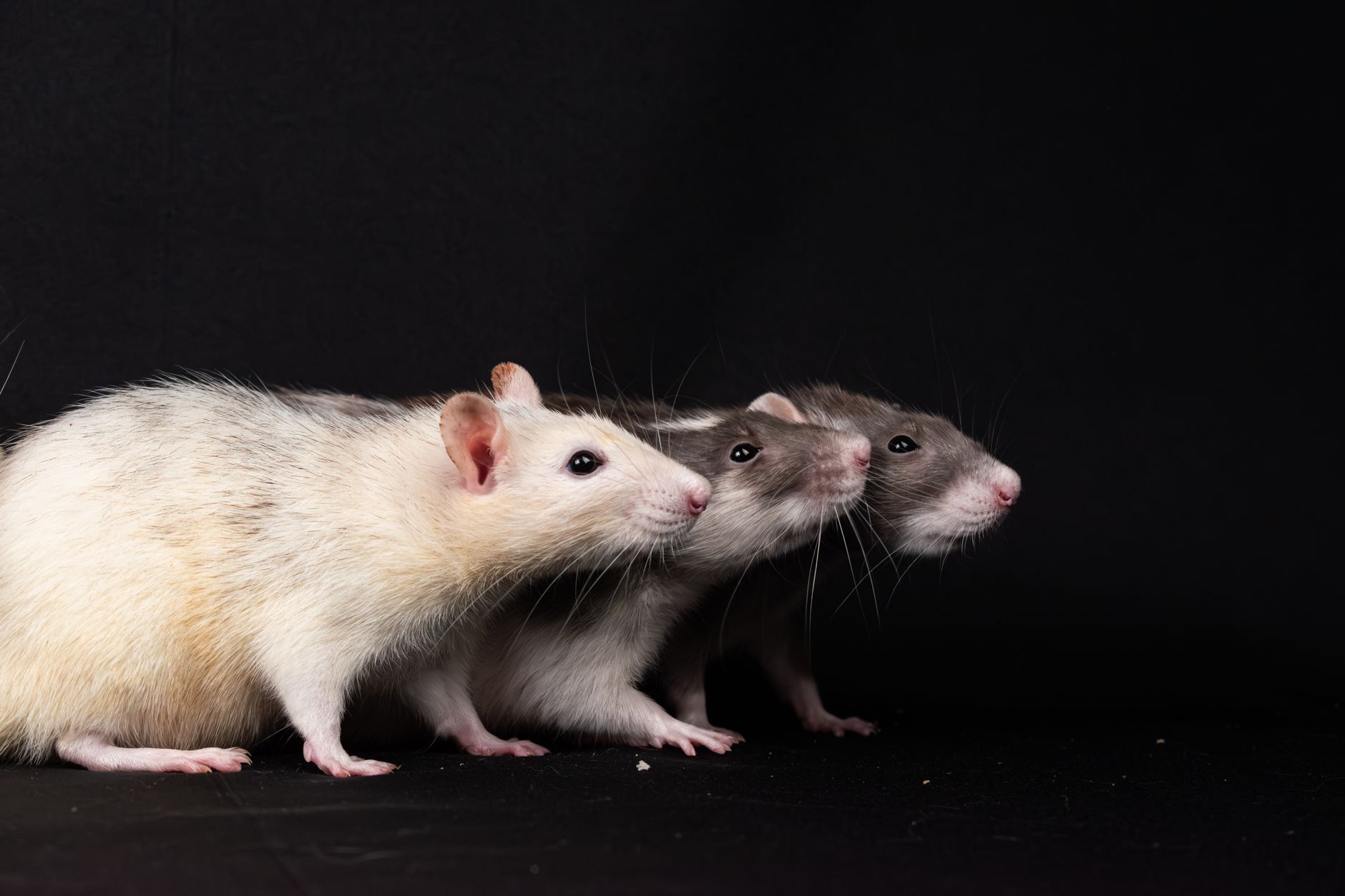
When evaluating liver health in rats, understanding how alanine transaminase (ALT) compares to other markers like AST, ALP, and total bilirubin is crucial. While ALT specifically indicates hepatocellular injury due to its high concentration within liver cells, it’s important to consider these other enzymes for a comprehensive assessment of overall liver function.
ALT primarily reflects damage or leakage from liver cells, but aspartate transaminase (AST) can also indicate muscle injury. Therefore, an elevated AST alongside a markedly elevated ALT suggests concurrent muscle and liver issues. In contrast, alkaline phosphatase (ALP) is more indicative of cholestasis or bile flow obstruction rather than direct hepatocellular damage. If your rat’s ALT levels are above the reference range 20-92 U/L, it’s essential to also look at ALP (16-96 U/L) and AST (59-139 U/L) values for a clearer picture.
Total bilirubin, another key marker, reflects hemolysis or liver dysfunction. Elevated bilirubin levels (above the reference range) can indicate issues with red blood cell breakdown or impaired liver function. When ALT is elevated and there’s also an increase in total bilirubin, it points towards more severe hepatocellular damage or cholestasis.
It’s important to note that while ALT is highly specific for liver injury, AST has a broader range of sources including muscle tissue. This means that if your rat shows elevated AST levels without significant elevation in ALT, the cause might be muscular rather than hepatic. However, when both markers are elevated, it suggests a more complex condition involving multiple organ systems.
ALP is particularly useful for diagnosing conditions related to bile duct obstruction or cholestasis. Elevated ALP levels can indicate blockages within the liver’s bile ducts or in the gallbladder, which can lead to jaundice and other symptoms of liver dysfunction. In cases where ALT is elevated but ALP remains normal, it suggests that the primary issue may be hepatocellular damage rather than cholestatic conditions.
Total bilirubin levels provide additional insight into overall liver health by reflecting both hemolysis (the breakdown of red blood cells) and hepatic excretion capacity. An increase in total bilirubin alongside elevated ALT can indicate severe liver disease, as it suggests that the liver is not only damaged but also struggling to process waste products effectively.
| Marker | What it Adds | When Preferred |
|---|---|---|
| ALT | Direct hepatocellular injury marker | Primary liver damage assessment |
| AST | Indicates both muscle and liver injury | When muscle damage is suspected alongside liver issues |
| ALP | Cholestasis or bile flow obstruction marker | When liver function tests suggest cholestatic conditions |
| Total Bilirubin | Reflects hemolysis or liver dysfunction | When assessing overall liver health and red blood cell breakdown |
What Does Elevated ALT Mean for My Rat’s Health?
Elevated ALT levels in your rat indicate liver cell damage. This enzyme, found primarily in liver cells, leaks into the bloodstream when those cells are injured or dying. An ALT level above the reference range can be a sign of various issues affecting your pet’s liver health.
When interpreting an elevated ALT result for your rat, it’s important to consider several factors that could contribute to this finding. Liver damage in rats can stem from dietary imbalances, such as excessive protein or fat intake, which can lead to fatty liver disease. Additionally, certain medications and toxins can cause hepatocellular injury. Infections like viral hepatitis or bacterial infections affecting the liver are also potential causes.
It’s crucial to understand that ALT is a non-specific marker of liver cell damage. While it indicates that something is amiss in your rat’s liver, it doesn’t pinpoint the exact cause. Therefore, further diagnostic steps are necessary to determine the underlying issue and guide appropriate treatment.
| Finding | What it may suggest | Suggested next step |
|---|---|---|
| Above the reference range | Liver cell damage or leakage from hepatocytes | Consult a veterinarian for further diagnostic tests such as imaging, liver function panel, and possibly a biopsy to identify the cause. |
| Markedly elevated | Severe hepatocellular injury or acute liver disease |