Elevated Eosinophils in Goats — Parasite Load Assessment
Elevated Eosinophils in Goats — Parasite Load Assessment
Wondering what a full interpretation looks like? See a sample report →
Why Should Goat Owners Care About Elevated Eosinophils?

Elevated eosinophil levels in goats are a critical indicator of potential parasitic infections, particularly those caused by gastrointestinal nematodes such as Haemonchus contortus. Monitoring eosinophil counts is essential for early detection and management of these parasites, which can severely impact the health and productivity of your herd.
Eosinophils are a type of white blood cell that play a significant role in immune responses to parasitic infections. In goats, normal eosinophil levels range from 0% to 7% of total white blood cells. When these levels exceed the reference interval, it suggests an active or recent parasitic infection. Elevated eosinophils above this threshold can indicate a need for deworming and further diagnostic testing.
- Eosinophil count: normal: within the reference interval for the goat; outside the reference interval indicates potential parasitic infection; outside the reference interval urgent veterinary consultation required.
Goat owners should be vigilant about monitoring eosinophil levels, especially during periods when goats are more susceptible to parasites. For instance, young goats and pregnant does have higher susceptibility due to their developing or stressed immune systems. Regular blood tests can help identify elevated eosinophils early, allowing for timely intervention before the infection becomes severe.
It is important to note that while elevated eosinophil levels are often associated with parasitic infections, they may also be indicative of other conditions such as allergic reactions or certain types of fungal infections. Therefore, it is crucial to consult a veterinarian for accurate diagnosis and appropriate treatment. For example, if eosinophils rise above the critical level of 0-0.8 x10^3/uL, immediate veterinary attention is necessary to prevent potential complications.
What Are Eosinophils?
Eosinophils are a type of white blood cell that play a crucial role in the immune system, particularly in combating parasitic infections. These cells contain granules rich in proteins such as major basic protein and eosinophil peroxidase, which help them to neutralize parasites through direct contact and release of toxic substances. In goats, an elevated eosinophil count is often indicative of a parasitic load, especially when the percentage exceeds the reference interval of total white blood cells.
Normal levels of eosinophils in goats range from 0-0.8 x10^3/uL, with counts above this threshold suggesting potential parasitism or other inflammatory conditions. When eosinophil percentages rise above the reference interval, it becomes a critical indicator that immediate veterinary intervention is necessary, as such high levels can be associated with severe parasitic infections or allergic reactions.
- Eosinophils are part of the body’s defense mechanism against parasites and allergens.
- They help in reducing inflammation by releasing substances that combat these threats.
Clinical experience shows that eosinophilia is commonly observed in goats with gastrointestinal nematode infections, such as Haemonchus contortus. These parasites can cause significant damage to the intestinal lining and lead to anemia, weight loss, and poor growth performance. Elevated eosinophil counts may also be seen in cases of lungworm infection (Dictyocaulus filaria) or other parasitic conditions affecting the respiratory system.
Laboratory Reference Ranges for Goat Eosinophil Count

Elevated eosinophils in goats are often indicative of parasitic infections, particularly those caused by gastrointestinal nematodes such as Haemonchus contortus. Understanding the normal and elevated ranges is crucial for accurate diagnosis and timely intervention.
| Parameter | Normal Range (%) |
|---|---|
| Eosinophils | 0-0.8 x10^3/uL |
See the full reference intervals for the goat — every value cited to the laboratory document or paper it came from.
The presence of eosinophils above the normal range can suggest an active parasitic infection. For instance, a goat with eosinophil counts between 7% and 15% may have a moderate to severe infestation that requires deworming treatment. If the count exceeds the reference interval, it indicates a critical condition where immediate veterinary intervention is necessary.
It’s important to note that while elevated eosinophils are commonly associated with parasitic infections, other conditions such as allergic reactions or certain types of cancer can also cause an increase in eosinophil levels. Therefore, a comprehensive clinical evaluation including fecal egg counts and other diagnostic tests should be conducted to confirm the underlying cause.
Diagnostic protocols typically suggest that veterinarians monitor eosinophil levels alongside other hematological parameters such as total white blood cell count (WBC) and differential counts of neutrophils and lymphocytes. This holistic approach aids in distinguishing between parasitic infections, inflammatory responses, and other potential causes of elevated eosinophils.
What Causes Elevated Eosinophil Levels?
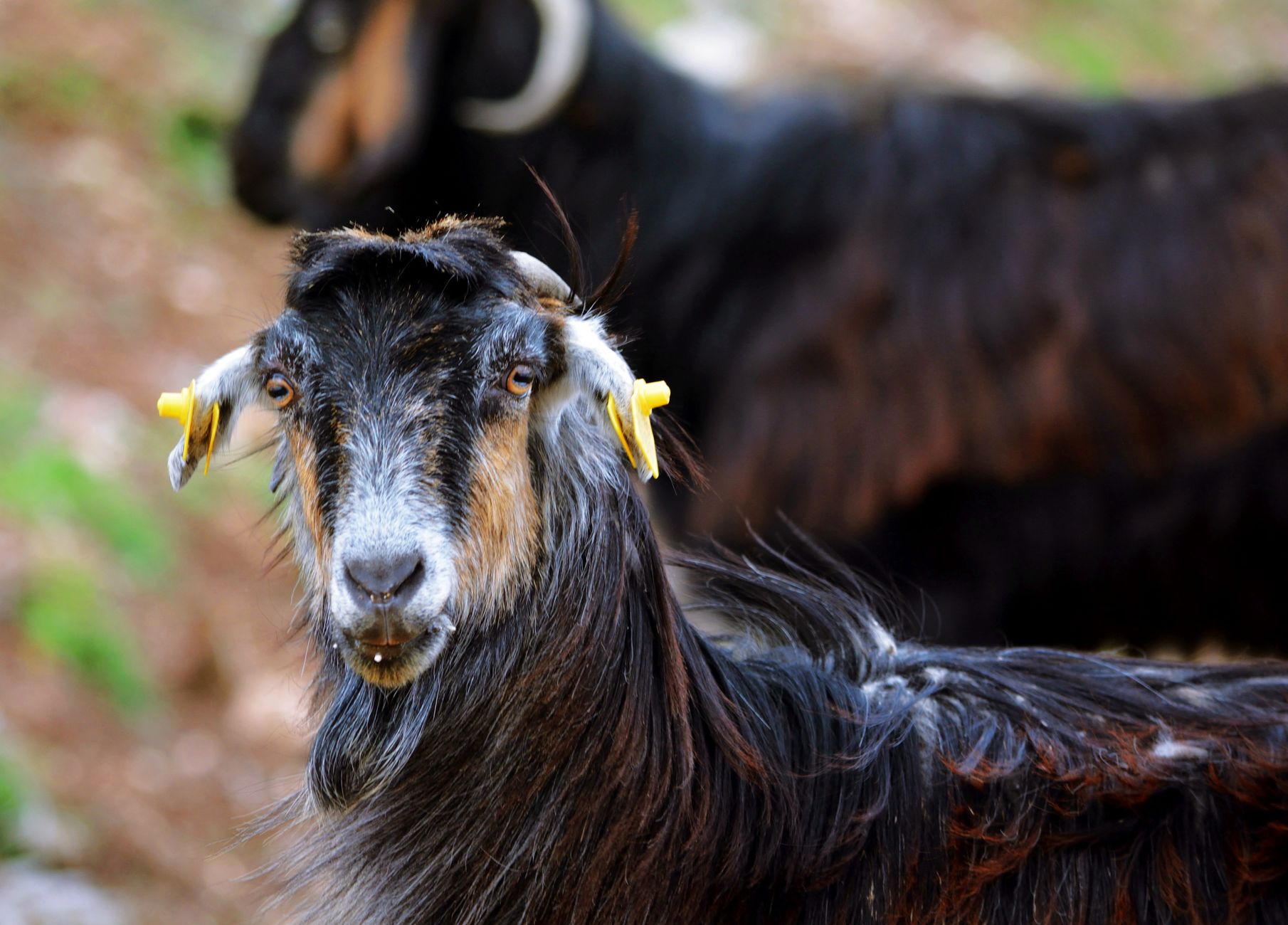
Elevated eosinophil levels in goats, defined as more than the reference interval of total white blood cells (elevated: outside the reference interval), are often indicative of parasitic infections. However, other conditions can also cause an increase in these immune cells, making a thorough differential diagnosis essential for accurate treatment.
Parasites such as Haemonchus contortus, commonly known as the barber pole worm, and coccidia are frequent culprits behind elevated eosinophil counts. These parasites trigger an immune response that includes increased production of eosinophils to combat the infection. In goats, a significant rise in eosinophil levels often correlates with heavy parasite loads, particularly during warmer months when grazing conditions favor rapid worm proliferation.
- Haemonchus contortus: This blood-sucking nematode can cause severe anemia and weight loss in goats. Elevated eosinophils are a key indicator of infection, often accompanied by low packed cell volume (PCV) and high fecal egg counts.
- Coccidia: Coccidiosis caused by Eimeria species can lead to diarrhea, dehydration, and weight loss. Eosinophil levels may rise as part of the immune response against these protozoan parasites.
In addition to parasitic infections, other conditions such as allergies or certain types of cancer can also elevate eosinophils. For instance, allergic reactions to environmental allergens like pollen or mold spores might cause an increase in eosinophil levels. However, the presence of these non-parasitic causes is less common and typically requires additional diagnostic tests for confirmation.
It’s important to note that while elevated eosinophils are a strong indicator of parasitism, they do not definitively diagnose specific parasites without further testing such as fecal examinations or blood work. A comprehensive approach including clinical signs, environmental factors, and laboratory results is necessary to accurately determine the cause.
Reference intervals for the parameters discussed above, as published in the source panel for the goat:
| Parameter | Reference interval (goat) |
|---|---|
| Eosinophils | 0-0.8 x10^3/uL |
| HCT | 28-44% |
| WBC | 7.2-17.7 x10^3/uL |
| Neutrophils | 1.9-9.5 x10^3/uL |
| Lymphocytes | 2.6-11.7 x10^3/uL |
How Does Eosinophil Count Compare to Other Blood Parameters?

Elevated eosinophils in goats are often indicative of parasitic infections, particularly those caused by gastrointestinal nematodes like Haemonchus contortus. However, the interpretation of an elevated eosinophil count should be considered alongside other blood parameters to provide a comprehensive assessment of the goat’s overall health and specific conditions that may influence eosinophil levels.
For instance, eosinophils are typically 0-0.8 x10^3/uL of total white blood cells in healthy goats. When this percentage exceeds the reference interval, it suggests an active parasitic infection or other inflammatory processes involving eosinophils. A critical level above the reference interval may indicate severe parasitism or a more serious underlying condition requiring immediate attention.
- White Blood Cell Count (WBC): Normal WBC range for goats is typically between 6,000 and above the reference interval. An elevated eosinophil count often correlates with an increased total WBC count due to the presence of other inflammatory cells responding to parasitic infection.
- Hematocrit (Hct): Normal Hct for goats is around 28-44%. A low hematocrit can indicate anemia, which might be secondary to blood loss from parasites like barber pole worms. In such cases, eosinophils may still be elevated due to the body’s immune response.
- Total Protein (TP): Normal TP levels in goats range from 6.2-8.0 g/dL. Elevated total protein can suggest dehydration or chronic inflammation, both of which might coexist with parasitic infections and contribute to an elevated eosinophil count.
In addition to these parameters, liver enzymes such as GGT (Gamma-Glutamyl Transferase) and AST (Aspartate Aminotransferase) should be evaluated. Elevated GGT and AST levels can indicate liver damage from parasites like Fasciola hepatica or plant toxicity. These markers are crucial for differentiating between parasitic infections affecting the gastrointestinal tract versus those impacting the liver.
| Parameter | Normal Range (goat) |
|---|---|
| Eosinophils | 0-0.8 x10^3/uL |
| White Blood Cell Count (WBC) (cells/µL) | 7.2-17.7 x10^3/uL |
| Hematocrit (Hct) (%) | 28-44% |
| Total Protein (TP) (g/dL) | 6.2-8.0 g/dL |
| GGT (U/L) | 24-64 U/L |
| AST (U/L) | 62-145 U/L |
The table above provides a comprehensive overview of the reference ranges and critical levels for these parameters, helping veterinarians to interpret blood test results accurately. By comparing eosinophil counts with other relevant blood parameters, practitioners can better diagnose parasitic infections and assess overall health status in goats.
How Do You Interpret Elevated Eosinophil Levels?
Elevated eosinophils in goats are often indicative of parasitic infections, particularly those caused by gastrointestinal nematodes such as Haemonchus contortus. According to standard veterinary practice, a normal eosinophil count ranges from 0% to 7% of total white blood cells (WBCs). When this percentage exceeds the reference interval, it suggests an elevated level that warrants further investigation for parasitic involvement or other causes like allergic reactions or certain infections.
For instance, if a goat’s WBC differential shows eosinophils at 0-0.8 x10^3/uL, which is above the normal range but not yet critical (within the reference interval is normal; outside it is elevated; outside the reference interval critical), it indicates potential parasitism. Goats with high parasite loads often exhibit increased eosinophil counts as part of their immune response to these pathogens.
- When interpreting blood work, consider the goat’s clinical history and environment.
- In contrast, if a crossbred goat has an eosinophil level at 15%, this is considered critical and requires immediate attention. This could indicate severe parasitism or other serious conditions such as drug reactions or certain types of cancer.
It’s crucial to correlate the eosinophil count with other clinical signs and laboratory findings for a comprehensive diagnosis. For example, if eosinophils are elevated alongside high ALT (normal: 6-14 U/L; outside the reference interval action threshold; outside the reference interval critical) levels, it may suggest liver damage due to parasitic infection or drug toxicity.
Are There Breed or Age Differences in Eosinophil Levels?
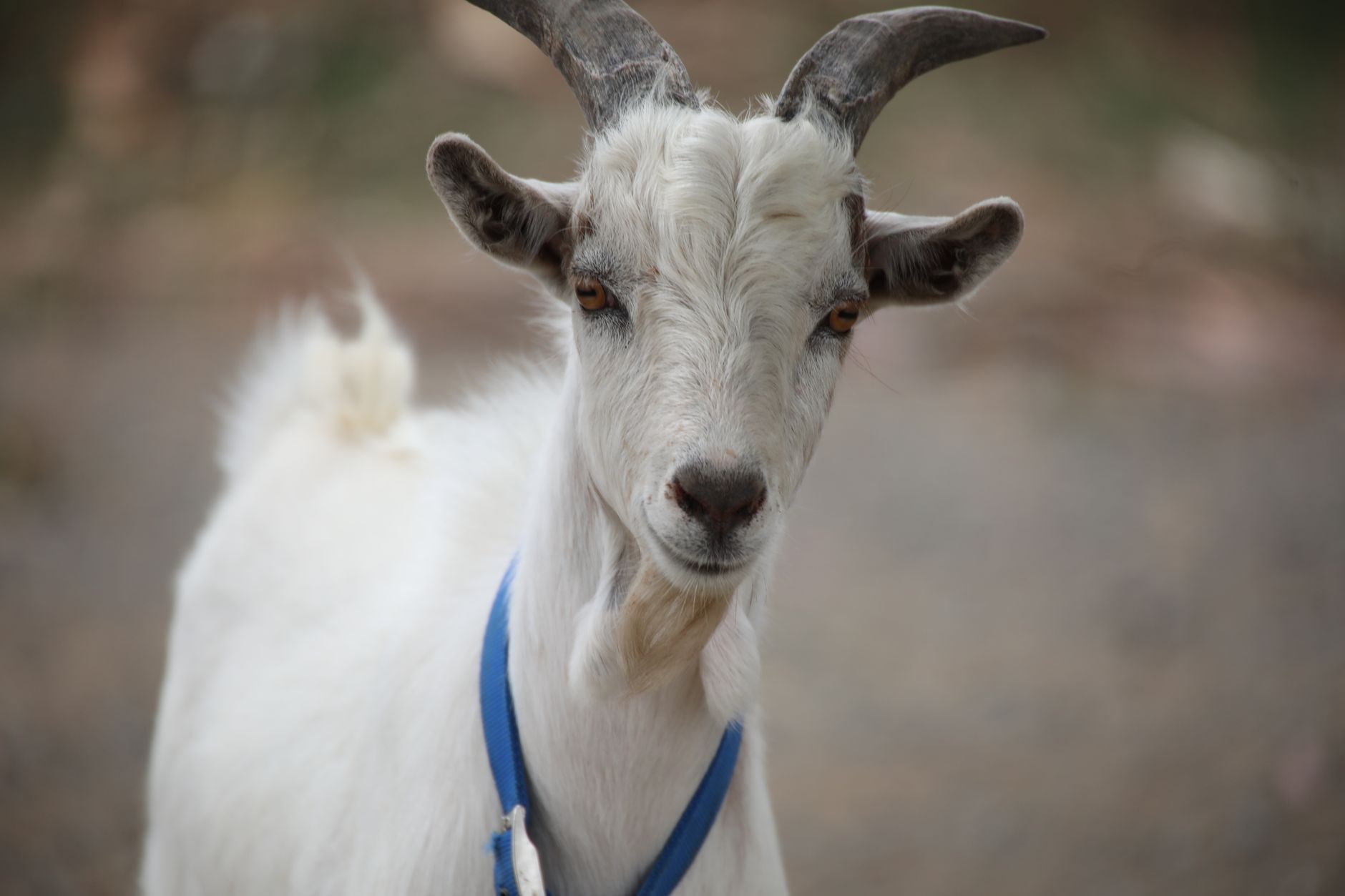
Eosinophils are a type of white blood cell that play a crucial role in immune responses, particularly against parasitic infections. In goats, elevated eosinophil levels (greater than the reference interval) often indicate the presence of parasites such as Haemonchus contortus or coccidia. However, it is important to note that there are minimal breed-specific differences in eosinophil counts among goat breeds for routine blood parameters like eosinophils. Goats show similar responses across different breeds when dealing with parasitic infections.
Age can influence eosinophil levels as well. Younger goats may have higher baseline eosinophil counts due to their developing immune systems and exposure to various parasites. For instance, elevated eosinophils in kids (younger than 6 months) could be a normal response to initial parasitic challenges or vaccinations. However, if levels exceed the reference interval of 15%, it is crucial to investigate further for severe parasitism or other underlying health issues.
- Liver fluke infections can also elevate eosinophil levels, especially in older goats. These infections are more common in adult animals due to prolonged exposure to contaminated pastures.
- In pregnant does, elevated eosinophils may indicate a parasitic load that could affect fetal health or cause pregnancy toxemia if the condition is severe enough to compromise maternal nutrition and energy reserves.
While breed differences are minimal for eosinophil levels in goats, age-related variations can provide important clues about an animal’s overall health status. Monitoring eosinophils regularly, especially during seasonal changes or after deworming treatments, helps veterinarians and goat owners maintain optimal herd health.
Frequently Asked Questions
What does it mean if my goat’s eosinophil count is elevated?
Elevated eosinophils (greater than the reference interval of total white blood cells) in goats typically indicate a parasitic infection. This finding suggests the need for deworming and further diagnostic testing to identify specific parasites.
How can I determine if my goat’s elevated eosinophil levels are due to liver flukes?
If your goat has elevated eosinophils along with signs of liver disease such as jaundice or weight loss, it could be indicative of liver fluke infection. Elevated GGT and AST levels may also suggest this condition. A combination of blood tests and fecal examinations can help confirm the diagnosis.
What dietary changes should I make if my goat has elevated eosinophils?
In goats with elevated eosinophil counts, it is important to ensure they have access to high-quality forage and supplements that support their immune system. Avoiding overgrazing on pastures known to harbor parasites can also help reduce the risk of infection.
What medications are commonly used to treat parasitic infections in goats?
In goats, anthelmintics may be considered for treating parasitic infections. These drugs target various stages of parasite life cycles and help reduce the overall parasite load.
How often should I recheck my goat’s blood work after deworming?
After deworming, it is advisable to recheck your goat’s blood work in 2-4 weeks. This allows time for the medication to take effect and helps assess whether further treatment is necessary.
What are the emergency signs I should watch out for if my goat has elevated eosinophils?
If your goat shows signs of severe anemia, lethargy, or respiratory distress alongside high eosinophil levels, these could indicate a critical condition requiring immediate veterinary attention. Emergency care may include fluid therapy and additional medications.
Are there any breed-specific concerns regarding elevated eosinophils in goats?
Goats show minimal breed-level predisposition; diet, parasite burden, and reproductive stage drive most clinical patterns. However, certain breeds like Boer goats on poor-quality pastures may be more prone to copper deficiency, which can exacerbate parasitic issues.
How does stress affect my goat’s eosinophil levels?
Stress can transiently elevate blood glucose and other markers but typically does not directly cause elevated eosinophils. However, chronic stress may weaken the immune system, making goats more susceptible to parasitic infections.
Can high eosinophil counts be a sign of liver toxicity after deworming?
Elevated liver enzymes post-deworming can indicate drug-induced hepatotoxicity. If your goat shows signs such as jaundice or lethargy alongside elevated eosinophils, it is important to consult with a veterinarian for further evaluation.
What at-home monitoring should I do if my goat has elevated eosinophil levels?
Maintaining regular fecal examinations and observing your goat’s overall health and behavior can help monitor the effectiveness of deworming treatments. Additionally, keeping track of changes in appetite, energy level, and coat condition is beneficial.
Reference intervals — chemistry
Values below come from the goat chemistry reference panel; each figure links to the source it was taken from.
| Parameter | Reference interval (goat) |
|---|---|
| AST | 62-145 U/L |
| GGT | 24-64 U/L |
| Glucose | 35-142 mg/dL |
| TOTAL Protein | 6.2-8.0 g/dL |
| ALT | 6-14 U/L |
Sources & Further Reading
This article draws on the following authoritative veterinary references. For your pet’s individual case, consult a licensed veterinarian.
- Merck Veterinary Manual — comprehensive clinical reference for veterinary practice
- WSAVA Global Guidelines — World Small Animal Veterinary Association
- Veterinary Clinical Pathology — clinical pathology research and case studies