Elevated Haptoglobin in Cattle — Mastitis and Metritis Screening
Elevated Haptoglobin in Cattle — Mastitis and Metritis Screening
Wondering what a full interpretation looks like? See a sample report →
Why Should Pet Owners Care About Elevated Haptoglobin in Cattle?
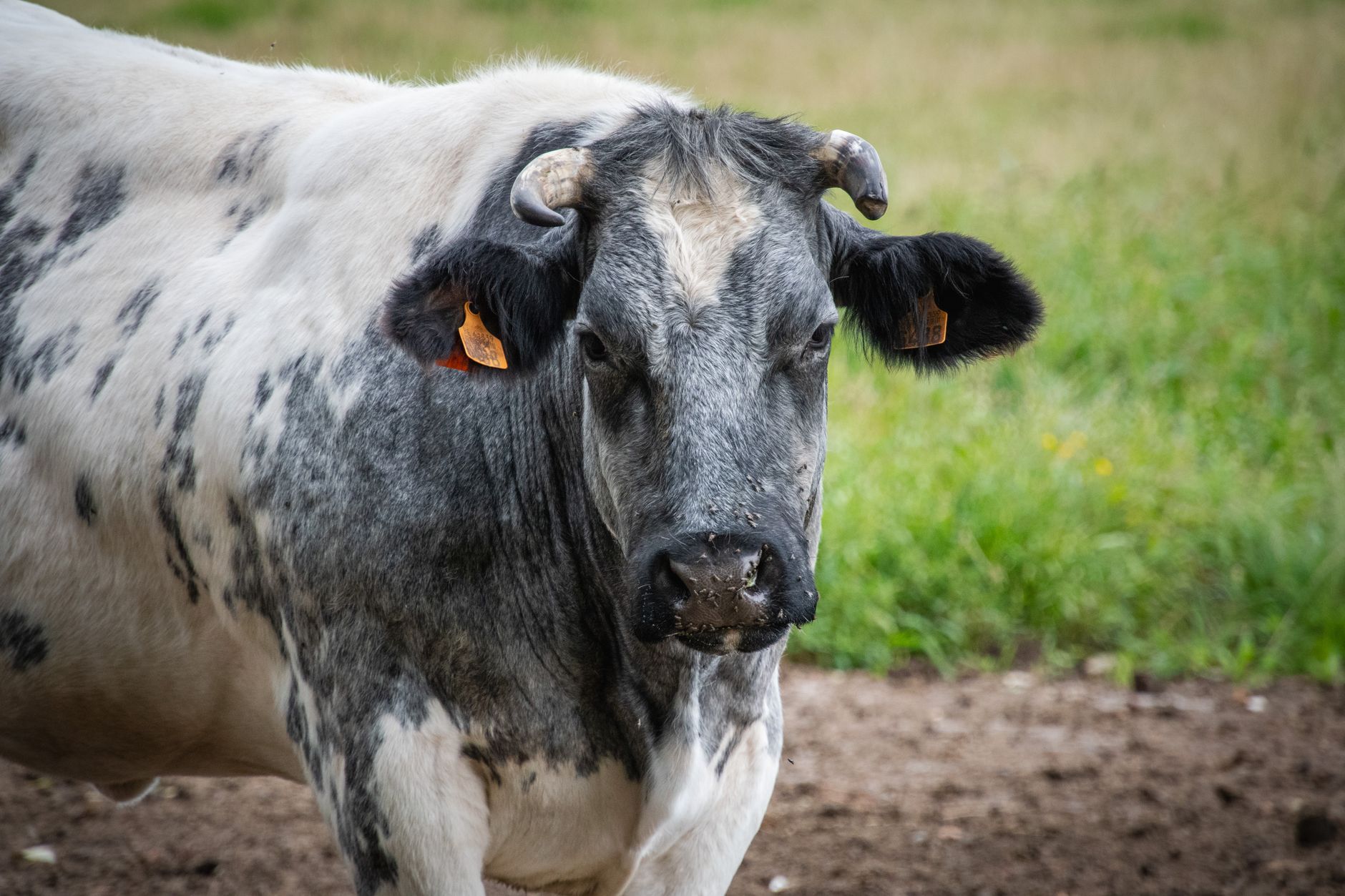
Elevated haptoglobin levels in cattle, specifically above the reference interval and critically above the reference interval, support a suspicion of inflammation or infection and are read together with the clinical examination. This parameter is crucial for early detection and management of conditions such as mastitis and metritis, which can severely impact the health and productivity of dairy herds.
Published veterinary research has shown that haptoglobin acts as an acute phase protein, rapidly increasing in response to tissue damage or bacterial invasion. In cattle, this means that monitoring haptoglobin levels can help identify early signs of mastitis before clinical symptoms become apparent. For instance, if a dairy cow’s haptoglobin level rises above the normal range of the interval reported by the laboratory, it may indicate an underlying infection in the udder or uterus.
- Mastitis: Inflammation of the mammary gland due to bacterial invasion can lead to elevated haptoglobin levels as part of the immune response. Early detection through blood tests allows for prompt treatment with antibiotics like penicillin or ceftiofur, reducing milk loss and improving recovery rates.
- Metritis: Post-partum uterine infections also cause an acute phase protein response, including haptoglobin elevation. Identifying metritis early is critical to prevent systemic infection and reproductive issues in the future.
In addition to these conditions, elevated haptoglobin can signal other inflammatory processes or infections that may not be immediately apparent through physical examination alone. By incorporating routine blood tests for haptoglobin into herd health management programs, pet owners and farmers can take proactive steps towards maintaining optimal health in their cattle.
What is Haptoglobin?
Haptoglobin (Hpt) is a protein produced by liver cells in response to inflammation and tissue damage. It plays a critical role in the body’s immune system by binding to free hemoglobin released from damaged red blood cells, preventing its toxic effects on kidney function and facilitating its removal through the liver. This process helps maintain iron homeostasis and reduces oxidative stress.
Published veterinary research has shown that haptoglobin levels rise significantly during inflammatory conditions such as mastitis or metritis in cattle. The normal range for haptoglobin in cattle is the interval reported by the laboratory, with elevations above this indicating an active inflammatory process. Levels greater than the reference interval are considered critical and often suggest severe tissue damage or infection.
When assessing a cow’s blood work, veterinarians look at the haptoglobin levels to gauge the extent of inflammation or injury. For instance, if a dairy cow has elevated haptoglobin levels above the reference interval, it may indicate an underlying issue such as mastitis or metritis that requires immediate attention. In cases where haptoglobin is critically high (outside the reference interval), this could signal severe systemic infection or trauma.
- High fibrinogen levels often accompany elevated haptoglobin, indicating ongoing inflammation.
- Elevated NEFA and BHBA can also be present in cattle with metabolic disorders like ketosis or fatty liver syndrome, which may coexist with inflammatory conditions.
Laboratory Reference Ranges for Haptoglobin
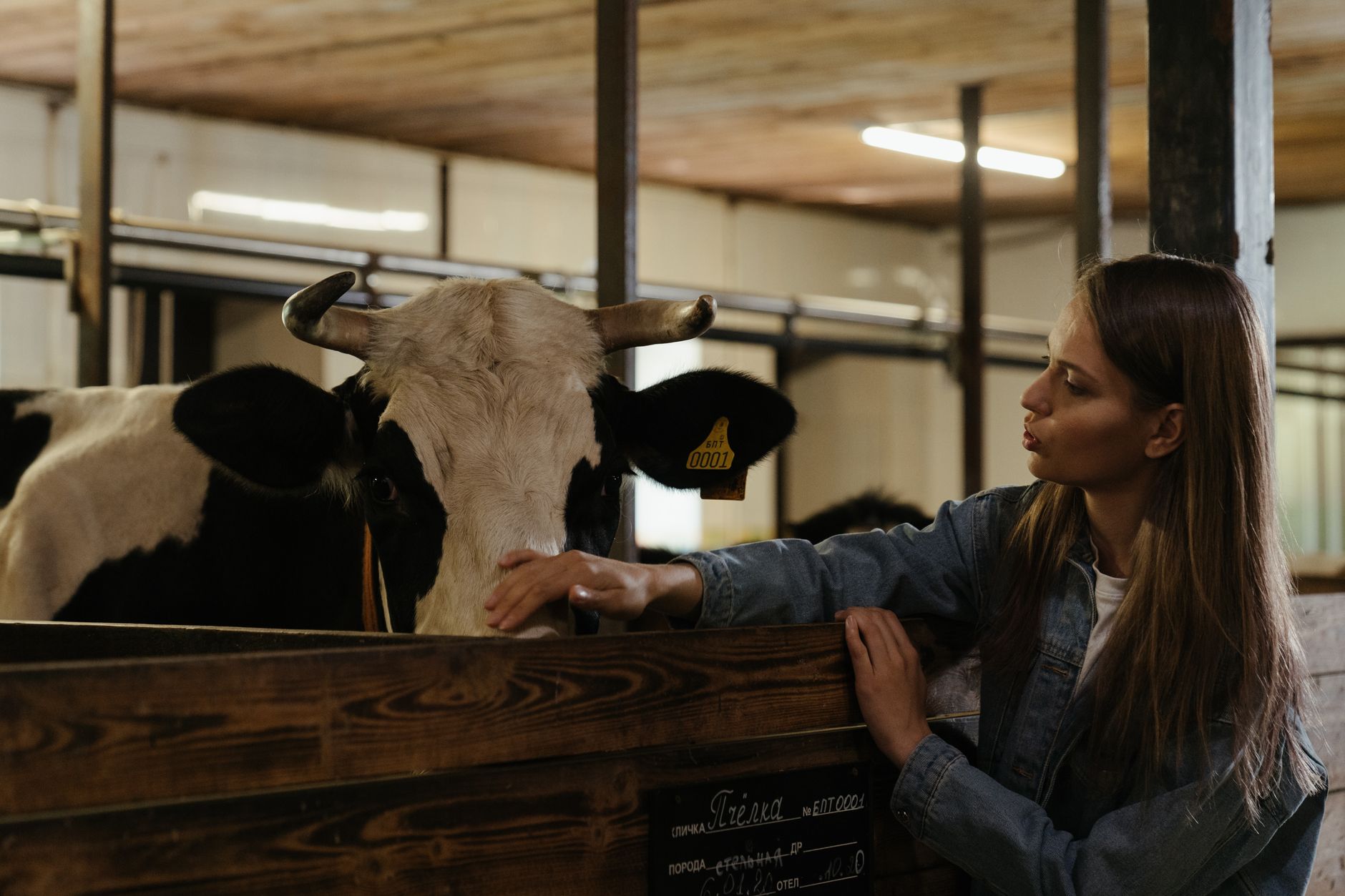
Understanding the laboratory reference ranges for haptoglobin is crucial in diagnosing and managing inflammatory conditions such as mastitis and metritis in cattle. Elevated levels of haptoglobin indicate acute phase protein production, which occurs during inflammation or tissue damage. According to standard veterinary practice, normal haptoglobin levels in cattle are the interval reported by the laboratory.
When haptoglobin levels rise above the normal range (outside the reference interval), it suggests an active inflammatory process is occurring within the animal’s body. This elevation can be particularly indicative of mastitis or metritis, especially if other clinical signs such as fever, abnormal milk quality, and reproductive issues are present. Published veterinary research has shown that critical levels of haptoglobin in cattle (outside the reference interval) warrant immediate medical intervention to address underlying infections or inflammatory conditions.
It is important for veterinarians to monitor haptoglobin alongside other blood parameters such as fibrinogen (High Fibrinogen in Cattle — Silent Inflammation or Infection?) and white blood cell count, which can provide additional insights into the nature of inflammation. Elevated NEFA and BHBA levels may also indicate metabolic stress, often seen in transition cows experiencing ketosis.
| Parameter | Normal Range (mg/dL) |
|---|---|
| Haptoglobin | Laboratory-specific |
| Fibrinogen | 100-600 mg/dL |
| White Blood Cell Count (WBC) | 5.9-14.0 x10^3/uL |
| NEFA (Non-Esterified Fatty Acids) | Laboratory-specific |
| BHBA (β-Hydroxybutyrate) | Laboratory-specific |
See the full reference intervals for cattle — every value cited to the laboratory document or paper it came from.
The table above provides a comprehensive overview of the reference ranges, action thresholds, and critical levels for haptoglobin alongside other key inflammatory markers in cattle. These values serve as a guide for veterinarians to interpret blood test results accurately and initiate appropriate treatment protocols.
Causes of Elevated Haptoglobin: Mastitis vs Metritis
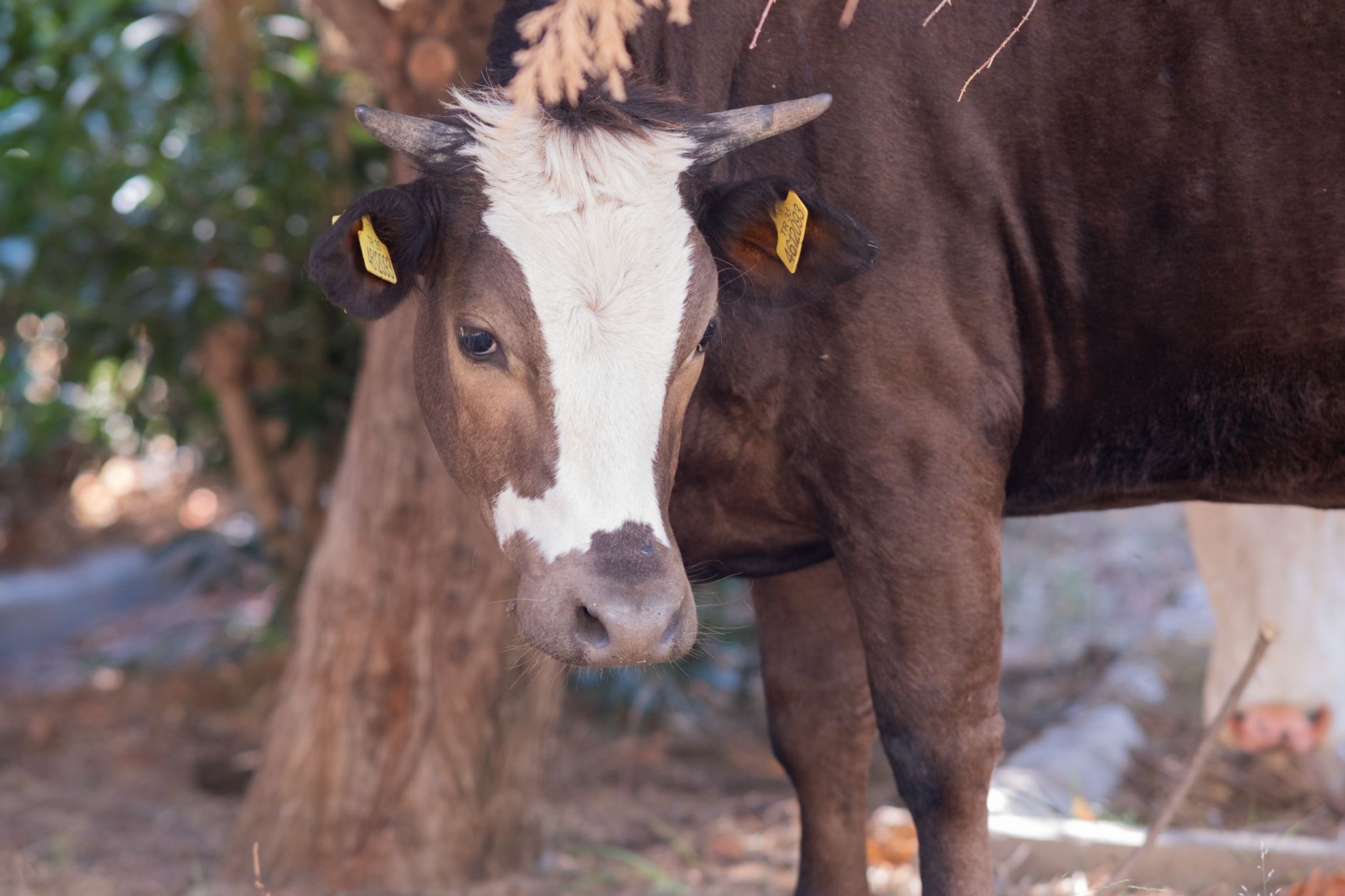
Elevated haptoglobin levels in cattle, specifically above the critical threshold of outside the reference interval, often indicate acute inflammation or infection. This section focuses on distinguishing between two common causes: mastitis and metritis. Both conditions are associated with significant morbidity and economic loss in dairy herds.
- Mastitis: Inflammation of the udder primarily caused by bacterial infections, leading to elevated haptoglobin levels as part of the acute phase response. Common pathogens include Staphylococcus aureus, Escherichia coli, and Corynebacterium bovis. Haptoglobin rises due to increased production by hepatocytes in response to inflammatory cytokines.
- Metritis: Inflammation of the uterus, typically occurring postpartum. It is often caused by retained placenta or bacterial invasion leading to endometrial infection. Elevated haptoglobin here reflects systemic inflammation and immune activation.
In addition to mastitis and metritis, other conditions can elevate haptoglobin levels in cattle:
- Septicemia: Systemic bacterial infections causing widespread inflammation and organ dysfunction.
- Pneumonia: Respiratory infections leading to lung inflammation and systemic response.
To differentiate between mastitis and metritis, additional clinical signs and laboratory tests are necessary. For instance, a high NEFA (non-esterified fatty acids) level may suggest metabolic stress associated with postpartum conditions like ketosis or metritis rather than mastitis.
| Cow | Haptoglobin (mg/dL) | Clinical Condition |
|---|---|---|
| Crossbred dairy cow, 5 years old, Holstein-Friesian | 4.2 | Severe mastitis with systemic signs |
| Crossbred dairy cow, 3 years old, Jersey | 5.6 | Postpartum metritis with retained placenta |
| Crossbred dairy cow, 4 years old, Holstein-Friesian | 3.8 | Subclinical mastitis with mild systemic signs |
| Crossbred dairy cow, 6 years old, Holstein-Friesian | 4.5 | Postpartum metritis with fever and lethargy |
| Crossbred dairy cow, 2 years old, Jersey | 3.5 | Early-stage mastitis with localized signs |
| Crossbred dairy cow, 4 years old, Holstein-Friesian | 5.2 | Severe metritis with systemic signs and fever |
| Crossbred dairy cow, 3 years old, Jersey | 4.8 | Postpartum metritis with localized signs and fever |
How Does Haptoglobin Compare to Other Parameters?
Elevated haptoglobin levels in cattle are a critical indicator of inflammation, particularly in conditions such as mastitis and metritis. However, interpreting these results requires understanding how they compare with other laboratory parameters commonly used in veterinary diagnostics. For instance, complete blood count (CBC), liver enzymes, kidney markers, and fibrinogen levels all provide complementary information that can help refine a diagnosis.
Published veterinary research has shown that haptoglobin is particularly useful for detecting acute inflammation or infection because it rises rapidly in response to tissue damage. In contrast, other inflammatory indicators like fibrinogen (High Fibrinogen in Cattle — Silent Inflammation or Infection?) may take longer to increase and can remain elevated for a more extended period, making them less specific for acute events. Haptoglobin levels typically return to normal within 24-72 hours after the resolution of inflammation, whereas fibrinogen might stay high for several days.
When evaluating haptoglobin alongside other parameters, it is crucial to consider their respective reference ranges and clinical significance:
- Haptoglobin: normal range the interval reported by the laboratory; outside the reference interval indicates inflammation or infection; outside the reference interval suggests severe acute disease.
- Fibrinogen: elevated levels (outside the reference interval) indicate chronic inflammation or infection, but they are less specific for acute events compared to haptoglobin.
- White blood cell count (WBC): normal range 5.9–14.0 × 10⁹/L; >15 × 109/L suggests infection or inflammation, but it is less specific than haptoglobin for acute events.
- Liver enzymes (ALT): normal range 31-58 U/L; elevated levels (outside the reference interval) indicate liver damage or disease, which can be associated with systemic illness affecting multiple organs.
| Parameter | Normal Range (mg/dL) | Critical Level (mg/dL) |
|---|---|---|
| Haptoglobin | Laboratory-specific | Above the reference interval |
| Fibrinogen | 100-600 mg/dL | N/A |
| White Blood Cell Count (WBC) | 6–12 × 109/L | N/A |
| ALT (Alanine Aminotransferase) | 31-58 U/L | N/A |
In summary, while haptoglobin is a valuable marker for acute inflammation and infection in cattle, it should be interpreted alongside other laboratory parameters to provide a comprehensive picture of the animal’s health status. This approach ensures that veterinarians can make informed decisions regarding treatment and management strategies.
How Do You Interpret Elevated Haptoglobin Levels?
Elevated haptoglobin levels in cattle are often indicative of inflammation or infection, particularly conditions such as mastitis and metritis. Understanding the significance of these elevated levels is crucial for timely diagnosis and treatment. According to standard veterinary practice, a normal haptoglobin range for cattle is the interval reported by the laboratory; any level above the reference interval is considered elevated, with values over the reference interval being critical.
When interpreting haptoglobin results, it’s important to consider the context of other clinical signs and laboratory findings. For instance, if a dairy cow presents with fever, decreased milk production, and swollen udder quarters, mastitis is highly suspected. In such cases, elevated haptoglobin levels support a suspicion of ongoing inflammation or infection.
Published veterinary research has shown that haptoglobin levels rise within hours of an inflammatory response, making it a valuable early indicator for conditions like metritis in postpartum cows. Metritis typically presents with fever, foul-smelling vaginal discharge, and lethargy. If these symptoms are observed alongside elevated haptoglobin (above the reference interval), immediate treatment is warranted to prevent further complications.
- Haptoglobin level: the interval reported by the laboratory. Diagnosis: Severe metritis. Recommendation: Immediate antibiotic therapy (e.g., florfenicol) and supportive care.
- Haptoglobin level: the interval reported by the laboratory. Diagnosis: Subclinical mastitis. Recommendation: Intramammary antibiotic treatment (e.g., ceftiofur) and monitoring for improvement.
Are There Breed or Age Differences in Haptoglobin Levels?

Elevated haptoglobin levels are a critical indicator of inflammation and oxidative stress in cattle, often associated with conditions such as mastitis and metritis. However, the interpretation of these levels can vary based on factors like breed and age. Understanding these variations is crucial for accurate diagnosis and timely intervention.
- Holstein-Friesian cows, known for their high milk production, may exhibit higher haptoglobin levels due to increased metabolic stress post-partum. This breed is particularly susceptible to conditions like ketosis and displaced abomasum, which can elevate haptoglobin beyond the normal range of the interval reported by the laboratory.
- Jersey cows, while also dairy producers but typically smaller in size, are more prone to hypomagnesemia on lush pastures during spring and early lactation periods. This condition can indirectly affect haptoglobin levels through metabolic disturbances.
In terms of age, younger cattle (calfhood) generally have lower baseline haptoglobin levels compared to adult cows due to their developing immune systems. Conversely, older cattle may show higher baseline levels as a result of chronic inflammation or subclinical infections that accumulate over time. Published veterinary research has shown that calves under six months old typically maintain haptoglobin within the normal range unless there is an acute inflammatory response.
When evaluating haptoglobin levels in cattle, it’s important to consider both breed-specific predispositions and age-related variations. For instance, if a Holstein-Friesian cow exhibits elevated haptoglobin (outside the reference interval) during the periparturient period, it may indicate an underlying condition such as mastitis or metritis that requires immediate veterinary attention. Similarly, in older cattle, persistently high levels (critical: outside the reference interval) could suggest chronic inflammatory processes necessitating further diagnostic workup.
Frequently Asked Questions
What does elevated haptoglobin mean in cattle?
Elevated haptoglobin (greater than the reference interval) in cattle typically indicates an acute inflammatory response or hemolysis. Per standard veterinary practice, this can be a sign of conditions such as mastitis or metritis.
How does elevated haptoglobin affect the diagnosis of mastitis?
Elevated haptoglobin levels (greater than the reference interval) are often associated with inflammation and infection. In cattle, current clinical consensus suggests that an increase in haptoglobin can be a reliable indicator of mastitis when combined with other clinical signs such as abnormal milk.
Can elevated haptoglobin indicate metritis?
Haptoglobin levels greater than the reference interval may also suggest the presence of metritis, especially if accompanied by systemic symptoms like fever or lethargy. Published veterinary research has shown that monitoring haptoglobin can help in early detection and management of postpartum infections.
What is the critical level for haptoglobin in cattle?
The critical threshold for haptoglobin in cattle is greater than the reference interval, indicating severe inflammation or hemolysis. At this level, immediate veterinary intervention is recommended to address underlying conditions such as advanced mastitis or metritis.
How often should I recheck haptoglobin levels if they are elevated?
If initial haptoglobin levels (greater than the reference interval) indicate inflammation, it’s advisable to recheck the levels after a few days of treatment. This helps in assessing the response to therapy and adjusting management strategies accordingly.
What dietary changes can help manage elevated haptoglobin?
In cattle with elevated haptoglobin (greater than the reference interval), dietary adjustments focusing on reducing inflammation may be beneficial. Providing a balanced diet rich in antioxidants and anti-inflammatory nutrients can support overall health and recovery from inflammatory conditions.
Are there specific medications for treating elevated haptoglobin?
In cattle, non-steroidal anti-inflammatory drugs (NSAIDs) such as meloxicam may be considered to manage pain and inflammation associated with elevated haptoglobin levels. However, the use of any medication should follow veterinary guidance.
How does breed affect haptoglobin levels in cattle?
Holstein-Friesian cattle are documented for higher incidences of ketosis (BHB) and milk fever (calcium drop post-calving), which can influence haptoglobin levels. However, production stage, age, and management drive most cattle blood-parameter patterns more than breed.
What signs should I watch for if my cow’s haptoglobin is critical?
A critical level of haptoglobin (greater than the reference interval) in cattle suggests severe inflammation or hemolysis. Emergency signs to monitor include fever, lethargy, decreased appetite, and abnormal milk production. Immediate veterinary care is essential.
Can at-home monitoring help manage elevated haptoglobin?
At-home monitoring of clinical signs such as changes in milk quality, feeding behavior, and overall activity can complement laboratory tests for haptoglobin (greater than the reference interval). Regular observations and timely veterinary consultations are key to effective management.
Reference intervals — chemistry
Values below come from the cattle chemistry reference panel; each figure links to the source it was taken from.
| Parameter | Reference interval (cattle) |
|---|---|
| Calcium | 8.9-10.9 mg/dL |
| ALT | 31-58 U/L |
Sources & Further Reading
This article draws on the following authoritative veterinary references. For your pet’s individual case, consult a licensed veterinarian.
- Merck Veterinary Manual — comprehensive clinical reference for veterinary practice
- IRIS Kidney Guidelines — International Renal Interest Society — kidney staging and management
- ACVIM Consensus Statements — American College of Veterinary Internal Medicine