Why Your Dog Needs a Blood Phosphorus Test: Symptoms & Management
Wondering what a full interpretation looks like? See a sample report →
Why Phosphorus Tends to Point at the Kidneys

Phosphorus is a mineral the body keeps in careful balance, and the kidneys do most of the work of removing any excess. That single fact explains why a high phosphorus so often turns attention to the kidneys: when kidney function declines, phosphorus is cleared less efficiently and its blood level rises. But “often” is not “always.” A raised phosphorus can also reflect the normal bone activity of a growing dog, or an excess of vitamin D. So while the kidneys are the headline suspect, the result is read in context rather than treated as automatic proof of kidney disease.
The Other Reasons Phosphorus Climbs
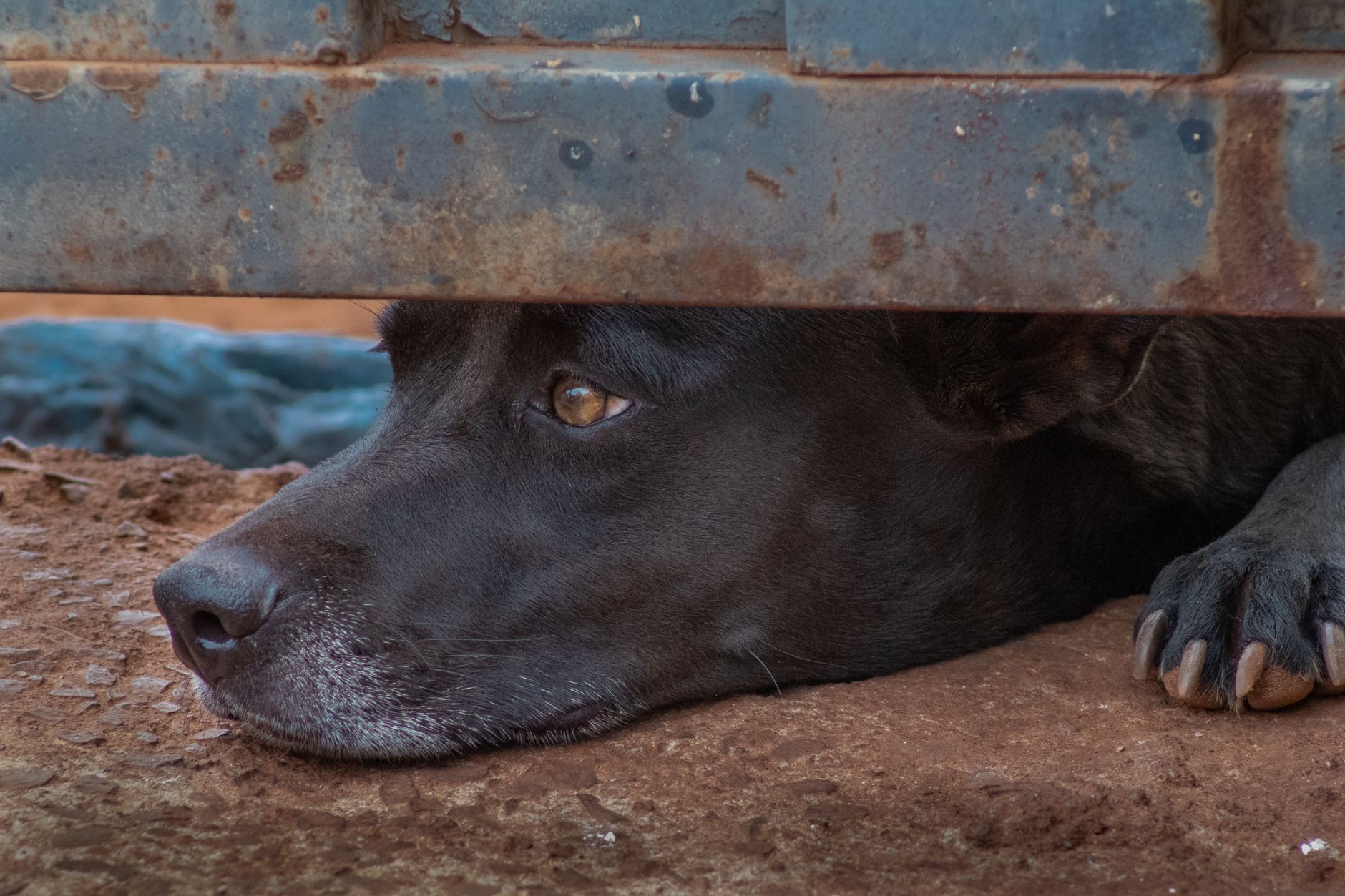
Keeping the alternatives in mind is what stops a perfectly normal puppy result from being misread as disease.
| Cause of high phosphorus | How your veterinarian considers it |
|---|---|
| Reduced kidney excretion | The most common cause; assessed with SDMA, creatinine, BUN and urine testing. |
| Young, growing dogs | Active bone growth raises phosphorus; interpreted in light of the dog’s age. |
| Vitamin D excess | Considered with the dietary and supplement history and the calcium picture. |
| Calcium-phosphorus imbalance | Read together with calcium, since the two are regulated as a pair. |
See the full reference intervals for the dog — every value cited to the laboratory document or paper it came from.
The Normal Phosphorus Range in Dogs

Reference intervals depend on the analyser and method, and growing dogs run naturally higher, so your dog’s own report range is the final word. As an evidence-based guide, the verified canine phosphate interval is 2.7-5.4 mg/dL, shown with calcium and the kidney markers it is read against.
| Parameter | Normal reference range (dog) |
|---|---|
| Phosphate | 2.7-5.4 mg/dL |
| Calcium | 9.4-11.1 mg/dL |
| Creatinine | 0.6-1.4 mg/dL |
| SDMA | 0-14 µg/dL |
Phosphorus, Calcium and the Kidney Markers Together

Phosphorus rarely answers a question alone. Read next to BUN, creatinine and SDMA, it helps gauge how advanced any kidney disease is – high phosphorus tends to appear as kidney function falls further. Read next to calcium, it contributes to the calcium-phosphorus picture that points toward or away from hormonal causes. And read next to the dog’s age, a high value in a puppy is reframed as likely growth rather than disease. Where kidney disease is confirmed, controlling phosphorus becomes part of management, often through a tailored renal diet and sometimes phosphate binders, decided by the veterinarian. The broader chemistry and blood count, reviewed as a complete panel, frame how the whole dog is doing, and conditions affecting electrolytes such as Addison’s disease are considered where the pattern fits.
When a High Phosphorus Is Urgent

The phosphorus number alone is rarely an emergency, but its context can be. A markedly high phosphorus alongside high kidney markers in a dog that is vomiting, not eating, or profoundly lethargic can reflect significant kidney injury that needs prompt care. By contrast, a mildly raised phosphorus in a bright, well dog – particularly a growing puppy – is usually pursued in an orderly way, with the kidney markers, calcium, urine testing and the dog’s age guiding interpretation. The broader picture, from protein and red-cell markers to a structured panel review, helps frame how the kidneys and the rest of the body are coping, with wider screening such as a heartworm test or the liver enzymes where the case calls for it.
Bringing a High Phosphorus Down and Keeping It There
Where the phosphorus is high because the kidney can no longer excrete it, controlling it is one of the few things that changes how the disease progresses rather than simply describing it. That makes the management worth understanding rather than following blindly. The first lever is the diet: a renal ration is built with restricted, high-quality protein and reduced phosphorus, and in most dogs it does more for the phosphorus than any medicine.
The second lever is a phosphate binder, given with food so that it binds phosphorus in the gut before it is absorbed. Timing matters more than owners expect – a binder given away from the meal does very little – and the dose is set against the results rather than the dog’s weight alone. This is why your veterinarian will want a recheck a few weeks after starting or changing one, and why the interval shortens whenever the plan changes.
Hydration underpins both. A dog that drinks less than it loses concentrates everything in the blood, and reduced blood flow through the kidney lowers filtration further. Free access to water at all times, wet food where the dog will take it, and prompt attention to vomiting or diarrhoea are unglamorous measures that protect the numbers better than any adjustment made afterwards.
Calcium is watched alongside, because the two minerals move together under the influence of parathyroid hormone. As phosphorus rises the body pushes to hold calcium steady, and the hormonal effort that takes has consequences of its own for bone and for the kidney. Your veterinarian reads the pair rather than the phosphorus alone, and where the picture is unclear an ionised calcium separates what the total figure cannot.
Finally, the plan is reviewed rather than fixed. Appetite changes, other illnesses arrive, and a ration that suited the dog last year may not now. A dog that stops eating its renal diet is worse off than one on a compromise it will actually eat, so the practical question your veterinarian asks – what is this dog reliably eating? – matters as much as the theoretical one.
What Owners See Before the Panel Moves
Blood values shift quietly, and dogs compensate for a long time. What owners usually notice first is drinking and urinating more, because a kidney losing its ability to concentrate urine passes more water and the dog replaces it. That change is easy to miss in a garden and obvious in a household that measures the bowl, which is why your veterinarian will often ask you to do exactly that for a few days.
Appetite is the second signal, and it tends to fade rather than stop. A dog that has become fussy, that eats and then walks away, or that has quietly gone off one food it used to like, is often telling you that waste products are rising. Nausea in dogs looks like disinterest far more often than it looks like vomiting, and it responds to treatment once it is recognised.
Weight is the most objective thing you can track at home. Weighing on the same scale, at the same time of day, written down with the date, produces a curve that no single clinic visit can reconstruct. Steady weight loss in a dog that is eating reasonably is a more reliable warning than any one laboratory value, and it frequently brings the next test forward.
Energy and demeanour complete the picture. Sleeping more, being slower on walks, being less interested in the things the dog used to insist on – these are the observations owners apologise for mentioning and veterinarians are glad to hear, because they place the laboratory result in a living animal. Where those changes appear between planned rechecks, the recheck should be moved forward rather than waited out.
Some signs mean the visit should not wait at all: repeated vomiting, refusing water, collapse, seizures, sudden weakness, or a dog that stops passing urine. Those are emergencies in their own right, and they are treated on the dog in front of the veterinarian rather than on the panel from last month.
Questions Worth Asking at the Next Appointment
A phosphorus result rarely stands alone, and the most useful consultations are the ones where the owner arrives with specific questions rather than a general worry. Ask what the phosphorus is doing relative to the last panel, because the direction matters more than the figure. Ask whether the calcium and the kidney markers moved with it, since the three together describe the process far better than any one of them.
Ask what the target is for this dog. Phosphorus control is judged against a goal that depends on the stage of the kidney disease rather than against a single universal line, so knowing what your veterinarian is aiming for turns the next result into something you can interpret yourself. Ask, too, what would make the plan change – a value that keeps climbing, a dog that stops eating the ration, a new sign at home.
Ask about the practicalities of any medication. Whether a binder goes in the food or alongside it, what to do about a missed dose, whether it affects other tablets given at the same time, and how long before a recheck should show an effect. These are the details that decide whether a treatment works in a real household rather than in principle.
Finally, agree the recheck date before you leave, and agree what would bring it forward. Written down on the report itself, that plan does more for the dog over the following year than any single conversation about a number.
Why the Recheck Interval Is Part of the Treatment
Phosphorus is one of the few values on a canine panel where the schedule of testing is itself part of the plan rather than an administrative detail. A binder or a diet change needs a defined period before its effect can be judged, and testing too early produces a figure that invites the wrong conclusion. Testing too late lets a rising value do damage that could have been prevented, which is the whole reason the marker is followed at all.
The interval also depends on how stable the dog is. A dog whose values have been unchanged for months, eating well and holding weight, is rechecked at longer intervals than one whose appetite has just faltered or whose medication changed last week. Any new treatment resets the clock, and so does any new sign at home – which is why the observations you make between visits genuinely alter the schedule rather than simply filling the consultation.
Agreeing that date, writing it on the report, and knowing what would bring it forward turns an abstract number into something manageable. That is the practical value of understanding phosphorus: not memorising a threshold, but knowing when the next look should happen and what would make it happen sooner.
Frequently Asked Questions
Does high phosphorus mean my dog has kidney disease?
Often, but not always. The kidneys are the main route for excreting phosphorus, so reduced kidney function is the most common reason it builds up. However, a young growing dog can have a higher phosphorus normally, and vitamin D excess can also raise it. Your veterinarian reads it with the kidney markers and the dog’s age.
Why is phosphorus linked to the kidneys?
Because the kidneys are responsible for clearing excess phosphorus from the blood. When kidney function declines, that clearance falls and phosphorus accumulates. This is why a high phosphorus is taken seriously in the context of kidney disease and is tracked as part of managing it.
Can a young dog have high phosphorus normally?
Yes. Active bone growth in young, growing dogs raises phosphorus, so a higher level can be normal for them. This is why age is always factored into interpreting a phosphorus result rather than applying one fixed cut-off.
Why are calcium and phosphorus read together?
Calcium and phosphorus are regulated together by the body, so their relationship is informative. The pattern of the two, alongside the kidney markers, helps your veterinarian understand whether a hormonal or kidney-related process is driving the change.
How is high phosphorus managed in kidney disease?
Management is directed by the veterinarian and the kidney diagnosis. It often centres on a tailored renal diet and, in some cases, phosphate binders, with the aim of controlling phosphorus as part of the broader kidney plan. The specifics are individual to the dog.
What tests come with a high phosphorus?
Usually creatinine, BUN and SDMA to assess kidney function, calcium for the calcium-phosphorus picture, a urinalysis, and sometimes imaging. Together these show whether the kidneys are the cause and how advanced any kidney disease is.
Is a high phosphorus an emergency?
The number itself is rarely an emergency, but a markedly high phosphorus with high kidney markers in an unwell dog can reflect significant kidney injury needing prompt care. A stable dog with a mild rise is usually worked up in an orderly way.
What does low phosphorus mean instead?
Low phosphorus is associated with overactivity of the parathyroid glands or with reduced intake or absorption. It is interpreted with calcium and the rest of the panel.
Related reading: the Cushing’s diagnostic pathway in dogs, the step-by-step dog blood panel guide, and high ALP: Cushing’s, liver or age.
Reference intervals — chemistry
Values below come from the dog chemistry reference panel; each figure links to the source it was taken from.
| Parameter | Reference interval (dog) |
|---|---|
| ALP | 7-115 U/L |
| BUN | 9-26 mg/dL |
| Creatinine | 0.6-1.4 mg/dL |
| Calcium | 9.4-11.1 mg/dL |
| Phosphate | 2.7-5.4 mg/dL |
| SDMA | 0-14 µg/dL |
Does the timing of the last meal change the phosphorus result?
It can. Phosphorus is absorbed from food, so a sample taken shortly after a meal can read higher than one taken from a fasted dog. Where the result is borderline, or where a diet change is being judged, your veterinarian will usually ask for the recheck to be taken under the same conditions as the first sample.
How often is phosphorus rechecked in a dog with kidney disease?
On an interval set by the stage of the disease and by what has just changed. Controlling phosphorus is one of the few interventions that alters how kidney disease progresses, so after a diet change or the start of a binder the value is rechecked sooner, and a stable dog is rechecked at longer intervals.
The Verified Chemistry Panel for the dog
Every figure below comes from the verified chemistry panel for the dog and links to the document it was taken from. Your own laboratory prints its own intervals, and where they differ, the report in your hand is the one that counts.
| Parameter | Verified interval (dog) |
|---|---|
| ALT | 17-95 U/L |
| AST | 18-56 U/L |
| ALP | 7-115 U/L |
| GGT | 0-8 U/L |
| GLDH | 1-20 U/L |
| TOTAL Bilirubin | 0-0.2 mg/dL |
| BUN | 9-26 mg/dL |
| Creatinine | 0.6-1.4 mg/dL |
| Glucose | 68-104 mg/dL |
| Calcium | 9.4-11.1 mg/dL |
| Phosphate | 2.7-5.4 mg/dL |
| TOTAL Protein | 5.5-7.2 g/dL |
| Albumin | 3.2-4.1 g/dL |
| Globulin | 1.9-3.7 g/dL |
| SODIUM | 143-150 mEq/L |
| Potassium | 4.1-5.4 mEq/L |
| Chloride | 106-114 mEq/L |
| Cholesterol | 136-392 mg/dL |
| Amylase | 322-1310 U/L |
| LIPASE DGGR | 15-228 U/L |
| SDMA | 0-14 µg/dL |
| LDH | 24-388 U/L |
| Triglycerides | 23-102 mg/dL |
| AG RATIO | 0.9-1.9 |
| Magnesium | 1.6-2.4 mg/dL |
| ANION GAP | 12-25 mEq/L |
| Osmolality | 280-305 mOsm/kg |
| URIC ACID | 0.1-0.9 mg/dL |
| CAXP Product | 60-70 mg²/dL² |
Sources & Further Reading
This article draws on the following authoritative veterinary references. For your dog’s individual case, consult a licensed veterinarian.
- Cornell University AHDC — eClinPath — canine serum chemistry reference intervals (Roche Cobas c501 analyser, established in ≥120 healthy adult dogs); the evidence base for the phosphate, calcium, creatinine and SDMA ranges cited above.
- IRIS (International Renal Interest Society) — staging of kidney disease and phosphorus management targets in dogs.
- Merck Veterinary Manual — calcium and phosphorus regulation and disorders in animals.