Elevated troponin in dogs — cardiac damage markers and myocarditis
Elevated troponin in dogs — cardiac damage markers and myocarditis
Elevated troponin in dogs — cardiac damage markers and myocarditisbody{max-width:780px;margin:40px auto;padding:0 20px;font-family:-apple-system,Segoe UI,Helvetica,Arial,sans-serif;line-height:1.65;color:#222}h1{margin-bottom:30px}h2{margin-top:40px}figure{margin:20px 0}img{max-width:100%;height:auto;border-radius:8px}figcaption{font-size:0.85em;color:#555;margin-top:6px;line-height:1.4}table{width:100%;border-collapse:collapse;margin:20px 0}th,td{border:1px solid #ddd;padding:10px;text-align:left}thead{background:#f8f8f8}
Wondering what a full interpretation looks like? See a sample report →
Why Should Pet Owners Care About Elevated Troponin in Dogs?
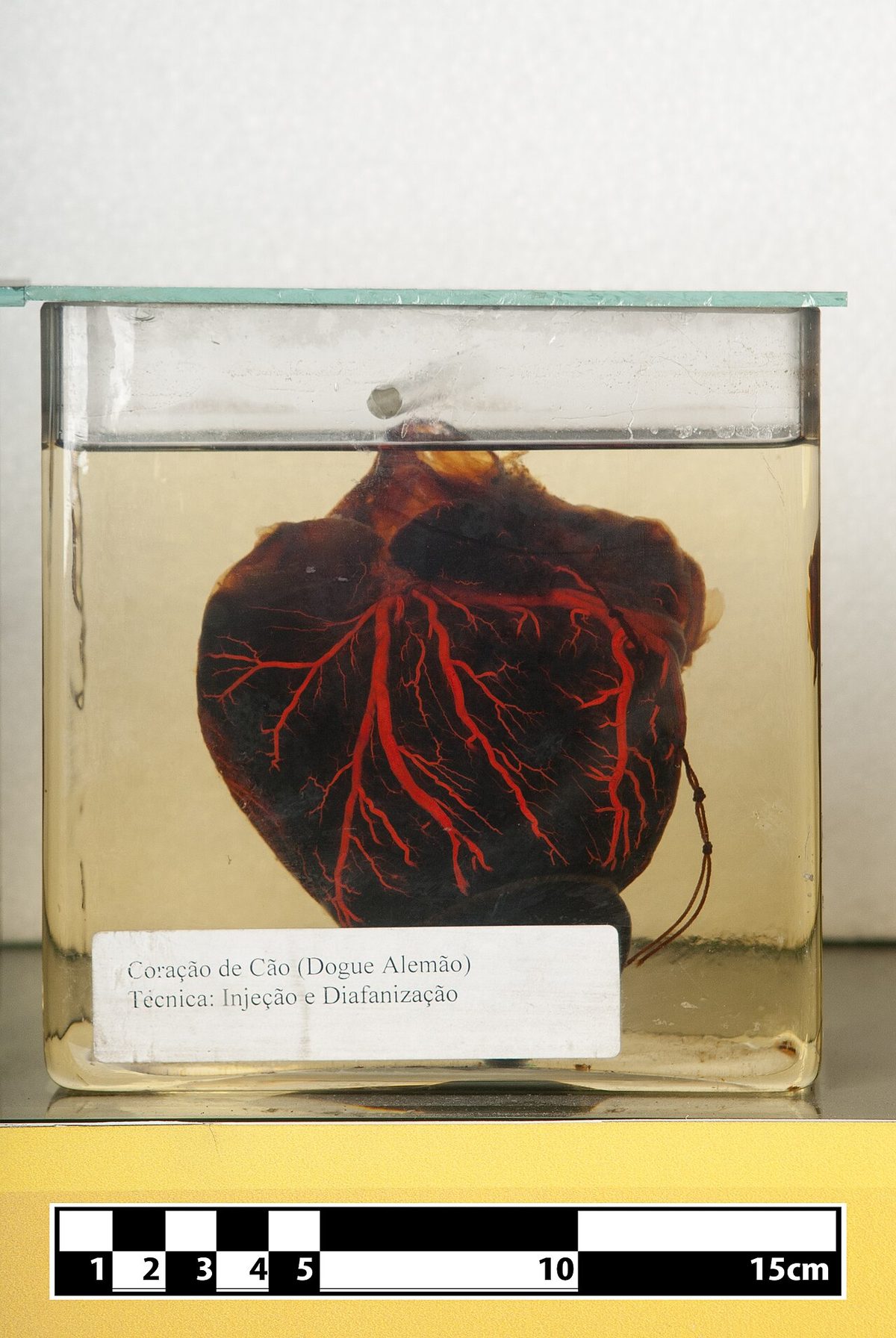
Elevated troponin levels in dogs are a significant indicator of potential cardiac issues, such as myocarditis or dilated cardiomyopathy (DCM). Troponin is a protein released into the bloodstream when heart muscle cells are damaged. In dogs, normal troponin levels range from 0.09-0.17 ng/mL. Levels above the reference interval are considered elevated, and those exceeding the reference interval are critical, warranting immediate veterinary attention. Recognizing these thresholds is crucial for pet owners, as early detection of elevated troponin can lead to timely intervention and improved outcomes.
Elevated troponin levels often correlate with underlying cardiac conditions. For instance, breeds such as Dobermans and Boxers are predisposed to DCM, a condition characterized by weakened heart muscles and impaired pumping ability. In these breeds, elevated troponin can serve as an early warning sign, prompting further diagnostic testing and potentially life-saving treatments. In dogs, medications like benazepril, an ACE inhibitor, may be used to manage heart failure symptoms and improve quality of life.
Early detection of elevated troponin levels can significantly impact the prognosis of affected dogs. Without timely intervention, cardiac conditions can progress, leading to heart failure or sudden cardiac death. By monitoring troponin levels, veterinarians can implement appropriate treatment plans, which may include medications, dietary changes, and regular monitoring. This proactive approach can extend a dog’s life and enhance its quality of life.
- Recognize the signs: Lethargy, coughing, and difficulty breathing can indicate cardiac issues.
- Regular check-ups: Routine veterinary visits can help detect elevated troponin levels early.
- Follow treatment plans: Adhering to prescribed medications and lifestyle changes is crucial for managing heart conditions.
In conclusion, understanding the significance of elevated troponin levels in dogs is vital for pet owners. By being aware of the potential implications and acting promptly, owners can ensure their pets receive the best possible care. This vigilance not only aids in early detection but also plays a critical role in managing and mitigating the progression of cardiac diseases.
What is Troponin and How Does It Affect Your Dog’s Heart?
Troponin is a protein complex found in cardiac muscle cells, playing a crucial role in muscle contraction. It consists of three subunits: troponin C, troponin I, and troponin T. These subunits work together to regulate the interaction between actin and myosin, the proteins responsible for muscle contraction. In dogs, as in humans, troponin is released into the bloodstream when heart muscle cells are damaged, making it a vital marker for assessing cardiac health.
Elevated troponin levels in dogs can indicate heart damage or stress. In healthy dogs, troponin levels typically range from 0.09-0.17 ng/mL. Levels above the reference interval are considered elevated, while values exceeding the reference interval are critical and may suggest significant cardiac injury or disease. Elevated troponin can be associated with conditions such as myocarditis, dilated cardiomyopathy (DCM), or other forms of cardiac stress.
Monitoring troponin levels is essential for diagnosing and managing heart conditions in dogs. For instance, breeds like Dobermans and Boxers are predisposed to DCM, a condition often accompanied by elevated cardiac biomarkers, including troponin. Recognizing these elevated levels early can lead to timely interventions, potentially improving outcomes for affected dogs.
In dogs, treatment options for heart conditions associated with elevated troponin may include medications such as benazepril or pimobendan, which help manage heart failure symptoms and improve cardiac function. Regular monitoring and veterinary check-ups are crucial for dogs with known heart conditions to ensure that any changes in troponin levels are promptly addressed.
What Are the Normal Troponin Levels in Dogs?

In dogs, troponin levels serve as a critical marker for cardiac health. Normal troponin levels in dogs range from 0.09-0.17 ng/mL. Levels above the reference interval are considered elevated and may indicate underlying cardiac issues, while levels exceeding the reference interval are deemed critical, often suggesting severe cardiac damage or conditions such as myocarditis. Veterinary internal medicine specialists recognize the importance of monitoring these levels to diagnose and manage cardiac conditions effectively.
Troponin is a protein complex involved in muscle contraction, and its presence in the bloodstream typically indicates cardiac muscle damage. Clinical experience shows that elevated troponin levels can result from various conditions, including dilated cardiomyopathy (DCM), which is prevalent in breeds like Dobermans and Boxers. In such cases, early detection through routine blood tests can be crucial for timely intervention and management.
| Troponin Level (ng/mL) | Clinical Interpretation |
|---|---|
| 0–0.1 | Normal |
| 0.2–1.0 | Elevated; investigate for cardiac issues |
| Above the reference interval | Critical; urgent evaluation for severe cardiac damage |
See the full reference intervals for the dog — every value cited to the laboratory document or paper it came from.
Routine laboratory analysis often reveals elevated troponin levels in dogs with cardiac conditions. For instance, in cases of myocarditis, inflammation of the heart muscle leads to increased troponin release into the bloodstream. This condition requires immediate veterinary attention to prevent further cardiac deterioration. In dogs, medications such as benazepril may be used to manage heart failure symptoms associated with elevated troponin levels.
Monitoring troponin levels is essential for dogs with known cardiac risks. Practitioners commonly observe that regular screening can help in the early detection of cardiac issues, allowing for timely intervention. For breeds predisposed to cardiac conditions, such as the Doberman, regular troponin level checks are recommended as part of a comprehensive cardiac health assessment. This proactive approach can significantly improve the quality of life and prognosis for affected dogs.
What Causes Elevated Troponin in Dogs?

Elevated troponin levels in dogs, defined as values exceeding the reference interval, can indicate cardiac damage. This biomarker is crucial for diagnosing conditions such as myocarditis (inflammation of the heart muscle) and other cardiac pathologies. Elevated troponin is often associated with myocardial injury, which can result from various underlying causes.
Myocarditis is a primary concern when troponin levels are elevated. This condition can arise from infectious agents, such as viruses or bacteria, leading to inflammation and damage to the heart muscle. In addition to myocarditis, other potential causes include trauma to the chest, which can directly injure the heart, and toxins that may affect cardiac function. Furthermore, systemic diseases like liver disease can indirectly lead to elevated troponin levels due to the overall stress on the body.
Certain breeds, such as Dobermans, are predisposed to dilated cardiomyopathy (DCM), a condition that can significantly elevate troponin levels. In these cases, the heart’s ability to pump blood is compromised, leading to increased cardiac biomarkers. Additionally, severe systemic infections or sepsis can cause elevated troponin due to the inflammatory response affecting the heart.
Reference intervals for the parameters discussed above, as published in the source panel for the dog:
| Parameter | Reference interval (dog) |
|---|---|
| Troponin I | 0.09-0.17 ng/mL |
Elevated troponin levels should prompt a thorough investigation into potential cardiac and systemic causes. Diagnostic protocols typically suggest echocardiography and additional blood tests to assess the heart’s structure and function. In dogs, medications such as benazepril may be used to manage heart conditions, while prednisolone can be prescribed for inflammatory causes like myocarditis. Early detection and appropriate management are crucial for improving outcomes in affected dogs.
How Does Troponin Compare to Other Cardiac Markers?
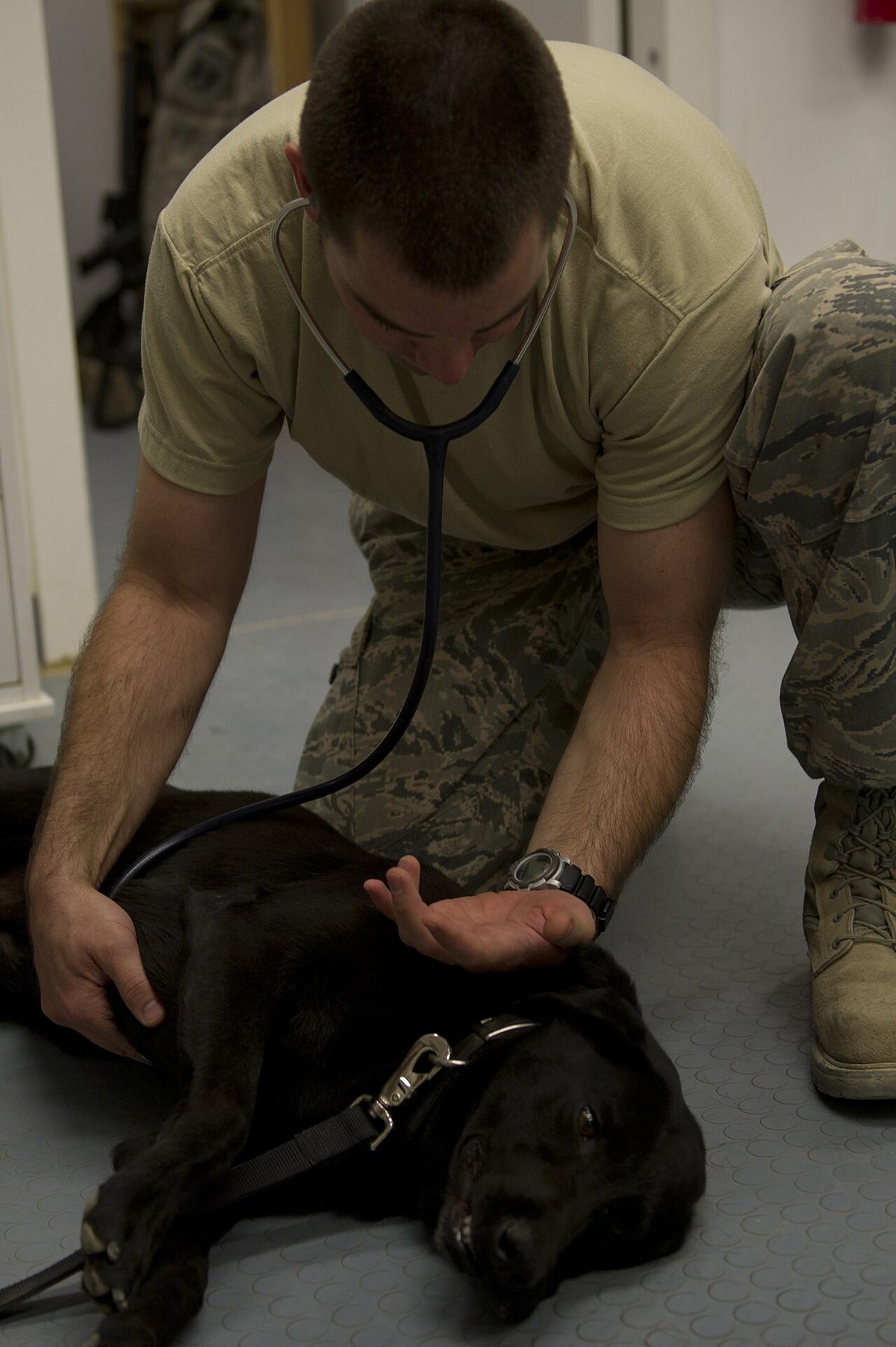
In veterinary cardiology, troponin and BNP (B-type natriuretic peptide) are pivotal markers for diagnosing heart conditions in dogs. Troponin, specifically cardiac troponin I, is a protein released into the bloodstream when heart muscle damage occurs. Elevated levels above the reference interval indicate myocardial injury, with critical levels exceeding the reference interval. In contrast, BNP is a hormone produced by the heart in response to increased pressure and volume overload, with elevated levels above the reference interval suggesting heart failure, and critical levels above the reference interval indicating severe cardiac stress.
While both markers are valuable, they serve different diagnostic purposes. Troponin is primarily used to detect acute myocardial injury, such as myocarditis or ischemic events. BNP, on the other hand, is more indicative of chronic conditions like congestive heart failure. This distinction is crucial for veterinarians when determining the underlying cause of cardiac symptoms in dogs.
Combining these markers can enhance diagnostic accuracy. For instance, a dog with elevated troponin and BNP levels may be experiencing both myocardial damage and heart failure, necessitating a comprehensive treatment approach. In dogs, medications such as benazepril may be used to manage heart failure, while prednisolone could be considered for inflammatory conditions like myocarditis.
| Marker | Normal Range | Clinical Interpretation |
|---|---|---|
| Troponin | 0.09-0.17 ng/mL | Indicates myocardial injury |
| BNP | Laboratory-specific | Suggests heart failure |
Integrating troponin and BNP measurements can provide a more comprehensive view of a dog’s cardiac health. This approach allows for targeted interventions, improving outcomes for conditions like dilated cardiomyopathy, especially in predisposed breeds such as Dobermans and Boxers.
How to Interpret Elevated Troponin Levels in Dogs?
Interpreting elevated troponin levels in dogs requires a systematic approach to differentiate between potential causes such as cardiac damage or myocarditis. Troponin levels above the reference interval are considered elevated, while levels exceeding the reference interval are critical and warrant immediate attention. Elevated troponin levels should be evaluated alongside other clinical signs and diagnostic tests to determine the underlying cause.
- Begin by confirming the troponin level. If the level is between 0.1 and 0.09-0.17 ng/mL, consider retesting to rule out transient elevations due to stress or minor injuries.
- For levels above the reference interval, assess the dog’s clinical history and symptoms. Look for signs of heart disease, such as coughing, exercise intolerance, or syncope (fainting).
- Conduct a thorough physical examination and consider additional tests like echocardiography or chest X-rays to evaluate heart structure and function.
- If troponin levels exceed the reference interval, initiate emergency protocols. Such levels are indicative of significant cardiac injury or acute myocarditis.
- Consider differential diagnoses, including dilated cardiomyopathy (DCM), especially in breeds like Dobermans, which are predisposed to this condition.
Integrating troponin results with other diagnostic data provides a comprehensive view of the dog’s cardiac health. In dogs, medications like benazepril may be used to manage heart conditions, but treatment should be tailored to the individual case.
Are Certain Breeds or Ages More Prone to Elevated Troponin?

Elevated troponin levels in dogs, defined as values exceeding the reference interval, can indicate cardiac damage or stress. While any dog can experience elevated troponin, certain breeds and age groups are more susceptible. Dobermans, Boxers, Great Danes, and Irish Wolfhounds are particularly prone to dilated cardiomyopathy (DCM), a condition often associated with elevated cardiac biomarkers like troponin. In these breeds, routine monitoring of troponin levels can be crucial for early detection and management of cardiac issues.
Age is another significant factor. Older dogs are more likely to experience cardiac issues, including myocarditis, which can lead to elevated troponin levels. Routine blood tests in senior dogs should include cardiac biomarkers to catch potential issues early. Dogs over the age of seven are at increased risk for heart disease, making regular veterinary check-ups essential.
Elevated troponin levels above the reference interval are critical and warrant immediate veterinary attention. If your dog exhibits symptoms such as lethargy, coughing, or difficulty breathing, and has elevated troponin levels, it is crucial to consult a veterinarian promptly. In dogs, medications like benazepril or pimobendan may be prescribed to manage heart conditions, but early intervention is key to improving outcomes.
While breed and age are important factors, it is essential to remember that elevated troponin can occur in any dog. Therefore, regular veterinary check-ups and blood tests are recommended for all dogs, regardless of breed or age. This proactive approach helps in the early detection of potential cardiac issues, allowing for timely intervention and management.
Frequently Asked Questions
What does an elevated troponin level indicate in dogs?
Elevated troponin levels in dogs, specifically above the reference interval, suggest cardiac muscle damage. This can be due to conditions such as myocarditis, which is inflammation of the heart muscle. Critical levels, above the reference interval, may indicate severe cardiac injury. Further diagnostic tests are recommended to determine the underlying cause. Early detection and treatment are crucial for better outcomes.
How is myocarditis diagnosed in dogs?
Myocarditis in dogs is diagnosed through a combination of clinical signs, blood tests, and imaging. Elevated troponin levels are a key marker, but echocardiography and electrocardiograms (ECG) are also used to assess heart function. A thorough examination by a veterinarian is essential for accurate diagnosis. Additional tests may include checking for infectious agents or immune-mediated causes.
Are certain dog breeds more prone to elevated troponin levels?
No strong breed predilection has been documented for elevated troponin levels in dogs. This condition can affect any breed, and it is more related to the underlying health issues rather than breed-specific factors. Widely accepted clinical guidelines recommend monitoring all dogs with symptoms of cardiac distress, regardless of breed.
What are the symptoms of myocarditis in dogs?
Symptoms of myocarditis in dogs can include lethargy, coughing, difficulty breathing, and fainting. Some dogs may also show signs of exercise intolerance or have an irregular heartbeat. Any sudden changes in a dog’s behavior or physical condition should prompt a veterinary consultation. Early intervention can improve the prognosis.
What treatment options are available for dogs with elevated troponin levels?
Treatment for dogs with elevated troponin levels focuses on addressing the underlying cause of cardiac damage. In dogs, medications such as pimobendan or enalapril may be considered to support heart function. Anti-inflammatory drugs might be used if myocarditis is suspected. A tailored treatment plan based on the specific diagnosis is most effective.
How often should a dog with elevated troponin levels be rechecked?
Recheck intervals for dogs with elevated troponin levels depend on the severity of the condition and the treatment plan. Typically, follow-up visits are recommended every few weeks initially, then adjusted based on the dog’s response to treatment. Current clinical consensus suggests regular monitoring to ensure the effectiveness of the treatment and to make necessary adjustments.
Can diet affect troponin levels in dogs?
While diet alone is unlikely to cause elevated troponin levels, a balanced diet supports overall heart health. Ensuring adequate nutrition can help manage underlying conditions that may contribute to cardiac issues. Widely accepted clinical guidelines recommend consulting with a veterinarian to tailor a diet plan that supports heart health, especially in dogs with known cardiac conditions.
What emergency signs should dog owners watch for in cases of elevated troponin?
Emergency signs in dogs with elevated troponin levels include sudden collapse, severe difficulty breathing, and unresponsiveness. These symptoms may indicate acute heart failure or severe myocarditis. Immediate veterinary attention is crucial if any of these signs are observed. Early intervention can be life-saving.
How can dog owners monitor their pet’s heart health at home?
Dog owners can monitor their pet’s heart health by observing changes in behavior, energy levels, and breathing patterns. Regularly checking for signs of distress, such as coughing or exercise intolerance, is important. Widely accepted clinical guidelines recommend routine veterinary check-ups to catch any potential issues early. Keeping a log of any symptoms can also be helpful for veterinary consultations.
Is there a link between elevated troponin and other organ issues in dogs?
Elevated troponin levels primarily indicate cardiac issues, but they can sometimes be associated with systemic conditions affecting other organs. For example, severe infections or inflammatory diseases can impact multiple systems, including the heart. In such cases, comprehensive blood tests may reveal concurrent issues, such as elevated BUN and creatinine, which could indicate kidney problems. For more information on kidney-related concerns, you can refer to this article on elevated BUN and creatinine in dogs: Elevated BUN and Creatinine in Dogs — Acute Kidney Injury or Chronic Failure?.
How high does troponin need to be in a dog to think of myocarditis?
Elevated troponin levels above the reference interval suggest cardiac muscle damage, which may indicate conditions like myocarditis. Critical levels above the reference interval often point to severe cardiac injury and warrant further diagnostic tests for accurate diagnosis.
What are the typical symptoms of myocarditis in dogs?
Symptoms include lethargy, coughing, difficulty breathing, fainting, exercise intolerance, and irregular heartbeat. Any sudden changes in behavior or physical condition should prompt a veterinary consultation for early intervention.
How is myocarditis diagnosed in dogs?
Myocarditis diagnosis involves clinical signs, blood tests (elevated troponin), echocardiography, and electrocardiograms. A thorough examination by a veterinarian is essential, with additional tests to check for infectious agents or immune-mediated causes.
Reference intervals — chemistry
Values below come from the dog chemistry reference panel; each figure links to the source it was taken from.
| Parameter | Reference interval (dog) |
|---|---|
| BUN | 9-26 mg/dL |
| Creatinine | 0.6-1.4 mg/dL |
Sources & Further Reading
This article draws on the following authoritative veterinary references. For your pet’s individual case, consult a licensed veterinarian.
- Merck Veterinary Manual — comprehensive clinical reference for veterinary practice
- ACVIM Consensus Statements — American College of Veterinary Internal Medicine
- Veterinary Clinical Pathology — clinical pathology research and case studies