Why Are Blood Tests Important for Cats with Diabetes?

Blood tests are crucial for managing diabetes in cats because they provide essential information about blood glucose levels and overall metabolic health. Glucose (71-182 mg/dL) is a key marker, reflecting the immediate concentration of sugar in the bloodstream. A value above the reference range indicates hyperglycemia, which can be associated with uncontrolled diabetes or other stressors like infection or inflammation. Fructosamine (219-365 µmol/L), another important parameter, measures glycemic control over a longer period—typically 2 to 3 weeks. Elevated fructosamine levels suggest poor glucose regulation and may indicate that the treatment plan needs revisiting by your veterinarian. Both markers should be interpreted alongside other clinical findings such as body condition score, water intake, and urinary glucose. For instance, if a cat with diabetes has an elevated body condition score along with high blood glucose levels, it might suggest that the diet or the treatment plan needs revisiting; those decisions belong to your veterinarian. Abnormal results on these tests often prompt further investigation into underlying causes of hyperglycemia, including stress-induced hyperglycaemia, concurrent illness, or treatment that is no longer matched to the cat. Comprehensive blood work also helps monitor for complications like ketoacidosis, which can be life-threatening if not addressed promptly. Early detection through regular testing allows for timely intervention and better management of diabetes in cats. Veterinarians may consider additional tests such as serum ketones (β-hydroxybutyrate) to assess metabolic status or urinalysis to check for glucose and ketone presence, further refining the diagnosis and treatment plan. Regular monitoring ensures that diabetic cats receive optimal care tailored to their specific needs. For example, if a cat’s blood test results show consistently high levels of serum ketones, it could indicate that the body is breaking down fat for energy because the body cannot use glucose for energy, which leads to ketoacidosis. This condition requires immediate medical attention and possibly hospitalization. In summary, regular blood tests are vital in managing diabetes in cats as they help track glucose levels, monitor long-term glycemic control, identify potential complications early on, and guide necessary adjustments in treatment plans.
What Is Glucose and Why Does It Matter in Diabetic Cats?
Glucose is a simple sugar that serves as the primary energy source for cells throughout the body. In diabetic cats, glucose regulation becomes impaired due to either insufficient insulin production or reduced sensitivity to insulin, leading to elevated blood glucose levels. The normal reference range for glucose in cats is 71-182 mg/dL.
High glucose levels (hyperglycemia) indicate that a cat’s body is not effectively using or producing enough insulin to regulate blood sugar properly. This can lead to various clinical signs such as increased thirst, frequent urination, weight loss despite an appetite, and lethargy. Persistent hyperglycemia without proper management can result in more severe complications like diabetic ketoacidosis (DKA), which is a medical emergency.
Glucose levels should be interpreted alongside other markers such as fructosamine, which reflects average blood glucose control over the past two to three weeks. Additionally, monitoring for ketones and electrolyte imbalances can provide further insight into the metabolic status of diabetic cats. For instance, if a cat is experiencing persistent hyperglycemia despite dietary adjustments and insulin therapy, these additional tests may help identify underlying issues that need addressing.
- Fructosamine: This test measures glycated proteins in the bloodstream, providing an indication of long-term blood glucose control. Elevated fructosamine levels suggest poor regulation of blood sugar over time and can guide adjustments to treatment plans.
- Ketone Levels: Elevated ketones suggest that the body is breaking down fat for energy due to insufficient insulin availability. This condition, known as ketosis, can be a precursor to DKA if left untreated.
Veterinarians may consider further tests such as a complete blood count (CBC) and serum biochemistry panel to assess overall health status, particularly in cases where hyperglycemia persists despite treatment adjustments. These additional tests help rule out other conditions that might complicate diabetes management or contribute to poor glucose control.
Treatment typically involves dietary management, regular glucose monitoring, and administration of insulin under veterinary guidance. Dietary changes often include reducing carbohydrates and increasing fiber content in the diet to stabilize blood sugar levels more effectively. Regular monitoring is crucial for adjusting insulin doses appropriately and ensuring that the cat remains healthy without experiencing hypoglycemia.
Normal Blood Sugar Levels for Cats with Diabetes

Blood sugar levels, also known as glucose levels, are crucial in managing diabetes mellitus in cats. Elevated blood glucose is a hallmark of uncontrolled diabetes and can lead to serious complications if left untreated. Maintaining normal blood sugar levels helps prevent the development of secondary conditions such as ketoacidosis or feline kidney disease.
The normal reference range for fasting blood glucose in cats is 71-182 mg/dL. In diabetic cats, it’s essential to maintain blood sugar within this range to avoid complications. Blood glucose monitoring and regular veterinary check-ups are critical components of diabetes management in felines.
- Diabetes Mellitus: Chronic hyperglycemia due to insulin deficiency or resistance can lead to various health issues, including weight loss, increased thirst, frequent urination, and lethargy. Proper diagnosis involves blood tests that measure glucose levels over time.
- Infection or Stress: Acute stress responses can temporarily elevate blood glucose levels in cats. This is a common occurrence during veterinary visits but should not be confused with chronic hyperglycemia associated with diabetes mellitus. It’s important to differentiate between transient and persistent elevations in blood sugar.
- Pancreatitis: Inflammation of the pancreas can disrupt normal glucose regulation, leading to fluctuations in blood sugar levels. Cats suffering from pancreatitis may exhibit symptoms such as vomiting, lethargy, and abdominal pain. Blood tests are crucial for diagnosing this condition and managing its impact on diabetes.
The veterinarian may then prescribe insulin therapy to manage hyperglycemia. The exact type, dose, and administration schedule of insulin are determined by the attending veterinarian based on individual needs. Regular monitoring through blood glucose testing helps ensure that the treatment plan is effective and can be adjusted as necessary.
| Marker | Normal Range | Possible Causes |
|---|---|---|
| Glucose | 71-182 mg/dL | Diabetes mellitus, infection or stress, pancreatitis. |
| Fructosamine | 219-365 µmol/L | Chronic hyperglycemia, poor glycemic control. |
| Insulin | Laboratory-specific | Diabetes mellitus, insulin resistance. |
| fructosamine | Laboratory-specific | Chronic hyperglycemia, poor glycemic control. |
| C-peptide | Laboratory-specific | Diabetes mellitus, insulin resistance. |
What Can Cause Abnormal Glucose Levels in Diabetic Cats?
In diabetic cats, abnormal glucose levels can indicate several underlying issues that require veterinary attention. Elevated blood glucose (hyperglycemia) is a hallmark of diabetes mellitus and may also occur due to stress or other metabolic disorders such as hyperthyroidism, feline hyperthyroidism or Cushing’s disease. Conversely, low blood glucose (hypoglycemia) can be dangerous and typically indicates an imbalance in insulin therapy, often resulting from excessive insulin administration or missed meals.
Glucose levels are closely monitored in diabetic cats because they reflect the effectiveness of treatment and overall health status. A value above the normal reference range—especially alongside fructosamine—points toward poor glycemic control or potential complications such as ketoacidosis, warranting immediate veterinary evaluation. For instance, persistent hyperglycemia can lead to chronic complications like cataracts, urinary tract infections, and neuropathy.
- Diabetes Mellitus: Chronic hyperglycemia due to insulin deficiency or resistance. This condition is characterized by high blood glucose levels that persist over time despite treatment adjustments.
- Ketoacidosis: Severe metabolic disturbance characterized by high blood glucose and ketones, often resulting from inadequate insulin therapy or other stressors like infection or dehydration.
- Hypoglycemia: Potentially life-threatening condition where blood glucose levels drop too low, often due to excessive insulin administration. This can occur if the cat misses a meal or receives more of its medication than the current plan calls for.
The veterinarian may then prescribe appropriate treatment such as adjusting insulin dosage or providing intravenous fluids to stabilize the cat’s metabolic status. The exact dose and method are determined by the attending veterinarian based on individual assessment, taking into account factors like the cat’s weight, activity level, and overall health condition.
| Parameter | Normal Range |
|---|---|
| Glucose | 71-182 mg/dL |
| Fructosamine | 219-365 µmol/L |
How Does Blood Sugar Compare with Other Diabetes Markers?

Blood sugar, measured as glucose in a cat’s blood sample, is a critical marker for diagnosing and monitoring diabetes mellitus. Elevated glucose levels indicate impaired insulin function or resistance, leading to hyperglycemia. In cats, high glucose can be associated with genetic predispositions such as those seen in Burmese cats. Blood glucose testing provides immediate information about the cat’s current blood sugar status, which is crucial for acute management decisions.
Fructosamine is another important marker used alongside blood glucose to assess long-term glycemic control over the past two to three weeks. It reflects the average blood sugar levels and provides a more comprehensive picture of diabetes management than a single glucose measurement can offer. Fructosamine testing helps veterinarians adjust insulin therapy and dietary interventions for better regulation, ensuring that the cat’s overall health is maintained over time.
When evaluating diabetes in cats, it is essential to consider other markers such as ketones and glycosuria. Ketone bodies indicate the breakdown of fat for energy due to insufficient glucose utilization, which can be dangerous if not managed promptly. Elevated ketone levels may suggest that the cat’s body is switching from using glucose to burning fat for energy, a condition known as diabetic ketoacidosis (DKA), which requires immediate medical intervention.
Glycosuria, or the presence of sugar in urine, confirms that blood glucose levels have exceeded renal threshold (approximately the reference range), indicating uncontrolled diabetes. This marker is particularly useful for monitoring cats with suspected hyperglycemia but normal blood glucose readings due to stress-induced hyperglycemia or other factors.
| Marker | Normal Range | What It Adds |
|---|---|---|
| Glucose | 71-182 mg/dL | Indicates immediate blood sugar levels and acute hyperglycemia. |
| Fructosamine | 219-365 µmol/L | Reflects long-term glycemic control over 2-3 weeks. |
| Ketones | Laboratory-specific | Indicates fat metabolism and potential ketoacidosis. |
| Glycosuria | Laboratory-specific | Confirms uncontrolled diabetes when blood glucose exceeds renal threshold. |
What Do Abnormal Glucose Levels Mean for My Diabetic Cat?
In a diabetic cat, abnormal glucose levels indicate that blood sugar control is out of balance. A value above the normal reference range — especially alongside fructosamine — points toward poor glycemic control and warrants veterinary evaluation.
Glucose levels in cats are crucial for monitoring diabetes management. Elevated glucose can indicate inadequate insulin therapy or dietary carbohydrate intake, while low glucose may suggest excessive insulin administration or missed meals. The veterinarian will assess the cat’s overall health, diet, and insulin regimen to determine appropriate adjustments. For instance, if a diabetic cat consistently shows elevated blood glucose levels despite regular insulin injections, it might be necessary to adjust the dosage or timing of insulin administration.
| Finding | What it may suggest | Suggested next step |
|---|---|---|
| Above the reference range | Poor glycemic control, potential for diabetic complications such as ketoacidosis or cataracts. | Review insulin regimen and diet with the veterinarian. Consider blood glucose monitoring at home. |
| Below the reference range | Risk of hypoglycemia, which can lead to seizures or collapse. | Adjust insulin dose and timing under veterinary guidance. Ensure the cat is eating regularly. |
Abnormal glucose levels in diabetic cats require prompt attention from a veterinarian. Elevated glucose can indicate inadequate insulin therapy or dietary carbohydrate intake, leading to complications such as ketoacidosis or cataracts. Conversely, low glucose may suggest excessive insulin administration or missed meals, posing risks of hypoglycemia and associated symptoms like lethargy, tremors, or seizures.
The veterinarian will assess the cat’s overall health, diet, and insulin regimen to determine appropriate adjustments. Regular monitoring at home can help identify trends early and prevent complications. Blood glucose levels should be managed closely with veterinary oversight to ensure optimal control of diabetes in cats. For example, if a diabetic cat shows persistent high blood sugar readings despite dietary changes, the vet might recommend switching to a different type of insulin or adjusting meal times.
Are There Differences in Blood Sugar Levels Based on Breed or Age?
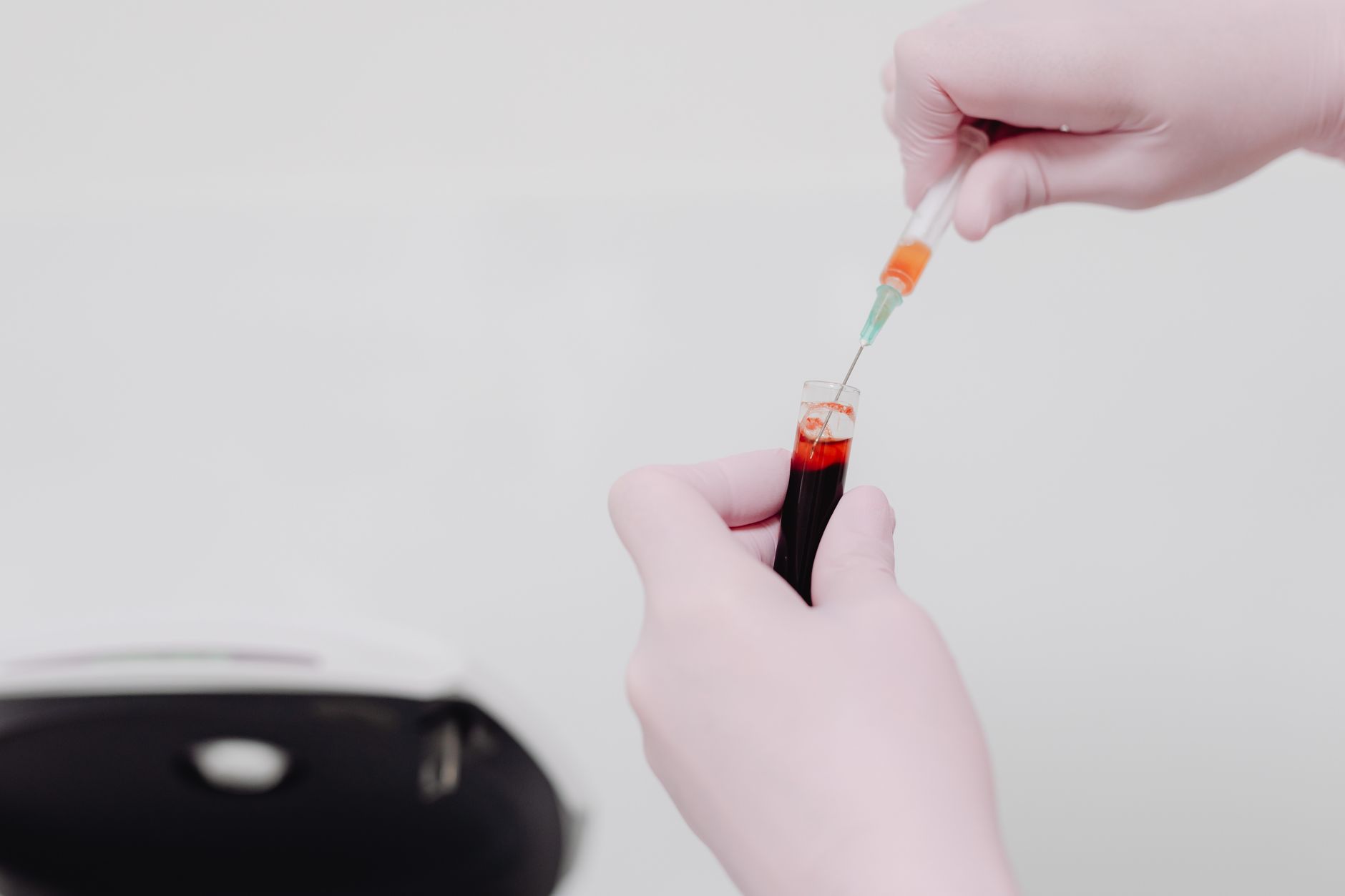
Blood sugar levels, also known as glucose levels, are crucial indicators of a cat’s metabolic health. Glucose is the primary energy source for cells and its regulation is tightly controlled by hormones such as insulin and glucagon. In cats, blood sugar levels can vary based on age and certain breeds may have genetic predispositions that affect their metabolism.
For instance, Burmese cats are known to have a higher genetic predisposition towards developing diabetes mellitus compared to other cat breeds. This means that Burmese cats might require closer monitoring of their blood sugar levels throughout their lives due to this increased risk. However, no strong breed predilection has been documented for glucose levels in non-Burmese context cats.
Age also plays a significant role in how blood sugar levels are managed and interpreted. Kittens have higher metabolic demands compared to adult cats, which can result in slightly elevated glucose levels that fall within the normal reference range. As cats age, particularly after 10 years of age, they may develop conditions such as hyperthyroidism or chronic kidney disease, both of which can affect blood sugar regulation.
It is important to note that while certain breeds and age groups might have a higher predisposition for metabolic disorders like diabetes mellitus, glucose levels should always be interpreted alongside other clinical findings. Elevated glucose levels (above the reference range) may indicate conditions such as diabetes or stress-induced hyperglycemia, but they do not confirm these diagnoses on their own.
Further tests that might be considered by a veterinarian include fructosamine testing to evaluate long-term blood sugar control and insulin therapy if necessary. The veterinarian will determine the appropriate course of action based on the cat’s overall health status and clinical signs, including conditions like hyperthyroidism or chronic kidney disease.
For more information on how these conditions impact blood test results in cats, see our articles on feline hyperthyroidism and its impact on T4 blood test results and high cholesterol in cats — diabetes, hyperthyroidism, hepatic disease.
How Is Diabetes Treated in Cats and What Monitoring is Needed?
Treating diabetes mellitus in cats involves managing blood glucose levels to prevent complications such as ketoacidosis, cataracts, and neuropathy. The primary treatment for feline diabetes is insulin therapy, which helps regulate blood sugar by mimicking the body’s natural hormone that lowers glucose levels.
- Insulin: The veterinarian may prescribe insulin injections to be given at home. Insulin type (e.g., short-acting or intermediate-acting) and dose are determined based on the cat’s response, blood glucose monitoring, and clinical signs. For example, a common initial regimen might involve twice-daily injections of an intermediate-acting insulin like glargine.
Besides insulin therapy, dietary management is crucial for diabetic cats. A high-protein, low-carbohydrate diet can help stabilize blood sugar levels and reduce weight if necessary. The veterinarian may recommend a specific commercial prescription diet or provide guidelines for homemade meals. For instance, diets like Royal Canin Diabetic DS or Hill’s Prescription Diet m/d are often recommended.
| Parameter | Normal range |
|---|---|
| Glucose | 71-182 mg/dL |
| Fructosamine | 219-365 µmol/L |
Monitoring blood glucose levels at home is essential to adjust insulin doses and dietary management. Regular veterinary check-ups are also necessary for further testing, such as measuring fructosamine (a marker of long-term glucose control) and assessing overall health.
- Fructosamine: This test evaluates the average blood sugar levels over a period of 2-3 weeks. A value above the reference range indicates poor glycemic control, warranting further investigation by the veterinarian.
In addition to insulin and diet management, regular exercise can help improve glucose regulation in diabetic cats. However, it is crucial to tailor an exercise plan based on the cat’s overall health and activity level under veterinary guidance. For example, a moderate play session with interactive toys or short walks on a leash can be beneficial.
Regular monitoring of blood glucose levels at home typically involves using a glucometer designed for pets. This allows owners to track fluctuations in blood sugar throughout the day and make necessary adjustments to insulin dosages under veterinary supervision. Additionally, periodic visits to the veterinarian are essential for comprehensive health assessments, including complete blood counts (CBC), biochemical profiles, and urinalysis.
For more information on interpreting glucose and fructosamine levels in diabetic cats, see our article Cat Diabetes Blood Test Results — Glucose and Fructosamine.
What Is the Long-Term Outlook for Cats with Diabetes?

The long-term outlook for cats diagnosed with diabetes mellitus depends on several factors, including early diagnosis and effective management. High glucose levels in a cat indicate that the pancreas is not producing enough insulin or that the body’s cells are resistant to its effects. A value above the normal reference range points toward hyperglycemia and warrants veterinary evaluation.
Diabetes in cats can often be managed with proper diet, weight management, and insulin therapy. The veterinarian may then prescribe insulin injections or other medications as needed to control blood sugar levels. Early intervention is crucial for preventing complications such as diabetic neuropathy, cataracts, and urinary tract infections.
The prognosis generally improves when diabetes is well-managed through regular monitoring of glucose levels and adjustments in treatment by the veterinarian. Cats with Burmese breed may have a genetic predisposition to develop diabetes, but this does not necessarily mean they will all get the disease. Regular check-ups and early detection are key.
Owners play an essential role in managing their cat’s condition by monitoring for signs of hypoglycemia (low blood sugar) such as lethargy, weakness, or seizures, which can occur if insulin doses are too high. The veterinarian will determine the appropriate treatment plan and monitor progress over time.
It is important to note that while diabetes in cats can be managed effectively with proper care, it typically requires lifelong management. Regular veterinary visits and adherence to prescribed treatments significantly improve quality of life for affected cats.
Frequently Asked Questions
What does fructosamine measure in my diabetic cat?
Fructosamine measures your cat’s average glucose levels over the past two to three weeks by assessing how much sugar has attached to proteins in their bloodstream.
Why might my cat’s ALT level be elevated?
An elevated ALT level can indicate liver damage or inflammation in your cat, which may need further investigation such as additional liver function tests or imaging studies.
How do creatinine levels help diagnose kidney issues in cats?
Creatinine levels reflect kidney filtration capacity; higher than normal values suggest reduced kidney function, indicating possible chronic kidney disease that requires ongoing management.
Is there a specific range for potassium in healthy cats?
Potassium levels should remain within the reference ranger muscle and nerve function in your cat.
Can high cholesterol affect my cat’s health?
High cholesterol can contribute to cardiovascular diseases like heart disease in cats, necessitating dietary changes and regular monitoring by your veterinarian.
What could cause low albumin levels in my cat?
Low albumin levels often signal protein loss due to conditions like intestinal disorders or kidney disease, requiring detailed examination and treatment planning.
Does my cat have diabetes if they have hyperglycemia?
Hyperglycemia alone doesn’t definitively diagnose diabetes; persistent high blood glucose levels along with clinical signs warrant further testing like fructosamine to assess long-term control.
What causes thrombocytosis in cats?
Thrombocytosis refers to an increase in platelet count, commonly seen after stress or infection but also potentially linked to bone marrow stimulation or splenectomy.
Are iron-deficiency (microcytic) anemia common in diabetic cats?
Iron-deficiency anemia involves small red blood cells and typically results from chronic blood loss rather than diet deficiency, impacting oxygen delivery to tissues.
Why would my cat need PT and aPTT tests?
PT and aPTT tests measure clotting times, essential for diagnosing bleeding disorders or assessing coagulation status before surgery in diabetic cats.
How does fructosamine help manage my cat’s diabetes?
Fructosamine provides insight into average blood sugar control over weeks, guiding the changes your veterinarian makes to treatment and diet.
Do kidney diseases show up differently on blood panels compared to other organs?
Kidney disease often manifests through elevated creatinine and BUN levels, distinct markers that require specialized care focusing on hydration and renal support.
Sources & Further Reading
This article draws on the following authoritative veterinary references. For your pet’s individual case, consult a licensed veterinarian.
- Merck Veterinary Manual — comprehensive clinical reference for veterinary practice
- AAFP Feline Guidelines — American Association of Feline Practitioners
Cite this articleMarcin Siedlecki. Blood Test Results in Cats with Diabetes – What to Expect. VetBlood, 2026. https://vetblood.io/blog/blood-test-results-in-cats-with-diabetes-what-to-expect/Feel free to quote or reference this article, in whole or in part, with attribution and a link back.