Understanding Elevated ALT Levels in Cats with Chronic Kidney Disease
Understanding Elevated ALT Levels in Cats with Chronic Kidney Disease
Wondering what a full interpretation looks like? See a sample report →
Why Should Cat Owners Care About Elevated ALT Levels?

Elevated alanine aminotransferase (ALT) levels in cats are a critical indicator of liver health, particularly concerning for those already managing chronic kidney disease (CKD). Monitoring ALT levels is essential because it can signal underlying issues that may exacerbate CKD or indicate the onset of additional organ dysfunction. Elevated ALT levels above the reference interval suggest hepatocellular damage and warrant immediate attention to prevent further complications.
ALT is an enzyme primarily found in liver cells; when these cells are damaged, ALT leaks into the bloodstream, causing elevated blood levels. In cats with CKD, this elevation can be a sign of concurrent hepatic disease or drug-induced liver injury. For instance, certain medications used to manage CKD symptoms, such as pain relief drugs like meloxicam, may cause hepatotoxicity leading to elevated ALT levels. Cats with both CKD and liver dysfunction have a poorer prognosis compared to those with CKD alone.
Understanding the significance of ALT levels is crucial for cat owners because it can influence treatment decisions and lifestyle adjustments. For example, if an owner notices their cat’s ALT level rising above the reference interval, they should consult their veterinarian immediately to assess potential causes such as drug toxicity or liver disease progression. Early intervention can help mitigate further damage and improve the cat’s quality of life.
- Monitor ALT levels regularly in cats with CKD to detect early signs of liver dysfunction.
- If ALT levels exceed the reference interval, investigate potential causes such as drug-induced hepatotoxicity or underlying liver disease.
- Elevated ALT levels should prompt a comprehensive evaluation including additional blood tests and imaging studies to determine the cause and appropriate treatment plan.
What is ALT and Why Does It Matter?
The alanine aminotransferase (ALT) enzyme plays a crucial role in liver function, serving as an indicator of hepatocellular damage. Elevated levels of ALT are often the first sign that something is amiss within the feline liver. In cats with chronic kidney disease (CKD), monitoring ALT levels can provide valuable insights into concurrent hepatic health and potential complications.
ALT is primarily found in liver cells, where it catalyzes the conversion of alanine to pyruvate. When hepatocytes are damaged or die, ALT leaks into the bloodstream, leading to elevated serum concentrations. This makes ALT a sensitive marker for liver injury, though its specificity can be limited due to its presence in other tissues like skeletal muscle and heart.
normal ALT levels in cats range from 28-109 U/L. Levels above this range indicate potential liver dysfunction or damage. Specifically, an ALT level greater than the reference interval is considered elevated and warrants further investigation into the underlying cause of hepatic injury. Critical values exceeding the reference interval suggest severe hepatocellular necrosis and require immediate medical intervention.
- ALT levels can rise due to various conditions such as liver disease, hyperthyroidism, or drug toxicity (see ALT Levels in Cats: What a High Result Means).
- In cats with CKD, elevated ALT may indicate the presence of hepatic lipidosis or cholangitis (see Elevated ALP and GGT in Cats — Cholangitis, Hepatic Lipidosis, or Cancer?).
Understanding ALT Reference Ranges in Cats

The alanine aminotransferase (ALT) test is a crucial biomarker used to assess liver health in cats. Elevated levels of ALT can indicate hepatocellular damage or dysfunction, which may be associated with various conditions such as hepatic lipidosis, cholangitis, or drug-induced toxicity. According to veterinary literature consistently reported, the normal range for ALT in cats is 28-109 U/L.
When interpreting ALT levels, it’s important to recognize that values above this range can signal potential liver issues. Specifically, an ALT level greater than the reference interval is considered elevated and warrants further investigation into possible causes of hepatic injury or disease. Critical levels, defined as outside the reference interval, indicate severe hepatocellular damage and require immediate medical attention.
It’s crucial to understand that while elevated ALT can be indicative of liver problems, it may also rise due to other factors such as muscle injury or certain medications. Therefore, a comprehensive approach involving additional diagnostic tests like ALP (alkaline phosphatase) and GGT (gamma-glutamyl transferase), along with imaging studies if necessary, is often required for accurate diagnosis.
| ALT Level (U/L) | Clinical Interpretation |
|---|---|
| 10–100 | Normal liver function; no evidence of hepatocellular damage. |
| 151–300 | Elevated ALT, indicating possible liver injury or disease; further investigation recommended. |
| Above the reference interval–500 | Significantly elevated ALT, suggesting moderate hepatocellular damage; consider additional diagnostic tests. |
| Above the reference interval | Critical levels indicate severe liver injury or disease; urgent medical intervention required. |
See the full reference intervals for the cat — every value cited to the laboratory document or paper it came from.
In cats with chronic kidney disease (CKD), monitoring ALT alongside other liver enzymes can provide a more comprehensive picture of overall health. For instance, if a cat is on medications like maropitant, which may cause elevated ALT levels as a side effect, regular testing and dose adjustments are necessary to minimize potential hepatotoxicity.
To summarize, understanding the reference ranges for ALT in cats is essential for accurate diagnosis and management of liver-related conditions. By recognizing when ALT levels exceed normal limits and interpreting these results within the context of other clinical findings, veterinarians can provide more effective care for their feline patients.
What Causes Elevated ALT Levels in Cats with CKD?

Elevated alanine aminotransferase (ALT) levels in cats with chronic kidney disease (CKD) can be indicative of liver dysfunction or other underlying conditions. While CKD primarily affects renal function, it can also lead to secondary hepatic issues due to metabolic stress and toxin accumulation.
One common cause of elevated ALT is concurrent liver disease, such as cholangitis or hepatic lipidosis. Cholangitis involves inflammation of the bile ducts, which can be triggered by bacterial infections or immune-mediated processes. This condition often results in increased levels of both ALP and GGT alongside ALT, indicating a broader hepatobiliary issue.
- Cholangitis: Inflammation of the bile ducts leads to elevated ALP (normal: 11-49 U/L; outside the reference interval indicates liver disease), GGT (normal: 0-2 U/L; outside the reference interval suggests cholestasis or hepatocellular damage), and ALT (normal: 28-109 U/L; outside the reference interval indicates liver injury).
- Hepatic Lipidosis: This condition, often triggered by anorexia in cats, results in fat accumulation within the liver cells. It typically causes elevated ALT levels without significant changes in ALP or GGT.
In addition to liver disease, other conditions can affect ALT readings in cats with CKD. For example, certain medications used to manage CKD symptoms may cause hepatotoxicity and elevate ALT levels. Nonsteroidal anti-inflammatory drugs (NSAIDs) like meloxicam can lead to elevated ALT if administered at high doses or for prolonged periods.
Reference intervals for the parameters discussed above, as published in the source panel for the cat:
| Parameter | Reference interval (cat) |
|---|---|
| ALT | 28-109 U/L |
| ALP | 11-49 U/L |
| GGT | 0-2 U/L |
How Does ALT Compare to Other Blood Parameters in Cats with CKD?
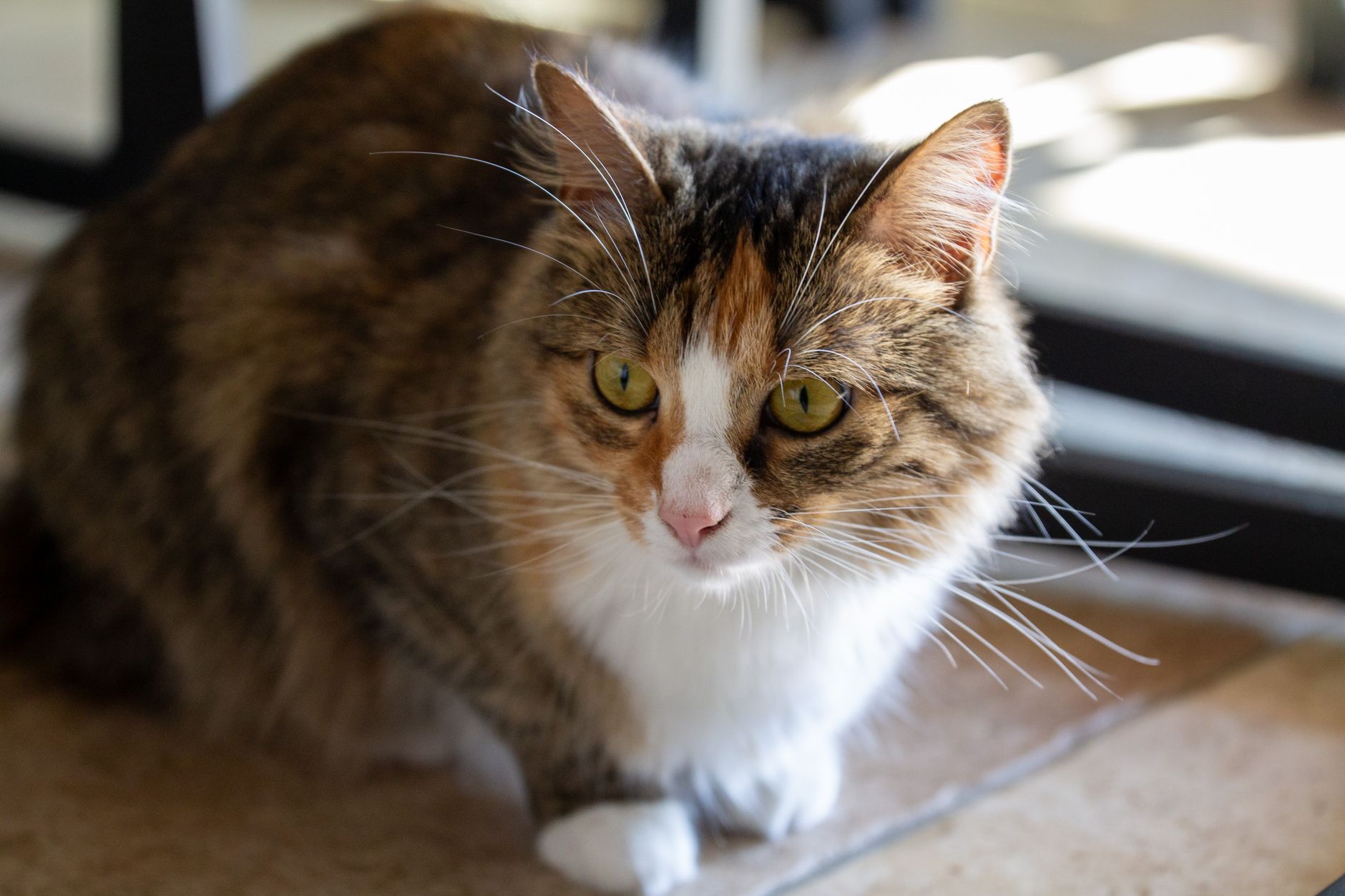
Elevated alanine aminotransferase (ALT) levels can be indicative of liver dysfunction, but they must be interpreted alongside other blood parameters to provide a comprehensive understanding of a cat’s health status. In cats with chronic kidney disease (CKD), ALT levels should be compared to blood urea nitrogen (BUN) and creatinine levels, as well as other liver enzymes like AST.
While elevated ALT is often associated with liver issues, it can also rise due to non-hepatocellular causes such as muscle damage or certain medications. Therefore, a holistic approach involving multiple blood parameters is crucial for accurate diagnosis and management of CKD in cats. For instance, if a cat’s ALT levels are above the reference interval but BUN and creatinine remain within normal ranges (outside the reference interval and outside the reference interval respectively), it may suggest an isolated liver issue rather than concurrent kidney disease.
It is important to note that AST, another liver enzyme, should also be considered alongside ALT. While both enzymes can indicate liver damage, their patterns of elevation differ based on the underlying cause. For example, if a cat has elevated ALT but normal or only slightly elevated AST (outside the reference interval), it may point towards hepatocellular injury rather than muscle-related causes.