Wondering what a full interpretation looks like? See a sample report →
Why Is High BUN in Goats Important?

It is crucial for veterinarians and goat owners alike to understand that a high BUN isn’t always indicative of kidney disease. Dietary factors can significantly influence BUN levels in goats. For example, a diet rich in protein can temporarily elevate BUN without indicating any renal impairment. This makes interpreting elevated BUN values challenging and underscores the need for a thorough clinical evaluation.
When a goat’s BUN is above the reference range (10-35 mg/dL), veterinarians consider additional tests to pinpoint the cause. These might include assessing hydration status through physical examination, checking creatinine levels (another marker of kidney function) which has its own reference interval dependent on laboratory standards and must be read from the goat’s lab report, or evaluating urine output and composition. Understanding these factors helps in distinguishing between dietary influences and true renal pathology.
For instance, a veterinarian might observe that while a goat’s BUN is elevated, there are no signs of kidney damage such as proteinuria (protein in the urine) or hematuria (blood in the urine). In this case, the high BUN could be attributed to dietary factors rather than renal disease. However, if other markers like creatinine and urinalysis results also indicate dysfunction, then a diagnosis of kidney disease becomes more likely.
Therefore, it is essential for goat owners and veterinarians to approach elevated BUN levels with caution and thoroughness. A comprehensive clinical evaluation that includes dietary history, physical examination findings, and laboratory tests can help in accurately diagnosing the cause of high BUN levels in goats.
What Is Blood Urea Nitrogen (BUN)?
Blood urea nitrogen, often abbreviated as BUN, is a marker that reflects how well your goat’s body processes protein and eliminates waste. It measures the amount of urea, a byproduct of protein breakdown, in the blood. When proteins are broken down in the liver, they produce ammonia, which is converted into urea before being excreted by the kidneys. Therefore, BUN gives us insight into both liver function and kidney health.
In goats, BUN levels can rise due to several factors related to protein metabolism or kidney function. For instance, a high-protein diet can increase BUN because more protein is broken down in the body, leading to higher urea production. This is particularly relevant for dairy goats that require a high-protein diet to maintain milk production. Conversely, if the kidneys are not functioning properly and cannot efficiently remove urea from the blood, BUN levels will also rise. This makes BUN an important indicator of kidney health, as well as a reflection of dietary habits.
Understanding BUN is crucial because it helps veterinarians assess whether elevated levels are due to reduced kidney function or simply a result of diet. For example, if your goat has recently consumed a meal high in protein, you might see an increase in BUN that isn’t necessarily indicative of kidney disease (high-protein diet effects). However, persistent elevations can signal underlying health issues such as dehydration, gastrointestinal bleeding, or actual kidney dysfunction. In clinical settings, veterinarians often look at trends over time and compare results with other markers like creatinine to better understand the cause of elevated BUN levels (kidney function assessment).
It is important to note that while a high-protein diet can temporarily elevate BUN levels, chronic elevations are more concerning as they may indicate kidney impairment (early kidney disease detection). Monitoring BUN alongside other clinical signs and laboratory tests helps in making an accurate diagnosis and guiding appropriate treatment plans for your goat’s health.
Normal BUN Levels for Goats

The blood urea nitrogen (BUN) test measures the amount of waste product in your goat’s bloodstream. This marker is particularly useful because it can indicate how well the kidneys are functioning, but it also reflects protein metabolism and hydration status. For goats, a normal BUN level falls within 10-35 mg/dL.
When interpreting BUN levels, it’s important to understand that this value can be influenced by several factors beyond kidney function alone. A high-protein diet or dehydration can cause an elevated BUN reading, while liver disease or malnutrition might result in a lower than normal level. Therefore, any deviation from the reference range should prompt further investigation into these potential causes.
It’s crucial to consider other blood parameters alongside BUN when evaluating kidney health. Creatinine levels are often assessed together with BUN because they provide complementary information about renal function. Additionally, electrolyte imbalances such as low potassium or high phosphorus can also affect the interpretation of BUN results and should be evaluated in conjunction.
For instance, if a goat is on a diet rich in protein, it might exhibit elevated BUN levels even without signs of kidney disease. This scenario underscores the importance of considering dietary factors when interpreting BUN values. Similarly, dehydration can lead to an increase in BUN due to reduced blood flow and filtration through the kidneys.
Moreover, liver function plays a significant role in urea metabolism. If there is liver impairment, it may result in lower than normal BUN levels despite potential kidney issues. Therefore, assessing liver enzymes such as AST (aspartate transaminase) and ALT (alanine transaminase) can provide additional insights into the overall health status of your goat.
| Marker | Normal Range |
|---|---|
| BUN | 10-35 mg/dL |
| Creatinine | 0.3-0.8 mg/dL |
| Phosphorus | 4.5-7.8 mg/dL |
| Potassium | 4.2-6.0 mEq/L |
See the full reference intervals for the goat — every value cited to the laboratory document or paper it came from.
Causes of High BUN Due to a High Protein Diet
Elevated blood urea nitrogen (BUN) levels in goats can be caused by several factors, including dietary influences. When a goat consumes a diet rich in protein, the body breaks down this excess protein into amino acids and further metabolizes them through the liver. This process generates ammonia, which is then converted to urea in the liver before being excreted by the kidneys. As a result, a high-protein diet can lead to an increase in BUN levels above the reference range.
Understanding how dietary protein affects BUN helps differentiate between nutritional causes and potential kidney issues. Goats that are fed diets with higher concentrations of protein, such as those receiving concentrated feed supplements or specific rations designed for lactating does, may show elevated BUN levels due to increased urea production from protein metabolism. This is particularly relevant in dairy goats where high milk production demands a diet rich in proteins and other nutrients.
It’s important to consider the overall nutritional context when interpreting BUN results. For instance, if a goat has recently been introduced to a new feed that includes higher levels of protein or if it’s in a lactation period requiring increased dietary intake, elevated BUN could simply reflect this dietary change rather than kidney dysfunction. However, if other clinical signs such as off-feed behavior, reduced rumination, dullness, or weight loss are present alongside high BUN, further investigation into potential renal issues may be warranted.
For example, a goat that has recently switched from a standard hay diet to one rich in alfalfa and soybean meal might experience an increase in BUN levels due to the higher protein content. Similarly, during peak lactation periods, dairy goats often require diets with increased protein to meet their nutritional needs for milk production, which can also lead to elevated BUN without indicating kidney disease.
| Cause | Mechanism | Typical Signs |
|---|---|---|
| High Protein Diet | Increased protein metabolism leads to higher urea production. | None specific, may include off-feed behavior or reduced milk production. |
| Lactation | High protein requirements for milk synthesis can elevate BUN. | Reduced rumination, weight loss, or reduced milk production. |
| Recent Feed Change | Introduction of high-protein feed can temporarily elevate BUN. | None specific, may include off-feed behavior or reduced milk production. |
Comparing BUN with Other Kidney Markers
When evaluating high blood urea nitrogen (BUN) levels in goats, it’s important to consider other kidney markers like creatinine and symmetric dimethylarginine (SDMA). These tests provide a more comprehensive picture of kidney function and help differentiate between causes such as dehydration or actual kidney disease. For instance, BUN can be elevated due to high protein intake or reduced blood flow to the kidneys, whereas creatinine and SDMA offer insights into intrinsic renal damage.
Creatinine is another key marker for assessing kidney health. Unlike BUN, which can be influenced by protein intake and hydration status, creatinine levels are primarily determined by muscle mass and glomerular filtration rate (GFR). A markedly elevated creatinine level alongside a high BUN suggests reduced GFR due to intrinsic renal disease rather than pre-renal factors such as dehydration or post-renal issues such as urinary tract obstruction. For example, if a goat has both high BUN and creatinine levels, it may indicate severe kidney damage.
SDMA is a newer marker that reflects early kidney damage. It’s less affected by muscle mass or protein intake, making it particularly useful for detecting chronic kidney disease (CKD) in its earlier stages. If SDMA is elevated while BUN and creatinine are still within normal limits, this could indicate incipient renal dysfunction. For instance, an increase in SDMA levels without changes in BUN or creatinine might suggest early-stage CKD.
It’s crucial to interpret these markers in the context of clinical signs and other diagnostic tests. Elevated BUN alone may not be sufficient for diagnosing kidney disease; it could also indicate dehydration, gastrointestinal bleeding, or high protein diet. However, when combined with elevated creatinine and SDMA levels, a diagnosis of renal dysfunction becomes more likely.
| Marker | What it Adds | When Preferred |
|---|---|---|
| BUN | Reflects protein metabolism and hydration status. | When assessing recent dietary intake or dehydration. |
| Creatinine | Indicates glomerular filtration rate and muscle mass. | When evaluating intrinsic renal disease or chronic conditions. |
| SDMA | Detects early kidney damage independent of muscle mass. | When screening for CKD in its initial stages. |
How to Interpret High BUN Results?
When a goat’s blood urea nitrogen (BUN) level is above the reference range, it can indicate several underlying issues. The first step in understanding what these results mean involves looking at the context and other clinical signs present in your animal.
A high BUN can be caused by reduced kidney function, dehydration, gastrointestinal bleeding, or a recent high-protein meal. It’s important to consider all possible causes before jumping to conclusions about kidney disease. For instance, if your goat has recently been on a diet rich in protein or is showing signs of dehydration such as lethargy and sunken eyes, these factors could be contributing to the elevated BUN levels.
However, persistent high BUN levels alongside other markers like creatinine that are also above normal can suggest chronic kidney disease. In this case, further diagnostic steps should be taken to confirm the diagnosis and assess the extent of any potential damage.
| Finding | What it may suggest | Suggested next step |
|---|---|---|
| Above the reference range | Reduced renal excretion, dehydration, gastrointestinal bleeding, or high-protein diet. | Review recent dietary changes and hydration status. If no clear cause is found, consult a veterinarian for further evaluation. |
| Markedly elevated | Persistent high-protein diet or chronic kidney disease. | Consider additional tests such as a urinalysis and blood creatinine to assess renal function. Consultation with a veterinarian is recommended for further guidance. |
| Normal range | No immediate concern if other clinical signs are absent. | Monitor the goat’s health and diet. If any new symptoms arise, seek veterinary advice. |
In goats, a BUN level above the reference range can be due to various factors including dehydration or dietary influences. It is crucial to evaluate these possibilities before concluding that kidney disease is the cause. For example, if your goat has been on a high-protein diet recently, this could explain an elevated BUN without indicating any underlying health issues.
However, if the BUN remains persistently high and other signs of illness are present such as reduced appetite or lethargy, it may be necessary to investigate further. A combination of blood tests including creatinine levels can help determine whether kidney function is compromised.
The next step after identifying a high BUN would typically involve reviewing the goat’s recent diet and hydration status. If these factors do not explain the elevated results, consulting with a veterinarian for additional diagnostic testing such as urinalysis or imaging studies might be necessary to rule out chronic kidney disease.
Dietary Recommendations for Managing High BUN
When a goat’s blood urea nitrogen (BUN) levels are above the reference range, dietary adjustments can play a crucial role in managing this condition. The first step is to identify whether high protein intake or kidney function issues are contributing factors. If your veterinarian suspects that diet is the primary cause, reducing the amount of protein-rich feed can help lower BUN levels.
Goats require a balanced diet rich in fiber and moderate in protein. Overfeeding protein can lead to elevated BUN without addressing any underlying renal concerns. A typical goat diet should include hay or pasture grass as the main source of nutrition, supplemented with grains and concentrates only when necessary for weight gain or during lactation. If your goat is on a high-protein feed due to pregnancy or milk production needs, consider switching to a lower protein concentrate that still meets nutritional requirements. For example, alfalfa hay, which is rich in protein, can be replaced with timothy hay or orchard grass, both of which are lower in protein but higher in fiber.
It’s important to monitor BUN levels alongside other markers like creatinine to assess kidney function accurately. Your veterinarian may recommend additional tests such as urinalysis and blood pressure measurement if there are concerns about kidney health. These tests can help determine whether dietary changes alone will suffice or if medical intervention is necessary. For instance, a urinalysis might reveal the presence of proteinuria (protein in the urine), which could indicate compromised kidney function rather than simply high dietary protein intake.
In cases where dietary modifications are insufficient to manage BUN levels, further investigation into potential renal issues becomes crucial. Your veterinarian may suggest more frequent monitoring and possibly a referral to a veterinary specialist for advanced diagnostics such as an ultrasound of the kidneys or a biopsy if necessary. These steps can help tailor a treatment plan that addresses both nutritional management and any underlying kidney disease.
Breed Differences and Monitoring Recommendations
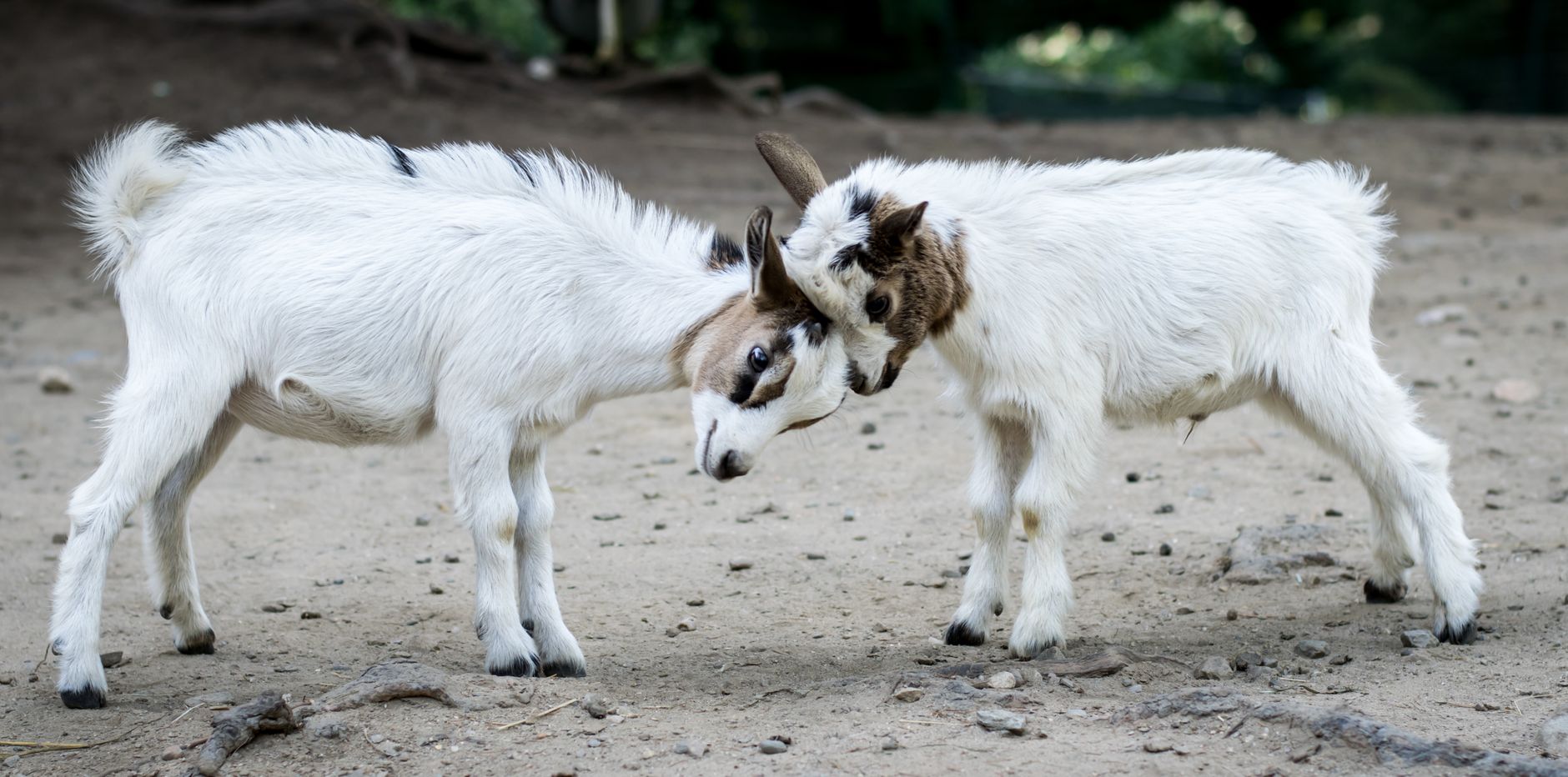
When evaluating BUN levels in goats, it’s important to understand that breed differences do not significantly influence baseline blood urea nitrogen values. Goats show minimal breed-level predisposition for most blood parameters. Diet (especially copper, selenium, vitamin E status), parasite burden (Haemonchus, coccidia), and reproductive stage drive most clinical patterns.
However, certain conditions can affect specific breeds more than others. For instance, Nigerian Dwarf and Pygmy goats are known to be susceptible to chronic enterotoxemia under heavy concentrate feeding, which could indirectly influence BUN levels through dietary protein intake or gastrointestinal health issues. Similarly, Boer goats may experience copper deficiency on copper-deficient pasture, leading to anemia and potentially affecting renal function.
Monitoring recommendations for BUN should take into account the goat’s age, reproductive status, and overall health condition. Younger goats require more frequent monitoring due to their rapid growth rates and higher protein requirements. Pregnant or lactating does also need closer attention as they undergo significant physiological changes that can impact kidney function and nutrient metabolism.
For all goats, it is crucial to maintain a balanced diet rich in essential minerals like copper and selenium, which are vital for proper renal health and overall well-being. Regular deworming programs should be implemented to prevent parasitic infections that could compromise the kidneys over time. Additionally, routine blood tests can help detect early signs of kidney disease or other systemic issues before clinical symptoms become apparent.
It is also important to monitor goats for any changes in water intake and urine output, as these are key indicators of renal function. Goats with chronic dehydration may show elevated BUN levels due to reduced glomerular filtration rate (GFR). In such cases, it’s essential to ensure adequate hydration through electrolyte solutions or increased access to clean drinking water.
Furthermore, goats should be regularly assessed for signs of urinary tract infections (UTIs) and bladder stones, which can also contribute to elevated BUN levels. UTIs often present with symptoms like frequent urination, blood in the urine, and discomfort during urination. Bladder stones may cause similar symptoms along with visible swelling or pain around the abdomen.
In conclusion, while breed differences do not significantly impact baseline BUN values, individual health conditions such as dietary imbalances, parasitic infections, reproductive status, and urinary tract issues can influence these levels. Regular monitoring and proactive management of these factors are crucial for maintaining optimal kidney function in goats.
Frequently Asked Questions
What does a high BUN level mean for my goat?
A high blood urea nitrogen (BUN) level can indicate kidney issues like decreased function, but it could also be due to dehydration, excessive protein consumption, or internal bleeding from the gut. It’s important to consider other test results and symptoms before making conclusions.
How can I tell if my goat’s high BUN is related to diet rather than illness?
If your goat has recently had a very protein-rich diet, such as alfalfa hay, its BUN levels might naturally rise. Monitoring changes after adjusting the diet can help determine if the elevated BUN is diet-related.
Should I worry about a slightly high BUN in my goat during hot weather?
Dehydration from heat stress can increase BUN levels temporarily. Ensuring your goat stays hydrated and cool may normalize BUN within a few days.
Can liver problems affect BUN levels in goats?
Yes, liver dysfunction can lower BUN levels because the liver helps regulate protein metabolism. A low BUN alongside jaundice or poor appetite should prompt further investigation into liver health.
Why would my vet recommend additional tests besides BUN for my goat?
Additional tests like creatinine, urinalysis, and imaging studies provide more information about kidney function and overall health, helping diagnose conditions beyond what BUN alone indicates.
Is there an age factor when interpreting BUN levels in goats?
Age itself doesn’t significantly impact BUN levels; however, older goats are at higher risk for chronic diseases affecting kidneys or liver, which can influence BUN readings.
Does lactating status change how we interpret BUN levels?
Lactating goats have increased metabolic demands that can raise BUN levels. If your goat is producing milk, consider these physiological factors when evaluating her lab work.
Could parasites contribute to abnormal BUN values in goats?
Parasites can lead to malnutrition and dehydration, both of which can elevate BUN levels. Treating parasitic infections often normalizes BUN along with other clinical signs.
What does it mean if my goat’s BUN fluctuates widely over time?
Fluctuating BUN levels suggest underlying issues like hydration imbalance, dietary variations, or progressive disease states. Regular monitoring by your veterinarian will be key to understanding these fluctuations.
Are there any breed-specific concerns regarding BUN levels in goats?
Goats generally show minimal breed-level differences in blood parameters. However, specific breeds like Nigerian Dwarfs may have unique nutritional needs influencing their BUN levels.
How urgent is it to address a high BUN level in my goat?
The urgency depends on accompanying symptoms and test results. Mild elevations without other signs might not require immediate action but warrant follow-up testing to monitor changes.
Should I limit my goat’s protein intake if its BUN is elevated?
Reducing protein-rich foods temporarily can help stabilize BUN levels, especially if diet is suspected as the cause. Consult your vet before making significant dietary changes.
Can stress affect my goat’s BUN levels?
Stress from illness, transport, or environmental changes can alter fluid balance and metabolism, potentially raising BUN levels. Managing stress helps maintain stable BUN readings.
Why would my goat need repeated BUN tests?
Repeating BUN tests allows tracking trends over time, helping diagnose conditions like kidney disease more accurately than single measurements alone.
Is there anything else besides BUN that indicates kidney problems in goats?
Creatinine levels are another marker for kidney function; combining BUN and creatinine provides a clearer picture of renal health compared to either measure alone.
Sources & Further Reading
This article draws on the following authoritative veterinary references. For your pet’s individual case, consult a licensed veterinarian.
- Merck Veterinary Manual — comprehensive clinical reference for veterinary practice
- IRIS Kidney Guidelines — International Renal Interest Society — kidney staging and management
- ACVIM Consensus Statements — American College of Veterinary Internal Medicine