High Cortisol in Ferrets – Adrenal Disease Blood Markers
Wondering what a full interpretation looks like? See a sample report →
Why Should You Care About High Cortisol in Ferrets?

Cortisol is a hormone that plays a crucial role in your ferret’s stress response and overall health. When cortisol levels are high, it can indicate an underlying issue such as adrenal disease, which is common in ferrets over three years old. Elevated cortisol can lead to a range of clinical signs including reduced appetite, weight loss, hair loss, and lethargy. These symptoms not only affect your pet’s quality of life but also signal that the body’s stress response system may be malfunctioning.
High cortisol levels in ferrets are often associated with adrenal disease, which can cause a variety of clinical signs beyond just elevated hormone levels. Adrenal disease typically involves an overproduction of sex hormones like estrogen and testosterone, leading to symptoms such as vulvar swelling in females or behavioral changes in males. Additionally, high cortisol can suppress the immune system, making your ferret more susceptible to infections and other health issues.
When you notice these signs in your ferret, it’s important to consult with a veterinarian who can run additional tests like an abdominal ultrasound to confirm adrenal disease. Other blood markers such as sex hormones (estradiol, testosterone) may also be elevated alongside cortisol. Your vet will consider the overall clinical picture and possibly perform an ACTH stimulation test or low-dose dexamethasone suppression test to further evaluate your ferret’s adrenal function.
Understanding high cortisol levels is crucial because it can indicate a systemic issue that requires prompt medical attention. For example, prolonged exposure to elevated cortisol can lead to muscle wasting and osteoporosis in ferrets, which are serious conditions that impact mobility and overall health. Moreover, chronic stress due to high cortisol levels can exacerbate existing health problems or trigger new ones.
It is also important to note that adrenal disease in ferrets often progresses if left untreated, leading to more severe symptoms over time. Early detection through blood tests and clinical observation can help manage the condition effectively before it becomes debilitating. Regular veterinary check-ups are essential for monitoring your pet’s health and catching any signs of adrenal disease early.
What is Cortisol in Ferrets?
Cortisol, often referred to as the stress hormone, plays a crucial role in the body of ferrets. It is produced by the adrenal glands and helps regulate various physiological processes, including metabolism, immune responses, and the body’s reaction to stress. In addition to these functions, cortisol also influences blood sugar levels, muscle tissue maintenance, and fat distribution throughout the body.
In ferrets, cortisol levels can fluctuate based on environmental factors such as changes in routine or exposure to stressful situations. For example, moving a ferret to a new home or introducing a new pet companion may cause temporary spikes in cortisol production. Elevated cortisol levels are often associated with conditions like hyperadrenocorticism (adrenal disease), which is common in older ferrets. This condition leads to an overproduction of cortisol and can cause a range of clinical signs, including hair loss, lethargy, weight loss, increased thirst and urination, and behavioral changes such as aggression or anxiety.
Understanding the role of cortisol helps veterinarians interpret blood test results and diagnose conditions that affect adrenal function. When cortisol levels are above normal, it may indicate underlying health issues that need further investigation. Monitoring cortisol alongside other markers can provide a more comprehensive picture of a ferret’s overall health status. For instance, measuring aldosterone and ACTH (adrenocorticotropic hormone) levels in conjunction with cortisol can help differentiate between primary adrenal disease and secondary conditions affecting the pituitary gland.
It is important to note that while elevated cortisol levels are indicative of potential issues, normal ranges for cortisol can vary widely depending on the time of day and specific laboratory methods used. Therefore, veterinarians rely on a combination of clinical signs, blood tests, and imaging studies to accurately diagnose adrenal disease in ferrets.
Laboratory Reference Ranges for Cortisol in Ferrets
The measurement of cortisol levels is crucial in diagnosing adrenal disease and assessing stress responses in ferrets. Understanding what constitutes a normal range helps veterinarians interpret blood test results accurately. The reference range for cortisol can vary based on the time of day, as cortisol levels naturally fluctuate throughout the day. Typically, morning samples are taken to capture baseline cortisol levels before the diurnal peak occurs later in the afternoon or evening. However, it’s important to note that cortisol levels above this range may indicate hyperadrenocorticism or other conditions affecting adrenal function.
When evaluating a ferret’s blood test results, it is essential to compare the cortisol level against its reference range. Elevated cortisol can be associated with various clinical signs such as hair loss, lethargy, and changes in behavior. For instance, if a ferret exhibits persistent hair thinning or bald patches along with decreased activity levels, these symptoms might prompt further investigation into adrenal gland function. It’s also worth noting that cortisol levels can rise due to stress or excitement during sample collection, so interpreting these results requires careful consideration of the animal’s recent history and environment.
For a comprehensive evaluation, veterinarians often look at additional markers alongside cortisol. These include electrolytes like sodium and potassium, which may be affected by adrenal disease. For example, hyperadrenocorticism can lead to increased urinary excretion of potassium, potentially resulting in hypokalemia (low blood potassium levels). Additionally, assessing thyroid hormone levels (total T4) can provide further insight into overall endocrine health. If cortisol is elevated and clinical signs are present, the veterinarian might consider running an ACTH stimulation test to confirm hyperadrenocorticism.
It’s important for veterinarians to be aware that reference ranges for these markers may vary between different laboratories due to differences in testing methods and equipment. Therefore, it is crucial to consult the specific laboratory’s guidelines when interpreting results. This ensures accurate diagnosis and appropriate treatment planning based on the individual ferret’s clinical presentation.
| Parameter | Normal Range |
|---|---|
| Cortisol | cortisol |
| Sodium | 137-162 mEq/L |
| Potassium | 4.1-7.7 mEq/L |
| Total T4 | 1.24-3.26 µg/dL |
See the full reference intervals for the ferret — every value cited to the laboratory document or paper it came from.
What Causes High Cortisol Levels in Ferrets?
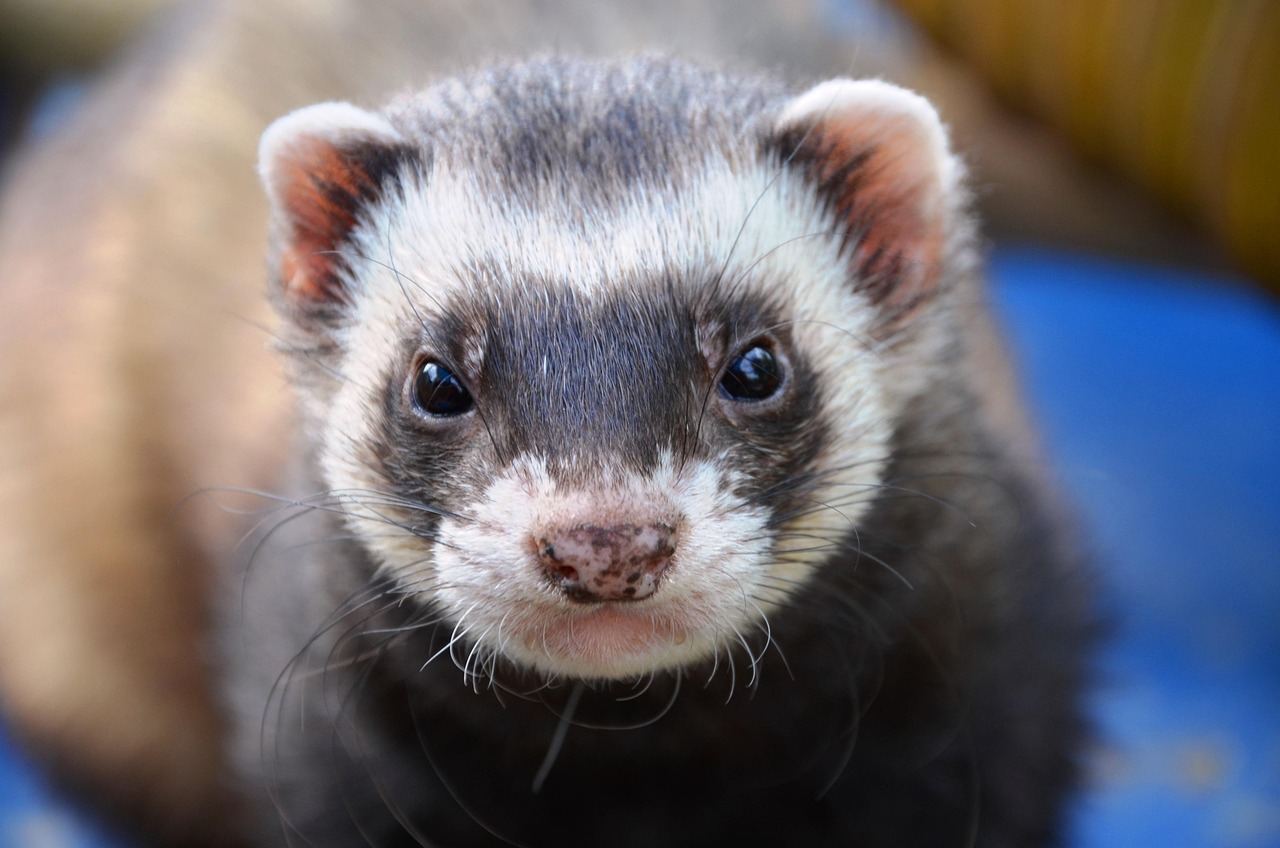
Elevated cortisol levels in ferrets can be indicative of several underlying conditions, but adrenal disease is among the most common causes. Adrenal gland tumors or hyperplasia lead to excessive production of cortisol and other hormones, which can result in high cortisol levels above the reference range. This condition often presents with clinical signs such as hair loss, lethargy, and changes in behavior. It’s important to note that adrenal disease is a chronic condition that typically progresses over time, leading to more severe symptoms if left untreated.
Stress and illness are also significant triggers for elevated cortisol levels. In ferrets, stress from environmental factors like overcrowding or sudden changes in routine can cause a temporary spike in cortisol. Similarly, acute illnesses or pain can lead to an increase in cortisol as part of the body’s response to these challenges. For example, a ferret experiencing chronic stress due to living conditions may show persistent high cortisol levels on blood tests, whereas a ferret with an acute illness might exhibit elevated cortisol levels that normalize once the underlying condition is treated.
When a veterinarian encounters elevated cortisol levels on blood work, they will consider additional diagnostic steps to determine the cause. These might include further hormone testing, imaging studies like ultrasound or MRI to assess the adrenal glands, and evaluating clinical signs for consistency with adrenal disease. Understanding the context of the ferret’s environment and health history is crucial in making an accurate diagnosis. For instance, a detailed behavioral assessment can help identify stress-related factors that may be contributing to high cortisol levels.
It is important to note that while high cortisol levels may indicate adrenal disease, they are not specific to this condition alone and could be due to other factors such as infection or pain. Infections, whether bacterial or viral, can elevate cortisol levels as part of the immune response. For example, a ferret with an upper respiratory infection might show elevated cortisol levels alongside symptoms like fever, lethargy, and decreased appetite.
| Cause | Mechanism | Typical Signs |
|---|---|---|
| Adrenal Disease | Tumor or hyperplasia leads to excessive cortisol production. | Hair loss, lethargy, behavior changes. |
| Stress | Environmental or situational stress triggers cortisol release. | Reduced appetite, anxiety, restlessness. |
| Illness | Acute illness or pain increases cortisol as part of the stress response. | Vomiting, diarrhea, weakness. |
| Infection | Bacterial or viral infection can elevate cortisol levels as part of the immune response. | Fever, lethargy, decreased appetite. |
How Does Cortisol Compare to Other Blood Markers in Ferrets?
Cortisol, a key stress hormone, often rises alongside other markers like ACTH and aldosterone when adrenal disease is present. In ferrets with high cortisol levels, the body’s response can also affect glucose metabolism, leading to hyperglycemia or even insulin resistance. Understanding how these markers interact provides a clearer picture of what’s happening in your pet.
ACTH (Adrenocorticotropic Hormone) stimulates the adrenal glands to produce cortisol. When ACTH levels are above the reference range, it suggests that the pituitary gland is actively signaling for more cortisol production. This can be an early indicator of hyperadrenocorticism in ferrets. Conversely, if ACTH is low and cortisol remains high, this points towards a primary adrenal tumor causing excessive cortisol secretion.
Aldosterone, another hormone produced by the adrenal glands, regulates sodium retention and potassium excretion. In cases where aldosterone levels are elevated alongside high cortisol, it indicates that the adrenal gland’s mineralocorticoid function is also affected. This can lead to electrolyte imbalances such as hypernatremia (high sodium) or hypokalemia (low potassium). Monitoring aldosterone in conjunction with cortisol helps veterinarians understand if there is a dual dysfunction of both glucocorticoids and mineralocorticoids.
Glucose metabolism is another critical aspect to monitor in ferrets with suspected adrenal disease. Hyperglycemia, or high glucose levels above the reference range, often accompanies elevated cortisol due to its role in increasing blood sugar and reducing insulin sensitivity. This can be particularly concerning if your ferret shows signs of lethargy, increased thirst, or weight loss. Persistent hyperglycemia may indicate that the adrenal disease is affecting not only cortisol but also glucose regulation.
It’s important for veterinarians to consider these markers in combination when diagnosing and managing adrenal disease in ferrets. For instance, if a ferret exhibits clinical signs of lethargy and weight loss alongside high cortisol levels, measuring aldosterone and ACTH can provide additional insights into the underlying cause of these symptoms.
| Marker | What it Adds to the Picture | When Preferred |
|---|---|---|
| ACTH | Evaluates pituitary gland function and cortisol regulation. | When cortisol is high but cause is unclear. |
| Aldosterone | Assesses mineralocorticoid function and electrolyte balance. | When cortisol is high with signs of electrolyte imbalance. |
| Glucose | Indicates metabolic impact and insulin resistance. | When cortisol is high with lethargy or weight loss. |
What Does Elevated Cortisol Mean in Ferrets?
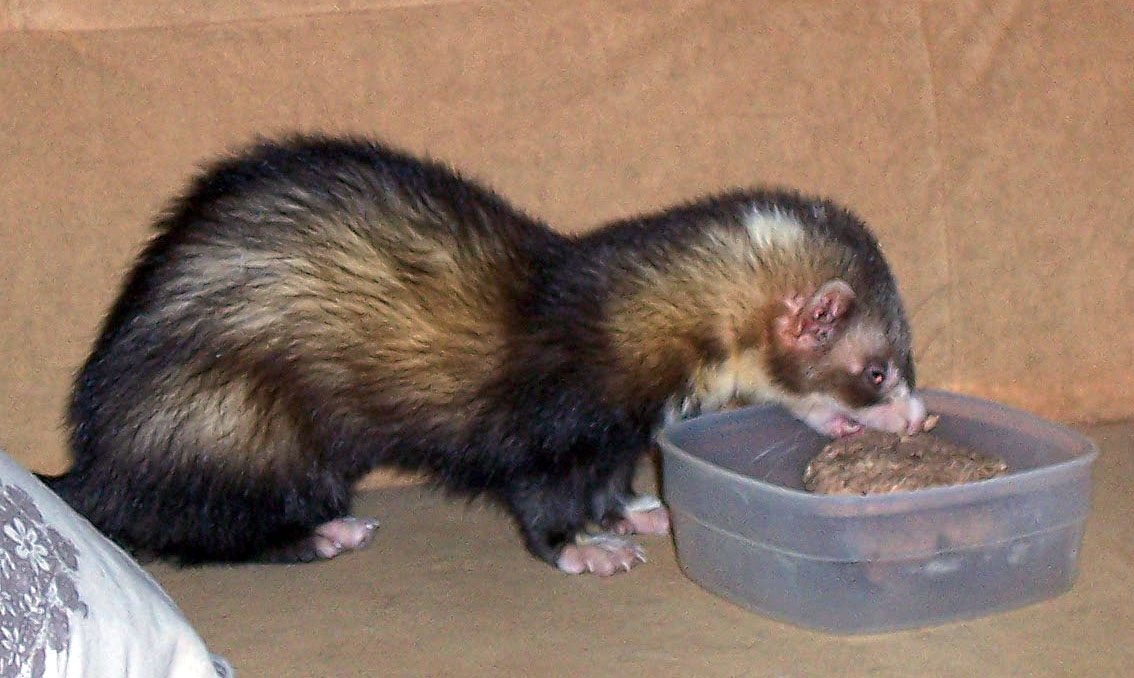
Elevated cortisol levels in ferrets can indicate a variety of underlying conditions, most commonly adrenal disease. When cortisol is above the reference range, it suggests that your pet’s body is producing more of this stress hormone than normal. This increase could be due to chronic str