Early Kidney Disease in Ferrets — SDMA Test Insights
Early Kidney Disease in Ferrets — SDMA Test Insights
Wondering what a full interpretation looks like? See a sample report →
Why Early Detection of Kidney Disease in Ferrets is Crucial

The early detection and management of kidney disease in ferrets are paramount to improving their quality of life and extending survival times. Renal function tests, such as the Symmetric Dimethylarginine (SDMA) test, play a critical role in identifying kidney impairment at its earliest stages when intervention can be most effective. SDMA is more sensitive than traditional blood urea nitrogen (BUN) levels for detecting early renal damage in ferrets.
Normal SDMA levels are laboratory-specific, with values above this threshold indicating potential kidney dysfunction. When SDMA exceeds the reference interval but remains below the critical level of the interval reported by the laboratory, it suggests that renal function is compromised and warrants further investigation and monitoring. At levels greater than the reference interval, immediate veterinary intervention is necessary to address severe kidney impairment.
- Early detection allows for timely initiation of supportive care measures such as fluid therapy, dietary modifications, and the use of medications like benazepril or mirtazapine, which can help manage symptoms and slow disease progression.
- Prognosis improves significantly when kidney disease is identified early. For instance, ferrets diagnosed with stage I chronic kidney disease (CKD) may have a median survival of 2-4 years if managed appropriately, compared to less than six months for those in stage IV.
In addition to SDMA testing, regular bloodwork should include assessments of other renal markers such as creatinine and phosphorus. Normal phosphorus levels are typically between 4-10.1 mg/dL; elevated values can indicate advanced kidney disease or metabolic disorders requiring immediate attention. By integrating these tests into routine veterinary care for ferrets over three years old, veterinarians can catch early signs of renal dysfunction before clinical symptoms become apparent.
Given the high prevalence and significant impact of kidney disease on ferret health, proactive screening through SDMA testing is recommended to ensure timely intervention and optimal management strategies. This approach not only enhances the longevity but also improves the overall well-being of affected animals.
What is Symmetric Dimethylarginine (SDMA)?

Symmetric dimethylarginine, or SDMA, is a biomarker that has gained significant attention in veterinary medicine due to its ability to accurately reflect kidney function in ferrets. Unlike traditional blood urea nitrogen (BUN) levels, which can be influenced by factors such as protein intake and hydration status, SDMA provides a more stable indicator of glomerular filtration rate (GFR), the kidney’s capacity to filter waste products from the bloodstream. SDMA is less affected by these external variables, making it particularly useful for early detection of kidney disease in ferrets.
The normal range for SDMA in ferrets is the interval reported by the laboratory. When levels exceed this threshold and rise above the reference interval, it indicates a potential decline in renal function that warrants further investigation. If SDMA values surpass the critical level of outside the reference interval, immediate veterinary intervention is necessary to address any underlying kidney issues before they progress.
- SDMA levels are particularly valuable for monitoring chronic kidney disease (CKD) progression because they correlate closely with GFR decline and can detect early-stage renal impairment when other markers may still be within normal limits.
- In addition to its role in diagnosing kidney dysfunction, SDMA also helps veterinarians assess the effectiveness of treatments aimed at managing CKD. By regularly monitoring SDMA levels, practitioners can adjust therapeutic strategies as needed to maintain optimal kidney function.
Understanding SDMA Reference Ranges
The symmetric dimethylarginine (SDMA) test is a valuable tool in diagnosing early kidney disease in ferrets. This biomarker provides an earlier and more sensitive indicator of renal function compared to traditional blood urea nitrogen (BUN) levels, making it crucial for proactive management of chronic kidney disease (CKD). According to published veterinary research, SDMA levels can help veterinarians identify potential issues before clinical signs become apparent.
For ferrets, the normal reference range for SDMA is the interval reported by the laboratory. When SDMA levels exceed the reference interval, it indicates an elevated risk of kidney dysfunction and warrants further investigation or monitoring. Levels above the reference interval are considered critical and suggest significant renal impairment that requires immediate attention.
- Normal: SDMA is within the range of the interval reported by the laboratory, indicating healthy kidney function.
- Elevated: SDMA outside the reference interval suggests potential early-stage kidney disease and may require additional diagnostic tests such as urinalysis or imaging to confirm renal dysfunction.
- Critical: SDMA outside the reference interval indicates severe kidney impairment, necessitating urgent intervention including fluid therapy and possible medication adjustments like benazepril.
The table below illustrates how SDMA levels correlate with clinical stages of chronic kidney disease in ferrets:
| SDMA Level (µmol/L) | Clinical Interpretation |
|---|---|
| 0.25–1.3 | Normal kidney function; no clinical signs of disease. |
| >1.3 to 2.0 | Elevated risk for early-stage kidney disease; monitor closely and consider additional diagnostics. |
| Above the reference interval | Severe renal impairment; urgent veterinary care required to manage symptoms and prevent further deterioration. |
See the full reference intervals for the ferret — every value cited to the laboratory document or paper it came from.
Veterinarians use these reference ranges to guide treatment decisions, ensuring that ferrets receive appropriate care tailored to their specific health needs. Regular monitoring of SDMA levels can help in the early detection and management of kidney disease, potentially improving outcomes for affected animals.
What Causes Early Kidney Disease in Ferrets?

The early detection of kidney disease in ferrets is crucial, as it can significantly impact their quality and length of life. One key indicator for this condition is the Symmetric Dimethylarginine (SDMA) test, which has a normal range of the interval reported by the laboratory; levels outside the reference interval suggest renal impairment requiring further investigation; outside the reference interval indicate critical kidney function decline necessitating urgent intervention.
Several factors contribute to the development of early kidney disease in ferrets, including genetic predisposition and various infections or metabolic disorders. Certain hereditary conditions can increase susceptibility to renal issues, although specific breed-related risks are not well-documented for coat colors like sable or albino.
- Genetic Predisposition: While no specific ferret breeds have documented genetic predispositions to kidney disease based on coat color, certain hereditary conditions can increase the risk. For example, chronic renal insufficiency may run in families due to shared genetics.
- Infections: Bacterial and viral infections are common causes of acute kidney injury (AKI) in ferrets. Pyelonephritis, a bacterial infection of the kidneys, can lead to elevated SDMA levels as bacteria damage renal tissue.
- Metabolic Disorders: Conditions such as hyperparathyroidism or diabetes mellitus can also contribute to early kidney disease by causing metabolic imbalances that stress the kidneys over time. Hyperparathyroidism leads to increased calcium and phosphorus in the blood, which can cause mineral deposits in the renal tubules.
How Does SDMA Compare to Other Kidney Markers?
The detection of early kidney disease in ferrets is crucial for timely intervention and management. While traditional markers such as blood urea nitrogen (BUN) and creatinine are commonly used, symmetric dimethylarginine (SDMA) offers unique advantages in identifying renal dysfunction at an earlier stage. SDMA is a stable endogenous metabolite that reflects glomerular filtration rate (GFR), the primary function of the kidneys, more accurately than BUN or creatinine.
SDMA levels are less affected by factors such as muscle mass and protein intake compared to BUN and creatinine. This makes SDMA a more reliable indicator for early kidney disease in ferrets, especially in cases where these traditional markers may still be within normal ranges due to compensatory mechanisms of the kidneys.
If the SDMA level is elevated at outside the reference interval but BUN and creatinine are still within normal ranges (BUN: 10-45 mg/dL; creatinine: 0.2-1 mg/dL), it suggests early-stage kidney disease that requires further investigation.
Moreover, SDMA’s sensitivity in detecting subclinical renal dysfunction is particularly valuable for ferrets at risk of developing chronic kidney disease (CKD). Early detection allows for proactive management strategies such as dietary modifications and the use of medications like SGLT2 inhibitors to slow down disease progression. In contrast, BUN and creatinine may not show significant changes until more advanced stages of CKD are reached.
| Parameter | Normal Range (µmol/L) |
|---|---|
| SDMA | 0.25–1.3 |
| BUN | 10-45 mg/dL |
| Creatinine | 0.2-1 mg/dL |
| Phosphorus (mg/dL) | 3.5–6.5 |
| Calcium (mg/dL) | 9–12 |
| Potassium (mEq/L) | 3.8–6.2 |
| Urea (mg/dL) | 10-45 mg/dL |
How to Interpret SDMA Test Results?
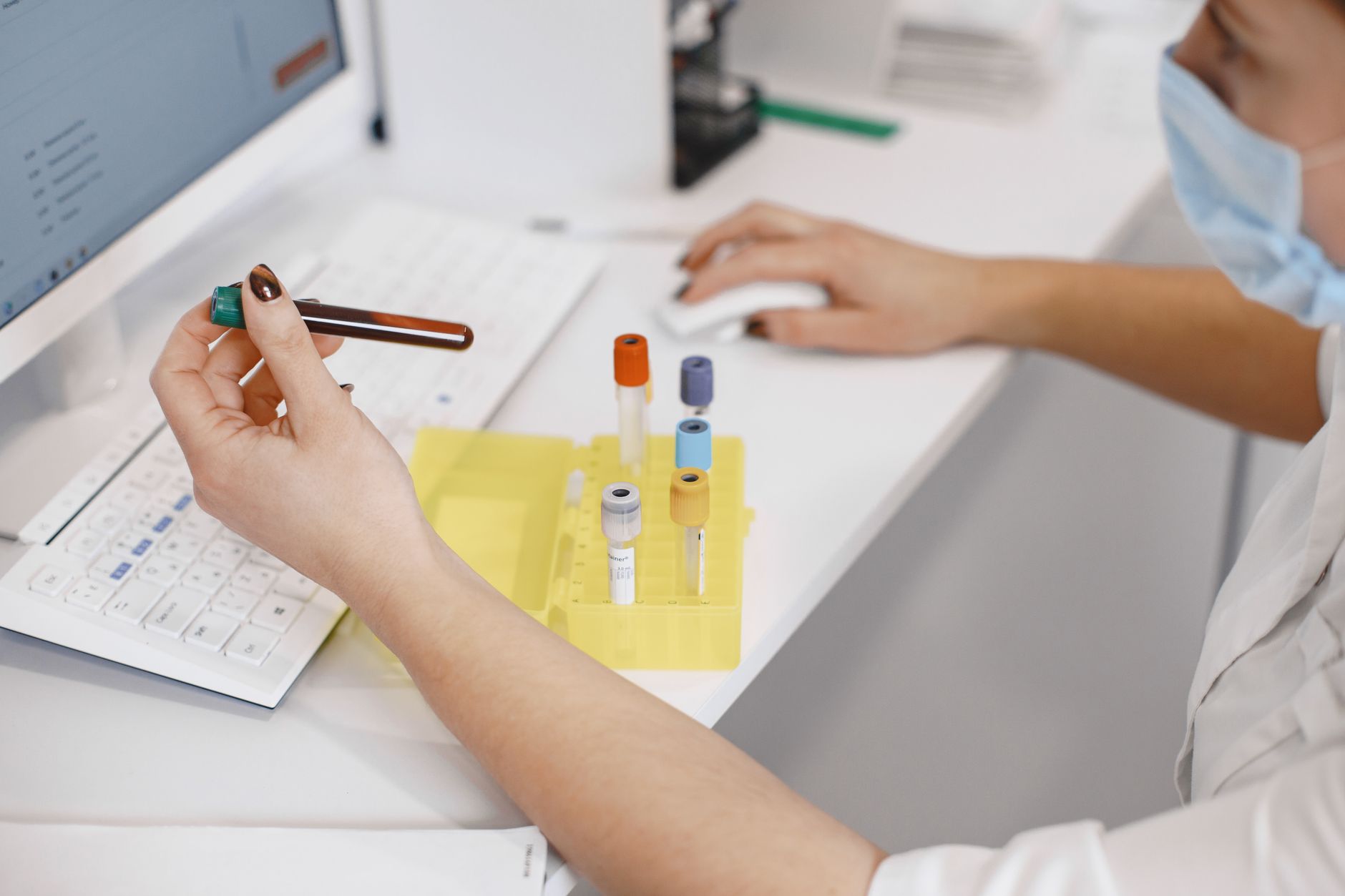
The Symmetric Dimethylarginine (SDMA) test is a valuable tool in diagnosing early kidney disease in ferrets. Understanding how to interpret the results can help veterinarians and pet owners detect issues sooner, potentially improving treatment outcomes. According to standard veterinary practice, normal SDMA levels for ferrets are laboratory-specific; any level above the reference interval is considered elevated and warrants further investigation; critical levels are outside the reference interval, indicating severe kidney impairment requiring urgent intervention.
When evaluating an SDMA test result, it’s crucial to consider the context of other clinical signs and laboratory findings. For instance, if a ferret has high blood urea nitrogen (BUN) alongside elevated SDMA, this combination strongly suggests renal dysfunction rather than dehydration or other causes. SDMA is more sensitive for early kidney disease compared to BUN alone.
- Monitor SDMA levels in conjunction with creatinine and BUN tests to get a comprehensive view of kidney function.
- Note any changes over time, as progressive increases in SDMA can indicate worsening renal health.
Are There Breed or Age Differences in SDMA Levels?

The symmetric dimethylarginine (SDMA) test is a valuable tool for detecting early kidney disease in ferrets, offering insights into renal function that traditional blood urea nitrogen (BUN) and creatinine levels might miss. However, it’s important to consider whether SDMA levels vary based on the age or coat color of the ferret. Coat color does not predispose domestic ferrets (Mustela putorius furo) to any documented blood-parameter abnormality; clinical patterns are species-level phenomena that often relate to age.
Older ferrets, typically those over three years old, have a higher incidence of kidney disease compared to younger animals. This is due to the natural aging process and associated physiological changes that can affect renal function. As such, SDMA levels in senior ferrets may be elevated even if they are not clinically symptomatic for kidney disease. For instance, an SDMA level above the reference interval indicates potential early-stage kidney dysfunction, while a critical level of outside the reference interval suggests more severe impairment.
When evaluating SDMA levels in ferrets, it is crucial to consider the animal’s age and overall health status. Younger ferrets generally have lower baseline SDMA levels due to their robust renal function. Conversely, older ferrets may exhibit higher baseline SDMA levels as a result of chronic kidney disease or other age-related conditions that affect kidney filtration capacity. Therefore, veterinarians should monitor SDMA levels more closely in senior ferrets and consider the possibility of early-stage kidney disease if SDMA is elevated above the reference interval.
- Recommendation: For ferrets over three years old with an SDMA level within the reference interval, a follow-up test in two to four weeks is advisable to monitor for any changes that might indicate progression of kidney disease.
- Action: If the SDMA level exceeds the reference interval, immediate veterinary care should be sought to assess and manage potential renal impairment.
Frequently Asked Questions
What does an elevated SDMA level indicate in ferrets?
Elevated symmetric dimethylarginine (SDMA) levels, specifically above the reference interval, suggest early kidney dysfunction in ferrets. This test is more sensitive than blood urea nitrogen (BUN) for detecting kidney disease at an earlier stage when intervention can be most effective.
How often should SDMA tests be conducted for senior ferrets?
Annual or semi-annual SDMA testing is advisable for senior ferrets, particularly those over 4 years old. This helps in monitoring kidney function and detecting any changes early on.
Can diet modifications help manage early kidney disease in ferrets?
Dietary management plays a crucial role in managing early-stage kidney disease in ferrets. Reducing protein intake can decrease the workload on the kidneys while maintaining essential amino acids for health. Consultation with a veterinarian is recommended to tailor dietary needs.
What medications are commonly used to manage symptoms of kidney disease?
In ferrets diagnosed with early-stage kidney disease, medications such as ACE inhibitors (e.g., telmisartan) may be prescribed to help control blood pressure and reduce proteinuria. Additionally, anti-nausea drugs like maropitant can alleviate gastrointestinal discomfort.
What are the signs of an emergency situation related to kidney function?
An emergency situation in ferrets with kidney disease includes severe lethargy, vomiting, diarrhea, or sudden changes in urination patterns. Immediate veterinary care is necessary if these symptoms occur, as they may indicate acute renal failure.
How does SDMA testing compare to BUN for diagnosing kidney issues?
The SDMA test offers a more precise early detection of kidney disease compared to blood urea nitrogen (BUN) levels. While both tests are used to assess kidney function, SDMA is less affected by factors such as protein intake and muscle mass.
Are there specific breed differences in how SDMA levels should be interpreted?
Ferrets have only one recognized domestic breed, so there are no documented breed-specific variations in interpreting SDMA test results. However, age-related changes can influence kidney function tests, making regular monitoring essential for older ferrets.
What lifestyle adjustments can help support a ferret with early kidney disease?
Lifestyle modifications such as maintaining optimal hydration and avoiding stress are beneficial for ferrets with early-stage kidney disease. Ensuring the environment is calm and providing fresh water at all times helps in managing symptoms effectively.
How does SDMA testing fit into routine senior ferret care?
Incorporating SDMA testing as part of regular health check-ups for senior ferrets can significantly aid in early detection and management of kidney disease. This proactive approach aligns with IRIS 2023 staging guidelines, which emphasize the importance of early intervention.
Can at-home monitoring help track changes in a ferret’s kidney function?
At-home monitoring for signs such as increased thirst, reduced appetite, or changes in urination frequency can provide valuable information between veterinary visits. However, SDMA testing should still be conducted regularly by a veterinarian to accurately assess kidney health.
Reference intervals — chemistry
Values below come from the ferret chemistry reference panel; each figure links to the source it was taken from.
| Parameter | Reference interval (ferret) |
|---|---|
| BUN | 10-45 mg/dL |
| Creatinine | 0.2-1 mg/dL |
| Calcium | 8-11.8 mg/dL |
Reference intervals — urinalysis
Values below come from the ferret urinalysis reference panel; each figure links to the source it was taken from.
| Parameter | Reference interval (ferret) |
|---|---|
| Protein | 0-33 mg/dL |
Sources & Further Reading
This article draws on the following authoritative veterinary references. For your pet’s individual case, consult a licensed veterinarian.
- Merck Veterinary Manual — comprehensive clinical reference for veterinary practice
- IRIS Kidney Guidelines — International Renal Interest Society — kidney staging and management
- ACVIM Consensus Statements — American College of Veterinary Internal Medicine