Wondering what a full interpretation looks like? See a sample report →
Why Should Horse Owners Care About High Potassium Levels?
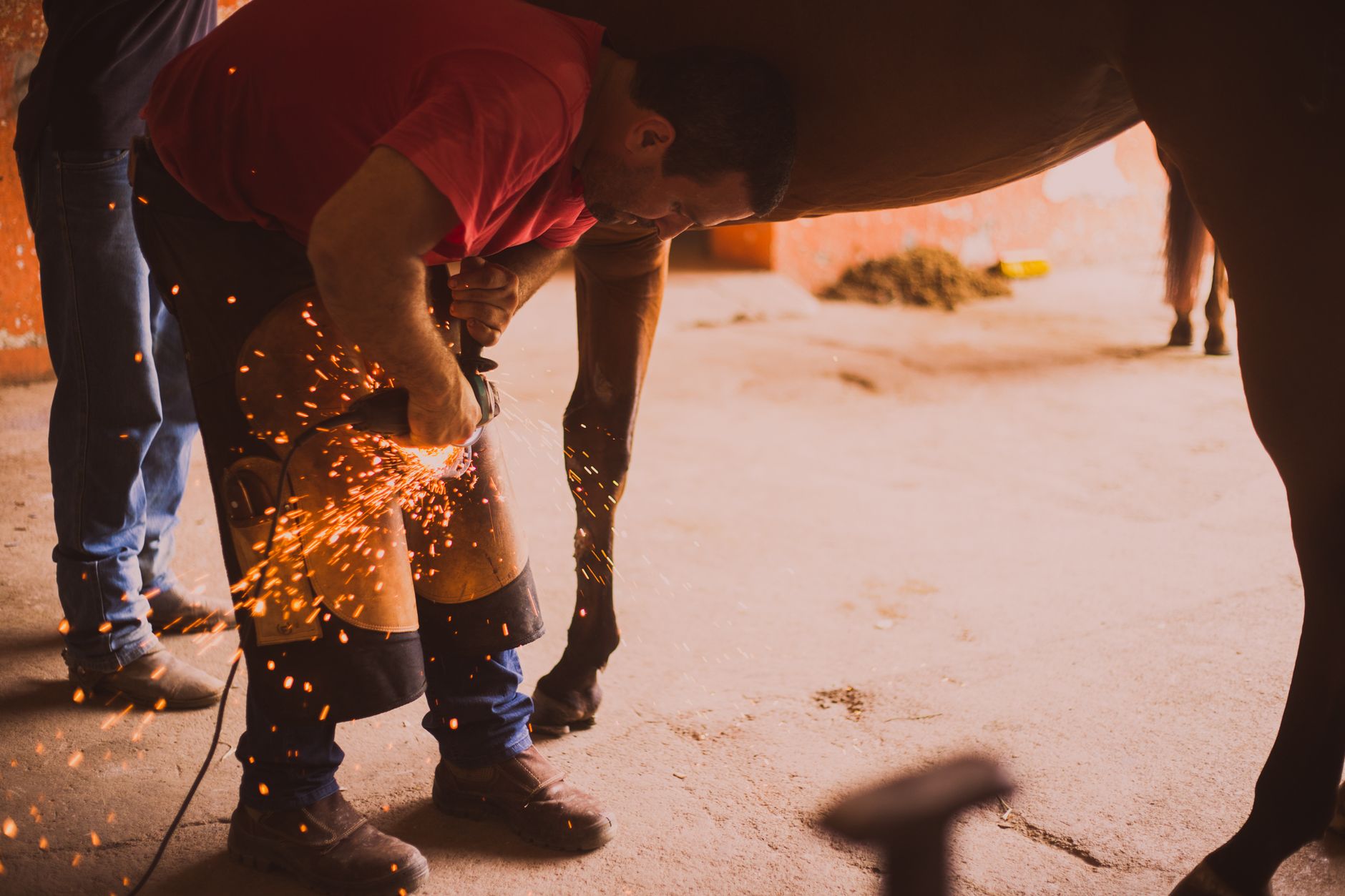
High potassium levels in horses, or hyperkalemia, can cause a range of clinical signs including dullness, poor performance, sweating, and colic-like symptoms. These signs are often subtle at first but can quickly escalate if left unchecked. For example, a horse might initially show mild lethargy during training sessions, which could progress to severe muscle stiffness or even collapse if the condition is not addressed promptly. Regular blood tests help veterinarians catch these issues early before they become severe.
When potassium levels rise above the reference range (HYPP K+), it signals that there may be an underlying issue affecting how the body regulates this essential mineral. This could be due to kidney dysfunction, urinary obstruction, or other metabolic imbalances. Identifying and addressing these problems promptly is key to maintaining your horse’s health and performance.
For horses with HYPP, managing dietary potassium intake is critical. Owners should work closely with a veterinarian to develop a feeding plan that limits high-potassium foods such as alfalfa hay or molasses-based feeds. Additionally, avoiding situations that can trigger an episode, like extreme stress or dehydration, is important.
Early intervention and ongoing management are essential for horses at risk of HYPP. Regular veterinary check-ups and blood tests allow for timely adjustments to the horse’s care plan, ensuring they remain healthy and capable of performing their best in various equestrian activities.
What is Hyperkalemic Periodic Paralysis?
Hyperkalemic periodic paralysis (HYPP) is a genetic disorder that affects horses, particularly Quarter Horses. It involves an abnormality in the way potassium moves into and out of muscle cells, leading to episodes where muscles become weak or paralyzed due to high levels of potassium within the body. This condition can cause sudden weakness or collapse during exercise or stress.
The genetic mutation responsible for HYPP is inherited from a parent horse that carries the gene. Horses with this disorder have an increased risk of experiencing muscle paralysis and respiratory distress when their potassium levels rise above normal. These episodes are often triggered by factors such as high carbohydrate diets, fasting, anesthesia, or intense exercise.
High potassium levels can lead to clinical signs like sweating, dullness, poor performance, and reluctance to move. In severe cases, horses may experience muscle tremors, weakness, and collapse. Owners should be aware of these symptoms and seek veterinary care if they notice any changes in their horse’s behavior or physical condition.
HYPP is characterized by episodes that can vary widely in severity from mild stiffness to complete paralysis. During an episode, the affected muscles may become rigid and painful, leading to difficulty breathing and potential respiratory failure. The heart muscle can also be affected, causing arrhythmias which are potentially life-threatening.
To diagnose HYPP, veterinarians often rely on a combination of clinical signs, family history, and genetic testing. Blood tests measuring potassium levels during an episode may show elevated values, but these levels typically return to normal between episodes, making diagnosis challenging without genetic confirmation. Genetic testing can identify the specific mutation responsible for HYPP, allowing for early intervention and management.
Management of HYPP involves dietary modifications such as reducing high carbohydrate feeds and increasing fiber intake. Regular veterinary monitoring is crucial to adjust diet and medication as needed. Horses with HYPP should avoid stressful situations that may trigger an episode, including intense exercise or prolonged fasting.
What Are Normal Potassium Levels for Horses?

Potassium is a critical electrolyte in horses, playing a vital role in muscle function and nerve signaling. Understanding what constitutes normal potassium levels is essential for diagnosing conditions like hyperkalemic periodic paralysis (HYPP) or other disorders that affect this balance.
The normal reference range for potassium in horses is 2.4-4.8 mEq/L. This range provides a baseline to evaluate whether your horse’s potassium level is within the expected healthy limits. Potassium levels outside of this range can indicate potential health issues, such as HYPP, which is characterized by high potassium spikes leading to muscle weakness and paralysis.
When interpreting potassium levels, it’s important to consider other factors that might influence these readings. For example, dehydration or kidney dysfunction can cause potassium levels to rise above the normal range. Conversely, excessive sweating during intense exercise or certain medications may lead to hypokalemia (low potassium). These variations highlight why a comprehensive evaluation by your veterinarian is crucial for accurate diagnosis and treatment.
It’s also important to note that fluctuations in potassium levels can occur due to dietary factors. For instance, horses consuming diets high in potassium-rich supplements or certain types of hay might experience elevated potassium levels. Similarly, electrolyte imbalances caused by gastrointestinal issues such as diarrhea can lead to rapid changes in potassium concentration.
Monitoring potassium levels over time is crucial for managing conditions like HYPP. Regular blood tests and close observation of clinical signs are necessary to ensure that the horse’s condition remains stable or improves with appropriate management strategies.
| Marker | Normal Range |
|---|---|
| Potassium | 2.4-4.8 mEq/L |
See the full reference intervals for the horse — every value cited to the laboratory document or paper it came from.
What Causes High Potassium Levels in Horses?
High potassium levels, also known as hyperkalemia, can stem from various causes in horses. One of the most significant genetic factors is Hyperkalemic Periodic Paralysis (HYPP), a condition primarily found in Quarter Horses and their crosses. HYPP results from a mutation that affects how sodium channels function in muscle cells, leading to an imbalance where potassium levels rise above normal during episodes. This genetic disorder can cause sudden onset of symptoms such as muscle weakness, colic-like signs, and sweating without exertion.
Dietary influences also play a role in elevating potassium levels. Excessive intake of high-potassium feeds such as alfalfa hay or certain supplements can contribute to hyperkalemia. Alfalfa is particularly rich in potassium compared to other forages like grass hay, making it a common dietary factor in cases of elevated blood potassium. Additionally, conditions that impair the kidneys’ ability to excrete excess potassium, like renal failure or urinary obstruction, can lead to elevated blood potassium levels.
When evaluating a horse with high potassium levels, it’s important for veterinarians to consider these factors alongside other clinical signs and test results. For instance, if a horse shows signs of muscle weakness or colic-like symptoms along with high potassium readings, HYPP might be suspected. Conversely, if the horse is on a diet rich in alfalfa hay and has no genetic history of HYPP, dietary changes may be recommended to reduce potassium intake.
Renal failure can also significantly impact potassium levels due to impaired kidney function leading to decreased excretion of potassium. This condition often presents with reduced urine output, weight loss, poor appetite, and lethargy. Urinary obstruction is another critical factor that prevents normal potassium excretion through the urinary system, causing a buildup in blood levels.
Other less common causes include hypoadrenocorticism (Addison’s Disease), which involves decreased production of hormones that regulate potassium levels, leading to weakness, dehydration, weight loss, and poor performance. Acidosis can also cause potassium retention by cells due to shifts in body pH, presenting with respiratory distress, sweating, and colic signs.
| Cause | Mechanism | Typical Signs |
|---|---|---|
| Hyperkalemic Periodic Paralysis (HYPP) | Mutation affecting sodium channels in muscle cells, leading to potassium imbalance | Muscle weakness, colic-like symptoms, sweating without exertion |
| Dietary Influence | Excessive intake of high-potassium feeds or supplements | None specific, may present with general signs of digestive distress |
| Renal Failure | Impaired kidney function leading to decreased excretion of potassium | Reduced urine output, weight loss, poor appetite |
| Urinary Obstruction | Blockage preventing normal potassium excretion through the urinary system | Straining to urinate, flank watching, pawing at ground |
| Hypoadrenocorticism (Addison’s Disease) | Decreased production of hormones that regulate potassium levels | Weakness, dehydration, weight loss, poor performance |
| Acidosis | Shift in body pH leading to potassium retention by cells | Respiratory distress, sweating, colic signs |
How Does High Potassium Compare to Other Blood Parameters?

High potassium levels, often seen in horses with hyperkalemic periodic paralysis (HYPP), can be alarming. However, understanding how this compares to other electrolyte imbalances like low sodium or calcium helps clarify the clinical picture and guides appropriate veterinary care.
Potassium is crucial for muscle function and nerve signaling. When potassium levels rise above the reference range 2.4-4.8 mEq/L, it typically indicates a problem with renal excretion, urinary obstruction, hypoadrenocorticism, or acidosis. In contrast, low sodium (hyponatremia) reflects water excess relative to sodium, often due to conditions like overhydration or certain kidney diseases. Hyponatremia can lead to neurological symptoms such as lethargy and ataxia.
Low calcium levels (hypocalcemia), on the other hand, are associated with conditions like eclampsia in lactating mares or acute pancreatitis. Hypocalcemia often presents with muscle tremors, weakness, and colic-like signs. Each of these electrolyte imbalances has distinct clinical presentations that help veterinarians narrow down potential causes.
For instance, hyperkalemic periodic paralysis (HYPP) is a genetic disorder in horses where high potassium levels can lead to episodes of muscle weakness or paralysis. This condition requires careful management and monitoring of dietary potassium intake to prevent severe symptoms. In comparison, hypomagnesemia, which involves low magnesium levels, can also cause tremors and spasms but typically does not involve the same level of genetic predisposition as HYPP.
Understanding these differences is crucial for proper diagnosis and treatment. For example, a horse with HYPP might require dietary modifications to limit potassium intake, while a horse suffering from hypocalcemia may need immediate calcium supplementation to address acute symptoms like muscle tremors or weakness.
| Electrolyte | Abnormal Range | Typical Clinical Signs |
|---|---|---|
| Potassium (HYPP) | Above the reference range 2.4-4.8 mEq/L | Weakness, muscle tremors, colic signs |
| Sodium (Hyponatremia) | Below the reference range 134-142 mEq/L | Lethargy, ataxia, seizures |
| Calcium (Hypocalcemia) | Below the reference range 10.8-12.9 mg/dL | Muscle tremors, weakness, colic signs |
| Magnesium (Hypomagnesemia) | Below the reference range 1.4-2.3 mg/dL | Tremors, muscle spasms |
| Chloride (Hypochloremia) | Below the reference range 95-104 mEq/L | Respiratory alkalosis, metabolic acidosis |
What Does Elevated Potassium Mean for Your Horse?
Elevated potassium levels in your horse can be a cause for concern, as they may indicate underlying health issues that need attention. When the potassium level is above the reference range, it’s important to understand what this might suggest and how to proceed next.
| Finding | What it may suggest | Suggested next step |
|---|---|---|
| Above the reference range | Hyperkalemia, which can be associated with decreased renal excretion, urinary obstruction, hypoadrenocorticism, or acidosis. | Consult your veterinarian to discuss further diagnostic tests and management options. |
| Markedly elevated | Severe hyperkalemia, which may indicate a critical condition such as severe renal failure or Addison’s disease. | Seek immediate veterinary care to address the underlying cause and stabilize your horse. |
When potassium levels are above the reference range, it suggests that there may be an issue with how your horse’s body is handling this essential mineral. Hyperkalemia can occur due to a variety of reasons, including decreased renal excretion (which could indicate kidney dysfunction), urinary obstruction preventing normal potassium elimination, hypoadrenocorticism (Addison’s disease) affecting hormone regulation, or acidosis where the body retains more potassium in an attempt to balance pH levels.
It’s crucial to understand that while elevated potassium can be a sign of serious health issues, it does not provide a definitive diagnosis on its own. Your veterinarian will likely recommend additional tests such as blood work to assess kidney function and electrolyte balance, or imaging studies like ultrasound to check for urinary obstructions. These further evaluations help pinpoint the exact cause and guide appropriate treatment.
For horses with markedly elevated potassium levels, immediate veterinary intervention is often necessary. This could involve stabilizing your horse’s condition through intravenous fluids and medications aimed at lowering potassium levels quickly. Your veterinarian will also work to identify and address any underlying conditions that are contributing to the hyperkalemia.
In summary, an increase in potassium beyond the reference range warrants careful attention from a veterinary perspective. Understanding what this finding suggests and knowing how to proceed next can help ensure your horse receives timely care for optimal health outcomes.
Are Some Horses More Prone to High Potassium Levels?

High potassium levels, often associated with hyperkalemic periodic paralysis (HYPP), are more commonly seen in certain breeds of horses. Quarter Horses and related breeds like Paints and Appaloosas carry a genetic mutation that can lead to episodes of HYPP, where muscle weakness or spasms occur due to sudden spikes in blood potassium levels. This condition is particularly prevalent among performance horses with lineage tracing back to the famous American Quarter Horse stallion Impressive.
Age also plays a role in how susceptible a horse might be to high potassium levels. Younger horses are generally less prone to chronic conditions that can lead to electrolyte imbalances, such as kidney dysfunction or hormonal disorders like hypoadrenocorticism (Addison’s disease). However, older horses may develop these issues over time due to wear and tear on their organs, leading to a higher risk of hyperkalemia. It’s important for owners of at-risk breeds to monitor their horse’s health closely as they age, especially during the transition from young adulthood into middle age.
When evaluating a horse with high potassium levels, veterinarians consider the breed history and age alongside clinical signs such as muscle weakness or stiffness, sweating without exertion, and reluctance to move. These symptoms can be subtle but are crucial indicators of potential HYPP episodes. Additionally, horses showing signs of colic or digestive distress might have underlying issues affecting their electrolyte balance. For example, a horse that suddenly becomes reluctant to eat or shows signs of abdominal discomfort could be experiencing an episode related to HYPP.
Genetic testing can also help identify horses at risk for developing HYPP. This test is particularly useful in breeding programs where the goal is to avoid passing on the genetic mutation responsible for this condition. By identifying carriers early, breeders can make informed decisions about which horses should be used for breeding and which ones should not.
How is Hyperkalemia Treated in Horses?
Treating hyperkalemia, or high potassium levels, in horses involves a combination of dietary management and medical interventions. The primary goal is to lower the potassium level quickly if it’s dangerously elevated, while also addressing the underlying cause that led to the condition.
Dietary adjustments are crucial for managing chronic hyperkalemia. Horses with conditions like HYPP (hyperkalemic periodic paralysis) need a diet low in potassium and high in sodium. This means avoiding feeds rich in potassium such as alfalfa hay, molasses, or certain supplements that contain significant amounts of potassium. Instead, feeding grass hay and grains that are naturally lower in potassium can help stabilize blood potassium levels over time. For example, Bermuda grass hay is a good option for horses with HYPP because it contains less potassium compared to other types of hay.
Medical interventions may be necessary if the horse’s potassium level is dangerously elevated. In acute cases, veterinarians might administer medications to shift potassium from the bloodstream into cells, such as insulin or sodium bicarbonate. Diuretics can also be used to increase urine output and help excrete excess potassium. If the hyperkalemia is due to urinary obstruction, surgical intervention may be required to relieve the blockage. For instance, if a horse with HYPP experiences an episode of severe muscle weakness or paralysis, immediate medical attention might include intravenous fluids and medications to stabilize blood potassium levels.
Monitoring is crucial in managing horses with hyperkalemia. Regular blood tests are necessary to track potassium levels and ensure that dietary changes or medical treatments are effective. The veterinarian will also monitor for signs of muscle weakness, colic, or other clinical symptoms that might indicate a worsening condition. Continuous monitoring helps prevent complications such as paralysis or cardiac arrhythmias. For example, if a horse’s blood tests show consistently high potassium levels despite dietary modifications, the vet may need to adjust the treatment plan.
Summary of High Potassium Levels in Horses with HYPP

High potassium levels, often seen in horses with hyperkalemic periodic paralysis (HYPP), can be a cause for concern. This condition is particularly prevalent in Quarter Horses and other breeds that carry the genetic mutation associated with HYPP. Regular blood tests are crucial to monitor potassium levels in at-risk horses, as elevated potassium can lead to muscle weakness, colic signs, or even life-threatening paralysis.
When a horse’s potassium level exceeds the reference range, it indicates that their body may be having difficulty regulating this essential electrolyte. This could stem from various factors such as renal dysfunction, urinary obstruction, or metabolic imbalances. In horses with HYPP, genetic predisposition plays a significant role in how the body handles potassium, making regular monitoring and early intervention critical to prevent severe episodes.
High potassium levels can cause muscle cells to become hyperexcitable, leading to periodic paralysis and other neuromuscular symptoms. Affected horses may experience sudden onset of weakness or collapse during exercise or stress, which can be alarming for owners. In addition to monitoring blood work, veterinarians will consider additional tests like an ECG (electrocardiogram) to assess heart function, as high potassium can affect cardiac rhythms and lead to arrhythmias.
Veterinarians may also recommend dietary adjustments or medication to manage electrolyte levels effectively. For example, reducing the intake of potassium-rich foods such as alfalfa hay and certain supplements can help lower blood potassium concentrations. Additionally, medications like acetazolamide might be prescribed to enhance renal excretion of potassium.
It’s important for owners to work closely with their veterinarian to develop a tailored management plan that includes regular blood testing and appropriate lifestyle modifications. This proactive approach helps in maintaining stable electrolyte levels and reducing the risk of severe HYPP episodes, thereby improving the overall quality of life for affected horses.
Frequently Asked Questions
What does high potassium mean for my horse?
High potassium levels indicate hyperkalemia, which can be linked to issues like kidney dysfunction, blockages in urine flow, or metabolic imbalances such as acidosis. It’s important to consult a vet to determine the underlying cause.
How common is high potassium in horses?
Hyperkalemia isn’t typical but can occur due to various health conditions affecting electrolyte balance; Quarter Horses with HYPP have a genetic predisposition to elevated potassium under certain triggers.
Can diet affect potassium levels in horses?
Yes, excessive consumption of foods rich in potassium, like molasses or alfalfa hay, might elevate blood potassium levels. However, dietary changes should only be made after consulting your vet to address any underlying causes.
Are there specific breeds more prone to high potassium?
Quarter Horses carrying the mutation causing hyperkalemic periodic paralysis (HYPP) are at higher risk of developing high potassium levels compared to other breeds.
What symptoms would I see if my horse has high potassium?
Symptoms may include muscle stiffness, twitching, weakness, and in severe cases, paralysis. Monitoring these signs closely and seeking immediate veterinary care is crucial.
Is high potassium dangerous for horses?
Severe hyperkalemia can lead to serious cardiac arrhythmias and respiratory failure, making prompt diagnosis and treatment essential to prevent life-threatening complications.
Does high potassium always require medication?
Treatment depends on the severity and cause; mild cases might respond to dietary adjustments while severe instances often need medications prescribed by a veterinarian to manage potassium levels effectively.
Why would my horse’s potassium level suddenly increase?
Sudden increases could result from dehydration, renal impairment, urinary obstruction, or stress-induced hormonal changes that disrupt normal potassium regulation mechanisms.
Should I worry about low potassium too?
While less common than high potassium, hypokalemia can also pose risks including muscle weakness and irregular heart rhythms. Regular monitoring helps catch potential issues early.
What follow-up tests help understand high potassium better?
Additional testing such as urine analysis, kidney function tests, and ECGs provide valuable information to pinpoint the exact reason behind elevated potassium levels.
How often should I check my horse’s potassium if it’s high?
Frequency varies based on individual circumstances but regular rechecks every few weeks until stable, then periodically thereafter, ensure proper management and monitor response to treatments.
Can exercise affect potassium levels?
Intense physical activity can temporarily raise potassium due to increased muscle breakdown, so managing workload carefully under vet guidance is important for horses with HYPP.
Are there natural ways to lower potassium in horses?
Natural methods like adjusting diet and ensuring adequate hydration can be part of a broader strategy, but professional oversight ensures safe and effective management without compromising health.
What happens during an episode of periodic paralysis?
During an attack, affected horses may experience sudden onset of muscle stiffness, tremors, and potentially collapse into recumbency requiring immediate veterinary intervention.
Can high potassium go away on its own?
Without addressing underlying causes, hyperkalemia typically won’t resolve spontaneously; ongoing medical care tailored to your horse’s condition is necessary for long-term stability.
Sources & Further Reading
This article draws on the following authoritative veterinary references. For your pet’s individual case, consult a licensed veterinarian.
- Merck Veterinary Manual — comprehensive clinical reference for veterinary practice
- ACVIM Consensus Statements — American College of Veterinary Internal Medicine