Managing Elevated BUN Levels in Senior Cats with Chronic Renal Failure
Managing Elevated BUN Levels in Senior Cats with Chronic Renal Failure
Wondering what a full interpretation looks like? See a sample report →
Why Are Elevated BUN Levels in Senior Cats with Chronic Renal Failure Important?

Elevated blood urea nitrogen (BUN) levels are a critical indicator of kidney function impairment in senior cats suffering from chronic renal failure. When the kidneys cannot effectively filter waste products like urea, BUN levels rise above the normal range of 17-35 mg/dL, signaling that azotemia is present and renal filtration capacity has declined significantly. Clinically, this means that the cat’s body is accumulating toxic substances that should be excreted by healthy kidneys.
BUN levels above the reference interval in senior cats with chronic kidney disease (CKD) are particularly concerning and often correlate with more advanced stages of renal failure. At this threshold, the cat’s quality of life may begin to deteriorate due to uremic symptoms such as poor appetite, lethargy, vomiting, and increased thirst and urination. Moreover, BUN levels above the reference interval indicate a critical emergency situation where immediate intervention is necessary to prevent further organ damage.
- Renal function: The kidneys filter blood to remove waste products like urea (BUN) and creatinine. When these levels rise, it indicates that the filtration capacity of the kidneys has diminished.
- Azotemia: This condition refers to an accumulation of nitrogenous waste products in the bloodstream due to impaired kidney function.
In cats with chronic renal failure, monitoring BUN levels is crucial for assessing disease progression and guiding treatment decisions. Elevated BUN levels often accompany other markers of kidney dysfunction such as increased creatinine (normal: 0.8-2.1 mg/dL; elevated: outside the reference interval; critical: outside the reference interval) and decreased glomerular filtration rate (GFR). These combined indicators help veterinarians determine the stage of CKD, which is typically staged using the International Renal Interest Society (IRIS) guidelines.
Understanding BUN levels in senior cats with chronic renal failure is essential for managing their condition effectively. By closely monitoring these values and adjusting treatment plans accordingly, veterinarians can improve quality of life and potentially extend survival times. For instance, if a cat’s BUN level rises above the reference interval, it may be necessary to intensify supportive care measures such as fluid therapy, dietary modifications, and medication adjustments.
What Is Blood Urea Nitrogen (BUN)?
Blood urea nitrogen (BUN) is a laboratory test that measures the amount of waste product urea in the blood, which is primarily produced from protein metabolism. The liver converts excess amino acids into ammonia, which then combines with carbon dioxide to form urea. This process is crucial for maintaining homeostasis and removing toxic substances from the body. Urea is filtered out by the kidneys and excreted through urine.
Normal BUN levels in cats range between 17-35 mg/dL. Elevated BUN levels, defined as greater than the reference interval, indicate potential issues with kidney function or protein metabolism. Critical levels above the reference interval suggest severe renal impairment and require immediate medical attention.
BUN is a sensitive indicator of early-stage chronic kidney disease (CKD) in cats. However, it’s important to note that BUN can also be influenced by factors such as dehydration, gastrointestinal bleeding, or high protein intake. Therefore, interpreting elevated BUN levels requires considering the cat’s overall health status and other clinical signs.
- Dehydration: Can cause a significant increase in BUN due to reduced blood volume and decreased glomerular filtration rate (GFR).
- Gastrointestinal bleeding: Hemorrhage can lead to an elevated BUN as blood proteins are broken down into urea.
- Dietary protein intake: High-protein diets may temporarily elevate BUN levels, reflecting increased protein metabolism.
What Are Normal BUN Levels for Cats?

Blood urea nitrogen (BUN) is a critical marker of renal function in cats, reflecting the body’s protein metabolism and kidney filtration capacity. Understanding normal BUN levels is essential for diagnosing and managing chronic renal failure in senior cats. According to standard veterinary practice, the reference range for BUN in cats is 17-35 mg/dL.
Elevated BUN levels (outside the reference interval) indicate potential kidney dysfunction or other underlying conditions that affect protein metabolism. Critical values (outside the reference interval) suggest severe renal impairment and require immediate medical intervention. Clinically, a rise in BUN can be indicative of dehydration, gastrointestinal bleeding, or urea cycle disorders, but it is most commonly associated with chronic kidney disease (CKD).
It’s important to note that while elevated BUN levels are concerning, they must be interpreted alongside other laboratory parameters such as creatinine. Creatinine levels in cats typically range from 0.8-2.1 mg/dL; values above the reference interval indicate renal dysfunction and critical values (outside the reference interval) suggest severe impairment.
Table 1 below provides a detailed comparison of BUN and creatinine reference ranges, along with clinical interpretations for different levels:
| Parameter | Normal Range (mg/dL) |
|---|---|
| BUN | 17-35 mg/dL |
| Creatinine | 0.8-2.1 mg/dL |
| Phosphorus (mg/dL) | 2.6-5.5 mg/dL |
| Calcium (mg/dL) | 9.0-11.3 mg/dL |
| Potassium (mEq/L) | 3.8-5.5 mEq/L |
| Sodium (mEq/L) | 149-158 mEq/L |
| Chloride (mEq/L) | 111-124 mEq/L |
See the full reference intervals for the cat — every value cited to the laboratory document or paper it came from.
What Causes Elevated BUN Levels?
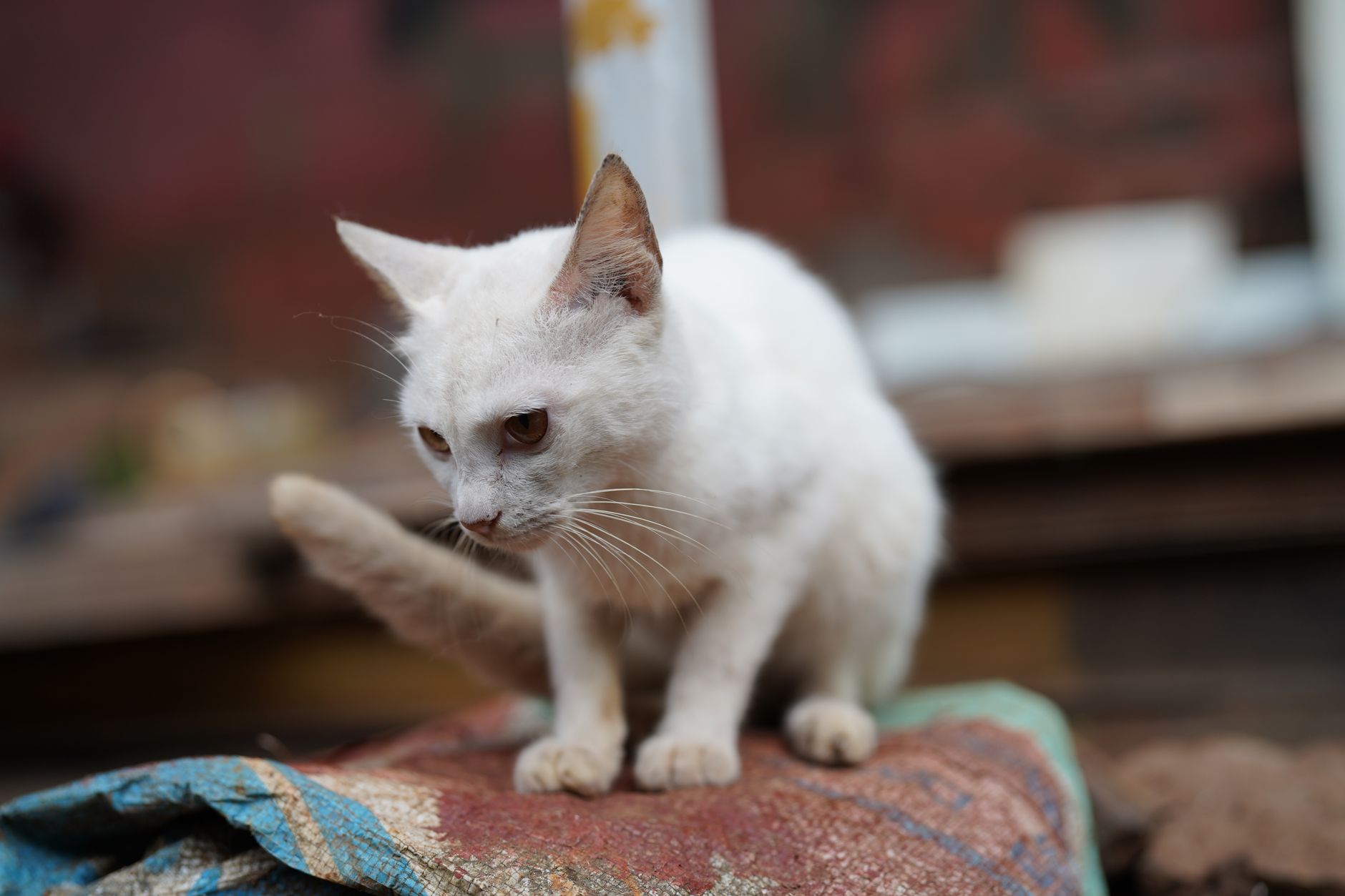
Elevated blood urea nitrogen (BUN) levels in senior cats can be indicative of several underlying conditions, each with its own pathophysiological mechanism. Understanding these causes is crucial for accurate diagnosis and effective management. According to veterinary literature consistently reports, chronic renal failure (CRF), dehydration, gastrointestinal bleeding, and hepatic disease are among the most common reasons for elevated BUN levels in cats.
Chronic renal failure leads to a reduced glomerular filtration rate (GFR) and impaired excretion of urea nitrogen. As a result, BUN levels rise above the reference interval, indicating azotemia. In cases where the creatinine level is also elevated (outside the reference interval), CRF is highly likely. Dehydration can concentrate blood, leading to an increase in BUN without necessarily reflecting kidney function impairment. This scenario typically resolves with fluid therapy and rehydration.
Gastrointestinal bleeding can cause a significant rise in BUN levels due to the breakdown of hemoglobin into urea nitrogen. This condition often presents alongside other signs such as melena or occult blood in feces, requiring immediate investigation and intervention. Additionally, hepatic disease can elevate BUN levels through reduced protein synthesis and impaired urea metabolism.
It is important to differentiate these causes based on clinical presentation and laboratory findings. For instance, a cat with chronic renal failure may also exhibit elevated SDMA (symmetric dimethylarginine) levels, which are more specific indicators of kidney function decline compared to BUN alone. In contrast, gastrointestinal bleeding might be accompanied by anemia or iron deficiency markers.
| Condition | BUN Level (mg/dL) | Creatinine Level (mg/dL) |
|---|---|---|
| Chronic Renal Failure | 28-35 | 1.9-2.4 |
| Dehydration | 30-35 | 1.6-2.0 |
| Gastrointestinal Bleeding | 35-40 | 2.0-2.5 |
| Hepatic Disease | 30-40 | 2.5-3.0 |
| Normal Reference Range | 8-24 |