What Should You Check in Senior Goat Blood Tests?
What Should You Check in Senior Goat Blood Tests?
Wondering what a full interpretation looks like? See a sample report →
Why Are Blood Tests Important for Senior Goats?

The importance of regular blood tests in senior goats cannot be overstated. These tests serve as a critical tool for veterinarians and goat owners to monitor the health status of older animals, enabling early detection of potential issues before they become severe. As goats age, their bodies undergo various physiological changes that can lead to chronic conditions such as kidney disease, liver dysfunction, anemia, and metabolic disorders. Regular blood tests help in identifying these conditions at an early stage when treatment is more effective.
- Early Detection of Kidney Disease: Elevated levels of BUN (blood urea nitrogen) and creatinine are indicative of kidney impairment. In goats, a normal range for BUN is 10-35 mg/dL, while creatinine should be within 0.3-0.8 mg/dL. Values above these ranges suggest renal dysfunction.
- Monitoring Liver Health: Blood tests can also reveal liver issues through elevated levels of enzymes such as ALT (alanine aminotransferase) and AST (aspartate transaminase). Normal ALT levels in goats range from 6-14 U/L, with values above the reference interval indicating potential liver damage or disease. Elevated ALT can be caused by conditions like liver flukes or plant toxicity.
Regular blood tests are also crucial for managing anemia and other hematological disorders in senior goats. Anemia is often a sign of underlying health issues such as barber pole worm infestation or copper deficiency, both of which require prompt intervention to prevent further complications. By conducting routine blood work, veterinarians can monitor red blood cell counts (RBC), hemoglobin levels, and packed cell volume (PCV) to ensure that the goat’s hematological profile remains within normal limits.
Moreover, blood tests provide valuable insights into metabolic health, including glucose regulation and electrolyte balance. Abnormalities in these areas can indicate conditions such as pregnancy toxemia or ketosis, which are particularly common in late-pregnant does. Early detection through routine testing allows for timely dietary adjustments and medical interventions to prevent severe complications.
What Is a Complete Blood Count (CBC)?
The complete blood count (CBC) is a fundamental diagnostic tool in veterinary medicine, providing critical information about a goat’s overall health. It evaluates the cellular components of blood, including white blood cells (WBCs), red blood cells (RBCs), and platelets. This test helps veterinarians detect infections, anemias, inflammatory conditions, and other systemic issues that may affect senior goats.
Published veterinary research has shown that a CBC can reveal significant insights into the immune status and hematologic health of older animals. For instance, changes in WBC counts can indicate bacterial or viral infections, while alterations in RBC parameters might suggest anemia due to chronic disease or nutritional deficiencies. Platelet levels are also crucial for assessing clotting disorders.
- White Blood Cells (WBCs): These cells play a vital role in the immune system and can indicate various conditions such as infections, inflammation, or stress.
- Red Blood Cells (RBCs): RBCs carry oxygen throughout the body. Decreased levels may suggest anemia, while increased levels could point to dehydration or polycythemia.
- Platelets: Platelets are essential for blood clotting and can indicate issues like thrombocytopenia (low platelet count) or thrombocythemia (high platelet count).
In senior goats, a CBC is particularly important because it helps monitor age-related changes in blood parameters. For example, chronic inflammation due to arthritis or other degenerative conditions can be detected through elevated WBC counts. Additionally, anemia, which is common in older animals due to reduced iron absorption or chronic disease, can be identified by assessing RBC indices.
Normal Reference Ranges for Senior Goat CBC Parameters

The complete blood count (CBC) is a fundamental diagnostic tool in veterinary medicine, providing critical insights into the health status of senior goats. This test evaluates various components of the blood, including red and white blood cells, as well as platelets. Understanding the normal reference ranges for these parameters is essential for veterinarians to accurately interpret results and identify potential health issues.
Published veterinary research has shown that age-related changes can affect CBC values in senior goats. As goats enter their later years, there may be a slight decrease in red blood cell counts due to reduced bone marrow activity or chronic conditions such as anemia. White blood cell counts might also vary based on the goat’s immune response to infections or inflammation.
The following table outlines the normal reference ranges for key CBC parameters in senior goats:
| Parameter | Normal Range (cells/µL) |
|---|---|
| Red Blood Cells (RBC) | 13.6-23.7 x10^6/uL |
| Hemoglobin (HGB) | 8.9-13.8 g/dL |
| Hematocrit (HCT) | 28-44% |
| White Blood Cells (WBC) | 7.2-17.7 x10^3/uL |
| Platelets (PLT) | 247-912 x10^3/uL |
| Neutrophils (NEUT) | 1.9-9.5 x10^3/uL |
| Lymphocytes (LYM) | 2.6-11.7 x10^3/uL |
| Monocytes (MONO) | 0-0.9 x10^3/uL |
| Eosinophils (EOS) | 0-0.8 x10^3/uL |
| Basophils (BASO) | 0-0.3 x10^3/uL |
See the full reference intervals for the goat — every value cited to the laboratory document or paper it came from.
Veterinary literature consistently reports that deviations from these normal ranges can indicate various health issues in senior goats, such as anemia, infections, or inflammation. For instance, a high neutrophil count might suggest an acute bacterial infection, while elevated eosinophils could point to parasitic infestations.
It is crucial for veterinarians and goat owners alike to monitor these parameters regularly, especially in senior goats, as they can provide early warning signs of underlying health problems. Regular blood tests allow for timely intervention and management of potential issues before they become severe.
What Can Cause Abnormal CBC Results?
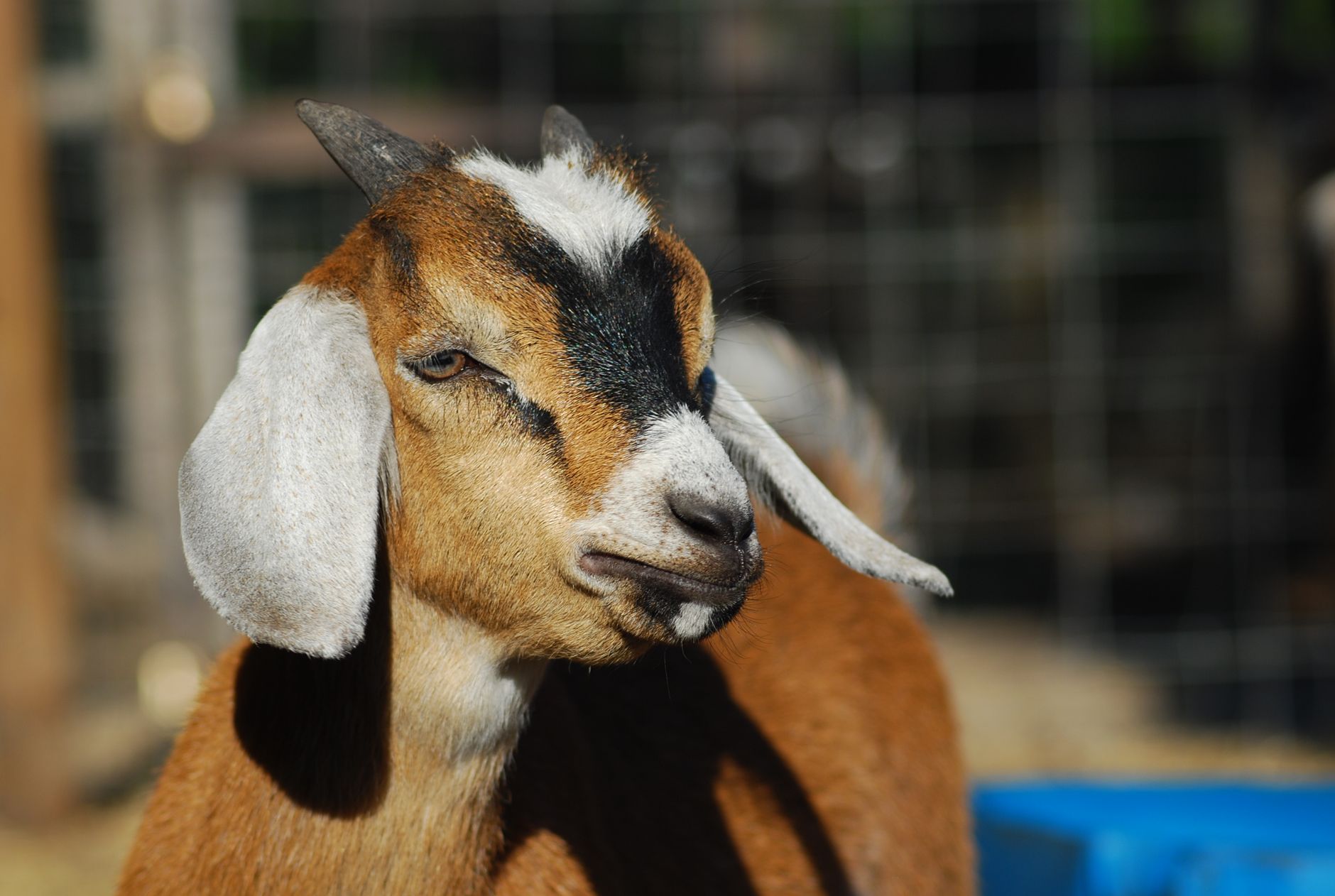
The complete blood count (CBC) is a critical diagnostic tool in veterinary medicine, providing insights into various systemic conditions affecting senior goats. Common causes of abnormal CBC results include infections, anemia, and inflammation. Understanding these underlying mechanisms helps veterinarians tailor appropriate treatment plans.
- Infections: Bacterial or viral infections can lead to leukocytosis (elevated white blood cell count) as the body mounts a defense response. For instance, liver fluke infestations often cause an increase in eosinophils and neutrophils due to the immune system’s response.
- Anemia: Anemia can be caused by various factors such as parasitic infections like barber pole worms, chronic blood loss, or nutritional deficiencies. Copper deficiency is a common cause of anemia in goats, leading to microcytic hypochromic red blood cells.
- Inflammation: Chronic inflammation can result from conditions such as arthritis or inflammatory bowel disease, causing leukocytosis and elevated C-reactive protein (CRP) levels. Inflammatory cytokines stimulate the bone marrow to produce more white blood cells, leading to a higher WBC count.
Evidence indicates that abnormal CBC results can also be indicative of underlying metabolic disorders or organ dysfunction. For example, high ALT levels (outside the reference interval) may suggest liver damage due to toxins or infections, while low phosphorus (4.5-7.8 mg/dL) and magnesium (2.8-3.6 mg/dL) can indicate nutritional deficiencies.
| Parameter | Normal Range (U/L) |
|---|---|
| ALT | 6-14 U/L |
| Phosphorus (mg/dL) | 2.5–6.0 |
| Magnesium (mg/dL) | 1.5–2.5 |
| WBC (x10^3/µL) | 7.2–17.7 |
| RBC (cells/µL) | 13.6–23.7 million |
| Hemoglobin (g/dL) | 8.5–12.0 |
| Platelets (x10^3/µL) | 247–912 |
Understanding these thresholds and their clinical implications is crucial for time