Elevated BUN in Ferrets – Kidney Failure Early Signs
Wondering what a full interpretation looks like? See a sample report →
Why Should Pet Owners Care About Elevated BUN in Ferrets?
BUN levels are influenced by various factors in ferrets, including diet, hydration status, gastrointestinal health, and overall renal function. When BUN is above the reference range, it suggests that the kidneys may not be functioning optimally to remove waste products from the blood. This can lead to a buildup of toxins, which over time can cause clinical signs such as reduced appetite, vomiting, or lethargy.
It’s important for pet owners to understand that while an elevated BUN is significant, it does not definitively diagnose kidney disease on its own. Other parameters like creatinine and urine analysis must be considered alongside BUN levels to get a comprehensive picture of the ferret’s health status. For example, if a ferret exhibits persistent lethargy and reduced appetite along with an elevated BUN, further diagnostic tests such as blood work and urinalysis are necessary to rule out kidney disease or other systemic issues.
Monitoring these parameters regularly can help identify changes early on, allowing for timely intervention. Early signs of kidney dysfunction might also include increased thirst, frequent urination, or weight loss. These symptoms should prompt pet owners to seek veterinary advice promptly. A veterinarian will likely recommend additional tests such as imaging studies (e.g., ultrasound) and blood pressure measurement to assess the ferret’s overall health status.
In summary, elevated BUN levels in ferrets warrant careful attention from pet owners due to their potential link with kidney disease or other serious conditions. Regular monitoring and prompt veterinary consultation are key to maintaining your ferret’s health and well-being.
What is Blood Urea Nitrogen (BUN)?
Blood urea nitrogen, or BUN, is a marker that reflects how well your ferret’s body processes waste products. It measures the amount of urea in the blood, which comes from protein breakdown and is normally filtered out by the kidneys. When BUN levels are above the reference range (10-45 mg/dL), it can indicate issues with kidney function, but other factors like dehydration or gastrointestinal bleeding can also cause an increase.
In ferrets, BUN plays a crucial role in assessing overall health because it helps identify potential problems early on. Elevated BUN is often one of the first signs that something might be wrong with your pet’s kidneys. However, it’s important to note that high BUN levels can also result from conditions unrelated to kidney disease, such as dehydration or gastrointestinal bleeding.
When interpreting BUN results for ferrets, veterinarians consider several factors alongside this marker. For instance, creatinine levels are often evaluated together with BUN because both markers reflect kidney function (normal creatinine ranges in ferrets by age). Additionally, the presence of other clinical signs like reduced appetite, vomiting, or weight loss can help pinpoint the underlying cause. If your ferret’s BUN is elevated, it’s crucial to discuss these findings with a veterinarian who will consider all aspects of your pet’s health.
It is also important to understand that while an elevated BUN level may suggest kidney dysfunction, it does not provide specific information about which part of the kidney might be affected. For example, if a ferret has chronic renal disease, the BUN levels could rise due to reduced glomerular filtration rate (GFR), but this would need confirmation through further diagnostic tests such as urinalysis or imaging studies.
Moreover, in clinical practice, veterinarians often look at trends over time rather than single measurements. A consistent increase in BUN levels can be more indicative of progressive kidney disease compared to a one-time elevation due to transient factors like dehydration (normal BUN ranges in ferrets by age). Therefore, regular monitoring and follow-up tests are essential for accurate diagnosis and management.
Laboratory Reference Ranges for Ferret BUN Levels

The Blood Urea Nitrogen (BUN) test is a common blood marker used to assess kidney function in ferrets. The normal reference range for BUN in healthy ferrets is 10-45 mg/dL. This value helps veterinarians understand if the kidneys are functioning properly by measuring how well they filter waste products from the bloodstream. Elevated levels of BUN can indicate various conditions, including reduced renal excretion or dehydration (pre-renal causes), gastrointestinal bleeding, or a high-protein meal recently consumed by the ferret.
Conversely, if BUN is below the reference range, it may suggest hepatic insufficiency, low protein intake, or marked diuresis. It’s important to note that while an elevated BUN level can be indicative of kidney dysfunction, other factors must also be considered before making a definitive diagnosis.
When evaluating BUN levels in ferrets, it is crucial to consider the animal’s overall health status and recent dietary history. For example, if a ferret has been on a high-protein diet or has recently consumed large amounts of protein-rich foods, this could temporarily elevate their BUN levels without indicating kidney failure.
It’s also important to evaluate BUN alongside other markers such as creatinine and specific gravity in urine tests to get a comprehensive picture of kidney health. Elevated BUN levels should prompt further investigation, including imaging studies like ultrasound or more detailed blood work, to determine the underlying cause. This multi-faceted approach ensures that any potential issues are identified early on, allowing for timely intervention.
For instance, if a ferret’s BUN level is consistently elevated over several consecutive tests and other markers such as creatinine also show abnormalities, this could indicate chronic kidney disease (CKD). In such cases, further diagnostic steps like an abdominal ultrasound or urinalysis would be warranted to assess the extent of renal damage.
| Marker | Normal Range |
|---|---|
| BUN | 10-45 mg/dL |
| Creatinine | 0.2-1 mg/dL |
| Specific Gravity (Urine) | 1.040-1.052 |
See the full reference intervals for the ferret — every value cited to the laboratory document or paper it came from.
What Causes Elevated BUN Levels in Ferrets?
Elevated blood urea nitrogen (BUN) levels in ferrets can be a sign of several underlying conditions, each with its own set of clinical implications. When BUN is above the reference range, it often indicates that the body isn’t efficiently removing waste products through the kidneys or other organs. Common causes include kidney disease, dehydration, gastrointestinal bleeding, and proteinuria.
Kidney disease in ferrets can lead to a buildup of urea nitrogen because the kidneys are responsible for filtering out this waste product from the blood. As kidney function declines, BUN levels rise as the body struggles to eliminate excess nitrogen. Dehydration is another frequent cause; when a ferret becomes dehydrated, less urine is produced, and urea accumulates in the bloodstream. Gastrointestinal bleeding can also elevate BUN because the digested blood proteins are broken down into amino acids, which then become urea.
Proteinuria, or excess protein in the urine, can contribute to elevated BUN levels as well. When ferrets lose significant amounts of protein through their urine, it often indicates damage to the kidney’s filtering system. This condition is not only a marker for kidney disease but also suggests that other organs might be affected.
It’s important to note that while an elevated BUN level can point towards these conditions, it does not confirm them on its own. A veterinarian will consider additional tests and clinical signs to make a definitive diagnosis. For instance, they may order a urinalysis to check for proteinuria or blood in the urine, or perform imaging studies like X-rays or ultrasounds to assess kidney structure.
| Cause | Mechanism | Typical Signs |
|---|---|---|
| Kidney Disease | Reduced renal excretion of urea nitrogen. | Reduced appetite, weight loss, lethargy. |
| Dehydration | Decreased urine output leading to urea accumulation. | Dry gums, reduced skin elasticity. |
| Gastrointestinal Bleeding | Protein digestion and urea production from blood loss. | Black, tarry stools; weakness. |
| Proteinuria | Excess protein in urine due to kidney damage. | Abdominal discomfort, increased thirst. |
How Does Elevated BUN Compare with Other Kidney Markers?
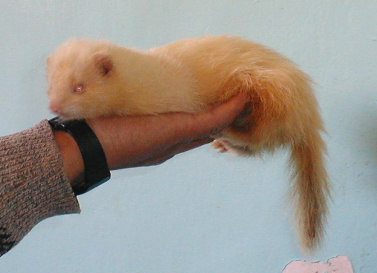
Elevated blood urea nitrogen (BUN) is a common indicator of kidney dysfunction in ferrets, but it’s important to understand how it compares to other markers like creatinine and symmetric dimethylarginine (SDMA). While BUN can rise due to dehydration or gastrointestinal bleeding, it doesn’t always provide the full picture. For instance, if a ferret shows elevated BUN levels without signs of kidney disease, further investigation into potential causes such as proteinuria or gastrointestinal issues is warranted.
Creatinine, on the other hand, reflects glomerular filtration rate (GFR) more directly and is less affected by factors like muscle mass or protein intake. This makes it a reliable marker for monitoring chronic kidney disease progression over time. However, creatinine levels can still be influenced by certain conditions such as severe dehydration or muscle wasting.
SDMA has gained attention in recent years due to its ability to detect early stages of renal impairment before changes in BUN and creatinine become apparent. SDMA is less affected by factors like protein intake or body condition, making it particularly useful for identifying kidney damage at an earlier stage when intervention can be more effective.
For a comprehensive assessment, veterinarians often look at all three markers together: BUN for immediate signs of azotemia, creatinine to gauge GFR over time, and SDMA as an indicator of early renal impairment. Each marker provides unique insights into kidney function, helping the vet tailor diagnostic approaches and treatment plans accordingly.
It is crucial to note that while BUN can be elevated due to non-renal causes such as gastrointestinal bleeding or dehydration, it may not accurately reflect chronic kidney disease (CKD). In contrast, creatinine levels are more stable over time but can still fluctuate in cases of severe muscle wasting. SDMA offers a more sensitive and earlier detection of renal impairment compared to BUN and creatinine.
For example, if a ferret presents with elevated BUN without clinical signs of kidney disease, the veterinarian might consider additional tests such as urinalysis for proteinuria or imaging studies to rule out gastrointestinal bleeding. In cases where SDMA is significantly elevated while BUN and creatinine are still within normal limits, this could indicate early-stage renal damage that requires prompt intervention.
| Marker | What it Adds | When Preferred |
|---|---|---|
| BUN | Quick indicator of azotemia; can rise due to dehydration or gastrointestinal bleeding. | When assessing immediate kidney function or fluid status. |
| Creatinine | Reflects glomerular filtration rate (GFR) over time; less affected by protein intake or dehydration. | For monitoring chronic kidney disease progression. |
| SDMA | Detects early renal impairment; less influenced by muscle mass or protein intake. | When suspecting early-stage kidney disease or in small animals where creatinine may be misleading. |
How Should Elevated BUN Levels Be Interpreted?
Elevated blood urea nitrogen (BUN) levels in ferrets can indicate several underlying issues, ranging from dehydration to kidney dysfunction. When interpreting elevated BUN results, it’s important to consider the clinical context and other test findings alongside t