Wondering what a full interpretation looks like? See a sample report →
Why Are Liver Function Tests Important for Ferrets?
Abnormal liver function tests can indicate various conditions such as hemolysis, hepatic disease, or cholestasis. For instance, increased bilirubin may suggest issues with red blood cell breakdown (hemolysis) or problems in the bile ducts and gallbladder (cholestasis). These findings are important because they guide further diagnostic steps to pinpoint the exact cause of liver dysfunction.
Once a liver issue is suspected based on elevated bilirubin levels, veterinarians will likely recommend additional tests such as imaging studies or more specific blood work. For example, an ultrasound can help visualize any structural changes in the liver, while other blood markers like ALP and ALT provide further clues about the extent of liver damage. Early detection through these comprehensive evaluations is key to managing ferret health effectively.
Understanding the clinical context of elevated bilirubin levels is essential for veterinarians. Bilirubin is a byproduct of red blood cell breakdown, and its measurement can indicate whether there are issues with hemolysis or liver dysfunction. In cases where bilirubin levels are significantly elevated, it may be necessary to investigate further into the underlying cause, such as anemia due to hemolysis or obstruction in bile flow.
Moreover, liver function tests help monitor the progression of chronic conditions and assess the effectiveness of treatment plans. For example, if a ferret is being treated for hepatic lipidosis (fatty liver disease), regular monitoring of bilirubin levels can provide insights into how well the treatment is working and whether adjustments are needed.
In summary, liver function tests, including measurements of bilirubin, are indispensable tools in maintaining the health of ferrets. They enable early detection of liver issues, guide further diagnostic steps, and help monitor disease progression and response to therapy.
What Is Bilirubin?
Bilirubin is a yellow-orange pigment that forms when your ferret’s body breaks down old red blood cells. It’s an important marker for liver function and can indicate issues with the liver or other parts of the digestive system. When bilirubin levels are high, it often suggests problems like hemolysis (the breakdown of red blood cells), liver disease, or blockages in the bile ducts.
In ferrets, monitoring bilirubin is crucial because elevated levels can signal serious health issues such as hepatic lipidosis or cholestasis. Bilirubin doesn’t have a specific role in causing these conditions but its presence helps veterinarians understand what might be going wrong with your pet’s liver function. For example, if a ferret exhibits signs of jaundice (yellowing of the skin and eyes), it could indicate that there is an obstruction preventing bilirubin from being properly excreted by the liver.
Bilirubin can also be elevated due to conditions like hemolytic anemia where red blood cells are destroyed at a faster rate than normal. This increased breakdown of red blood cells leads to higher levels of unconjugated (indirect) bilirubin in the bloodstream, which is then processed by the liver and converted into conjugated (direct) bilirubin for excretion.
Understanding the role of bilirubin is important because it can help identify potential health problems early on, allowing for timely intervention and better outcomes. If you notice signs like reduced appetite, vomiting, or lethargy in your ferret, these could be indicators that something isn’t right with their liver function. Early detection through regular veterinary check-ups and blood tests can significantly improve the chances of successful treatment.
It’s important to note that while bilirubin levels are a critical indicator for liver health, they should always be interpreted in conjunction with other clinical signs and laboratory results. For instance, an elevated bilirubin level might need to be evaluated alongside changes in liver enzyme activities such as alanine transaminase (ALT) or alkaline phosphatase (ALP). These enzymes can provide additional insights into the specific nature of any liver dysfunction.
Laboratory Reference Ranges for Bilirubin in Ferrets
The total bilirubin level is a critical marker of liver function and blood breakdown processes. In ferrets, the normal reference range for total bilirubin is 0-1 mg/dL. This value reflects the balance between bilirubin production from red blood cell turnover and its clearance by the liver. Bilirubin levels can fluctuate based on various factors such as hydration status, diet, and overall health condition of the ferret.
When a ferret’s total bilirubin level rises above this reference range, it can indicate several underlying issues. Elevated levels may suggest hemolysis (the breakdown of red blood cells), hepatic dysfunction, or cholestasis (a condition where bile flow is obstructed). Each of these conditions has distinct clinical implications and requires further investigation to determine the exact cause.
For instance, if a ferret exhibits signs such as jaundice, lethargy, and dark-colored urine, an elevated bilirubin level could be indicative of liver disease or hemolysis. In cases where bilirubin levels are significantly high, it is crucial to conduct additional tests to differentiate between these conditions.
It’s important for veterinarians to interpret bilirubin levels alongside other liver function tests such as ALP, ALT, AST, and GGT. These markers can provide a more comprehensive picture of hepatic health and help pinpoint whether the issue lies with red blood cell destruction, liver disease, or bile duct obstruction.
For example, if an affected ferret shows persistently elevated bilirubin levels along with markedly increased ALP and GGT values, it may suggest cholestasis. Conversely, if ALT and AST are significantly higher than the normal range for 54-289 U/L and 28-248 U/L, respectively, this could indicate hepatocellular damage.
Understanding these reference ranges is crucial in diagnosing and managing liver diseases in ferrets. Veterinarians should always consult laboratory-specific reference intervals provided by the testing facility to ensure accurate interpretation of test results.
| Marker | Normal Range |
|---|---|
| Total Bilirubin | 0-1 mg/dL |
| ALP | 3-120 U/L |
| ALT | 54-289 U/L |
| AST | 28-248 U/L |
| GGT | 0-5 U/L |
See the full reference intervals for the ferret — every value cited to the laboratory document or paper it came from.
What Can Cause Elevated Bilirubin Levels?
Elevated bilirubin levels in ferrets can indicate a range of underlying health issues, primarily related to liver function or blood breakdown. When bilirubin is above the reference range, it suggests that either too much hemoglobin is being broken down (hemolysis), the liver isn’t processing bilirubin effectively (hepatic dysfunction), or there’s an obstruction in the bile ducts preventing normal excretion of bilirubin (cholestasis).
One common cause of elevated bilirubin is hemolytic anemia, where red blood cells break down faster than usual. This can be due to conditions like insulinoma, which affects glucose regulation and may lead to stress-induced hemolysis in ferrets. Hemolytic anemia often results from immune-mediated destruction or mechanical damage to the erythrocytes, leading to increased bilirubin production as a byproduct of hemoglobin breakdown. Another potential cause is liver disease, such as hepatic lipidosis or inflammation, both of which impair the liver’s ability to process bilirubin properly. Liver diseases can be caused by various factors including dietary issues, obesity, and metabolic disorders.
Cholestasis, often associated with bile duct obstruction due to tumors or inflammatory conditions like pancreatitis, can also elevate bilirubin levels. Bile duct obstruction prevents the normal excretion of conjugated (direct) bilirubin into the intestines, leading to its accumulation in the bloodstream and subsequent elevation in serum levels.
When a veterinarian sees elevated bilirubin in a ferret, they will consider these potential causes and may order additional tests such as imaging studies (like ultrasound) to look for structural abnormalities, or more specific blood tests to assess liver function. For instance, measuring enzymes like ALP and ALT can help determine if there is active liver damage or inflammation (elevated ALT levels in ferrets with liver disease). Bilirubin levels alone do not provide a definitive diagnosis but are an important clue that guides further investigation.
It’s crucial for veterinarians to understand the clinical context of elevated bilirubin in ferrets, as it often correlates with significant health issues requiring prompt attention and intervention. Elevated bilirubin can be indicative of severe underlying conditions that may require immediate treatment or management strategies tailored to the specific cause.
| Cause | Mechanism | Typical Signs |
|---|---|---|
| Hemolytic Anemia | Increased red blood cell breakdown leading to elevated bilirubin. | Reduced appetite, lethargy, pale gums. |
| Liver Disease | Impaired liver function affecting bilirubin metabolism. | Jaundice, weight loss, abdominal discomfort. |
| Cholestasis | Bile duct obstruction preventing normal bilirubin excretion. | Yellowing of the skin, dark urine, vomiting. |
How Does Bilirubin Compare to Other Liver Function Markers?
Bilirubin, ALT (alanine aminotransferase), AST (aspartate aminotransferase), and ALP (alkaline phosphatase) are key markers used in evaluating liver health in ferrets. Each marker provides unique insights into different aspects of hepatic function or injury. Bilirubin, for instance, reflects the breakdown of red blood cells and the liver’s ability to process bilirubin, while ALT is a sensitive indicator of hepatocellular damage.
ALT levels are particularly useful in detecting early-stage liver cell injury because they rise significantly when liver cells are damaged. In contrast, AST can be elevated due to muscle injury as well, so it’s important to interpret AST alongside CK (creatine kinase) and ALT for a clearer picture of the cause. ALP, on the other hand, is more indicative of bile flow issues or cholestasis rather than direct liver cell damage.
When comparing these markers in ferrets, an elevated bilirubin level might suggest hemolysis, hepatic dysfunction, or cholestasis. If ALT and AST are also markedly above their reference ranges (54-289 U/L and 28-248 U/L), it could indicate hepatocellular injury. However, if ALP is significantly increased while other markers remain within normal limits, this points more towards a bile flow issue rather than liver cell damage.
It’s important to note that each marker has its own clinical context and utility in diagnosing specific conditions. For example, bilirubin levels can be particularly informative when there are signs of jaundice or anemia, as they indicate the breakdown of red blood cells and the liver’s ability to process these byproducts effectively.
ALT is often used as a primary indicator for hepatocellular damage because it is highly sensitive to changes in liver cell integrity. In contrast, AST can be elevated due to muscle injury, making it less specific than ALT when assessing liver health alone. Therefore, AST should always be interpreted alongside CK levels to rule out non-hepatic causes of elevation.
ALP, while not as sensitive for hepatocellular damage, is crucial in diagnosing bile flow issues or cholestasis. Elevated ALP levels without significant changes in ALT and AST suggest a problem with bile duct obstruction rather than direct liver cell injury.
| Marker | What it Adds | When Preferred |
|---|---|---|
| Bilirubin | Indicates hemolysis, hepatic dysfunction, or cholestasis. | When there are signs of jaundice or anemia. |
| ALT | Sensitive indicator of hepatocellular damage. | When liver cell injury is suspected. |
| AST | Reflects both hepatocellular and muscle damage. | When muscle injury is also a concern. |
| ALP | Indicates bile flow issues or cholestasis. | When there are signs of jaundice without liver cell damage. |
How Should I Interpret My Ferret’s Bilirubin Levels?
Bilirubin levels in your ferret can provide important clues about liver health and blood breakdown processes. When bilirubin is above the reference range, it suggests that there may be issues with hemolysis (the destruction of red blood cells), hepatic dysfunction, or cholestasis (a condition where bile flow from the liver is blocked). Elevated levels are a sign that your ferret’s body might not be processing waste products efficiently.
On the other hand, if bilirubin levels are within the reference range, it generally indicates that there isn’t an immediate concern with these processes. However, it’s important to consider the context of other test results and clinical signs when interpreting this marker. For instance, a normal bilirubin level does not rule out liver disease entirely; other markers like ALP (alkaline phosphatase) or GGT (gamma-glutamyl transferase) might still be elevated.
When evaluating your ferret’s bilirubin levels alongside other tests, it’s crucial to look at the big picture. For example, if you notice that your ferret is experiencing reduced appetite, vomiting, diarrhea, or weight loss, these symptoms combined with abnormal liver enzyme levels could indicate a more serious issue such as hepatic lipidosis or cholangiohepatitis.
| Finding | What it may suggest | Suggested next step |
|---|---|---|
| Above the reference range | Hemolysis, hepatic dysfunction, or cholestasis may be present. | Consult your veterinarian for further evaluation and possible imaging studies like an ultrasound to assess liver health. |
| Within the reference range | No immediate concern with bilirubin metabolism, but other markers should be considered. | Monitor for any changes in clinical signs and repeat blood work if symptoms persist or worsen. |
Understanding the context of your ferret’s bilirubin levels is key. If the level is above the reference range, it’s important to investigate further as this could indicate a serious underlying condition such as liver disease or hemolysis. Your veterinarian will likely recommend additional tests like imaging studies (ultrasound) and possibly more specific blood work to pinpoint the exact cause.
Conversely, if bilirubin levels are within normal limits but your ferret is showing signs of illness, it’s still crucial to consult with a vet. Other markers such as ALP or GGT might be elevated even when bilirubin isn’t, indicating potential liver issues that need attention.
In summary, while an elevated bilirubin level can signal significant health concerns in your ferret, normal levels do not guarantee everything is fine. Always consider the overall clinical picture and consult with a professional to ensure your pet receives appropriate care.
Are There Breed or Age Differences in Bilirubin Levels?
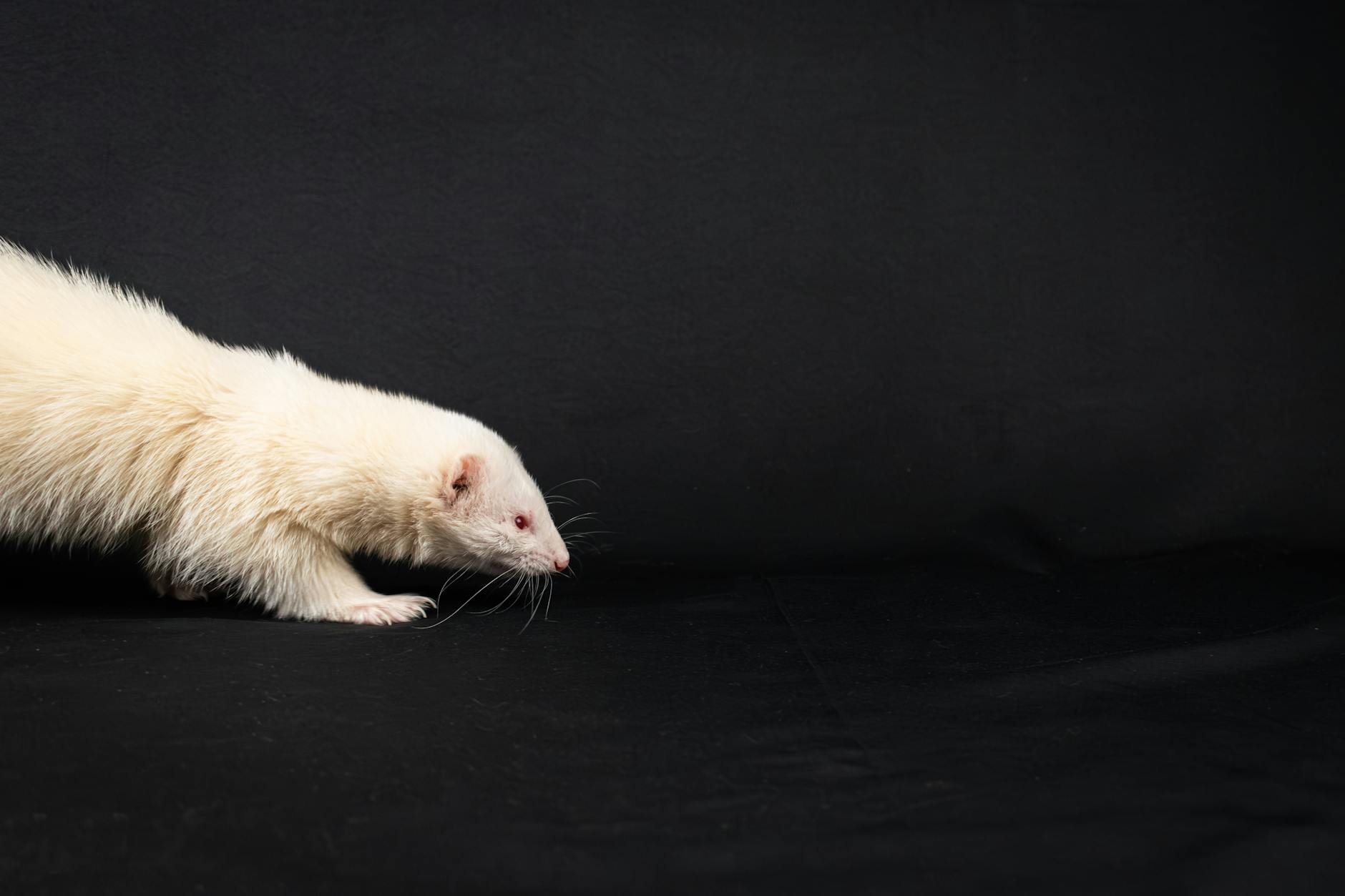
Bilirubin levels in ferrets do not show significant differences based on coat color or breed. Coat color variations such as sable, albino, panda, silver, chocolate, cinnamon, and dark-eyed white are purely cosmetic and do not influence blood parameters like bilirubin. However, age can play a role in how bilirubin levels appear in ferrets.
In younger ferrets, typically under two years of age, bilirubin levels tend to be within the reference range as their liver function is generally robust and efficient at processing this waste product of red blood cell breakdown. As ferrets enter middle age, particularly those over three years old, they may develop conditions such as insulinoma or adrenal disease that can affect liver function indirectly through metabolic changes or direct hepatic involvement.
When evaluating bilirubin levels in older ferrets, it’s important to consider the broader clinical picture and other blood parameters. Elevated bilirubin alongside increased liver enzymes (such as ALT or GGT) may suggest underlying liver disease or dysfunction. For example, if a middle-aged ferret presents with elevated bilirubin and an elevated GGT, this could indicate hepatocellular damage. In these cases, further diagnostic steps like imaging studies or a liver biopsy might be necessary to pinpoint the cause.
It’s also crucial to monitor trends over time rather than focusing solely on single data points. For instance, if repeated blood tests show an increasing trend in bilirubin levels alongside rising GGT values, this could signal progressive liver disease that requires more aggressive management and monitoring.
When Should I Take My Ferret to the Vet Based on Bilirubin Levels?
Elevated bilirubin levels in your ferret can indicate a range of issues, from hemolysis to liver dysfunction or blockages in bile flow. If you notice that your pet’s bilirubin is above the reference range, it’s important to consider what clinical signs your ferret might be showing and whether these warrant an immediate visit to the veterinarian.
Bilirubin levels can vary widely among individual animals due to differences in their health status and underlying conditions. However, when bilirubin levels are markedly elevated, this often suggests a more serious underlying condition that requires prompt attention. Clinical signs such as reduced appetite, vomiting, diarrhea, weight loss, lethargy, or abdominal discomfort should prompt you to seek veterinary care promptly. These symptoms can be indicative of liver disease, which may require immediate intervention.
It’s crucial for your veterinarian to evaluate the full clinical picture, including other blood tests and possibly imaging studies like an ultrasound, to determine the cause of elevated bilirubin levels in your ferret. The vet will consider factors such as your pet’s overall health history, current symptoms, and any recent changes in diet or environment. For example, if your ferret has been experiencing persistent vomiting along with jaundice (yellowing of the skin and eyes), these signs together could indicate a serious liver condition that needs immediate attention.
Additionally, it’s important to monitor for other clinical signs such as pale gums, dark-colored urine, or changes in stool color. These can also be indicative of issues related to bilirubin metabolism and should not be ignored. Your veterinarian may recommend further diagnostic tests like a complete blood count (CBC), liver enzyme panel, and possibly abdominal imaging to get a clearer picture of your ferret’s health status.
In summary, if you notice any significant changes in your ferret’s behavior or physical condition that coincide with elevated bilirubin levels, it is advisable to consult your veterinarian as soon as possible. Early intervention can be crucial for managing and treating liver-related conditions effectively.
What Is the Treatment Approach for Elevated Bilirubin Levels?

Elevated bilirubin levels in ferrets can indicate a range of underlying conditions, from hemolysis to liver disease. The treatment approach depends on identifying and addressing the root cause. For instance, if elevated bilirubin is due to hemolysis, managing anemia and supporting the ferret’s overall health becomes crucial. This may involve blood transfusions or iron supplementation depending on the severity of anemia.
When treating elevated bilirubin levels, your veterinarian will consider several factors including the severity of the condition, the presence of clinical signs such as reduced appetite or lethargy, and any concurrent illnesses. For example, if a ferret is showing signs of liver dysfunction alongside high bilirubin, treatment might focus on supportive care like fluid therapy to manage dehydration and medications that support liver function. In cases where there is evidence of bile duct obstruction, surgical intervention may be necessary.
Monitoring strategies are also important in managing elevated bilirubin levels. Regular blood tests can help track changes in bilirubin levels over time, allowing your veterinarian to adjust the treatment plan as needed. Additionally, monitoring other liver enzymes such as ALT (alanine aminotransferase) and ALP (alkaline phosphatase) alongside bilirubin provides a more comprehensive picture of liver health. For instance, if ALT is markedly elevated while ALP remains within normal limits, it suggests hepatocellular damage rather than cholestasis.
It’s crucial to understand that the treatment approach for elevated bilirubin levels in ferrets can vary widely depending on the specific cause and clinical presentation. In cases where hemolysis is suspected due to infectious diseases like Mycoplasma or Eperythrozoonosis, antibiotics may be prescribed alongside supportive care measures. Similarly, if liver disease is diagnosed, medications such as ursodeoxycholic acid might be used to improve bile flow.
| Marker | What It Adds | When Preferred |
|---|---|---|
| ALT | Indicates hepatocellular damage | When liver enzymes are elevated and a cause needs to be determined |
| ALP | Suggests cholestasis or bone disease | When there is suspicion of bile duct obstruction or bone-related issues |
| Bilirubin | Reflects hemolysis, hepatic dysfunction, or cholestasis | When jaundice is present and liver function needs to be assessed |
| AST | Indicates muscle or liver damage | When there is concern for both muscular and hepatic issues |
| GGT | Suggests bile duct obstruction or liver disease | When there is suspicion of cholestasis or hepatic pathology |
Frequently Asked Questions
What does high total bilirubin mean for my ferret?
High levels of total bilirubin can indicate liver problems like inflammation or blockage, or issues with red blood cell breakdown, which could be due to conditions like hemolytic anemia.
Why would my vet check my ferret’s bilirubin level?
Your vet might test bilirubin levels to assess liver health or detect underlying conditions affecting red blood cells, especially if your ferret shows symptoms like lethargy or yellowing skin.
Can low bilirubin levels tell me anything about my ferret’s health?
Low bilirubin levels generally don’t provide useful information since they are considered normal unless there is another abnormality in liver tests or blood work.
How often should I have my ferret’s bilirubin checked?
Bilirubin testing frequency depends on your ferret’s overall health; discuss specific needs with your vet based on any existing medical conditions or risk factors.
Is increased bilirubin always related to liver disease?
Increased bilirubin may suggest liver issues but also indicates potential problems elsewhere, such as excessive destruction of red blood cells leading to jaundice.
Does bilirubin help diagnose adrenal disease in ferrets?
While adrenal disease affects hormone levels and other markers, bilirubin alone isn’t diagnostic for adrenal disease; further tests like cortisol measurement are needed.
Could medications affect my ferret’s bilirubin levels?
Certain drugs can influence liver function and thus potentially alter bilirubin levels, so inform your vet about all medications your ferret takes.
Are there dietary changes that impact bilirubin readings?
Diet typically doesn’t directly change bilirubin values, though poor nutrition over time can indirectly affect liver health and bilirubin levels.
Should I worry if my ferret has slightly elevated bilirubin?
Slightly elevated bilirubin warrants attention but not immediate alarm; it requires follow-up by a veterinarian who will consider additional clinical signs and lab results.
What does total bilirubin say about kidney function?
Total bilirubin primarily reflects liver status rather than kidney function; separate tests like BUN and creatinine measure renal health accurately.
Can insulinoma cause changes in bilirubin?
Insulinomas mainly affect glucose metabolism and don’t directly cause changes in bilirubin unless they lead to severe systemic effects impacting the liver.
Do different coat colors affect bilirubin levels in ferrets?
Coat color variations do not influence bilirubin levels; genetic traits unrelated to internal organ functions have no bearing on this test result.
How urgent is it if my ferret’s bilirubin level spikes suddenly?
A sudden spike in bilirubin may indicate serious issues like acute liver failure or hemolysis requiring prompt veterinary evaluation and intervention.
Is bilirubin testing useful for monitoring chronic conditions?
Regular bilirubin checks help monitor chronic liver diseases or ongoing treatments affecting liver function, aiding in managing long-term care effectively.
Sources & Further Reading
This article draws on the following authoritative veterinary references. For your pet’s individual case, consult a licensed veterinarian.
- Merck Veterinary Manual — comprehensive clinical reference for veterinary practice
- Veterinary Clinical Pathology — clinical pathology research and case studies