Wondering what a full interpretation looks like? See a sample report →
Why Should You Care About High GGT in Cattle?
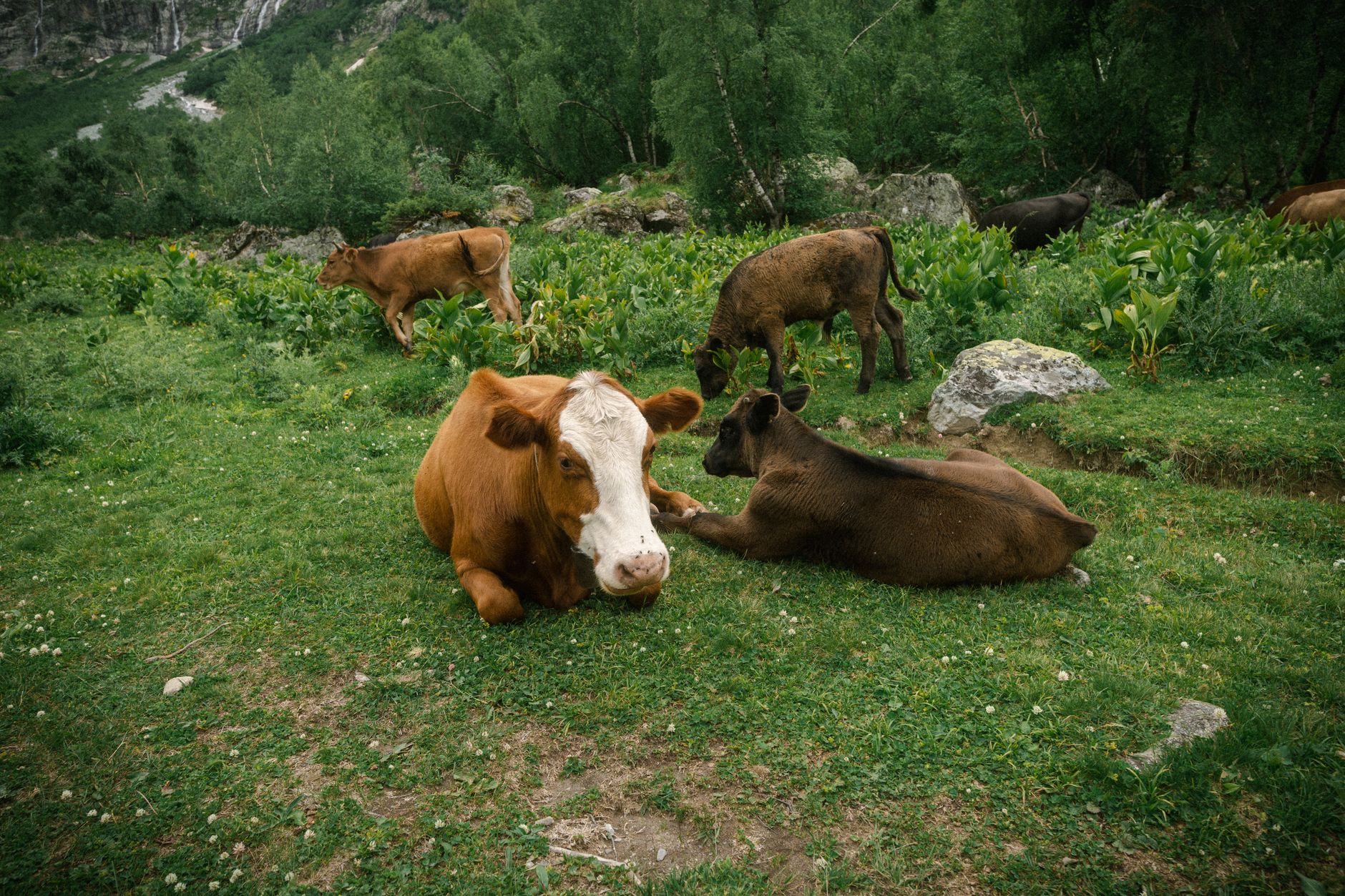
When GGT levels are elevated, it often indicates that the cow’s liver is under stress or damaged. This can manifest in various ways such as reduced milk yield, off-feed behavior, decreased rumination, and even weight loss. These symptoms not only impact the welfare of the animal but also have significant economic implications for dairy farmers who rely on consistent milk production. Early detection through blood tests like GGT allows for prompt veterinary assessment and treatment, which can help mitigate these issues before they escalate into more serious conditions.
Understanding why high GGT matters also involves recognizing its role in conjunction with other liver enzymes. For instance, while GGT is a cholestatic marker, it works alongside other markers such as Alkaline Phosphatase (ALP) and Aspartate Aminotransferase (AST). These enzymes provide a comprehensive picture of the cow’s health status. Elevated levels of ALP can indicate bone or liver disease, while AST is often elevated in cases of muscle damage or liver injury. By monitoring these markers together, veterinarians can gain a more accurate understanding of the underlying issues affecting the animal.
Moreover, high GGT levels may also be associated with metabolic disorders such as ketosis and fatty liver syndrome, which are common in dairy cattle during peak lactation periods. These conditions can severely impact milk production and overall health if left untreated. Regular monitoring of GGT alongside other relevant markers ensures that any underlying issues are identified early, allowing for timely intervention to prevent further complications.
What is GGT?
The Gamma-Glutamyl Transferase (GGT) test measures an enzyme found primarily in the liver and bile ducts of cattle. This enzyme plays a crucial role in transporting amino acids, particularly those involved in glutathione metabolism, across cell membranes. Glutathione is essential for detoxification processes within cells and helps maintain cellular integrity. In cattle, elevated levels of GGT are often indicative of issues related to the biliary system or liver function.
GGT is considered a cholestatic marker, meaning it increases when there’s a blockage or reduced flow in the bile ducts. This can be due to various conditions such as inflammation, obstruction caused by gallstones or tumors, or damage to the bile ducts themselves. For example, if cattle are exposed to certain toxins or suffer from infectious diseases like viral hepatitis, GGT levels may rise significantly. When GGT levels are above the reference range (17-54 U/L), it suggests that the liver and biliary system may not be functioning optimally.
It’s important to note that while elevated GGT is a sign of potential liver or biliary issues, it does not indicate direct hepatocellular damage like other enzymes such as AST (Aspartate Aminotransferase) might. For instance, in an affected animal, if the AST levels remain within normal limits but GGT continues to rise over time, this could suggest a problem with bile flow rather than liver cell injury. Therefore, interpreting GGT alongside other liver function tests provides a more comprehensive understanding of the animal’s health.
GGT can also be elevated in conditions unrelated to liver disease, such as pregnancy or certain medications. However, these elevations are typically mild and do not indicate significant pathology. In clinical practice, veterinarians often use GGT levels in conjunction with other diagnostic tools like ultrasound imaging of the liver and bile ducts to pinpoint the exact cause of elevated enzyme activity.
GGT Reference Ranges for Cattle

The gamma-glutamyl transferase (GGT) is a liver enzyme that plays a crucial role in bile metabolism. In cattle, GGT levels are particularly important as they can indicate issues with the biliary tract or cholestasis. Understanding what constitutes normal and abnormal GGT values helps veterinarians diagnose potential health problems early on.
The normal reference range for GGT in cattle is 17-54 U/L. Elevated GGT levels typically suggest a problem with bile flow, such as obstruction of the bile ducts or inflammation affecting the biliary system. However, it’s important to note that GGT does not indicate hepatocellular damage like other liver enzymes might.
When interpreting GGT results, it is crucial to consider them alongside other liver function tests and clinical signs observed in the animal. For example, if an affected cow exhibits reduced milk yield or off-feed behavior along with elevated GGT levels, further investigation into biliary tract issues may be warranted. Additionally, changes in manure consistency or color can also provide valuable clues.
GGT levels should always be evaluated within the context of a comprehensive clinical assessment. Elevated GGT values might correlate with conditions such as hepatic lipidosis, which is common in dairy cattle experiencing metabolic stress due to high milk production demands. In these cases, veterinarians often observe additional signs like weight loss and poor appetite.
It’s also important to consider the timing of sample collection relative to feeding times, as GGT levels can fluctuate based on recent feed intake. For instance, a cow that has just been fed might show slightly higher GGT values compared to one sampled during fasting periods.
| Parameter | Normal Range |
|---|---|
| GGT | 17-54 U/L |
See the full reference intervals for cattle — every value cited to the laboratory document or paper it came from.
What Causes High GGT Levels?
Elevated levels of Gamma-Glutamyl Transferase (GGT) in cattle can indicate a range of conditions, primarily those affecting the liver and bile ducts. When GGT is above the reference range, it often suggests cholestasis or blockage within the biliary tract. This enzyme plays a key role in transporting amino acids across cell membranes and its levels rise when there’s an obstruction to normal bile flow.
One of the most common causes of high GGT in cattle is liver disease, particularly conditions that lead to fat accumulation in liver cells, such as fatty liver syndrome. This condition often occurs during the transition period around calving or early lactation due to metabolic stress and reduced feed intake. Other factors like copper deficiency can also contribute to elevated GGT levels by causing damage to liver tissue.
GGT is not specific to any single disease; therefore, a markedly elevated result should prompt further investigation into other liver enzymes such as ALP (Alkaline Phosphatase) and AST (Aspartate Aminotransferase). These markers can help differentiate between hepatocellular damage and biliary obstruction. For instance, in cases of cholestasis, GGT is typically elevated alongside ALP, while AST may be normal or only mildly increased.
When interpreting high GGT levels, it’s important to consider the animal’s clinical signs and production context. Cattle with liver issues might show reduced feed intake, decreased milk yield, dullness, diarrhea, or even jaundice. In dairy herds, a drop in milk production can be an early indicator of underlying health problems that affect liver function.
| Cause | Mechanism | Typical Signs |
|---|---|---|
| Fatty Liver Syndrome | Fat accumulation in liver cells disrupts bile flow. | Reduced feed intake, decreased milk yield, dullness. |
| Biliary Obstruction | Physical blockage of bile ducts leads to cholestasis. | Jaundice, abdominal pain, reduced feed intake. |
| Copper Deficiency | Insufficient copper impairs liver function and bile production. | Reduced feed intake, weight loss, dullness. |
| Metabolic Stress | High metabolic demands during transition period strain liver function. | Decreased milk yield, off feed, reduced rumination. |
| Hepatocellular Damage | Liver cell injury increases GGT release into bloodstream. | Abnormal manure, weight loss, weakness. |
How Does GGT Compare to Other Liver Enzymes?

When evaluating liver health in cattle, understanding how different enzymes like AST, ALP, and ALT contribute to the overall picture is crucial. Gamma-glutamyl transferase (GGT) stands out as a marker specifically for cholestasis or biliary tract involvement. Unlike AST and ALT, which primarily indicate hepatocellular injury, GGT’s role is more specific to bile flow issues within the liver. Elevated GGT levels can be indicative of conditions such as hepatic lipidosis, infectious diseases like Leptospirosis, or even certain medications that affect bile production.
AST, on the other hand, provides information about both muscle and liver health. Elevated AST levels can be due to muscle damage as well as liver cell leakage. This makes interpreting AST results alongside CK (creatine kinase) important for distinguishing between muscular and hepatic causes of elevated enzyme levels. For instance, if a cow shows high AST but normal ALT levels, it might suggest that the elevation is more likely related to muscle injury rather than direct liver damage.
ALT is more specific to hepatocellular injury; when ALT rises, it often indicates direct damage or leakage from liver cells. In cattle, an elevated ALT level typically points towards conditions such as fatty liver disease, viral hepatitis, or toxic insults like aflatoxin exposure. The specificity of ALT makes it a valuable tool for diagnosing acute liver injuries.
ALP, similar to GGT, points towards cholestasis but also has additional roles in bone metabolism, especially in younger animals where active bone growth can elevate ALP levels. In cattle, however, the primary concern is usually related to bile flow issues rather than bone activity. Elevated ALP levels might suggest conditions like biliary obstruction or hepatic neoplasia. The table below summarizes how these enzymes differ and what they add to your diagnostic approach.
| Marker | What it Adds | When Preferred |
|---|---|---|
| AST | Indicates muscle and liver injury; must be read alongside CK. | When muscle damage is suspected or when ALT levels are normal but AST is elevated. |
| ALT | Specific to hepatocellular injury; less affected by muscle damage. | When liver cell leakage or direct liver injury is suspected and AST levels are normal. |
| ALP | Indicates cholestasis; also elevated in bone growth or steroid use. | When bile flow issues are suspected, especially if GGT is normal but ALP is markedly elevated. |
| GGT | Specific marker for cholestasis or biliary tract involvement; not affected by bone growth. | When bile flow issues are suspected and ALP is normal but GGT is markedly elevated. |
How Do You Interpret High GGT Levels?
When you see high GGT levels in your cattle, it’s important to understand what this means and how to proceed. Elevated GGT is a cholestatic marker, indicating issues with bile flow or biliary tract involvement rather than liver cell damage. This enzyme plays a key role in the metabolism of bile acids within the liver and its elevation suggests that there might be an obstruction or inflammation affecting the bile ducts.
GGT levels above the reference range can point to various conditions, such as cholangiohepatitis, biliary tract disease, or even certain medications that affect bile flow. In cattle, high GGT often correlates with clinical signs like reduced feed intake, dullness, and possibly jaundice if liver function is significantly compromised.
It’s crucial to interpret GGT alongside other liver enzymes such as ALP (alkaline phosphatase) and AST (aspartate aminotransferase). For instance, in cattle with fatty liver syndrome or hepatic lipidosis, you might see elevated