Amylase and Glucose Together in Dogs: Combined Patterns
When both amylase and glucose are elevated in a dog, these markers together often suggest an issue involving the pancreas. Elevated amylase can indicate pancreatic inflammation or damage, while high glucose may point to impaired insulin release due to pancreatic islet cell injury. This combination warrants further investigation by your veterinarian.
The clinical significance of this pattern lies in its association with conditions such as pancreatitis and diabetes mellitus. Pancreatic inflammation (pancreatitis) can lead to the leakage of amylase into the bloodstream, while damage to insulin-producing cells within the pancreas can result in hyperglycemia. However, it is important to note that these markers are non-specific; other conditions such as kidney disease or stress can also elevate glucose levels.
For a definitive diagnosis and appropriate management plan, your veterinarian will likely recommend additional tests. These may include measuring canine pancreatic lipase (Spec cPL), assessing long-term glycemic control with fructosamine, performing an abdominal ultrasound to visualize the pancreas, and conducting a urinalysis to check for glucose in the urine. The combination of these tests helps differentiate between various causes of elevated amylase and glucose levels.
For instance, if a dog presents with both high amylase and glucose levels, your veterinarian might first order an abdominal ultrasound to look for signs of pancreatic inflammation or enlargement. If pancreatitis is suspected based on the imaging results, further testing such as measuring canine pancreatic lipase (Spec cPL) can confirm the diagnosis.
It’s also crucial to monitor blood glucose levels over time and assess long-term glycemic control using fructosamine tests. This helps determine if hyperglycemia is due to diabetes mellitus or another condition that affects insulin release, such as pancreatitis. In cases where both conditions are suspected, a comprehensive approach including dietary management, pain relief for inflammation, and monitoring of blood glucose levels will be necessary.
Understanding the combined patterns of amylase and glucose in dogs is essential for accurate diagnosis and effective treatment planning. By considering these markers alongside other diagnostic tools, veterinarians can provide better care for dogs suffering from pancreatic issues or diabetes mellitus.
Why Should Pet Owners Care About Amylase and Glucose Levels in Dogs?

Amylase is an enzyme produced primarily by the pancreas and salivary glands. In dogs, amylase (322-1310 U/L) helps break down carbohydrates in food. Elevated amylase levels can be associated with conditions such as pancreatitis or other pancreatic disorders. For example, a dog experiencing severe abdominal pain, vomiting, and lethargy might have significantly elevated amylase levels, indicating potential acute pancreatitis.
Glucose, on the other hand, is a key source of energy for cells throughout the body. Glucose (68-104 mg/dL) levels are regulated by hormones like insulin and glucagon. Abnormal glucose levels can indicate diabetes mellitus, which requires careful management to prevent complications such as cataracts, kidney disease, or neuropathy. For instance, a dog with increased thirst, frequent urination, weight loss despite an appetite, and lethargy might be showing signs of uncontrolled diabetes.
Both amylase and glucose levels should be interpreted alongside other clinical findings and laboratory tests. For instance, high amylase may need to be evaluated with a cPL test, while abnormal glucose levels might prompt further testing like fructosamine (274-412 µmol/L) for long-term blood sugar control.
Owners should monitor their dogs for signs of illness that could correlate with these markers, such as vomiting, lethargy, increased thirst or urination, and changes in appetite. If any concerning symptoms arise, it is important to consult a veterinarian who can provide appropriate diagnostic tests and treatment recommendations. Early detection and management are crucial for preventing serious health complications.
What is Amylase?
Amylase is an enzyme produced primarily by the pancreas and salivary glands. It plays a crucial role in breaking down carbohydrates into simpler sugars for digestion, facilitating the absorption of nutrients in the small intestine. In dogs, amylase levels are often measured to assess pancreatic function or diagnose conditions affecting this organ.
- Normal Reference Range: Amylase (322-1310 U/L) is typically within the range of the reference range in healthy dogs. Values outside this range may indicate underlying health issues, such as pancreatitis or kidney disease.
Elevated amylase levels can be associated with various conditions, including pancreatitis, kidney disease, and certain gastrointestinal disorders. For example, acute pancreatitis often leads to a significant increase in serum amylase levels due to the release of enzymes from damaged pancreatic tissue into the bloodstream. However, it is important to note that a single elevated amylase level does not confirm any specific condition on its own; further diagnostic tests are often necessary for accurate diagnosis.
- Related Parameters: Amylase should be interpreted alongside other markers such as lipase (canine pancreatic lipase, cPL), BUN, and creatinine to provide a comprehensive assessment of the dog’s health. Elevated amylase levels may also correlate with increased serum calcium concentrations, which can further complicate diagnosis.
In cases where amylase is elevated, veterinarians typically recommend additional diagnostic tests such as abdominal ultrasound, blood work for lipase (cPL), and imaging studies to determine the underlying cause. Treatment will depend on the specific diagnosis but may include dietary management, fluid therapy, pain relief, or anti-inflammatory medications. For instance, if a dog presents with symptoms of pancreatitis, treatment might involve fasting initially followed by a low-fat diet to reduce pancreatic workload.
What is Glucose?

Glucose, often referred to as blood sugar, is a simple sugar and primary source of energy for cells in dogs. It is derived from dietary carbohydrates or produced by the liver through gluconeogenesis when needed. The normal reference range for glucose in dogs is 68-104 mg/dL.
Elevated glucose levels can indicate various conditions such as diabetes mellitus, stress-induced hyperglycemia, or other metabolic disorders. Diabetes mellitus, a common endocrine disorder in dogs, involves the body’s inability to regulate blood sugar effectively due to insulin deficiency or resistance. In diabetic dogs, monitoring and managing glucose levels is crucial for maintaining health.
Abnormal glucose levels should be interpreted alongside other markers such as fructosamine, which reflects average blood glucose control over a longer period (typically 2-3 weeks). Fructosamine testing helps assess the effectiveness of diabetes management. Additionally, ketones in urine can indicate diabetic ketoacidosis, a serious complication requiring immediate veterinary intervention.
Further diagnostic tests may include insulin levels and oral glucose tolerance tests to confirm diabetes mellitus or other metabolic conditions affecting blood sugar regulation. Treatment for elevated glucose typically involves dietary changes, weight management, and possibly insulin therapy prescribed by the veterinarian based on individual needs. For instance, a dog with persistent hyperglycemia might require a specialized diet low in simple sugars and high in fiber to help regulate blood glucose levels.
It is important to note that stress can also cause temporary spikes in blood sugar levels. This means that a single elevated reading may not necessarily indicate diabetes mellitus but could be due to factors such as fear, pain, or excitement during the veterinary visit. Therefore, it’s crucial for veterinarians to consider the clinical context and possibly repeat glucose tests under more controlled conditions.
Moreover, monitoring glucose levels in conjunction with other metabolic markers can provide a comprehensive picture of a dog’s health status. For example, high glucose levels coupled with low insulin levels might suggest insulin resistance or diabetes mellitus, whereas normal insulin levels could indicate another form of hyperglycemia such as stress-induced hyperglycemia.
Laboratory Reference Ranges for Amylase and Glucose
Amylase is a digestive enzyme produced primarily by the pancreas, with smaller amounts secreted by salivary glands. Elevated amylase levels can indicate pancreatic inflammation or damage, as well as other conditions affecting the gastrointestinal tract. The normal reference range for amylase in dogs is 322-1310 U/L. This range may vary slightly between different laboratories and testing methods, but it generally provides a reliable indicator of pancreatic health.
Glucose serves as a primary energy source for cells and is regulated through complex hormonal mechanisms involving insulin and glucagon. Abnormal glucose levels can indicate diabetes mellitus, stress-induced hyperglycemia, or other metabolic disorders. The normal reference range for glucose in dogs is 68-104 mg/dL. It’s important to note that transient elevations in blood glucose may occur due to factors such as stress or recent feeding.
Both amylase and glucose should be interpreted alongside other laboratory parameters to provide a comprehensive understanding of the animal’s health status. Elevated amylase levels may warrant further investigation with additional tests such as lipase, cPL (canine pancreatic lipase), or abdominal ultrasound to assess pancreatic function and rule out pancreatitis. For instance, if a dog presents with persistent vomiting and lethargy, these additional tests can help confirm the diagnosis.
Abnormal glucose results should be evaluated in conjunction with fructosamine for long-term glycemic control assessment. In cases of suspected diabetes mellitus, the veterinarian may then prescribe insulin therapy tailored to the individual animal’s needs. Monitoring both short-term and long-term blood glucose levels is crucial for managing diabetic dogs effectively.
| Parameter | Normal Range |
|---|---|
| Amylase | 322-1310 U/L |
| Glucose | 68-104 mg/dL |
See the full reference intervals for the dog — every value cited to the laboratory document or paper it came from.
Further tests such as complete blood count (CBC), serum biochemistry panel, and urinalysis can provide additional context for interpreting amylase and glucose levels. These tests help in identifying underlying conditions that may affect enzyme production or metabolic regulation. For example, a CBC might reveal anemia or inflammation, while a serum biochemistry panel could indicate liver dysfunction or kidney disease.
Causes of Elevated Amylase or Abnormal Glucose Levels
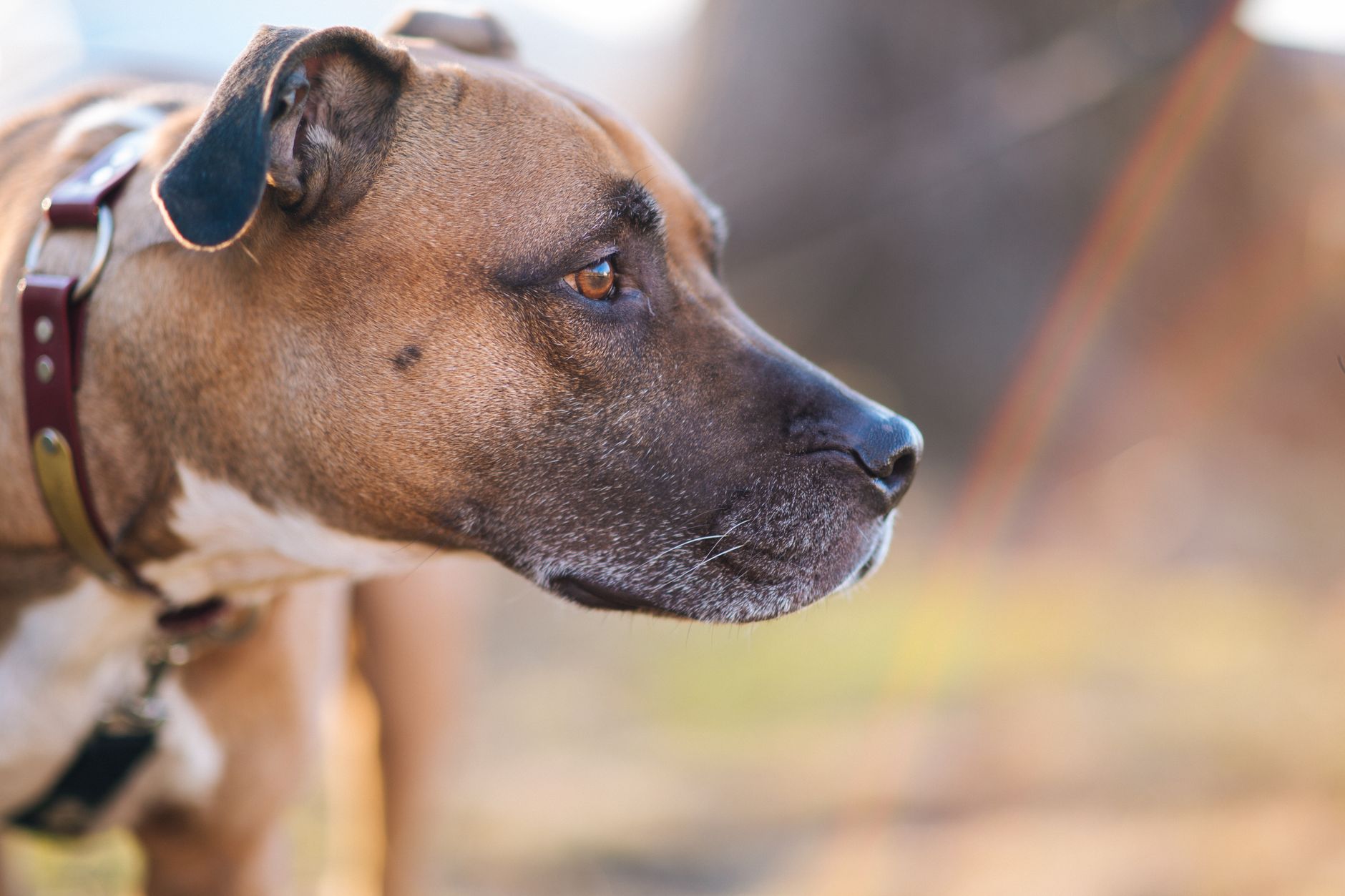
Elevated amylase levels in dogs can indicate a variety of conditions, primarily related to pancreatic issues. The normal reference range for serum amylase is 322-1310 U/L. An increase above this range may suggest pancreatitis, which is commonly associated with hyperlipidemia and occurs more frequently in breeds like the Miniature Schnauzer. Other causes of elevated amylase include renal disease, gastrointestinal disorders such as intestinal obstruction or perforation, and certain medications that can affect pancreatic function.
Abnormal glucose levels can be indicative of diabetes mellitus or other metabolic disorders. The normal reference range for serum glucose is 68-104 mg/dL. Elevated glucose levels may indicate insulin resistance, while significantly low levels could suggest hypoglycemia due to conditions such as Addison’s disease or sepsis. Additionally, stress hyperglycemia can occur in dogs experiencing significant anxiety or pain, leading to transient increases in blood sugar levels.
It is important to note that both elevated amylase and abnormal glucose levels should be interpreted alongside other clinical findings and laboratory tests. For instance, high amylase may also correlate with increased lipase levels (canine pancreatic lipase), which can confirm pancreatitis. Similarly, fructosamine levels can provide a longer-term assessment of blood glucose control in diabetic dogs.
| Marker | Normal Range | Possible Causes |
|---|---|---|
| Amylase | 322-1310 U/L | Pancreatitis, hyperlipidemia (Miniature Schnauzer), renal disease, gastrointestinal disorders, certain medications |
| Glucose | 68-104 mg/dL | Diabetes mellitus, insulin resistance, Addison’s disease, sepsis, stress hyperglycemia |
| Lipase (canine pancreatic lipase) | Laboratory-specific | Pancreatitis, hyperlipidemia (Miniature Schnauzer) |
| Fructosamine | Laboratory-specific | Diabetes mellitus, long-term blood glucose control assessment |
Further diagnostic tests such as abdominal ultrasound and serum lipase measurement can help confirm the diagnosis of pancreatitis. For diabetes management, the veterinarian may prescribe insulin therapy or dietary modifications to manage blood sugar levels effectively.
In summary, elevated amylase and abnormal glucose levels should prompt a thorough evaluation by a veterinarian to determine the underlying cause and appropriate treatment plan. These markers are crucial in guiding diagnostic efforts and ensuring that dogs receive timely and effective care for their specific health issues.
Comparison with Related Parameters: Amylase vs. Lipase, Glucose vs. Insulin
Amylase and lipase are both enzymes that play a role in the digestive system, but they have distinct functions and clinical significance. Amylase is primarily involved in breaking down carbohydrates into simpler sugars, while lipase breaks down fats into fatty acids and glycerol. Elevated levels of amylase can indicate pancreatic inflammation or damage, often seen in conditions like pancreatitis. Lipase, on the other hand, is more specific to pancreatic disorders and its elevation strongly suggests acute or chronic pancreatitis.
Glucose and insulin are closely related but serve different roles in metabolism. Glucose is a simple sugar that serves as the primary energy source for cells throughout the body. Insulin is a hormone produced by the pancreas that regulates glucose levels in the blood, promoting its uptake into cells and storage. Elevated glucose levels can indicate diabetes mellitus or other conditions affecting carbohydrate metabolism, while low insulin levels may suggest pancreatic insufficiency.
When evaluating these markers, it’s important to consider them alongside each other for a comprehensive understanding of the underlying condition:
- Amylase vs. Lipase: Both enzymes are indicative of pancreatic issues, but lipase is more specific and often preferred in diagnosing pancreatitis.
- Glucose vs. Insulin: Glucose levels reflect immediate metabolic status, while insulin provides insight into the body’s ability to regulate glucose effectively.
| Marker | Normal Range |
|---|---|
| Amylase | 322-1310 U/L |
| Lipase | 15-228 U/L |
| Glucose | 68-104 mg/dL |
| Insulin | Laboratory-specific |
Further tests a veterinarian may consider include imaging studies like abdominal ultrasound to assess pancreatic health, and additional blood work such as C-reactive protein (CRP) for inflammation markers. Treatment options vary based on the underlying condition but often involve dietary management, pain relief, and supportive care.
How to Interpret Elevated Amylase or Abnormal Glucose Levels?
Amylase is an enzyme produced primarily by the pancreas and salivary glands. It plays a crucial role in breaking down carbohydrates into simpler sugars for digestion. An elevated amylase level (above the reference range) may suggest pancreatic inflammation or damage, such as acute or chronic pancreatitis, which can cause abdominal pain, vomiting, and lethargy.
Glucose is the primary energy source for cells in the body. Blood glucose levels are regulated by insulin and glucagon to maintain homeostasis. Abnormal glucose levels (outside 68-104 mg/dL) may indicate diabetes mellitus or hypoglycemia. Elevated glucose can be associated with polyuria, increased thirst, weight loss, and lethargy.
When interpreting elevated amylase or abnormal glucose levels, it is important to consider other laboratory parameters for a comprehensive evaluation. For example, lipase (another pancreatic enzyme) may also be elevated in cases of pancreatitis, while fructosamine can provide information on long-term blood sugar control in diabetic dogs.
| Finding | What it may suggest | Suggested next step |
|---|---|---|
| Elevated amylase above the reference range | Pancreatic inflammation or damage | Further diagnostic tests such as lipase measurement, abdominal ultrasound, and serum biochemistry profile to confirm pancreatitis. |
| Abnormal glucose outside 68-104 mg/dL | Diabetes mellitus or hypoglycemia | Additional tests like fructosamine, insulin levels, and a urinalysis to assess long-term glucose control and rule out other causes. |
| Low amylase below the reference range | Possible pancreatic atrophy or exocrine insufficiency | Further evaluation with a complete blood count, serum biochemistry profile, and possibly endoscopic ultrasound to assess pancreatic function. |
| Low glucose below the reference range | Hypoglycemia, possibly due to insulin overdose or liver dysfunction | Immediate veterinary care for hypoglycemic treatment and further diagnostic workup including a complete blood count, serum biochemistry profile, and abdominal ultrasound. |
Elevated amylase levels can indicate pancreatic inflammation or damage. In cases of pancreatitis, the dog may exhibit signs such as vomiting, lethargy, and abdominal pain. A veterinarian would likely recommend further diagnostic tests like lipase measurement, abdominal ultrasound, and a serum biochemistry profile to confirm the diagnosis.
Abnormal glucose levels can suggest diabetes mellitus or hypoglycemia. Elevated blood sugar may be associated with polyuria, increased thirst, weight loss, and lethargy in diabetic dogs. A veterinarian would typically perform additional tests such as fructosamine, insulin levels, and a urinalysis to assess long-term glucose control and rule out other causes.
Low amylase levels can indicate pancreatic atrophy or exocrine insufficiency. This condition may present with signs of malabsorption, weight loss, and poor appetite. A veterinarian would likely recommend further evaluation including a complete blood count, serum biochemistry profile, and possibly endoscopic ultrasound to assess pancreatic function.
Low glucose levels can indicate hypoglycemia, which is often due to insulin overdose or liver dysfunction. Immediate veterinary care for hypoglycemic treatment is necessary, along with further diagnostic workup including a complete blood count, serum biochemistry profile, and abdominal ultrasound to identify the underlying cause.
Are There Breed or Age Differences in Amylase and Glucose Levels?

Amylase levels can vary based on breed and age, but no strong breed predilection has been documented for this parameter; most cases occur in mixed-breed dogs without specific genetic predisposition. Similarly, glucose levels are influenced by various factors such as diet, exercise, and underlying health conditions, but there is no consistent evidence of breed-specific differences.
Age can play a role in both amylase and glucose levels. In younger dogs, growing tissues may produce higher amylase levels due to increased metabolic activity. Conversely, older dogs might show elevated amylase if they have chronic pancreatitis or other pancreatic disorders. For glucose, puppies often exhibit slightly higher baseline levels compared to adults due to their rapid growth and energy demands. This can be particularly noticeable in breeds with a faster growth rate, such as large or giant breeds.
It is important for veterinarians to consider these factors when interpreting test results. Elevated amylase could indicate conditions such as pancreatitis, while high glucose may suggest diabetes mellitus or other metabolic disorders. Understanding the context of age and breed can help in making a more accurate diagnosis. For instance, if an older dog presents with elevated amylase levels, it is crucial to rule out chronic pancreatic disease before attributing the results solely to age-related changes.
| Parameter | Normal Range |
|---|---|
| Amylase | 322-1310 U/L |
| Glucose | 68-104 mg/dL |
Further tests such as a complete blood count (CBC), biochemistry profile, and urinalysis can provide additional information to support the diagnosis. In cases of suspected pancreatitis, abdominal ultrasound or specific pancreatic enzyme testing may be warranted.
The veterinarian will determine the appropriate treatment based on the underlying cause. For example, if diabetes is diagnosed, insulin therapy may be initiated under veterinary supervision. Similarly, for pancreatitis, dietary management and supportive care are typically recommended.
Treatment Approach for Elevated Amylase or Abnormal Glucose Levels
Elevated amylase levels in dogs can indicate a variety of conditions, most commonly pancreatitis. The normal reference range for serum amylase is 322-1310 U/L. When amylase levels are elevated, it suggests inflammation or damage to the pancreas. In such cases, the veterinarian will likely recommend further diagnostic tests, including blood work to assess lipase levels and abdominal ultrasound to visualize the pancreas.
Abnormal glucose levels can be indicative of diabetes mellitus in dogs. The normal reference range for serum glucose is 68-104 mg/dL. Elevated or consistently low glucose levels require a thorough evaluation by a veterinarian. For dogs diagnosed with diabetes, treatment typically involves insulin therapy and dietary management to maintain stable blood sugar levels.
The specific treatment plan, including the type of insulin used and the dosing regimen, will be determined by the attending veterinarian based on the individual dog’s needs. It is crucial for owners to work closely with their vet to monitor glucose levels regularly and adjust the treatment as necessary.
- Further Tests: The veterinarian may order additional tests such as fructosamine (274-412 µmol/L) to assess long-term blood sugar control, or a urinalysis to check for ketones and other indicators of diabetic complications.
- Dietary Management: A specialized diet formulated for dogs with diabetes can help regulate glucose levels. The veterinarian will recommend a specific type of food and feeding schedule tailored to the dog’s needs.
In both cases, early veterinary intervention is crucial to manage these conditions effectively and prevent complications. Regular monitoring and adherence to the prescribed treatment plan are essential for maintaining the health and well-being of affected dogs.
Summary: Understanding Amylase and Glucose in Dogs

Amylase is a digestive enzyme produced by the pancreas to break down carbohydrates. In dogs, amylase levels are typically within the reference range. Elevated amylase can indicate pancreatic inflammation or damage, such as acute or chronic pancreatitis. It may also rise in conditions affecting other organs like kidney disease or gastrointestinal issues. For example, a dog with persistent vomiting and lethargy might have elevated amylase levels due to pancreatitis. Additionally, amylase levels can be influenced by factors such as diet, exercise, and stress, which underscores the importance of considering these variables when interpreting test results.
Glucose is a primary source of energy for cells and is regulated by insulin. Normal glucose levels in dogs are within the reference range. Elevated glucose can indicate diabetes mellitus, stress, or other metabolic disorders. Low glucose may suggest hypoglycemia, which can be life-threatening if severe. For instance, a dog with unexplained weakness and disorientation might have low blood sugar levels. Hypoglycemia is particularly concerning in young puppies or dogs with certain endocrine conditions.
- Related Parameters: BUN, creatinine, insulin, fructosamine
- Further Tests: Urinalysis, blood glucose curve, insulin levels, abdominal ultrasound
- Treatment: The veterinarian may then prescribe insulin or other medications as needed.
Amylase and glucose should be interpreted alongside other clinical findings. Elevated amylase often requires further investigation to determine the underlying cause, while abnormal glucose levels necessitate a comprehensive evaluation of metabolic function and organ health. For example, if a dog presents with elevated amylase and glucose levels, additional tests such as an abdominal ultrasound or blood glucose curve may be necessary to identify the specific condition affecting the pancreas or other organs. These diagnostic steps are crucial for guiding appropriate treatment strategies.
It is important to note that while high amylase levels can suggest pancreatic issues, they do not definitively diagnose a condition without further testing. Similarly, elevated glucose does not automatically indicate diabetes; it could be due to stress or another transient factor. Therefore, veterinarians must consider the clinical context and perform additional tests to confirm diagnoses.
Frequently Asked Questions
What does it mean when amylase and glucose are both raised in a dog?
The pair points towards the pancreas: inflamed pancreatic tissue leaks amylase, and damage reaching the islet cells impairs insulin release, which lets glucose climb. It is a reason for further testing — canine pancreatic lipase, fructosamine, urinalysis and imaging — not a diagnosis by itself.
Is amylase a reliable test for pancreatitis in dogs?
On its own it is not. Amylase comes from the pancreas but also from the intestinal wall and other tissues, and it is cleared by the kidneys, so reduced kidney function raises it without any pancreatic disease. Canine pancreatic lipase is the more specific marker.
Can stress raise a dog’s blood glucose?
Yes. Pain, restraint and the journey to the clinic release catecholamines and cortisol, which push glucose up for a short time. That is why a single raised reading is read together with fructosamine and with urine glucose rather than acted on alone.
Why is fructosamine measured when glucose has already been checked?
Glucose is a snapshot taken in one moment; fructosamine reflects the average concentration over the preceding two to three weeks. The two answer different questions — whether the dog was hyperglycaemic at the draw, and whether it has been hyperglycaemic for weeks.
Can kidney disease raise amylase in a dog?
It can. Amylase is removed from the blood by the kidneys, so a fall in glomerular filtration raises serum amylase even when the pancreas is healthy. Creatinine, SDMA and urea are read alongside amylase for exactly this reason.
What can lower glucose in a dog?
Prolonged fasting in toy breeds and puppies, sepsis, advanced liver disease, hypoadrenocorticism and insulin-secreting tumours all lower it. A delay in separating serum from the cells also lowers glucose in the tube, which is why a repeat sample sometimes settles the question.
Do breed and age change these two markers?
Miniature Schnauzers are predisposed to hyperlipidaemia and to pancreatitis, so the breed carries weight when amylase is raised. Puppies and toy breeds hold blood glucose less well between meals than adult dogs of larger breeds.
Does a raised amylase mean the dog needs a special diet?
No single laboratory value decides management. Diet, medication and monitoring are settled by the attending veterinarian once the cause of the result is known, and the same value can mean different things in a dog with pancreatitis and in a dog with kidney disease.
Sources & Further Reading
This article draws on the following authoritative veterinary references. For your pet’s individual case, consult a licensed veterinarian.
- Merck Veterinary Manual — comprehensive clinical reference for veterinary practice
- ACVIM Consensus Statements — American College of Veterinary Internal Medicine
Cite this articleMarcin Siedlecki. Amylase and Glucose Together in Dogs: Combined Patterns. VetBlood, 2026. https://vetblood.io/blog/amylase-and-glucose-together-in-dogs-combined-patterns/Feel free to quote or reference this article, in whole or in part, with attribution and a link back.