Why Are Blood Tests Important for Dogs with Diabetes?
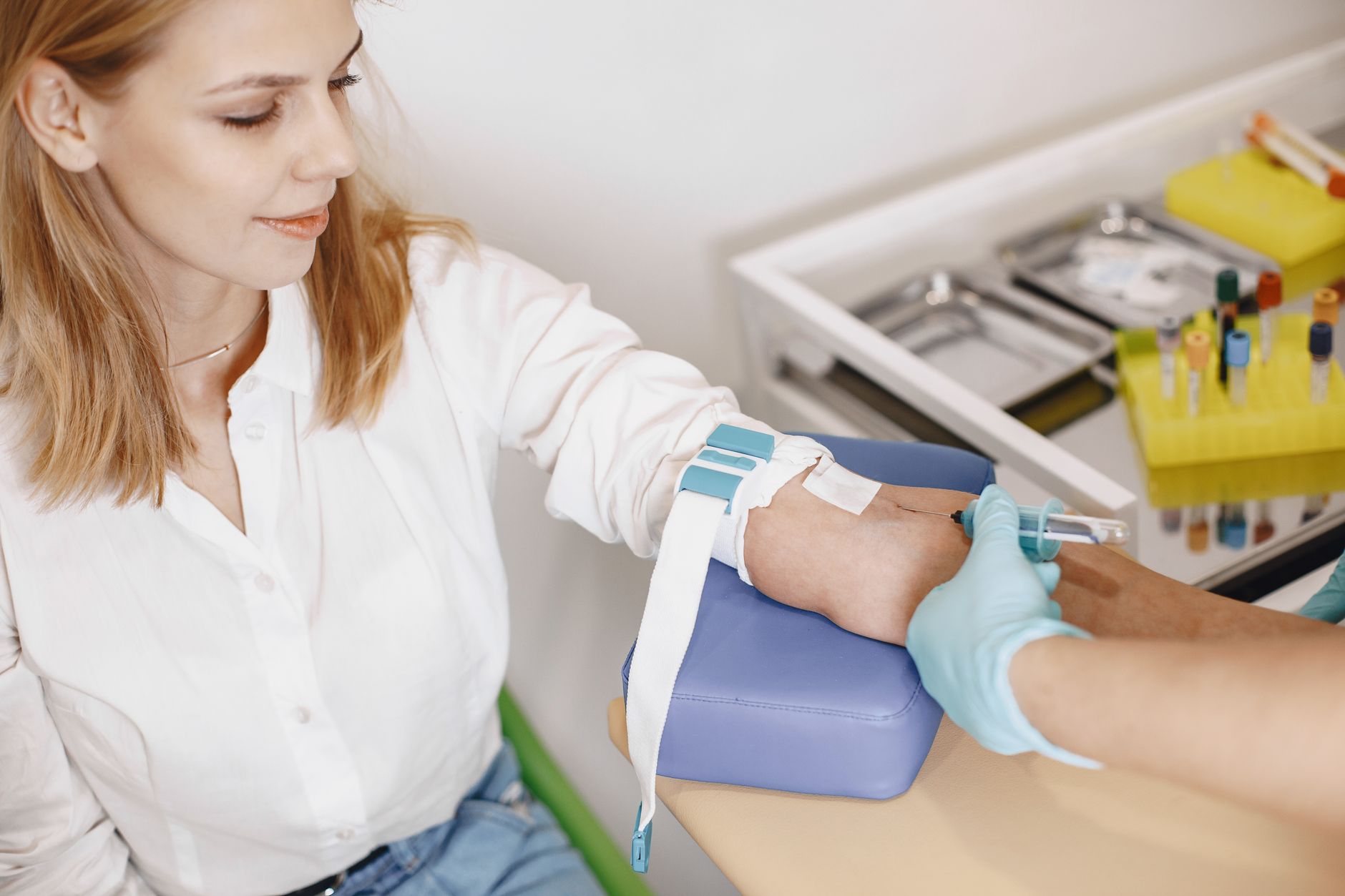
- Glucose: Measures blood sugar levels directly, indicating whether hyperglycemia or hypoglycemia is present. A high glucose suggests the current plan is not holding the disease, while a low glucose is a warning sign that needs same-day veterinary attention.
- Fructosamine: Reflects average glucose control over the past 2-3 weeks, offering a broader view of glycemic management. This test is particularly useful for assessing long-term trends in blood sugar regulation and can help identify dogs that are not responding well to their current treatment regimen.
- Blood Ketones (β-Hydroxybutyrate): Detect ketosis, an early sign of diabetic ketoacidosis, which is a serious complication requiring immediate veterinary intervention. Elevated blood ketones indicate that the body is breaking down fat for energy because it cannot use glucose.
Interpreting these markers alongside each other provides a comprehensive understanding of the dog’s metabolic status. For instance, a high glucose says what the sugar was doing at that moment, while a raised fructosamine says the level has been high for weeks. Blood ketones can signal an acute crisis necessitating urgent medical attention.
Abnormal results should prompt further investigation and potential changes in the treatment regimen under veterinary guidance. Regular monitoring helps prevent long-term complications such as cataracts, neuropathy, and renal disease associated with chronic hyperglycemia. By closely tracking these markers, veterinarians can intervene early to mitigate risks and improve quality of life for dogs living with diabetes.
What Is Glucose and Why Does It Matter in Diabetic Dogs?
Glucose is a simple sugar that serves as the primary energy source for cells throughout the body. In diabetic dogs, glucose regulation fails because the pancreatic beta cells are lost and insulin production falls away. Canine diabetes is insulin-dependent almost without exception; the insulin-resistant form familiar from human type 2 diabetes is a feline pattern, not a canine one. The normal reference range for blood glucose in dogs is 68-104 mg/dL.
When a dog has diabetes, their blood glucose levels can rise significantly above this range. This elevation indicates that the animal’s ability to manage and utilize glucose is compromised, leading to hyperglycemia. Hyperglycemia can cause various clinical signs such as increased thirst (polydipsia), frequent urination (polyuria), weight loss despite a good appetite, lethargy, and in severe cases, diabetic ketoacidosis.
Glucose levels should be interpreted alongside other markers like fructosamine, which reflects average blood glucose control over the past two to three weeks. Additionally, monitoring for ketones can help identify early signs of metabolic derangement that may precede more serious complications such as dehydration and electrolyte imbalances. Fructosamine testing is particularly useful in assessing long-term glycemic control, whereas measuring serum or urine ketone levels helps detect acute metabolic disturbances.
- Insulin-dependent diabetes: the form dogs get. Beta cells are destroyed — by immune-mediated damage or by pancreatitis — so insulin production is lost and lifelong insulin therapy with consistent feeding is required.
- Insulin resistance: in the dog this is a complicating factor rather than a type of the disease. Dioestrus, hyperadrenocorticism and obesity blunt the response to insulin and make an established diabetic harder to control.
The veterinarian may then prescribe insulin therapy or other medications as needed, along with dietary management and regular monitoring of blood glucose levels. Early intervention is crucial to prevent long-term complications such as cataracts, kidney disease, and neuropathy. Regular follow-up visits are essential for adjusting treatment plans based on the dog’s response to therapy and any changes in their condition.
Normal Blood Sugar Levels for Canine Diabetes Management

Blood glucose levels are a critical parameter in managing diabetes mellitus in dogs. The normal blood sugar range is 68-104 mg/dL, which reflects the body’s ability to regulate glucose metabolism effectively. This range can vary slightly between different laboratories and testing methods but generally falls within this reference interval.
Elevations above this reference range can indicate hyperglycemia, often associated with uncontrolled diabetes or other metabolic disturbances such as stress-induced hyperglycemia. Markedly elevated blood sugar levels may suggest diabetic ketoacidosis (DKA), a life-threatening complication of diabetes characterized by high glucose levels and the presence of ketones in the urine. DKA can occur when there is insufficient insulin to meet the body’s needs, leading to the breakdown of fat for energy production and subsequent accumulation of toxic ketone bodies.
Conversely, hypoglycemia—blood glucose below the reference range—is less common but can occur due to excessive insulin administration or other causes such as liver disease. Hypoglycemic episodes are serious and require immediate veterinary attention to prevent neurological damage or seizures. Symptoms of hypoglycemia in dogs may include weakness, confusion, tremors, and even loss of consciousness.
| Marker | Normal Range | Possible Causes of Abnormal Results |
|---|---|---|
| Glucose | 68-104 mg/dL | Diabetes mellitus, stress-induced hyperglycemia, insulinoma (rare), liver disease. |
| Fructosamine | 274-412 µmol/L | Poorly controlled diabetes, recent dietary changes. |
| Insulin | Laboratory-specific | Diabetes mellitus, insulinoma. |
| C-peptide | Laboratory-specific | Diabetes mellitus, insulinoma. |
| fructosamine | Laboratory-specific | Poor glycemic control over the past 2-3 months. |
Interpreting blood glucose levels alongside other markers such as fructosamine, insulin, and C-peptide can provide a more comprehensive understanding of diabetes management. Fructosamine reflects average blood sugar levels over the preceding two to three weeks, offering insight into long-term glycemic control. This marker is particularly useful for assessing how well the dog’s glucose levels have been managed since the last test.
The veterinarian may then prescribe appropriate interventions based on these findings, including adjustments in insulin therapy or dietary modifications tailored to the individual dog’s needs. Regular monitoring and timely intervention are crucial for maintaining optimal health in dogs with diabetes mellitus. For more information on managing blood sugar levels and understanding related complications like hyperglycemia and hypoglycemia, see our articles on diabetes management and dehydration or diabetes insipidus.
What Causes Abnormal Glucose Levels in Diabetic Dogs?
In diabetic dogs, abnormal glucose levels are mainly due to impaired insulin regulation. Insulin facilitates the uptake of glucose into cells; when this process fails, blood sugar rises, leading to hyperglycemia. This can be caused by insufficient or ineffective insulin production, inadequate response to administered insulin therapy, stress-induced release of counter-regulatory hormones (e.g., cortisol and epinephrine), excessive carbohydrate intake, and infections that increase metabolic demands.
- Insufficient insulin production: the beta cells are destroyed, whether by immune-mediated damage or by pancreatitis, and what remains cannot cover the body’s needs.
- Inadequate response to administered insulin therapy: Can result from improper dosing, resistance at the cellular level, or issues with insulin absorption via subcutaneous injections.
- Stress-induced release of counter-regulatory hormones (e.g., cortisol and epinephrine): Stress triggers these hormones, raising blood glucose levels by promoting gluconeogenesis and inhibiting insulin action. This is particularly relevant during hospitalization or surgery.
- Dietary factors such as excessive carbohydrate intake: A diet high in simple sugars can cause rapid spikes in blood glucose levels if the pancreas cannot produce enough insulin to manage these increases effectively.
- Complications like infections that increase metabolic demands: Infections and inflammatory conditions raise metabolic rates, increasing glucose requirements and potentially causing hyperglycemia even in well-managed diabetes cases.
The normal reference range for glucose in dogs is 68-104 mg/dL. Elevated levels above this indicate hyperglycemia, which can be associated with diabetes mellitus or other conditions affecting insulin regulation such as Cushing’s disease (hyperadrenocorticism), where excessive cortisol production leads to increased blood sugar.
| Parameter | Normal Range |
|---|---|
| Glucose | 68-104 mg/dL |
Further tests a veterinarian may consider include fructosamine, which reflects average blood glucose levels over the past 2-3 weeks. This test helps assess long-term glycemic control and can be used alongside other markers to monitor diabetes management.
Certain medications such as corticosteroids can also contribute to hyperglycemia in diabetic dogs by interfering with insulin action or increasing glucose production. Regular monitoring of blood glucose levels along with periodic fructosamine testing helps veterinarians adjust treatment plans accordingly and maintain better control over the disease.
How Do Blood Sugar Levels Compare to Other Diabetes-Related Markers?
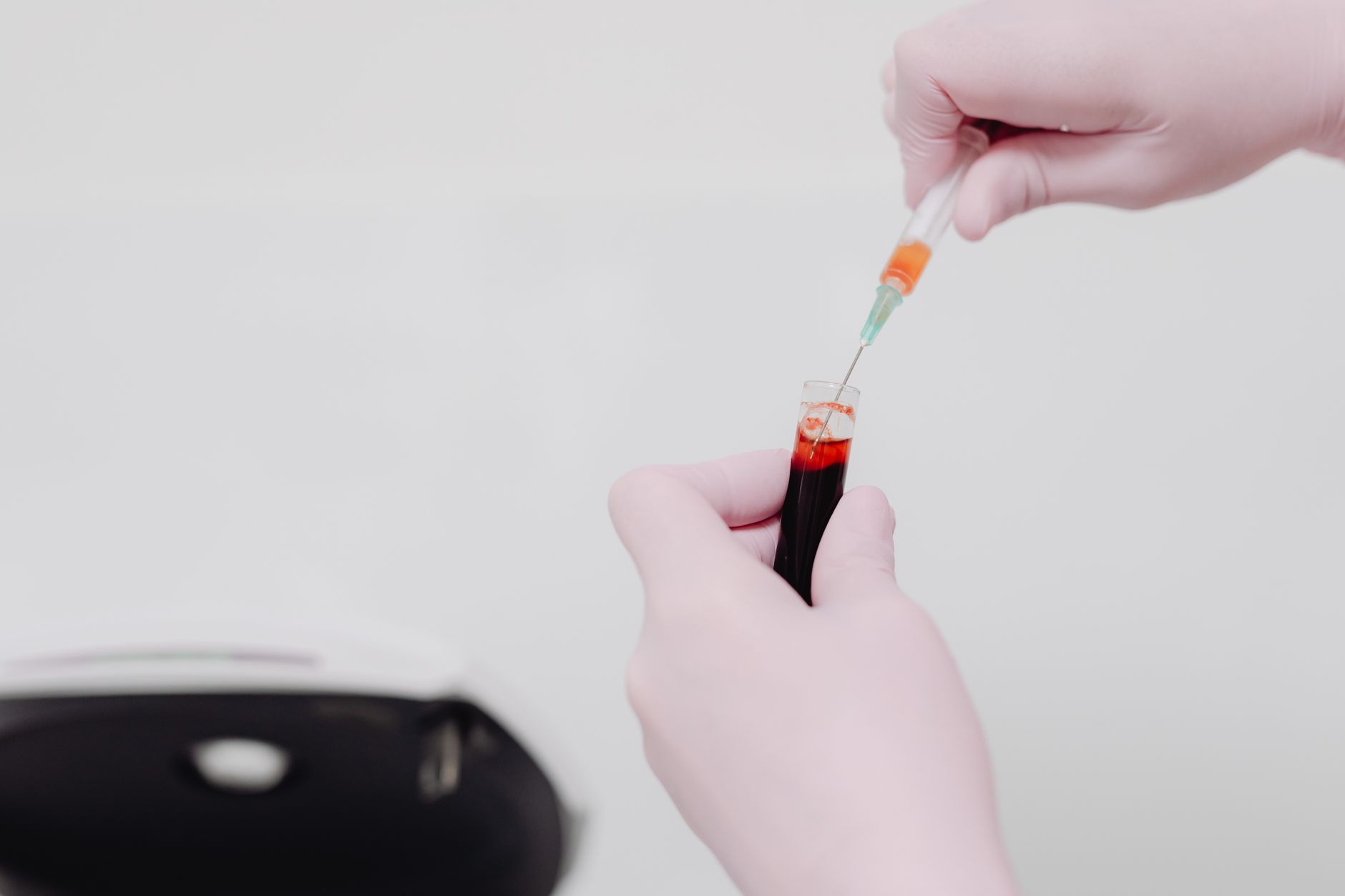
Blood sugar levels, also known as glucose concentrations, are a critical indicator of diabetes management in dogs. Glucose (68-104 mg/dL) is the primary energy source for cells and its regulation is tightly controlled by insulin. In diabetic dogs, blood glucose levels can fluctuate widely due to inadequate insulin production or resistance to insulin action. These fluctuations can be influenced by various factors such as diet, exercise, stress, and underlying health conditions.
Other markers that are commonly evaluated alongside glucose include fructosamine (274-412 µmol/L), which reflects average blood glucose over the preceding weeks rather than the moment of sampling. Fructosamine reflects the average blood glucose levels over the past 2 to 3 weeks, while fructosamine gives an indication of glycemic control over several months. These markers are particularly useful in assessing long-term trends and overall management effectiveness.
When evaluating these markers together, it is important to consider their clinical context and interpret them in conjunction with other findings such as insulin resistance or ketone production. For instance, a high glucose level coupled with elevated fructosamine suggests poor long-term blood sugar regulation despite short-term fluctuations. This pattern may indicate the need for adjustments in insulin therapy. Additionally, if a dog shows consistently high levels of both markers, it could suggest that dietary management and lifestyle changes are necessary to improve glycemic control.
It is also crucial to monitor other indicators such as ketones which can be elevated in uncontrolled diabetes leading to diabetic ketoacidosis. Elevated ketone levels indicate a metabolic crisis where the body starts breaking down fat for energy, producing acidic byproducts that can lead to severe complications if not addressed promptly.
| Marker | Normal Range | Clinical Significance |
|---|---|---|
| Glucose | 68-104 mg/dL | Indicates immediate blood sugar levels and can fluctuate widely in diabetic dogs. |
| Fructosamine | 274-412 µmol/L | Reflects average blood glucose levels over the past 2 to 3 weeks. |
| fructosamine (not available in dogs) | Laboratory-specific | Indicates glycemic control over several months, though not routinely measured in dogs. |
| Insulin (not routinely measured) | Laboratory-specific | Reflects insulin levels, which are typically managed through therapy rather than routine blood tests. |
| Ketones (not routinely measured) | Laboratory-specific | Indicates presence of ketone bodies, which can be elevated in uncontrolled diabetes. |
How to Interpret Blood Glucose Test Results for Diabetic Dogs?
Blood glucose levels in diabetic dogs are crucial indicators of metabolic control and insulin regulation. A value above the normal reference range suggests hyperglycemia, which may be associated with uncontrolled diabetes mellitus or other conditions affecting glucose metabolism.
Hyperglycemia can lead to clinical signs such as increased thirst, frequent urination, weight loss despite a good appetite, and lethargy. In diabetic dogs, persistent high blood glucose levels indicate the need for an adjustment in insulin therapy under veterinary guidance. It is important to monitor these levels regularly to ensure that the dog’s condition remains stable.
| Finding | What it may suggest | Suggested next step |
|---|---|---|
| Above the reference range | Uncontrolled diabetes mellitus or other metabolic disorders affecting glucose regulation. | Consult a veterinarian to adjust insulin therapy and monitor for complications such as ketoacidosis. |
| Below the reference range | Hypoglycemia, which may indicate excessive insulin administration or other causes such as liver dysfunction. | Seek immediate veterinary care to address hypoglycemia and determine the underlying cause. |
When blood glucose levels are consistently above normal, it suggests poor glycemic control in diabetic dogs. This can be due to insufficient insulin dosage, dietary indiscretion, or other metabolic stressors such as infection or inflammation. Veterinary intervention is necessary to adjust the insulin regimen and manage any underlying conditions.
In contrast, if blood glucose levels fall below the reference range, it indicates hypoglycemia, which can be life-threatening in diabetic dogs. Immediate veterinary care is essential to address this emergency situation and determine the cause of low blood sugar, whether due to excessive insulin or other factors such as liver disease.
The veterinarian may then prescribe appropriate interventions based on the clinical findings, including adjusting insulin doses, dietary modifications, or additional treatments as needed. Regular monitoring and follow-up are crucial for maintaining optimal glucose control in diabetic dogs. For instance, if a dog’s blood glucose levels remain persistently high despite adjustments to their diet and insulin regimen, further investigation into potential underlying causes such as infection or inflammation may be necessary.
It is also important to monitor the dog’s response to treatment over time. If there are no significant changes in blood glucose levels after several weeks of consistent management, a reevaluation with additional diagnostic tests might be warranted to explore other contributing factors that could affect glycemic control.
Kidney function can also play a role in glucose metabolism, as kidney disease may exacerbate hyperglycemia. Additionally, conditions like inflammation or infection can cause stress on the body and lead to elevated blood glucose levels in diabetic dogs. Proper management of these underlying issues is essential for maintaining stable glycemic control.
Are There Breed or Age Differences in Blood Glucose Levels for Diabetic Dogs?
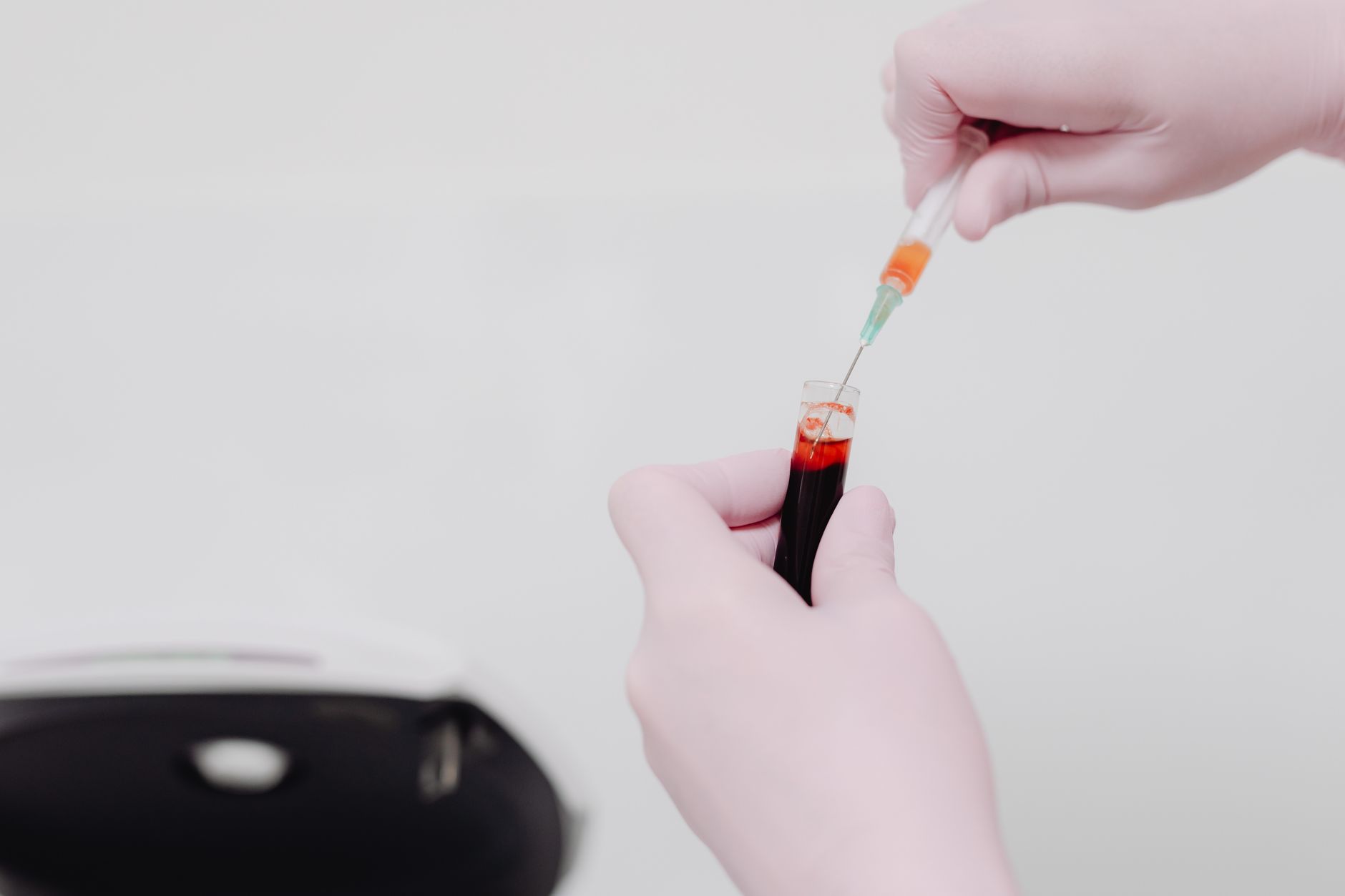
Blood glucose levels can vary among different breeds and age groups of dogs, particularly in those diagnosed with diabetes mellitus. Certain dog breeds have a higher predisposition to developing diabetes due to genetic factors. For example, Schnauzers, Keeshonds, Samoyeds, and Australian Terriers are known to be more prone to this condition compared to other breeds. These breeds often require earlier intervention and closer monitoring of blood glucose levels to manage the disease effectively.
Age also plays a significant role in blood glucose levels. Older dogs tend to have higher baseline glucose levels than younger ones due to decreased insulin sensitivity and potential underlying health issues such as obesity or chronic inflammation. In diabetic dogs, monitoring blood glucose levels is crucial for managing the disease effectively. For instance, an older dog with diabetes might require more frequent adjustments to their insulin regimen compared to a younger dog.
- Schnauzers: Higher predisposition to diabetes mellitus due to genetic factors that affect insulin production and sensitivity.
- Keeshonds: Increased risk of developing diabetes compared to other breeds, often requiring more intensive management strategies.
- Australian Terriers: Genetic factors contribute to a higher incidence of diabetes, necessitating careful monitoring and tailored treatment plans.
- Samoyeds: Known for having a genetic predisposition towards diabetes, which can lead to complications if not managed properly.
The normal reference range for blood glucose in dogs is 68-104 mg/dL. Elevated levels above this range may indicate hyperglycemia, which can be associated with uncontrolled diabetes or other metabolic disorders. Conversely, hypoglycemia (levels below the reference range) could suggest insulin overdose or liver dysfunction.
When evaluating blood glucose levels in diabetic dogs, it is important to consider concurrent markers such as fructosamine for a comprehensive assessment of glycemic control over time. These tests provide insight into long-term management rather than just the current state. For example, a dog with consistently high fructosamine levels might indicate poor glucose regulation despite recent normal blood glucose readings.
| Marker | Normal Range |
|---|---|
| Blood Glucose | 68-104 mg/dL |
| Fructosamine | Laboratory-specific |
| Glycated haemoglobin (HbA1c) | Not validated in dogs — fructosamine is the standard longer-term marker |
What Is the Treatment Approach for Managing Blood Glucose Levels in Diabetic Dogs?
The management of blood glucose levels in diabetic dogs primarily involves insulin therapy, dietary adjustments, and regular monitoring. Insulin is a hormone that regulates glucose metabolism by facilitating the uptake of glucose into cells. In diabetic dogs, the body either does not produce enough insulin or cannot effectively use the insulin it produces, leading to high blood sugar levels.
Which medication suits the individual dog, and on what schedule, is decided by the veterinarian and revised as the disease changes. The goal is to achieve stable glucose control without causing hypoglycemia (low blood sugar). Regular monitoring through blood glucose testing at home and periodic veterinary check-ups helps adjust the insulin regimen as needed.
Dietary management plays a crucial role in diabetes control. A high-fiber, low-carbohydrate diet can help regulate blood glucose levels by slowing down carbohydrate absorption and reducing fluctuations in blood sugar. The veterinarian may recommend specific commercial diets formulated for diabetic dogs or provide guidelines for homemade meals tailored to the dog’s nutritional needs.
Regular monitoring of blood glucose levels is essential to ensure that the insulin therapy and dietary management are effective. This includes checking blood glucose at home using a glucometer, as well as periodic laboratory tests such as fructosamine (274-412 µmol/L), which gives an overview of longer-term glucose control.
Complications from poorly managed diabetes can include cataracts, urinary tract infections, and neuropathy. Early detection and intervention are critical to preventing these complications and maintaining the dog’s quality of life. The veterinarian may also recommend additional tests such as urinalysis or blood pressure monitoring if there is a risk of associated conditions.
What Is the Long-Term Prognosis for Diabetic Dogs Based on Blood Test Results?
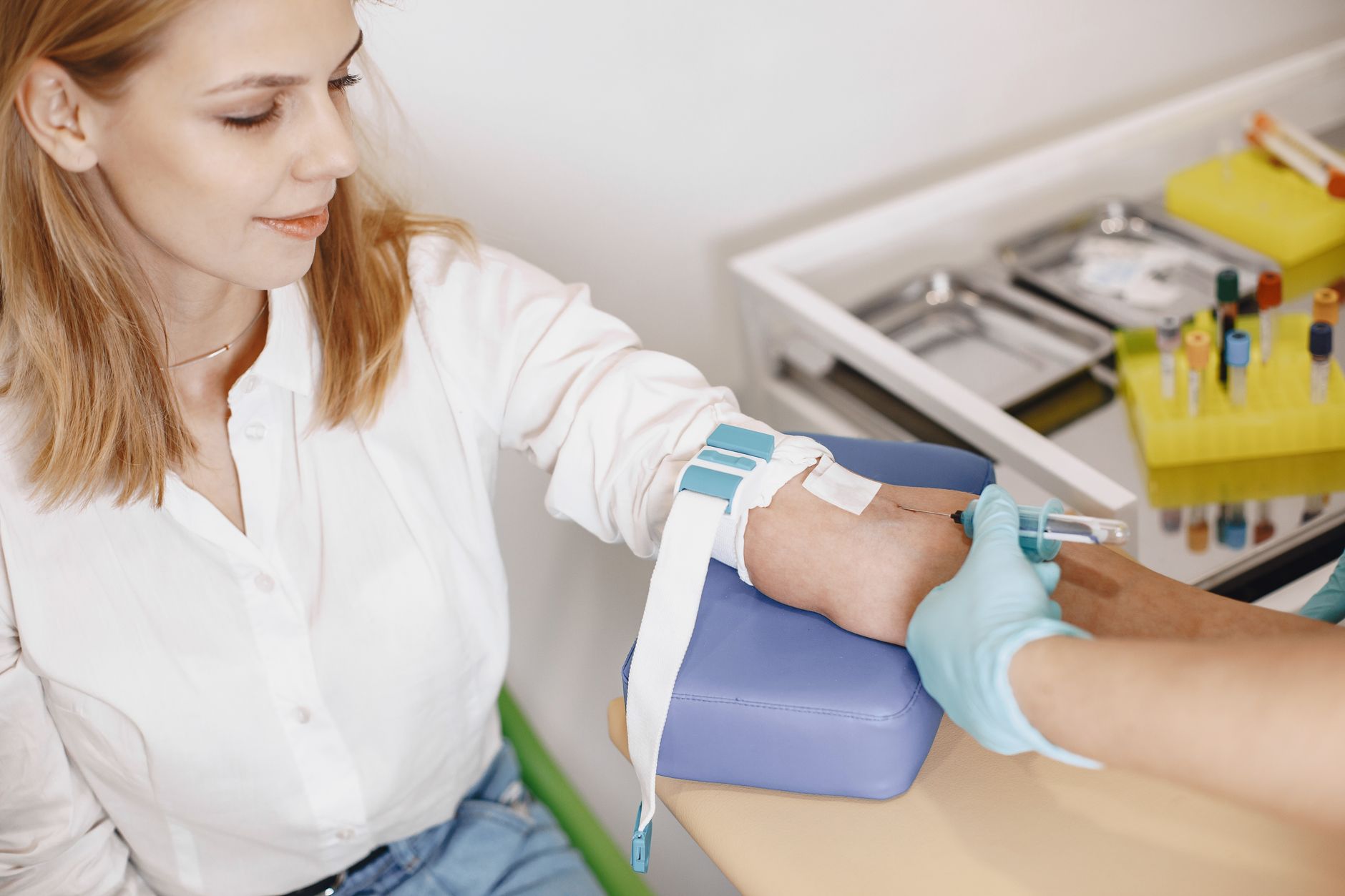
The long-term prognosis for diabetic dogs is influenced by several factors, including blood glucose control and the presence of complications. Fructosamine levels provide a measure of average blood glucose over the past two to three weeks, reflecting overall glycemic control.
- Fructosamine: This marker (274-412 µmol/L) indicates how well diabetes is managed in dogs. Elevated fructosamine suggests poor glucose regulation and may be associated with complications such as cataracts or neuropathy. For instance, a dog with consistently high fructosamine levels might develop cloudy eyes due to cataract formation over time.
Maintaining fructosamine levels within the reference range is crucial for preventing long-term diabetic complications. Regular monitoring by a veterinarian helps adjust insulin therapy to achieve optimal control, which generally leads to better outcomes. For example, if a dog’s fructosamine level remains consistently high despite treatment adjustments, it may indicate that further changes in diet or medication are necessary.
- Related Parameters: Blood glucose (68-104 mg/dL), fructosamine (if available).
Veterinarians may also consider additional tests such as urine microalbuminuria and serum cholesterol to assess for early signs of diabetic nephropathy or cardiovascular disease. Early detection allows for timely intervention, improving the long-term prognosis. For instance, if a dog shows elevated levels of microalbumin in its urine, it could be an early sign of kidney damage due to diabetes.
Regular monitoring and prompt management of these parameters can significantly improve the quality of life and longevity for diabetic dogs. It is important for owners to work closely with their veterinarians to tailor a treatment plan that addresses individual needs and adjusts as necessary based on ongoing test results.
Frequently Asked Questions
What does fructosamine measure?
Fructosamine measures your dog’s average blood glucose levels over the past two to three weeks, providing insight into longer-term glycemic control rather than just momentary spikes.
Why might my diabetic dog’s fructosamine level be elevated?
An elevated fructosamine level indicates poor diabetes management over recent weeks, suggesting that your dog has had consistently high blood sugar levels despite treatment efforts.
How often should I have my diabetic dog’s fructosamine checked?
It’s recommended to check your dog’s fructosamine every few months to monitor overall blood sugar control, so your veterinarian can decide whether the plan needs changing.
Can stress affect my dog’s fructosamine results?
Stress can influence short-term glucose readings but doesn’t typically impact fructosamine levels since they reflect sustained blood sugar trends over several weeks.
Does fructosamine replace daily glucose testing?
While fructosamine provides valuable information about long-term glucose regulation, it complements daily monitoring by offering a broader view of your dog’s metabolic health.
Is there a normal range for fructosamine in diabetic dogs?
The ideal fructosamine range varies among individuals, but generally, lower values indicate better glucose control. Your veterinarian will interpret this result based on your dog’s specific needs.
Should I worry if my dog’s fructosamine is slightly above normal?
A slight elevation may warrant closer attention to dietary choices and medication adherence; however, minor fluctuations are common and do not necessarily signal severe issues.
Are some breeds more prone to developing diabetes?
No strong breed predilection has been documented for canine diabetes, though certain factors like obesity and age increase risk across all breeds.
Could kidney function tests show abnormalities in diabetic dogs?
Diabetic dogs may exhibit changes in BUN (blood urea nitrogen) and creatinine due to dehydration or poor circulation affecting kidney filtration, indicating potential complications from uncontrolled diabetes.
What does an abnormal cholesterol reading mean for a diabetic dog?
High cholesterol levels could suggest underlying inflammation, liver disease, or poor diet management in diabetic dogs, requiring further investigation into these causes.
Do electrolyte imbalances occur commonly with diabetes?
Electrolyte imbalances such as low potassium or sodium can happen in diabetic dogs because of frequent urination leading to excessive fluid loss, necessitating careful hydration and supplementation.
Why might my diabetic dog have high triglycerides?
Elevated triglyceride levels often correlate with obesity and poor glycemic control in diabetic dogs, reflecting the body’s struggle to manage fat metabolism effectively.
How important is regular urine analysis for diabetic dogs?
Regular urine analyses help detect early signs of urinary tract infections or proteinuria, which are critical indicators of kidney damage that can be exacerbated by poorly controlled diabetes.
Can thyroid hormone levels affect blood sugar control in diabetics?
Thyroid dysfunction, whether hypothyroidism or hyperthyroidism, can influence how the body handles glucose in a diabetic dog and complicate the treatment plan.
Does liver enzyme activity matter in managing diabetic dogs?
Liver enzymes like ALT and ALP can rise in diabetic dogs due to concurrent liver diseases or drug-induced hepatotoxicity, impacting overall health and metabolic stability.
When should I consider emergency care based on lab results?
Seek immediate veterinary care if your dog shows extreme lethargy, vomiting, rapid breathing, or sudden weight loss alongside severely elevated fructosamine or other markers suggesting acute organ failure.
Sources & Further Reading
This article draws on the following authoritative veterinary references. For your pet’s individual case, consult a licensed veterinarian.
- Merck Veterinary Manual — comprehensive clinical reference for veterinary practice
- Veterinary Clinical Pathology — clinical pathology research and case studies
Cite this articleMarcin Siedlecki. Blood Test Results in Dogs with Diabetes – What to Expect. VetBlood, 2026. https://vetblood.io/blog/blood-test-results-in-dogs-with-diabetes-what-to-expect/Feel free to quote or reference this article, in whole or in part, with attribution and a link back.