Why Do Dogs Need to Fast Before Blood Work?

Fasting before blood work is a common practice in veterinary medicine, particularly when assessing parameters like glucose levels or liver enzymes. The primary reason dogs need to fast is to ensure that the results reflect baseline metabolic conditions rather than being influenced by recent food intake. For example, fasting helps stabilize glucose levels and prevents postprandial spikes that can obscure underlying issues such as diabetes mellitus. Similarly, fasting ensures accurate readings of liver enzyme activity, which might otherwise be elevated due to digestion processes after eating. This is particularly important for markers like alanine aminotransferase (ALT), alkaline phosphatase (ALP), and gamma-glutamyl transferase (GGT). Fasting also aids in the assessment of kidney function by stabilizing blood urea nitrogen (BUN) and creatinine levels. Elevated BUN can indicate dehydration or prerenal azotemia, while stable readings provide a clearer picture of intrinsic renal disease. In summary, fasting before blood work helps veterinarians obtain reliable baseline values for various metabolic parameters, ensuring accurate diagnosis and appropriate treatment planning. The typical fast duration is 12 hours, allowing sufficient time for digestion to complete without causing undue stress or discomfort to the dog. When interpreting these results, it’s important to consider other clinical signs and additional laboratory tests. For instance, an elevated BUN alongside a normal creatinine level might suggest prerenal causes such as dehydration rather than intrinsic renal disease. Similarly, markedly increased liver enzymes should be evaluated in conjunction with bile acid levels and imaging studies like ultrasound to determine the underlying cause. Veterinarians may also consider further diagnostic steps such as abdominal ultrasounds or endoscopy if initial blood work indicates potential issues. These additional tests help pinpoint specific organ involvement and guide appropriate treatment strategies, whether it involves dietary management, medication, or surgical intervention.
What Does Fasting Mean in Veterinary Medicine?
Fasting in veterinary medicine refers to withholding food from a dog for a specific period, typically 8-12 hours before blood tests or imaging procedures. This practice ensures accurate test results by minimizing the influence of recent meals on parameters like glucose and triglycerides. During fasting, dogs are usually allowed access to water but not food, which helps stabilize their metabolic state.
- Glucose (68-104 mg/dL): Fasting helps stabilize blood sugar levels, making it easier to detect abnormalities such as diabetes mellitus or hypoglycemia. Elevated fasting glucose can indicate insulin resistance or inadequate insulin production. For instance, a dog with consistently high fasting glucose levels may require dietary changes and possibly insulin therapy.
- Bile acids: A 12-hour fast is often required for bile acid testing to assess liver function and biliary obstruction accurately. This test measures the concentration of bile acids in the blood before and after a meal, helping veterinarians understand how well the liver is processing these substances.
- Triglycerides (23-102 mg/dL): Fasting ensures that triglyceride levels are not artificially elevated by recent food intake, aiding in the diagnosis of hyperlipidemia or pancreatitis. Elevated fasting triglycerides can indicate issues with fat metabolism and may require dietary modifications.
Fasting is particularly important for tests like blood glucose and lipid profiles to ensure results reflect baseline metabolic status rather than postprandial (after eating) fluctuations. This helps veterinarians make accurate diagnoses and develop appropriate treatment plans. For example, in a dog with suspected diabetes mellitus, fasting glucose levels are crucial for confirming the diagnosis. Elevated fasting glucose alongside increased urine glucose can indicate uncontrolled blood sugar levels requiring insulin therapy or dietary management.
In cases of pancreatitis, fasting triglyceride and amylase/lipase levels help differentiate between acute inflammation and other causes of abdominal pain. Fasting also allows for better assessment of liver function through bile acid testing, which is critical in diagnosing hepatobiliary disorders. By ensuring that the dog has not eaten recently, veterinarians can obtain more reliable test results that accurately reflect the animal’s health status.
Why Is Fasting Important Before Blood Work?
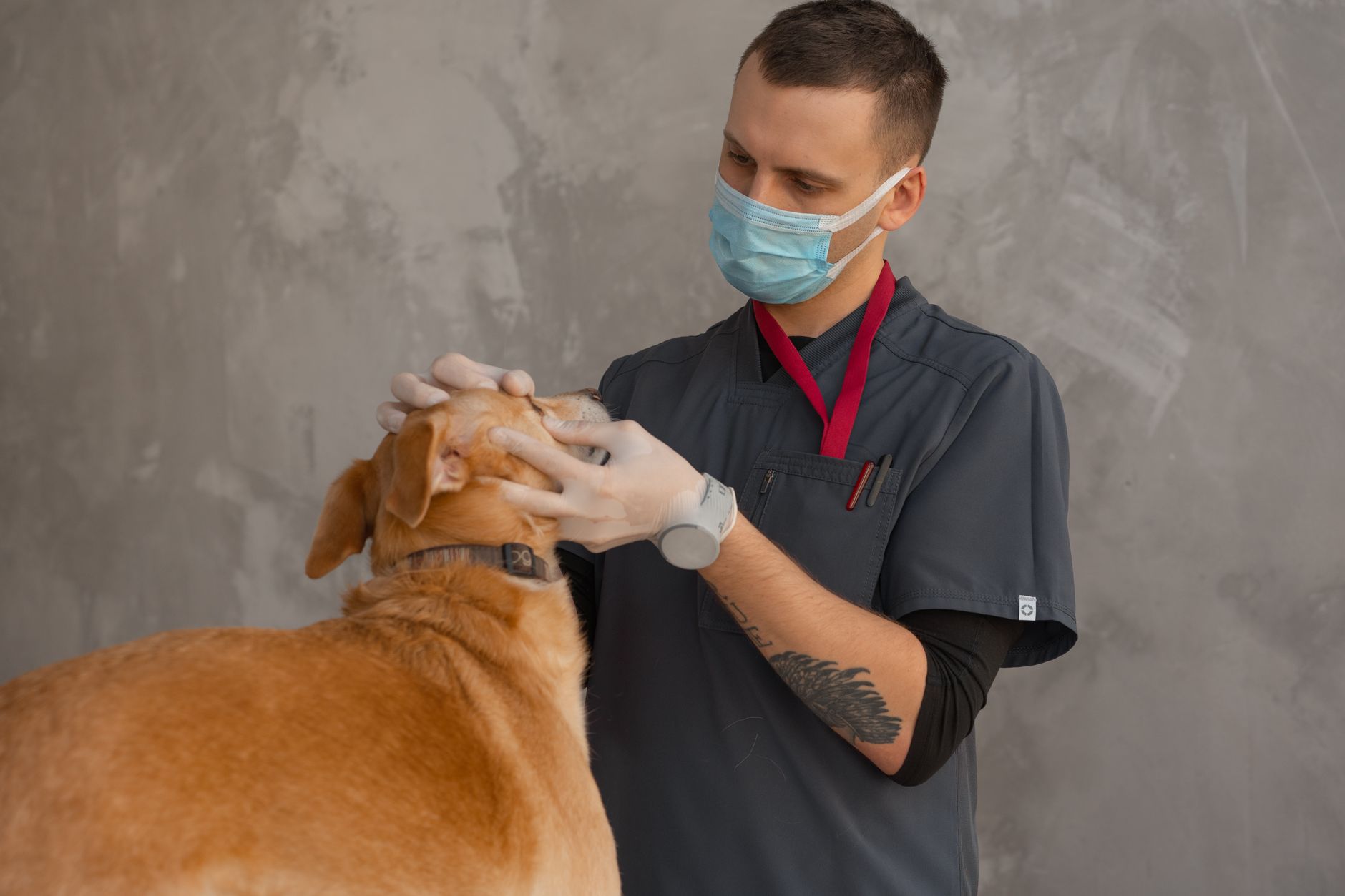
Fasting before blood work is crucial to ensure accurate and reliable test results. When a dog fasts, it allows for a more stable metabolic state, reducing the variability in certain analytes that can be influenced by recent food intake. This ensures that any deviations from normal values are due to underlying health conditions rather than temporary dietary factors. For example, fasting helps stabilize glucose levels, which might otherwise fluctuate after eating and provide misleading information about a dog’s overall metabolic status. Similarly, liver enzymes like ALT (alanine transaminase) can be affected by recent meals, potentially leading to false positives or negatives that could delay diagnosis and treatment. Fasting also aids in the assessment of kidney function markers such as BUN (blood urea nitrogen) and creatinine. These parameters are influenced by protein metabolism and hydration status, which can vary with food intake. By fasting, you ensure that these values reflect true baseline renal function rather than postprandial changes. For instance, a dog’s BUN levels may temporarily rise after eating due to increased protein breakdown in the body, making it difficult for veterinarians to distinguish between normal post-meal fluctuations and actual kidney dysfunction. Moreover, fasting is particularly important when evaluating lipid profiles, such as cholesterol and triglycerides. These markers can be significantly elevated shortly after a meal, leading to inaccurate assessments of cardiovascular health or metabolic disorders like hyperlipidemia. Fasting ensures that these values are not skewed by recent food intake, allowing for more precise evaluation of long-term trends. In summary, fasting before blood work is essential to obtain accurate results for a wide range of analytes, ensuring that any abnormalities detected truly indicate underlying health issues rather than temporary dietary influences. This practice helps veterinarians make more informed decisions about diagnosis and treatment plans, ultimately leading to better outcomes for your pet’s health.
dog blood work is a comprehensive evaluation that includes tests like glucose levels, liver enzymes (ALT), kidney function markers (BUN and creatinine), and lipid profiles. Proper fasting ensures these values are not influenced by recent food intake, allowing for accurate interpretation of the results.
Laboratory Reference Ranges for Common Blood Tests in Dogs
The laboratory reference ranges for common blood tests in dogs provide a baseline to evaluate various physiological functions and detect potential health issues. These values are crucial for interpreting test results accurately and determining the need for further diagnostic workup or treatment.
- Phosphorus (2.7-5.4 mg/dL): Phosphorus levels can indicate kidney function, bone metabolism, and parathyroid activity. Elevated phosphorus may be associated with chronic renal failure, hypoparathyroidism, or hyperparathyroidism.
- Sodium (143-150 mEq/L): Sodium is essential for maintaining fluid balance and nerve function. Abnormal sodium levels can indicate dehydration, overhydration, Addison’s disease, or other electrolyte imbalances.
- Potassium (4.1-5.4 mEq/L): Potassium plays a critical role in muscle contraction and nerve impulse transmission. High potassium levels may suggest renal failure, hypoadrenocorticism (Addison’s disease), or severe dehydration.
When interpreting these values, it is important to consider them alongside other clinical findings and laboratory results. For instance, an elevated phosphorus level should be evaluated in conjunction with calcium and parathyroid hormone levels to determine the underlying cause. Similarly, sodium and potassium levels are often assessed together to understand fluid balance and electrolyte status.
| Parameter | Normal Range |
|---|---|
| Phosphorus | 2.7-5.4 mg/dL |
| Sodium | 143-150 mEq/L |
| Potassium | 4.1-5.4 mEq/L |
Further tests a veterinarian may consider include additional blood work, imaging studies, and specialized assays to pinpoint the exact cause of abnormal values. For example, if phosphorus levels are elevated, the vet might order calcium, parathyroid hormone (PTH), and complete blood count (CBC) tests.
The choice of treatment is determined by the underlying condition identified through these evaluations. Treatment may involve fluid therapy, dietary modifications, medications to manage electrolyte imbalances, or other interventions as deemed necessary by the veterinarian.
How Does Fasting Affect Different Blood Parameters?

Fasting can influence various blood parameters in dogs, affecting their levels and clinical interpretation. Understanding these changes is crucial for accurate diagnosis and treatment planning. For instance, fasting may alter the baseline values of certain markers, which could lead to misinterpretation if not accounted for properly.
- Serum Glucose: During fasting, serum glucose levels may decrease due to reduced dietary intake and glycogen stores being utilized. This parameter should be interpreted with caution if the dog has not eaten recently. For example, a dog that has fasted overnight might have lower glucose levels compared to one that has just eaten.
- Bile Acids: Fasting can lead to lower bile acid concentrations as there is less need for bile secretion in the absence of food digestion. However, this marker remains a valuable tool for assessing liver function when fasting conditions are accounted for. It’s important to note that prolonged fasting might further reduce bile acid levels, making it challenging to accurately assess hepatic excretory capacity.
- Liver Enzymes (ALT, ALP): While fasting does not typically cause significant changes in ALT and ALP levels, it is important to consider that these enzymes can be influenced by other factors such as diet and medication. Therefore, interpreting elevated liver enzyme levels should take into account the dog’s recent dietary history. For instance, a sudden elevation in ALT might warrant further investigation if the dog has been fasting or on certain medications.
- Blood Urea Nitrogen (BUN): Fasting may cause a slight decrease in BUN due to reduced protein breakdown from food intake. However, this effect is usually minor and does not significantly impact clinical interpretation unless prolonged fasting has occurred. In such cases, it might be necessary to retest after the dog has eaten to ensure accurate assessment of renal function.
In summary, while fasting can influence certain blood parameters like glucose and bile acids, it generally does not have a substantial impact on liver enzymes or BUN levels in dogs. It is essential to consider the dog’s recent dietary history when interpreting these results for accurate diagnosis and treatment planning. For instance, if a dog has been fasting prior to testing, it might be advisable to retest after feeding to confirm any abnormal findings.
| Parameter | Normal Range |
|---|---|
| Serum Glucose | 68-104 mg/dL |
| Bile Acids | laboratory-specific |
| ALT (Alanine Aminotransferase) | 17-95 U/L |
| ALP (Alkaline Phosphatase) | 7-115 U/L |
| BUN (Blood Urea Nitrogen) | 9-26 mg/dL |
How to Interpret Blood Test Results After Fasting?
Fasting blood tests provide valuable insights into various organ functions and metabolic states in dogs. These tests are particularly useful for assessing liver, kidney, and pancreatic function, as well as electrolyte balance. Understanding the results after fasting helps identify any abnormalities that may indicate underlying health issues. For instance, a fasting blood test can reveal whether a dog’s liver enzymes are elevated, which might suggest inflammation or damage to this vital organ.
| Finding | What it may suggest | Suggested next step |
|---|---|---|
| Above the reference range | Indicates potential liver or kidney dysfunction, metabolic disorders, or electrolyte imbalances. | Consult a veterinarian for further evaluation and appropriate diagnostic tests. |
| Below the reference range | Suggests possible malnutrition, dehydration, or endocrine disorders such as hypothyroidism. | Seek veterinary advice to determine the cause and appropriate treatment plan. |
After fasting, blood tests can reveal important information about a dog’s health. For example, if liver enzymes such as ALT (alanine transaminase) or ALP (alkaline phosphatase) are above their reference ranges, it may indicate liver inflammation or damage. This could be due to conditions like hepatitis, cholangitis, or drug-induced hepatotoxicity.
Similarly, elevated kidney markers such as BUN (blood urea nitrogen) and creatinine can suggest renal impairment. These values might rise in cases of chronic kidney disease (CKD), acute kidney injury, or urinary tract obstruction. It is crucial to investigate further with additional tests like urinalysis, imaging studies, and possibly a biopsy if necessary.
Electrolyte imbalances are also critical to monitor after fasting. For instance, low sodium levels (hyponatremia) can be indicative of Addison’s disease or excessive fluid intake, while high potassium levels (hyperkalemia) may point towards renal failure or certain endocrine disorders like hypoadrenocorticism.
Understanding these qualitative findings and their clinical implications is essential for timely intervention. The veterinarian will determine the appropriate diagnostic approach based on the specific abnormalities identified in the blood test results, such as ordering additional tests to confirm a suspected diagnosis or ruling out other potential causes of observed markers outside normal ranges.
high potassium levels can be particularly concerning and may require immediate attention from your veterinarian.
Are There Breed or Age Differences in Fasting Requirements?

Fasting requirements for blood tests in dogs are generally standardized across breeds and ages, focusing on ensuring accurate results rather than specific breed or age-related adjustments. However, certain conditions may warrant closer monitoring based on known genetic predispositions.
No strong breed predilection has been documented for this parameter; most cases occur in mixed-breed dogs without specific genetic predisposition. Fasting times are typically consistent across breeds and ages to prevent variations that could affect test results. It is important to note, however, that certain breeds may have unique health concerns that necessitate special attention during blood work preparation.
For instance, a dog with a known liver condition like copper hepatopathy (common in Bedlington Terriers) may require fasting as per standard protocols to avoid interference from recent food intake on liver enzyme levels such as ALT or ALP. Similarly, dogs with kidney issues like chronic kidney disease (CKD) should follow the same fasting guidelines regardless of breed.
Age can also play a role in determining fasting requirements. Puppies and senior dogs may have different metabolic rates compared to adult dogs, which could influence how long they need to fast before blood work. However, these differences are generally managed by adhering to standard fasting protocols rather than making age-specific adjustments.
In clinical practice, veterinarians often encounter scenarios where a dog’s breed or age might suggest potential health issues that require careful monitoring during blood tests. For example, a senior Labrador Retriever with suspected kidney disease would follow the same fasting guidelines as any other dog undergoing similar testing to ensure accurate results.
| Parameter | Normal Range |
|---|---|
| ALT (Alanine Aminotransferase) | 17-95 U/L |
| ALP (Alkaline Phosphatase) | 7-115 U/L |
| GGT (Gamma-Glutamyl Transferase) | 0-8 U/L |
What Is the General Approach to Addressing Abnormal Blood Test Results?
The general approach to addressing abnormal blood test results in dogs involves a systematic evaluation of the clinical signs, medical history, and laboratory findings. When a marker is outside its normal reference range — such as ALT (17-95 U/L) or ALP (7-115 U/L) — it indicates potential organ dysfunction or disease that requires further investigation.
For instance, an elevated liver enzyme like AST (18-56 U/L) may suggest hepatocellular damage. However, a single abnormal result does not confirm a diagnosis; it should be interpreted alongside other clinical findings and related parameters such as bilirubin (0-0.2 mg/dL). The veterinarian will consider the context of the patient’s overall health to determine if further diagnostic tests are necessary.
When an abnormality is identified, the next step often involves additional testing. For example, a markedly elevated ALP may prompt imaging studies like abdominal ultrasound or X-rays to assess for biliary obstruction or other structural abnormalities. In cases of suspected liver disease, bile acid levels can provide further insight into hepatic function.
It is crucial to understand that abnormal blood test results should be evaluated in the context of the patient’s clinical presentation and medical history. For example, if a dog presents with jaundice and an elevated bilirubin level (0-0.2 mg/dL), it may indicate liver dysfunction or hemolysis. However, these findings must be correlated with other laboratory results and physical examination findings to determine the underlying cause.
Additional diagnostic tests might include a complete blood count (CBC) to assess for anemia or inflammation, urinalysis to evaluate kidney function and rule out urinary tract infections, and abdominal imaging studies such as ultrasound or CT scans. These tests can help narrow down potential causes of abnormal blood test results and guide the appropriate treatment plan.
It is also important to consider the patient’s overall health status when interpreting blood test results. For instance, a dog with chronic kidney disease may have elevated BUN (9-26 mg/dL) and creatinine levels (0.6-1.4 mg/dL), but these values must be interpreted in light of the animal’s medical history and clinical signs.
| Marker | Normal Range | Possible Causes |
|---|---|---|
| ALT (Alanine Aminotransferase) | 17-95 U/L | Hepatocellular damage, necrosis, inflammation |
| ALP (Alkaline Phosphatase) | 7-115 U/L | Bone disease, liver disease, biliary obstruction |
| AST (Aspartate Aminotransferase) | 18-56 U/L | Hepatocellular damage, muscle injury |
| Bilirubin (Total) | 0-0.2 mg/dL | Hepatic dysfunction, hemolysis, cholestasis |
| Bile Acids (Total) | laboratory-specific | Hepatic dysfunction, impaired bile flow |
Summary: Fasting Before Dog Blood Work

Fasting prior to blood work in dogs is a common practice aimed at obtaining accurate and reliable test results. The primary reason for fasting is to minimize the impact of recent food intake on markers such as glucose, lipids, and liver enzymes. A typical fast duration ranges from 8 to 12 hours, allowing time for digestion to complete and metabolic levels to stabilize. Fasting helps ensure that blood tests reflect baseline physiological conditions rather than transient postprandial changes. For instance, a recent meal can cause temporary spikes in glucose or lipase levels, which might be misinterpreted as pathological if not fasting is observed. This is particularly important for markers like alanine transaminase (ALT), alkaline phosphatase (ALP), and gamma-glutamyl transferase (GGT) that are sensitive to dietary influences. However, it’s crucial to note that prolonged fasting can also lead to dehydration or hypoglycemia in certain dogs, especially those with underlying health conditions. Therefore, the veterinarian will assess each dog’s individual needs before recommending a specific fasting protocol. In some cases, particularly for geriatric or debilitated animals, shorter fasts may be more appropriate. When interpreting blood test results after fasting, it is important to consider other factors that might influence marker levels, such as stress, exercise, and concurrent medications. For example, cortisol levels can rise due to the stress of a veterinary visit even if the dog has been fasting. Similarly, certain drugs like corticosteroids or nonsteroidal anti-inflammatory drugs (NSAIDs) can affect liver enzyme readings. In summary, while fasting is generally recommended before blood work in dogs, it should be tailored to each individual animal’s health status and specific testing requirements. The veterinarian will guide the appropriate fasting duration based on these factors to ensure accurate test results that reflect true physiological conditions.
Frequently Asked Questions
Does my dog need to fast before blood work?
Fasting your dog before routine blood tests like CBC and chemistry panels isn’t necessary unless specifically instructed by your vet. This ensures accurate results without complicating interpretation.
Why might fasting be required for some tests?
Certain specialized tests such as glucose tolerance testing require fasting to assess how well your dog’s body regulates sugar levels under controlled conditions.
What if my dog has eaten right before blood work?
If your dog eats shortly before blood work, it typically doesn’t affect general health markers significantly but may influence short-term glucose readings; discuss concerns with your vet.
How long does a typical fast last?
A standard fast usually lasts about 8-12 hours, allowing time for digestion to clear while still reflecting normal metabolic states.
Is there any harm in skipping a pre-blood-work fast?
Skipping a fast generally won’t cause significant harm but could lead to misleading test results, especially for glucose and lipid profiles.
When shouldn’t I fast my dog?
Avoid fasting dogs who are ill, very young, or on medications affecting metabolism, as these situations often require immediate assessment without delay.
Are there specific breeds that need special fasting instructions?
No strong breed predilection has been documented requiring unique fasting protocols; follow general guidelines unless advised otherwise by your vet.
Will fasting impact liver function tests?
Liver enzymes like ALT and ALP aren’t typically affected by fasting, so these tests don’t usually require dietary restrictions beforehand.
Could fasting alter kidney function test outcomes?
Creatinine and BUN levels can fluctuate slightly due to diet, but the effects are minimal and rarely interfere with interpreting renal function accurately.
Does fasting matter for electrolyte panels?
Electrolytes like sodium, potassium, chloride, and magnesium are minimally influenced by fasting and yield accurate readings whether or not your dog is fasted.
Why might a vet recommend fasting for urinalysis?
Fasting helps ensure urine isn’t diluted from recent eating, making it easier to detect abnormalities such as proteinuria or glucosuria.
What if my dog vomits during fasting?
Vomiting can invalidate fasting efforts. If this happens, inform your veterinarian who may adjust timing or consider alternative diagnostic approaches.
How does fasting affect cholesterol measurements?
Cholesterol levels can be somewhat elevated after meals, though the difference is small and unlikely to significantly change clinical interpretation.
Sources & Further Reading
This article draws on the following authoritative veterinary references. For your pet’s individual case, consult a licensed veterinarian.
- Merck Veterinary Manual — comprehensive clinical reference for veterinary practice
- Veterinary Clinical Pathology — clinical pathology research and case studies
Cite this articleMarcin Siedlecki. Does My Dog Need to Fast Before Blood Work?. VetBlood, 2026. https://vetblood.io/blog/does-my-dog-need-to-fast-before-blood-work/Feel free to quote or reference this article, in whole or in part, with attribution and a link back.