High ALT After Pain Medication in Cats — Toxicity Warning
High ALT After Pain Medication in Cats — Toxicity Warning
Wondering what a full interpretation looks like? See a sample report →
Why Should Cat Owners Be Concerned About High ALT Levels?
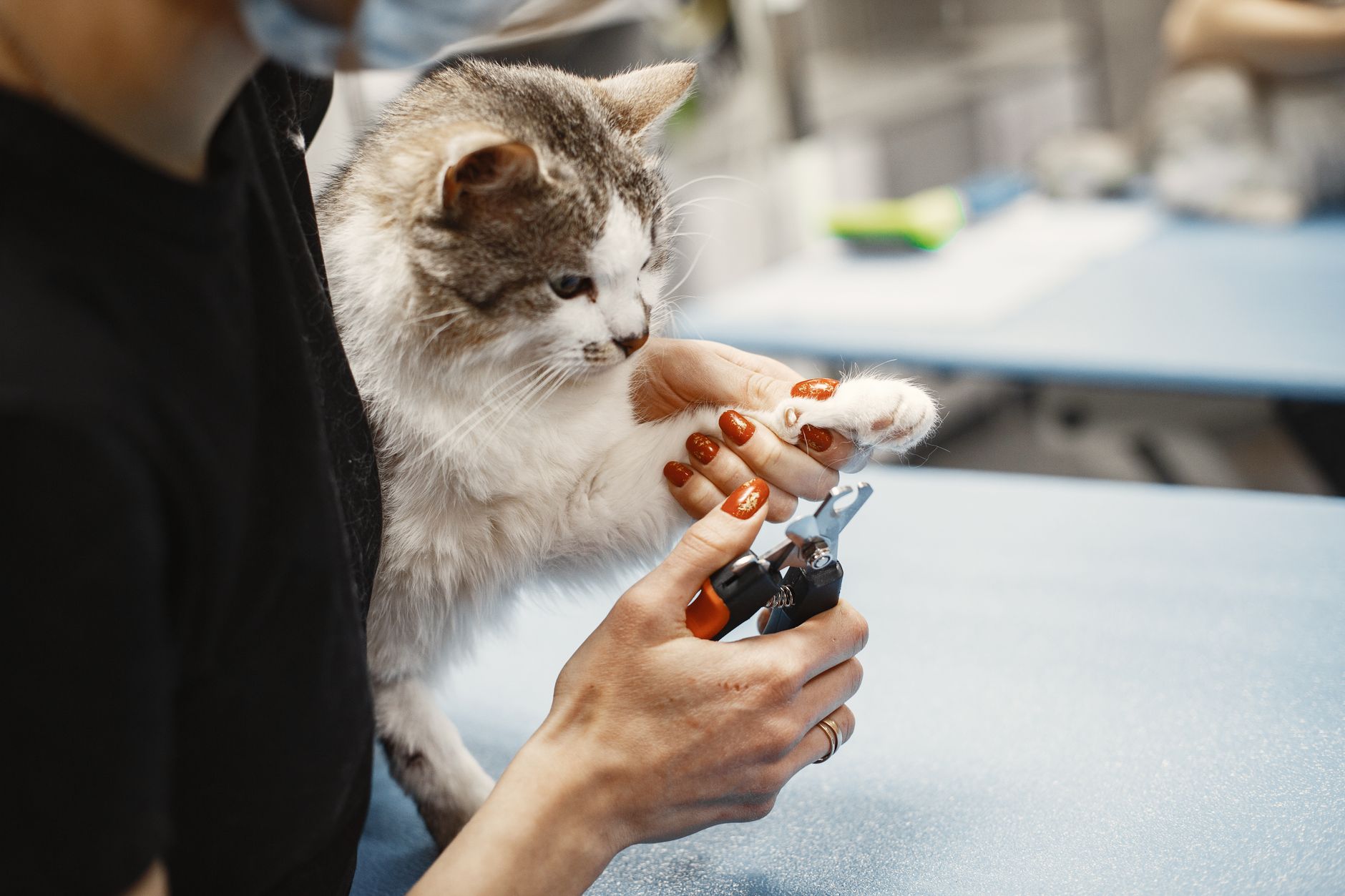
High ALT (alanine aminotransferase) levels in cats are a significant indicator of liver health, especially following the administration of pain medications. ALT is an enzyme found primarily in the liver, and its levels in the blood can rise when liver cells are damaged. In cats, normal ALT levels range from 28-109 U/L. Levels exceeding the reference interval are considered elevated, and those above the reference interval are critical, indicating severe liver damage.
Monitoring ALT levels is crucial because many pain medications, such as meloxicam and gabapentin, can potentially cause liver stress or damage in cats. Even medications deemed safe can lead to elevated ALT levels if not dosed correctly or if the cat has an underlying liver condition. Therefore, regular blood tests to monitor ALT levels are essential when a cat is on long-term pain management.
Elevated ALT levels can signal various liver-related issues, including hepatic lipidosis, which can develop from any prolonged anorexia regardless of breed. No strong breed predilection has been documented for liver conditions in cats, making it vital for all cat owners to be vigilant. If ALT levels are elevated, further diagnostic tests may be necessary to rule out other conditions such as hyperthyroidism or liver disease. For more information on potential causes of high ALT, you can refer to this article.
Any cat receiving pain medication should have its liver function monitored regularly. This proactive approach helps in early detection of liver damage, allowing for timely intervention and adjustment of medication. By understanding the significance of ALT levels, cat owners can better protect their pets from the potential risks associated with pain medications.
What Does ALT Indicate in Your Cat’s Blood Work?
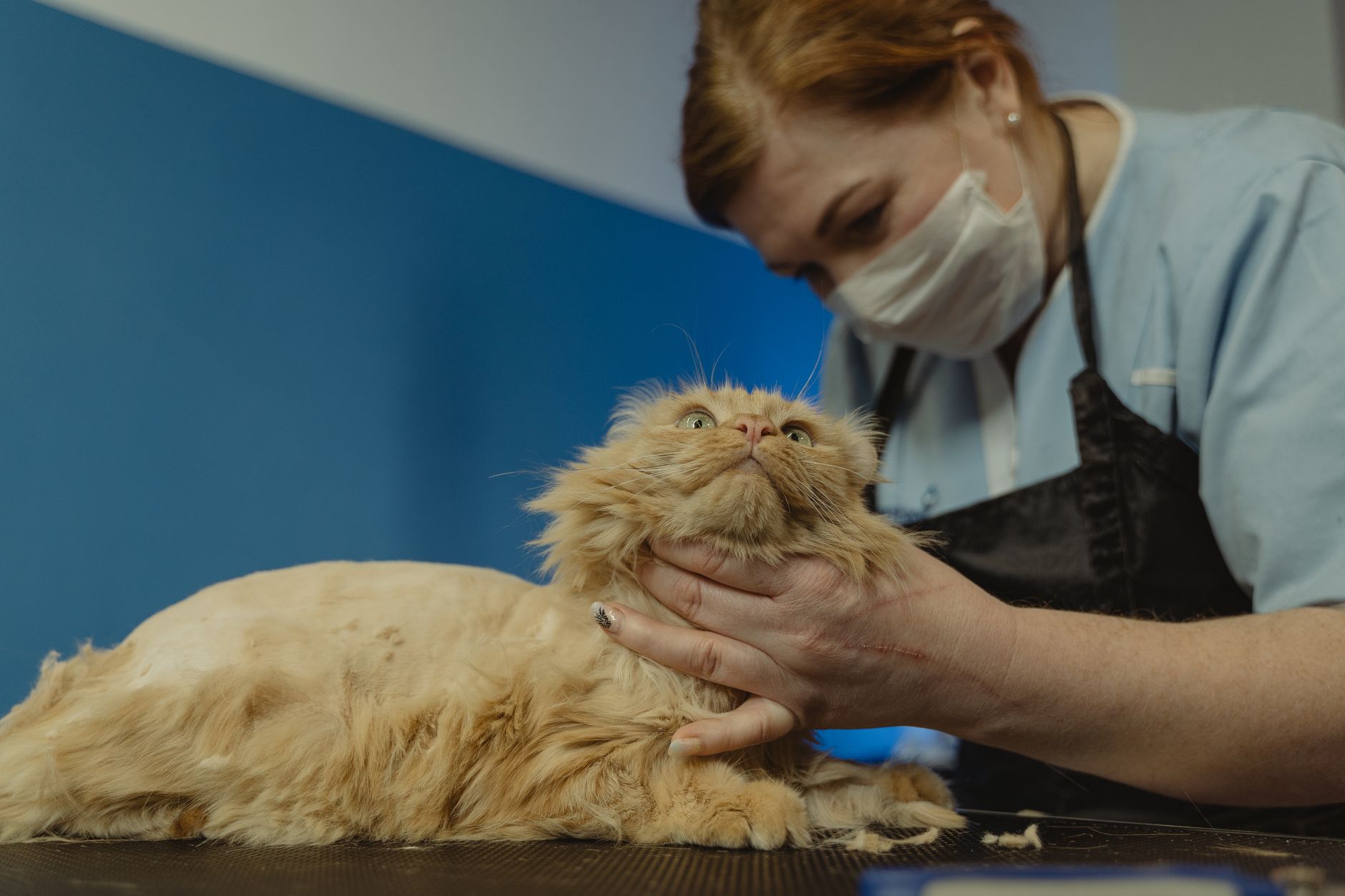
Alanine aminotransferase (ALT) is a crucial enzyme found primarily in the liver cells of cats. It plays a significant role in the metabolism of amino acids, which are the building blocks of proteins. When liver cells are damaged, ALT is released into the bloodstream, making it a vital marker for assessing liver health. In cats, normal ALT levels range from 28-109 U/L. An ALT level exceeding the reference interval is considered elevated, while levels above the reference interval are deemed critical and warrant immediate veterinary attention.
Elevated ALT levels in cats can indicate liver damage or disease. However, ALT is not specific to any single liver condition. It can be elevated due to various factors, including liver disease, toxin exposure, or even certain medications. For instance, pain medications like meloxicam and gabapentin, commonly used in cats, can sometimes lead to increased ALT levels, signaling potential liver stress or damage.
Monitoring ALT levels is essential for diagnosing and managing liver conditions in cats. Elevated ALT can be an early indicator of liver disease, prompting further diagnostic tests such as ultrasound or liver biopsy to determine the underlying cause. In cases where ALT levels are critically high, immediate intervention is necessary to prevent further liver damage and to address any underlying conditions. For more information on potential causes of high ALT levels, you can explore ALT Levels in Cats: What a High Result Means
In summary, ALT is a key parameter in evaluating liver health in cats. Regular blood work, especially in senior cats, is recommended to monitor ALT levels and ensure early detection of liver issues. Timely intervention can significantly improve outcomes for cats with liver abnormalities.
Understanding ALT Reference Ranges in Cats
Alanine aminotransferase (ALT) is a crucial enzyme in assessing liver health in cats. ALT levels can indicate liver damage or dysfunction, especially after administering certain medications. Understanding the reference ranges for ALT is essential for accurate diagnosis and treatment planning.
ALT levels in cats are categorized into three distinct ranges: normal, elevated, and critical. The normal range for ALT is between 10 and 28-109 U/L. Levels above the reference interval are considered elevated and warrant further investigation, while levels exceeding the reference interval are deemed critical and may indicate severe liver damage or failure. These thresholds are vital for determining the appropriate clinical response.
| ALT Level (U/L) | Interpretation | Clinical Action |
|---|---|---|
| 10-100 | Normal | Routine monitoring |
| 101-150 | Borderline | Consider retesting |
| 151-500 | Elevated | Investigate liver function |
| Above the reference interval | Critical | Immediate intervention |
See the full reference intervals for the cat — every value cited to the laboratory document or paper it came from.
In cases where ALT levels are elevated, it is crucial to consider potential causes such as liver disease, hyperthyroidism, or medication toxicity. For instance, liver disease can lead to increased ALT due to hepatocyte damage. Practitioners commonly observe that medications like meloxicam, when used inappropriately, can also elevate ALT levels, necessitating careful dosage and monitoring.
No strong breed predilection exists for elevated ALT levels in cats. Hepatic lipidosis, a common liver condition, can develop from any prolonged anorexia regardless of breed. Therefore, monitoring ALT levels is essential for all cats, especially when they are on medications known to affect liver function. By understanding these reference ranges, veterinarians can better manage feline health and prevent severe liver complications.
What Causes High ALT Levels in Cats?
Elevated alanine aminotransferase (ALT) levels in cats, defined as values exceeding the reference interval, can indicate various underlying conditions. ALT is an enzyme primarily found in the liver, and its elevation often signals liver damage or dysfunction. However, other factors can also contribute to increased ALT levels. Understanding these causes is crucial for accurate diagnosis and treatment.
Medication toxicity is a common cause of high ALT levels in cats. Certain pain medications, such as meloxicam and gabapentin, can lead to liver enzyme elevation if not dosed correctly. Clinical experience shows that monitoring liver function is essential when administering these drugs. Additionally, liver diseases such as hepatic lipidosis, cholangitis, and neoplasia can result in elevated ALT. No strong breed predilection exists for liver conditions in cats; hepatic lipidosis, for instance, can develop from any prolonged anorexia regardless of breed.
Other differential diagnoses include hyperthyroidism and chronic kidney disease (CKD). Hyperthyroidism can cause mild to moderate ALT elevation due to increased metabolic demands on the liver. For more information on this condition, see ALT Levels in Cats: What a High Result Means. CKD, while primarily affecting kidney function, can also impact liver enzymes. Elevated ALT levels in conjunction with other markers like SDMA and creatinine may suggest renal involvement. For further reading, consider High SDMA but Normal Creatinine in Cats — True Early CKD?.
| Cause | ALT Level (U/L) | Clinical Interpretation |
|---|---|---|
| Medication Toxicity | 150-300 | Monitor liver function; adjust dosage |
| Hepatic Lipidosis | 200-500 | Investigate anorexia history |
| Cholangitis | 250-450 | Consider bile duct inflammation |
| Hyperthyroidism | 150-250 | Check thyroid hormone levels |
| Chronic Kidney Disease | 150-300 | Evaluate renal function |
How Does ALT Compare to Other Liver Enzymes?
In veterinary medicine, ALT (alanine aminotransferase) is a key enzyme used to assess liver health in cats. However, it is not the only enzyme of interest. AST (aspartate aminotransferase) and ALP (alkaline phosphatase) are also crucial in diagnosing liver issues. While ALT is primarily found in the liver, AST is present in both the liver and muscles, making it less specific for liver damage. ALP, on the other hand, is associated with bile duct obstruction and bone metabolism, providing insights into different aspects of liver function.
ALT is the most liver-specific enzyme in cats, with normal levels ranging from 10 to within the reference interval. Levels above the reference interval warrant further investigation, and values exceeding the reference interval are considered critical. In contrast, AST and ALP elevations may indicate broader systemic issues, including muscle damage or bone disorders, respectively. Therefore, a comprehensive evaluation often involves measuring all three enzymes to pinpoint the underlying cause of liver dysfunction.
To better understand the differences and diagnostic implications of these enzymes, consider the following comparison table:
| Enzyme | Normal Range (U/L) | Clinical Interpretation |
|---|---|---|
| ALT | 28-109 U/L | Liver-specific damage |
| AST | 17-48 U/L | Liver or muscle damage |
| ALP | 11-49 U/L | Bile duct obstruction or bone disease |
Interpreting these enzymes in conjunction with clinical signs and other diagnostic tests is essential for accurate diagnosis. For instance, elevated ALP and GGT levels may suggest conditions like cholangitis or hepatic lipidosis, which require different management strategies than isolated ALT elevation.
How to Interpret High ALT Levels: Case Examples

Interpreting high ALT (alanine aminotransferase) levels in cats requires a systematic approach to differentiate between potential causes and determine the appropriate course of action. ALT is a liver enzy