Why Is High WBC in Guinea Pigs a Concern?

The clinical significance of high WBC counts lies in their role as markers of the body’s response to various challenges. When a guinea pig’s immune system detects an invader such as bacteria or viruses, it mobilizes white blood cells to fight off the infection. Similarly, inflammation from conditions like dental disease or respiratory issues can also elevate WBC levels. In both cases, these increases are the body’s way of mounting a defense and should not be ignored.
Owners need to recognize that while high WBC counts alone do not diagnose specific diseases, they serve as an important red flag for potential health problems. For example, if your guinea pig exhibits signs such as reduced appetite, lethargy, or difficulty breathing alongside elevated WBCs, these symptoms together suggest a more serious underlying issue that needs to be addressed by a veterinarian.
It is crucial to understand the context in which high WBC counts occur. For instance, if a guinea pig has recently undergone surgery or experienced significant stress due to environmental changes, transiently elevated WBC levels might not indicate an active infection but rather a physiological response to these events. However, persistent elevation of WBCs over time can be indicative of chronic inflammation or ongoing infection.
Moreover, high WBC counts in guinea pigs may also point towards systemic diseases such as pneumonia, urinary tract infections, or even neoplastic conditions like lymphoma. Each of these scenarios requires a thorough clinical workup to determine the exact cause and appropriate treatment plan. Therefore, it is essential for owners to monitor their pet’s behavior and health closely and seek veterinary advice promptly when any abnormalities are noted.
What Is White Blood Cell Count?
The white blood cell count, often abbreviated as WBC, is a critical measure of your guinea pig’s immune system. It reflects the number of white blood cells circulating in the bloodstream, which are essential for fighting off infections and responding to inflammation or injury. When the body detects an invader like bacteria or viruses, it increases its production of these cells to mount a defense.
White blood cells play several roles within the guinea pig’s immune system. They help identify foreign substances, such as pathogens, and initiate an inflammatory response to isolate and destroy them. Additionally, they can engulf harmful microorganisms directly through phagocytosis or produce antibodies that neutralize toxins and viruses.
Measuring WBC involves a simple blood test where a sample is taken from your guinea pig and analyzed under a microscope or using automated equipment. The results provide insight into the overall health of your pet’s immune system, helping veterinarians understand if there are signs of infection, inflammation, stress, or other conditions that might affect its well-being.
White blood cells can be categorized into several types, each with specific functions:
- Neutrophils: These are the most common type and play a crucial role in fighting bacterial infections. They increase rapidly during acute inflammatory responses.
- Lymphocytes: Involved in immune response against viruses and other pathogens, lymphocytes help produce antibodies that neutralize harmful substances.
- Eosinophils: These cells are particularly important for combating parasitic infections. They also play a role in allergic reactions.
- Basophils: Although less common than the others, basophils contribute to inflammatory responses and help regulate immune system activity.
- Monoctyes: These cells are involved in both innate and adaptive immunity. They can differentiate into macrophages that engulf and destroy pathogens.
Understanding these different types of white blood cells is crucial for diagnosing specific conditions. For example, an elevated neutrophil count might indicate a bacterial infection, while increased eosinophils could suggest a parasitic infestation or allergic reaction.
The reference intervals for WBC in guinea pigs are laboratory-specific and can vary based on the testing method used. Therefore, it is important to consult your pet’s lab report for accurate interpretation of results. A veterinarian will use these values along with clinical signs and other diagnostic tests to determine if there is an underlying infection or inflammation.
Monitoring WBC levels over time can also provide valuable information about your guinea pig’s health status. For instance, a persistent increase in white blood cell count might indicate chronic conditions such as autoimmune diseases or ongoing infections that require further investigation and management.
What Are Normal WBC Levels for Guinea Pigs?
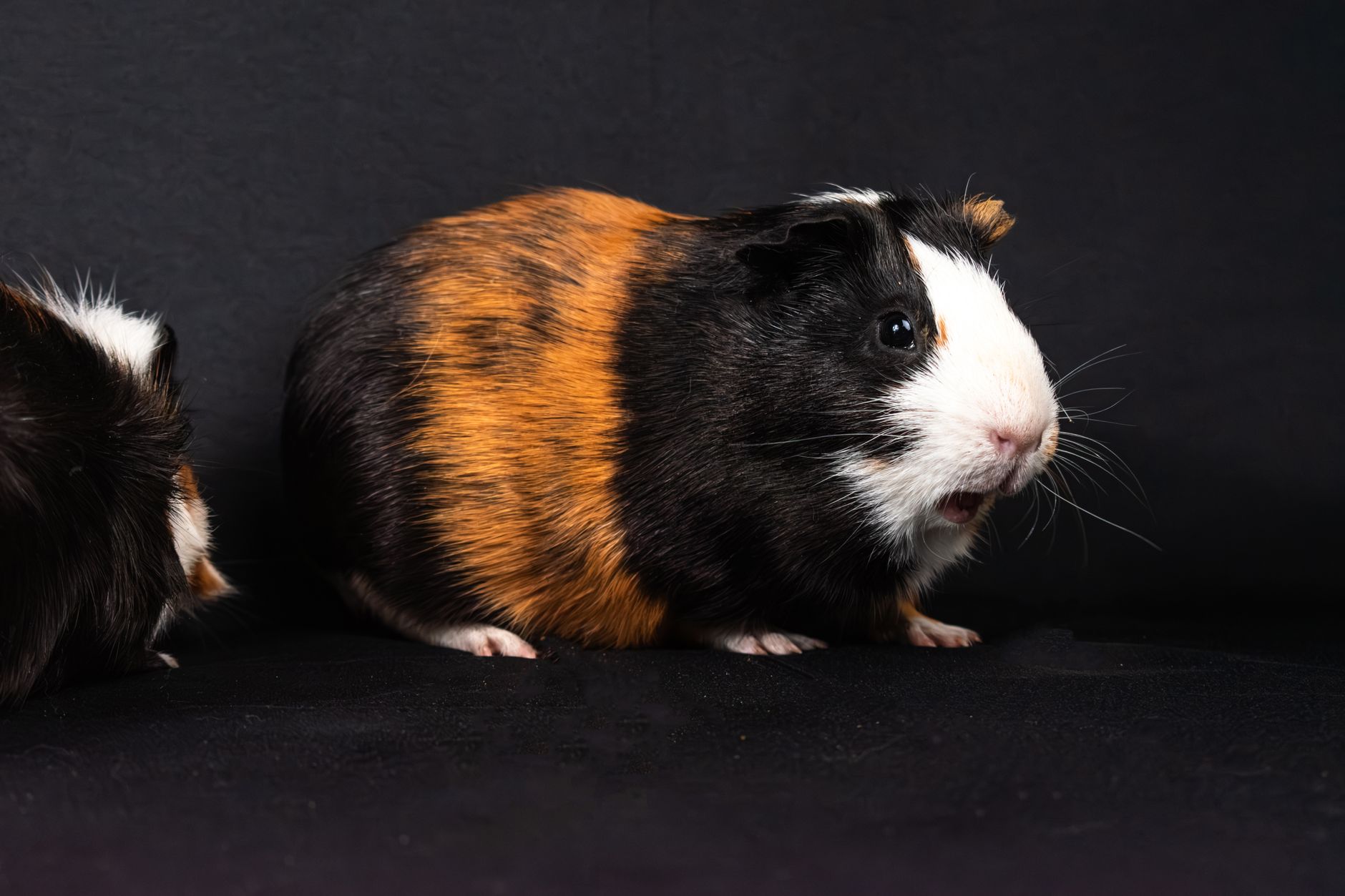
The white blood cell (WBC) count is a critical marker in guinea pigs, reflecting their immune response to infections and inflammation. Understanding the normal range of WBC levels helps veterinarians and owners interpret any deviations from health. The normal reference range for WBC in guinea pigs is 7-14 x10^3/uL.
When interpreting WBC counts, it’s important to consider that an increase above this range can indicate various conditions such as bacterial or viral infections, inflammation, stress, or even leukemia. Conversely, a decrease below the normal range might suggest severe infection leading to consumption of white blood cells (sepsis) or bone marrow suppression.
It is crucial for owners and veterinarians to monitor WBC levels alongside other clinical signs such as reduced appetite, lethargy, hunched posture, or diarrhea. These symptoms combined with an elevated WBC count can point towards a more serious underlying issue that requires prompt veterinary attention. For example, if a guinea pig exhibits these symptoms along with an increased WBC count, it may indicate the presence of pneumonia or another systemic infection.
Moreover, fluctuations in WBC levels should be evaluated within the context of the animal’s overall health status and recent history. Stressful events such as transportation, changes in environment, or introduction to new cage mates can temporarily elevate WBC counts without indicating an active infection. However, persistent elevations over several days may warrant further investigation.
It is also important to note that certain medications or treatments might affect WBC levels. For instance, corticosteroids used for treating allergies or inflammatory conditions could suppress the immune system and lead to a decrease in WBC counts. Therefore, it’s essential to review any recent medication history when assessing changes in WBC levels.
Owners should be aware that while an elevated WBC count can indicate infection or inflammation, it is not definitive proof of these conditions without additional diagnostic testing such as blood cultures, imaging studies (like X-rays), and other laboratory tests. A comprehensive approach to diagnosis ensures accurate identification of the underlying cause and appropriate treatment.
| Marker | Normal Range |
|---|---|
| WBC (White Blood Cells) | 7-14 x10^3/uL |
What Causes High WBC Count in Guinea Pigs?
A high white blood cell (WBC) count in guinea pigs can indicate a variety of underlying issues, ranging from infections to inflammation. When the body detects an invader or injury, it responds by increasing its production of white blood cells to fight off threats and repair damage. This elevation is a natural defense mechanism but also points towards active disease processes that need attention.
Infections are one of the most common reasons for elevated WBC counts in guinea pigs. Bacterial infections, such as pneumonia or urinary tract infections, can cause significant increases in white blood cells as the body mounts an immune response to eliminate pathogens. For example, a bacterial infection might present with symptoms like coughing and difficulty breathing if it affects the respiratory system. Viral and parasitic infections also trigger similar reactions. Additionally, inflammation from conditions like dental disease, which is quite common in guinea pigs due to their continuously growing teeth, can lead to a high WBC count. Dental issues often manifest as tooth grinding or reduced appetite.
When veterinarians see a markedly elevated WBC count on blood work, they consider several factors before making a diagnosis. The clinical signs observed in the animal—such as reduced appetite, lethargy, or respiratory effort—are crucial clues. A detailed examination and additional tests like bacterial cultures, imaging studies (like X-rays), and urinalysis help pinpoint the exact cause of inflammation or infection. For instance, an X-ray might reveal fluid accumulation in the lungs indicative of pneumonia, while a urine sample could show signs of a urinary tract infection.
It is important to note that stress or trauma can also lead to elevated WBC counts as part of the body’s response to physical or emotional stressors. This can complicate diagnosis since symptoms may overlap with those caused by infections or inflammation. In such cases, veterinarians often look for additional signs like hunched posture and reduced activity levels.
Other less common causes include leukemia, where there is an abnormal proliferation of white blood cells, leading to a high WBC count. This condition requires careful examination and possibly bone marrow testing to confirm the diagnosis. Severe inflammation or sepsis can also cause a high WBC count due to the body’s intense immune response.
| Cause | Mechanism | Typical Signs |
|---|---|---|
| Bacterial Infection | Immune response to bacterial pathogens | Reduced appetite, lethargy, respiratory effort |
| Viral Infection | Immune response to viral pathogens | Lethargy, reduced appetite, hunched posture |
| Parasitic Infection | Immune response to parasitic invasion | Diarrhea, weight loss, reduced appetite |
| Dental Disease | Inflammation and infection from dental issues | Tooth grinding, reduced appetite, weight loss |
| Stress or Trauma | Response to physical or emotional stressors | Lethargy, reduced appetite, hunched posture |
| Leukemia | Abnormal proliferation of white blood cells | Lethargy, weight loss, reduced appetite |
| Severe Inflammation or Sepsis | Consumption of white blood cells due to severe inflammation | Lethargy, reduced appetite, weight loss |
How Does WBC Compare to Other Blood Parameters in Guinea Pigs?

The white blood cell (WBC) count is a critical marker of inflammation or infection, but its interpretation becomes more nuanced when compared to other blood parameters. In guinea pigs, an elevated WBC can signal acute stress, bacterial or viral infections, or chronic inflammatory conditions like dental disease or urolithiasis. However, it’s essential to consider the context provided by liver enzymes and kidney markers.
For instance, if a guinea pig has a markedly elevated WBC alongside a raised ALP, whose reference range is 60-110 U/L, this combination often points towards biliary obstruction or hepatic inflammation. Similarly, an increased WBC count paired with a raised BUN, whose reference range is 9-32 mg/dL and a raised creatinine, whose reference range is 0.6-2.2 mg/dL may indicate acute kidney injury due to dehydration or urinary tract blockage.
Electrolyte imbalances also play a significant role in interpreting the clinical picture alongside WBC levels. For example, hypokalemia (low potassium) can exacerbate muscle weakness and lethargy seen with high WBC counts from chronic stress or infection. Conversely, hyperkalemia (high potassium) might be observed in severe dehydration where renal function is compromised, leading to a buildup of potassium.
Moreover, sodium levels are crucial for assessing hydration status and electrolyte balance. Low sodium (hyponatremia) can indicate fluid overload or excessive loss through urine or diarrhea, which may elevate WBC due to stress or infection. High sodium (hypernatremia), on the other hand, suggests dehydration, further complicating the interpretation of elevated WBC counts.
Another important parameter is glucose levels. Elevated blood glucose can be indicative of diabetes mellitus or stress hyperglycemia, both of which might coexist with high WBC counts due to metabolic disturbances and immune system activation. Conversely, hypoglycemia (low blood sugar) could indicate insulin overdose in diabetic guinea pigs or other endocrine disorders that may also affect WBC levels.
Lastly, the red blood cell count (RBC), hematocrit (HCT), and hemoglobin (HGB) should be considered. These parameters can provide insights into anemia or polycythemia, which might coexist with high WBC counts in conditions such as chronic inflammation or infection.
| Marker | What it Adds to WBC Interpretation |
|---|---|
| ALP (60-110 U/L) | Elevated ALP suggests biliary obstruction or liver inflammation, which can coexist with high WBC. |
| BUN (9-32 mg/dL) | High BUN alongside elevated WBC may indicate dehydration or kidney dysfunction, especially if creatinine is also high. |
| 6.8-8.9 mEq/L | Low potassium (hypokalemia) can worsen muscle weakness and lethargy seen with high WBC from chronic stress or infection. |
| 146-152 mEq/L | Low sodium (hyponatremia) can be a sign of dehydration, which might elevate WBC due to stress or infection. |
How Should I Interpret High WBC in Guinea Pigs?
A high white blood cell count (WBC) in guinea pigs can indicate several underlying issues, such as inflammation or infection. Understanding what a high WBC means and how to proceed is crucial for your pet’s health.
When interpreting a high WBC result, it’s important to consider the context of other clinical signs and recent events. For instance, if your guinea pig has been stressed recently due to changes in its environment or diet, an elevated WBC might simply reflect this stress response rather than an active infection or inflammation.
However, a persistently high WBC can also signal more serious conditions like bacterial infections, parasitic infestations, or even certain types of cancer. In these cases, further diagnostic steps are necessary to pinpoint the exact cause and guide appropriate treatment.
| Finding | What it may suggest | Suggested next step |
|---|---|---|
| Above the reference range | Inflammation, infection, stress, or leukemia | Consult your veterinarian for a thorough examination and further tests such as blood cultures, imaging studies, or specific antibody tests. |
| Markedly elevated | Severe infection or inflammation | Immediate veterinary care is recommended to address the underlying cause. |
| Persistent increase over time | Chronic inflammation or persistent infection | Regular monitoring and follow-up with your veterinarian to track changes. |
| Sudden spike in WBC | Acute infection or stress response | Evaluate recent changes and consult your veterinarian for a prompt assessment. |
| Normal range with other markers elevated | Indicates inflammation or infection without significant leukocytosis | Further investigation into specific inflammatory markers and clinical signs. |
A high WBC count above the reference range can indicate various conditions, including infections (bacterial or parasitic), inflammation, stress responses, or even leukemia. It’s important to consider other clinical signs such as reduced appetite, lethargy, diarrhea, or respiratory effort when interpreting this result.
If your guinea pig shows a markedly elevated WBC count, it suggests severe inflammation or infection that requires immediate veterinary attention. This could be indicative of an acute condition like pneumonia or sepsis, which need prompt treatment to prevent complications.
When the WBC count persists in increasing over time, this often points towards chronic inflammation or persistent infections such as dental disease or urinary tract issues. Regular monitoring and follow-up with your veterinarian are essential for managing these conditions effectively.
In summary, a high WBC in guinea pigs should be evaluated carefully by considering recent events, clinical signs, and other laboratory results. Consulting your veterinarian is crucial to determine the underlying cause and appropriate treatment plan.
Are There Breed or Age Differences in WBC Levels?
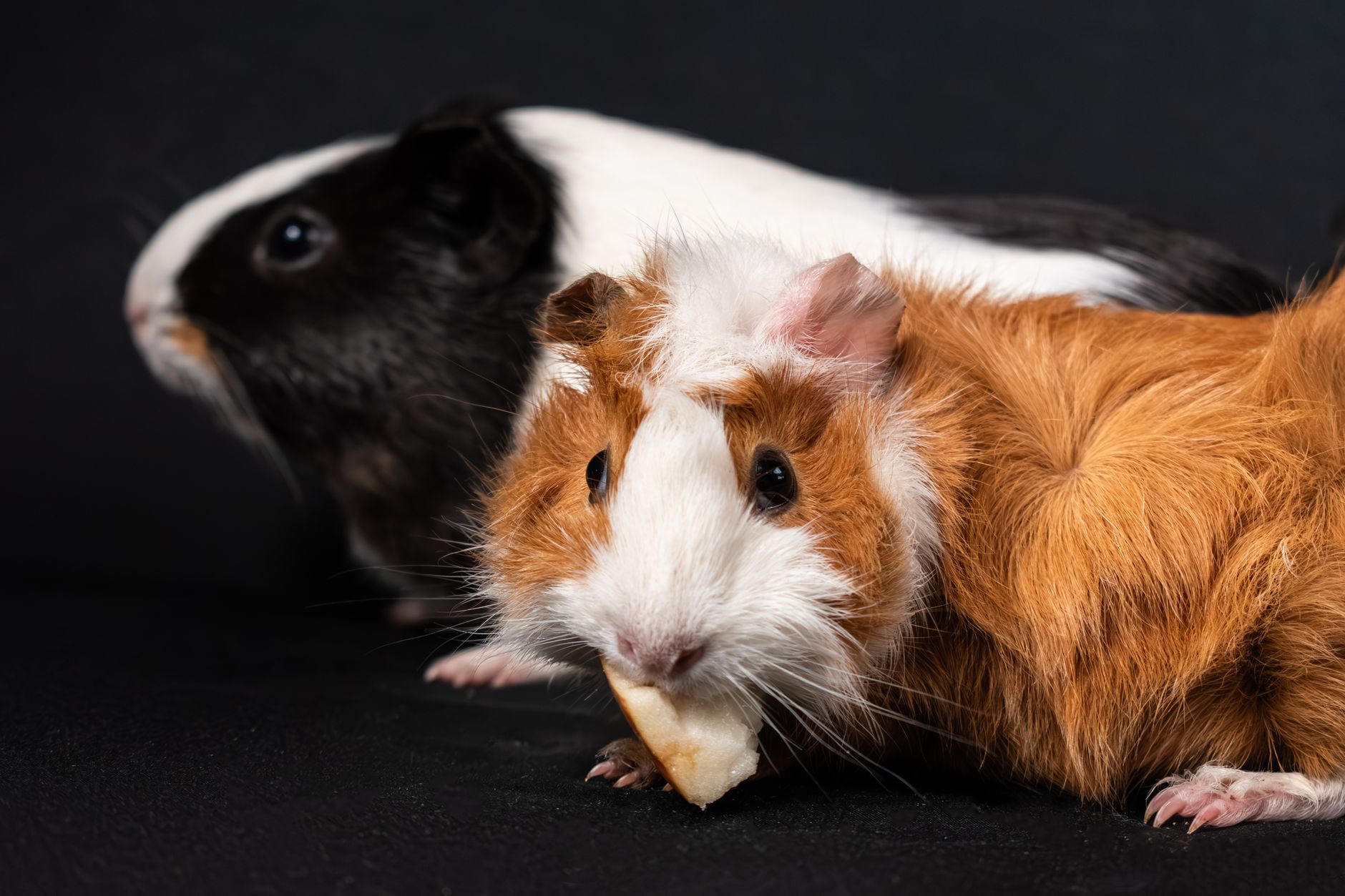
In guinea pigs, coat-type breeds such as American Shorthair, Abyssinian, Peruvian, Silkie, Teddy, Texel, Skinny Pig, and Hairless do not predispose to any documented blood-test abnormality. Clinical patterns are species-level issues like vitamin C deficiency (scurvy), urolithiasis from dietary calcium, and pregnancy-related problems in obese sows — these affect guinea pigs broadly regardless of breed.
When it comes to age differences, young guinea pigs may have slightly higher white blood cell counts due to their developing immune system. This is a normal physiological response as the body builds its defense mechanisms against potential pathogens. However, this does not mean that older guinea pigs cannot also show elevated WBC levels if they are dealing with an infection or inflammation. The key is to monitor any changes in your pet’s health and behavior alongside the lab results.
For instance, a young guinea pig might have a slightly elevated white blood cell count as its immune system matures and responds to environmental stimuli such as vaccinations or minor infections. Conversely, an older guinea pig showing signs of lethargy or reduced appetite with an above-normal WBC level should prompt immediate veterinary attention. This is because the rise in WBC could indicate an underlying infection or inflammation that needs treatment.
It’s important to note that while young guinea pigs may have a higher baseline WBC count, this does not necessarily mean they are sick. The immune system of younger animals is more active and responsive, which can lead to slight elevations in white blood cells as part of the normal developmental process. In contrast, older guinea pigs with elevated WBC levels might be indicative of chronic conditions such as dental disease or respiratory infections.
| Clinical Signs | WBC Level |
|---|---|
| Active, playful, good appetite | Above the reference range due to immune system development |
| Reduced activity, hunched posture, tooth grinding | Markedly elevated due to infection or inflammation |
| Weakness, lethargy, weight loss | Above the reference range due to chronic conditions or stress |
What Is the Treatment Approach for High WBC in Guinea Pigs?
The white blood cell (WBC) count is a critical marker of inflammation or infection in guinea pigs. When elevated, it signals that the body is responding to an immune challenge, whether from bacterial or viral pathogens, dental issues, stress, or other inflammatory processes.
Once high WBC levels are identified, the next step involves determining the underlying cause and initiating appropriate treatment. The approach depends on identifying if the elevation is due to infection or inflammation. For instance, a bacterial infection might require antibiotics, while chronic inflammation could necessitate anti-inflammatory medications or addressing dental issues that may be causing irritation.
Monitoring WBC levels over time is crucial for assessing response to therapy and overall health status. Regular blood tests can help track changes in the WBC count, indicating whether the treatment plan is effective or if adjustments are needed. Additionally, observing clinical signs such as reduced appetite, lethargy, or respiratory effort alongside lab results provides a more comprehensive picture of the guinea pig’s condition.
For example, if a guinea pig presents with high WBC levels and clinical symptoms indicative of dental disease, such as difficulty eating or drooling, addressing these issues might involve dental surgery to remove impacted teeth or smooth sharp spurs. Post-operative care would include pain management and anti-inflammatory drugs like meloxicam to reduce inflammation.
Similarly, if the elevated WBC count is associated with signs of infection, such as fever, discharge from the eyes or nose, or coughing, antibiotics tailored to common pathogens in guinea pigs should be administered. Commonly used antibiotics include enrofloxacin and doxycycline, but the choice depends on the suspected pathogen and sensitivity testing if available.
It is also important to consider environmental factors that may contribute to high WBC levels. Stress from overcrowding or poor hygiene can exacerbate inflammatory responses. Therefore, improving living conditions by providing a clean environment with adequate space and ventilation might be necessary alongside medical treatment.
In cases where the cause of elevated WBC remains unclear despite thorough investigation, further diagnostic tests such as imaging studies (X-rays) to assess for dental disease or internal infections, or more advanced blood work like serum cytokine levels, may be warranted. These additional steps can help pinpoint the exact source of inflammation and guide targeted therapy.
Ultimately, a multidisciplinary approach involving veterinary care, environmental management, and owner education is essential in managing high WBC counts in guinea pigs effectively. Regular follow-up visits are crucial to monitor progress and adjust treatment plans as needed.
Summary of Key Points on High WBC in Guinea Pigs

A high white blood cell (WBC) count in guinea pigs is a significant indicator that something is amiss within the body. It can signal an active infection, inflammation, stress, or even leukemia. Understanding what this means for your pet and knowing how to proceed is crucial.
When interpreting a WBC result above the reference range, it’s important to consider the guinea pig’s overall health status and recent history. Clinical signs such as reduced appetite, lethargy, hunched posture, or diarrhea can provide additional context that helps pinpoint the cause of elevated WBC levels. For example, if your pet is showing signs of respiratory distress along with a high WBC count, it may suggest an underlying infection like pneumonia.
It’s also essential to recognize that while a high WBC count points towards inflammation or infection, it does not specify which one. Therefore, further diagnostic steps are necessary to determine the exact cause and guide appropriate treatment. Your veterinarian might recommend additional tests such as blood cultures, imaging studies like X-rays or ultrasound, or even exploratory surgery in severe cases. For instance, if a guinea pig exhibits signs of abdominal pain alongside elevated WBC levels, an ultrasound may be ordered to check for internal organ issues.
Moreover, it is important to understand that stress can also elevate WBC counts in guinea pigs. Stressors such as changes in environment, introduction of new pets, or even routine veterinary visits can cause a temporary increase in WBCs. This makes it crucial to consider the pet’s recent experiences and overall demeanor when evaluating high WBC results.
In summary, while an elevated WBC count is a clear sign that your guinea pig needs attention, determining whether this elevation is due to infection or inflammation requires careful clinical assessment and additional diagnostic testing. Consulting with your veterinarian promptly can help ensure the best care for your pet.
Frequently Asked Questions
What does high WBC mean in my guinea pig?
A high white blood cell count indicates active inflammation or infection in your guinea pig’s body. It could also suggest stress or conditions like leukemia.
How can I tell if my guinea pig has an infection from their WBC results?
While elevated WBC often suggests infection, other tests such as bacterial cultures may be needed to confirm the exact cause alongside clinical symptoms like lethargy or diarrhea.
Can stress alone raise my guinea pig’s WBC levels?
Yes, stress can increase WBC counts in guinea pigs, so it’s important to consider environmental factors and recent changes that might have caused anxiety or discomfort.
Should I worry about low WBC in my pet?
Low WBC levels indicate severe inflammation or sepsis where cells are being used up rapidly, or possible bone marrow issues leading to decreased production of new cells.
Does a high WBC always require antibiotics?
Not necessarily; while infections commonly cause high WBC, other causes like inflammation need different treatments. Your vet will guide you based on additional test results.
Why would my guinea pig have both high WBC and low RBC?
High WBC with low red blood cells might point towards significant inflammation consuming resources or chronic diseases affecting both types of blood cells.
Are there specific breeds more prone to high WBC?
No breed predisposes guinea pigs to higher WBC levels; all guinea pigs are equally at risk depending on health and environment factors.
When should I see another vet after initial treatment for high WBC?
If your guinea pig shows no improvement within a few days or worsens despite treatment, recheck with your veterinarian for further evaluation.
Is vitamin C deficiency linked to high WBC?
Vitamin C deficiency primarily affects joints and skin but isn’t directly tied to raising WBC unless secondary complications lead to inflammation or infection.
Do neutrophils specifically rise during infections?
Neutrophil levels typically spike during acute infections due to their role in fighting bacteria and viruses, helping diagnose these conditions.
Can monocytes be elevated without an active infection?
Yes, monocyte elevation can occur during chronic inflammatory processes even if no current infection is present, indicating ongoing tissue repair needs.
Should I worry about basophils being slightly above normal range?
Slightly raised basophils rarely signify serious problems alone; they may increase in certain inflammatory states but generally aren’t alarming unless very high.
Why would my guinea pig’s reticulocyte count also be high alongside WBC?
High reticulocytes along with increased WBC might signal bone marrow responding vigorously to produce new cells, possibly due to anemia or other hematological disorders.
Sources & Further Reading
This article draws on the following authoritative veterinary references. For your pet’s individual case, consult a licensed veterinarian.
- Merck Veterinary Manual — comprehensive clinical reference for veterinary practice
- Veterinary Clinical Pathology — clinical pathology research and case studies