Why Should You Care About Jaundice in Cats?
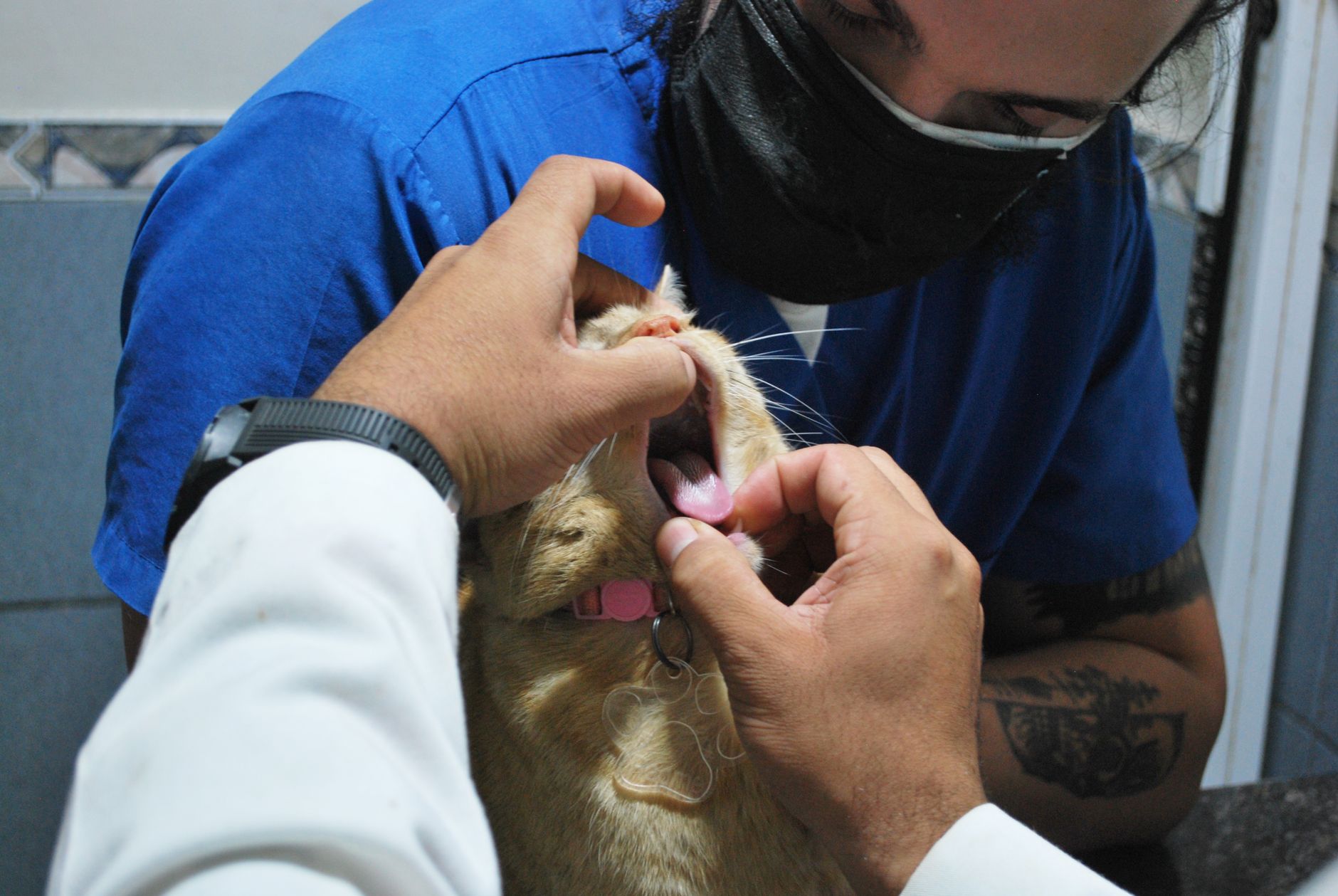
Jaundice, also known as icterus, is a visible sign of elevated bilirubin levels in cats. Bilirubin (0-0.1 mg/dL) is a yellow pigment that forms when red blood cells break down. When the liver cannot process bilirubin efficiently or if there’s an obstruction preventing its excretion, it accumulates in the bloodstream and causes jaundice. This condition can indicate serious underlying health issues such as liver disease, hemolysis (destruction of red blood cells), or bile duct blockages. Bilirubin levels should be interpreted alongside other markers like ALT (alanine aminotransferase) and ALP (alkaline phosphatase). Elevated bilirubin often correlates with increased ALT and ALP, indicating liver dysfunction. However, it’s important to note that elevated bilirubin alone does not confirm any specific disease; further diagnostic tests are necessary for an accurate diagnosis. Veterinary evaluation is crucial when a cat shows signs of jaundice. Common clinical signs include yellowing of the gums, whites of the eyes, and skin (if severe). Owners may also notice lethargy, loss of appetite, vomiting, or dark-colored urine. Prompt veterinary care can help identify the cause and initiate appropriate treatment. In cases where bilirubin is elevated, a veterinarian will likely recommend additional tests such as blood work to assess liver enzymes, imaging studies like ultrasound or X-rays to check for structural abnormalities, and possibly a biopsy if necessary. Treatment depends on the underlying cause but may include medications to support liver function, dietary changes, fluid therapy, or surgical intervention in severe cases. Understanding jaundice is vital because it can be an early indicator of serious health issues that require prompt attention. Early detection and treatment can significantly improve outcomes for affected cats.
What is Jaundice (Icterus) in Cats?
Jaundice, also known as icterus, is a yellowing of the skin and mucous membranes caused by an excess of bilirubin in the blood. Bilirubin is a waste product produced when red blood cells break down. In cats, jaundice can be a sign of liver disease, hemolysis (the destruction of red blood cells), or blockage of bile ducts. This condition can manifest as yellowing of the eyes and gums, which may initially go unnoticed by pet owners but is often detected during routine veterinary examinations.
The primary marker for assessing bilirubin levels in cats is the bilirubin test. The normal reference range for serum total bilirubin in cats is 0-0.1 mg/dL. Elevated bilirubin levels can indicate various conditions, such as liver disease, hemolysis, or obstruction of bile flow. For instance, if a cat exhibits signs of jaundice alongside lethargy and loss of appetite, these symptoms may correlate with elevated bilirubin levels.
Beyond the bilirubin test, veterinarians often evaluate other parameters to determine the underlying cause of jaundice in cats. These may include liver enzymes like ALT (alanine aminotransferase), AST (aspartate transaminase), and GGT (gamma-glutamyl transferase). Elevated levels of these enzymes can suggest liver dysfunction or damage. Additionally, bile acid tests may be performed to assess liver function. For example, if a cat’s ALT is markedly above its reference range, it could indicate significant liver injury.
The presence of jaundice in cats warrants a thorough veterinary evaluation to determine the underlying cause. Common causes include hepatic lipidosis (fatty liver disease), cholangiohepatitis syndrome, and neoplasia. Early diagnosis and treatment are crucial for managing these conditions effectively. For instance, if left untreated, hepatic lipidosis can lead to severe complications such as coagulopathy and encephalopathy.
Which Blood Tests Should You Ask For?
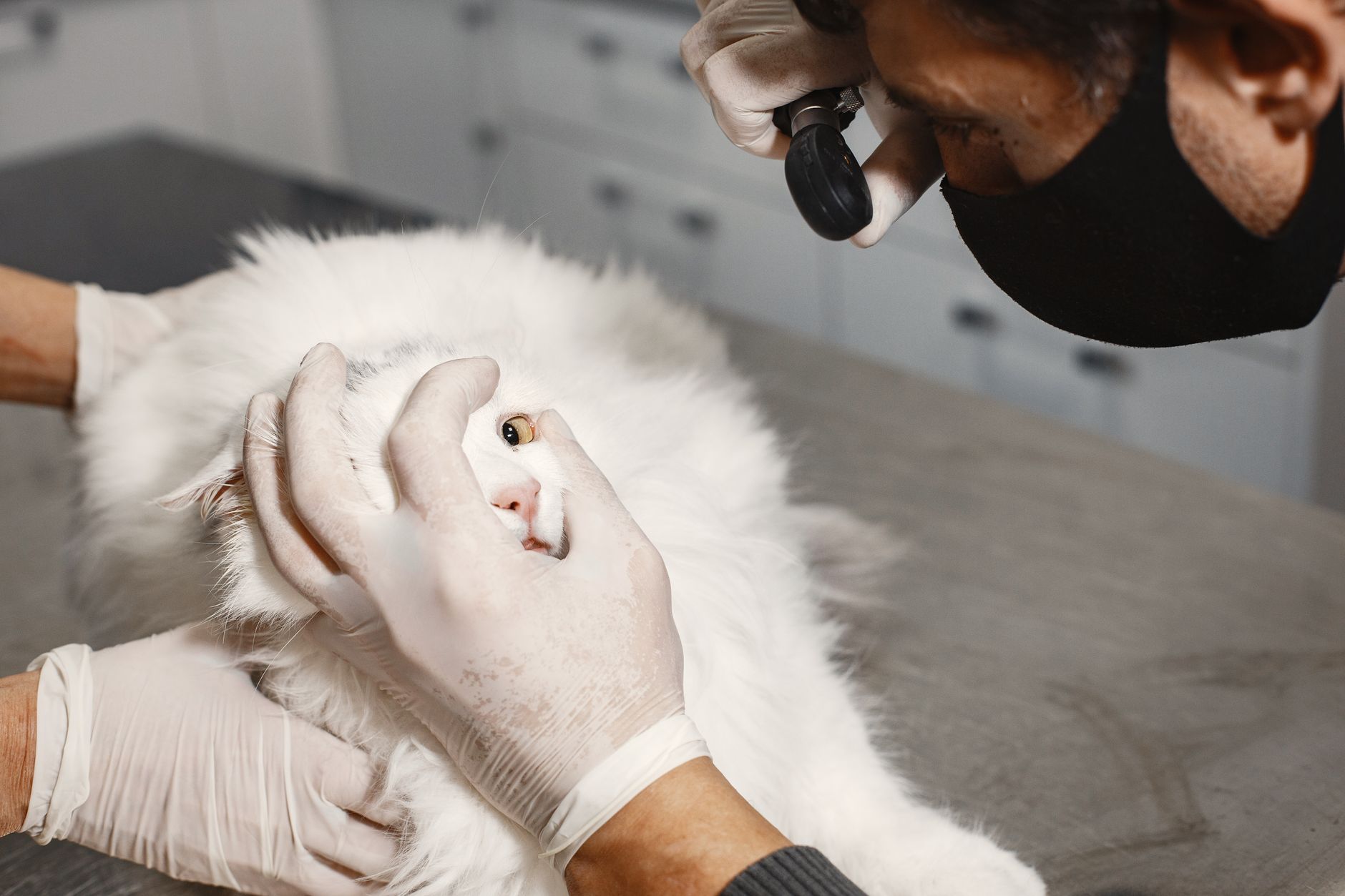
When your cat exhibits signs of illness, such as lethargy, poor appetite, or jaundice, blood tests can provide crucial information about organ function and overall health. A comprehensive panel including a complete blood count (CBC), serum chemistry profile, and electrolyte analysis is often recommended to assess various systems.
The CBC evaluates red blood cells, white blood cells, and platelets, providing insights into anemia, infection, inflammation, or clotting disorders. The serum chemistry profile measures enzymes like alanine aminotransferase (ALT), alkaline phosphatase (ALP), and aspartate aminotransferase (AST) to assess liver function. Additionally, bilirubin levels can indicate hemolysis or hepatic issues.
Electrolytes such as sodium (149-158 mEq/L), potassium (3.8-5.5 mEq/L), chloride (111-124 mEq/L), calcium (9.0-11.3 mg/dL), and phosphorus (2.6-5.5 mg/dL) are essential for maintaining fluid balance, nerve function, muscle contractions, and bone health. Abnormal electrolyte levels can signal dehydration, kidney disease, or metabolic imbalances.
For instance, if a cat presents with jaundice and lethargy, the CBC might reveal anemia, suggesting potential blood loss or hemolysis. Elevated white blood cell counts could indicate infection or inflammation. The serum chemistry profile would be particularly important in this scenario to assess liver enzymes like ALT (28-109 U/L), ALP (11-49 U/L), and AST (17-48 U/L). These markers can help differentiate between hepatic lipidosis, cholangiohepatitis, drug toxicity, or other causes of liver dysfunction.
Bilirubin levels are also critical in diagnosing jaundice. Elevated bilirubin could indicate hemolysis due to immune-mediated hemolytic anemia (IMHA) or hepatic issues such as bile duct obstruction or liver disease. In cases where the CBC and serum chemistry profile suggest a liver issue, further testing may be necessary.
| Marker | Normal Range | Possible Causes |
|---|---|---|
| ALT (Alanine Aminotransferase) | 28-109 U/L | Hepatic lipidosis, cholangiohepatitis, drug toxicity |
| ALP (Alkaline Phosphatase) | 11-49 U/L | Bone disease, liver disease, hyperparathyroidism |
| AST (Aspartate Aminotransferase) | 17-48 U/L | Muscle injury, haemolysis |
| Bilirubin | 0-0.1 mg/dL | Hemolysis, liver disease, bile duct obstruction |
| Sodium (Na) | 149-158 mEq/L | Dehydration, kidney disease, vomiting |
| Potassium (K) | 3.8-5.5 mEq/L | Renal failure, vomiting, diarrhea |
| Phosphorus (P) | 2.6-5.5 mg/dL | Renal failure, hypoparathyroidism |
Abnormal results should be interpreted alongside clinical signs and other test findings. For instance, elevated ALT with jaundice may suggest liver disease, while low potassium could indicate gastrointestinal losses or renal dysfunction.
Your veterinarian will determine the appropriate next steps based on these initial tests, which might include further diagnostic imaging (ultrasound), specialized blood work (bile acids), or therapeutic interventions tailored to your cat’s specific needs. For example, if a cat has elevated ALP and bilirubin levels, an ultrasound may be recommended to assess liver structure and identify any masses or abnormalities.
What Causes Jaundice in Cats?
Juandice, also known as icterus, is a visible yellowing of the skin and mucous membranes caused by elevated levels of bilirubin. Bilirubin is a breakdown product of hemoglobin from red blood cells that is normally processed by the liver and excreted into bile. When this process is disrupted, bilirubin accumulates in the bloodstream, leading to jaundice.
Jaundice can be caused by several conditions affecting either the liver or the biliary system:
- Hepatocellular disease: Liver inflammation (hepatitis) or necrosis can impair bilirubin metabolism and excretion, leading to jaundice. This condition often presents with clinical signs such as lethargy, anorexia, and icteric sclerae. Elevated liver enzymes like alanine aminotransferase (ALT) and aspartate aminotransferase (AST) are common findings in hepatocellular disease.
- Obstructive cholestasis: Blockage of the bile ducts by gallstones, tumors, or strictures prevents normal bile flow, causing bilirubin accumulation in the blood. This can lead to clinical signs such as jaundice, abdominal pain, and vomiting. Ultrasound imaging is often used to identify gallstones or other obstructions.
- Hemolytic anemia: Increased destruction of red blood cells leads to elevated unconjugated bilirubin levels. The liver may be overwhelmed and unable to process all the excess bilirubin, resulting in jaundice. Hemolytic anemia is often associated with a high reticulocyte count, indicating increased erythropoiesis.
- Post-hepatic conditions: These include pancreatitis or trauma that can cause bile duct obstruction, leading to jaundice. Clinical signs may include abdominal pain and vomiting. Pancreatitis is often diagnosed with elevated serum amylase and lipase levels.
The veterinarian will consider these causes alongside other clinical signs and diagnostic tests. For example, elevated liver enzymes (ALT, AST) suggest hepatocellular disease, while ultrasound may reveal gallstones causing biliary obstruction. Hemolytic anemia is often associated with a high reticulocyte count.
| Cause | Mechanism | Typical Signs |
|---|---|---|
| Hepatocellular disease | Liver inflammation or necrosis impairs bilirubin metabolism and excretion. | Jaundice, lethargy, anorexia, icteric sclerae |
| Obstructive cholestasis | Bile duct obstruction prevents normal bile flow and causes bilirubin accumulation. | Jaundice, abdominal pain, vomiting, icteric sclerae |
| Hemolytic anemia | Increased red blood cell destruction leads to elevated unconjugated bilirubin. | Jaundice, pale mucous membranes, tachycardia |
| Post-hepatic conditions | Pancreatitis or trauma causes bile duct obstruction. | Jaundice, abdominal pain, vomiting, icteric sclerae |
How Do These Tests Compare?
The comparison between tests such as ALT, ALP, GGT, and bilirubin provides a comprehensive view of liver function in cats. Each test offers unique insights into different aspects of hepatic health, helping veterinarians to diagnose the underlying cause of jaundice accurately.
- ALT (Alanine Aminotransferase): Elevated levels indicate hepatocellular damage or necrosis. ALT is primarily found within liver cells and leaks into the bloodstream when cell integrity is compromised. This enzyme is particularly useful for detecting acute liver injury, as its levels rise rapidly in response to cellular damage.
- ALP (Alkaline Phosphatase): Increased ALP can suggest cholestasis, bone disease, or other conditions affecting bile flow. Elevated levels may also indicate hepatobiliary obstruction or neoplasia. In clinical practice, a high ALP level often prompts further investigation into the biliary system and potential blockages.
- GGT (Gamma-Glutamyl Transferase): GGT is often elevated in cases of liver disease associated with bile duct obstruction or inflammation. It can be used to differentiate between cholestatic and non-cholestatic liver diseases, providing valuable information about the nature of hepatic dysfunction.
- Bilirubin: Elevated total bilirubin levels indicate impaired hepatic excretion, hemolysis, or hepatocellular damage. Direct (conjugated) bilirubin is more specific for biliary obstruction or cholestasis. Bilirubin testing helps to confirm the presence of jaundice and provides clues about its cause.
When interpreting these tests together, a veterinarian can gain a clearer understanding of the underlying liver condition in cats. For instance, markedly elevated ALT and GGT levels with normal ALP suggest hepatocellular injury without significant bile duct involvement. Conversely, high ALP and GGT levels with normal or mildly elevated ALT may indicate cholestasis.
It is important to note that while these tests provide critical information about liver function, they should be interpreted in the context of clinical signs and other diagnostic findings. For example, if a cat presents with jaundice and markedly elevated bilirubin levels but normal ALP and GGT, it may suggest hemolysis or an issue with red blood cell breakdown rather than primary liver disease.
| Marker | Normal Range | What It Adds |
|---|---|---|
| ALT (Alanine Aminotransferase) | 28-109 U/L | Indicates hepatocellular damage or necrosis |
| ALP (Alkaline Phosphatase) | 11-49 U/L | Suggests cholestasis, bone disease, or hepatobiliary obstruction |
| GGT (Gamma-Glutamyl Transferase) | 0-2 U/L | Differentiates between cholestatic and non-cholestatic liver diseases |
| Bilirubin (Total) | 0-0.1 mg/dL | Indicates impaired hepatic excretion, hemolysis, or hepatocellular damage |
What Does an Abnormal Test Result Mean?
An abnormal test result, whether above or below the reference range, indicates a potential issue that requires further investigation. For example, if bilirubin levels are elevated in a cat, this may suggest liver dysfunction or hemolysis. Bilirubin (0-0.1 mg/dL) is typically within normal limits when there is no underlying disease affecting liver function or red blood cell breakdown.
When interpreting abnormal test results, it’s important to consider the context of the cat’s overall health and clinical signs. For instance, an elevated bilirubin level may be associated with conditions such as hepatic lipidosis, cholangiohepatitis, or hemolytic anemia. Bilirubin is a breakdown product of heme from red blood cells and its levels can rise due to various liver diseases or increased destruction of red blood cells.
Further tests may be necessary to determine the underlying cause of abnormal bilirubin levels. These could include additional blood work, imaging studies like ultrasound, or specific diagnostic procedures such as a bile acid test or liver biopsy. The veterinarian will assess these results alongside clinical signs and other laboratory findings to make an accurate diagnosis.
| Finding | What it may suggest | Suggested next step |
|---|---|---|
| Above the reference range | Liver dysfunction or hemolysis | Further blood work, imaging studies, and specific diagnostic procedures |
| Below the reference range | Possible malnutrition or liver disease affecting bilirubin production | Evaluate dietary intake and perform additional tests to assess liver function |
| Within the reference range but trending upward or downward over time | Subtle changes in liver health or red blood cell turnover | Monitor trends and consider additional diagnostic tests as needed |
Bilirubin levels that are consistently elevated can indicate significant liver damage, hemolysis, or other serious conditions. In such cases, the veterinarian may recommend a comprehensive evaluation to determine the cause of the abnormality. This could involve further blood work to assess liver enzymes and other markers, imaging studies like ultrasound to visualize the liver structure, and specific diagnostic procedures such as bile acid testing or liver biopsy.
It is crucial to address any abnormalities in bilirubin levels promptly, as untreated conditions can lead to more severe health issues. The veterinarian will tailor a treatment plan based on the underlying cause, which may include dietary management, medication, or other interventions aimed at supporting liver function and addressing the root cause of the elevation.
For example, if hepatic lipidosis is suspected, the focus might be on providing high-calorie nutrition to support liver health. If hemolysis is identified, treatment could involve managing any underlying causes such as infections or toxins that are contributing to red blood cell destruction. In all cases, early intervention can improve outcomes and prevent further complications.
Are There Breed or Age Differences in Jaundice?
Jaundice, also known as icterus, is a condition characterized by yellowing of the skin and mucous membranes due to elevated levels of bilirubin. Bilirubin (0-0.1 mg/dL) is a breakdown product of hemoglobin that is normally processed by the liver and excreted in bile. In cats, jaundice can be caused by various conditions affecting liver function or red blood cell destruction. No strong breed predilection has been documented for this parameter in cats. However, age-related changes may influence bilirubin levels. Older cats are more prone to liver diseases such as hepatic lipidosis and cholangiohepatitis syndrome, which can lead to jaundice. Younger cats might experience jaundice due to hemolytic anemia or congenital disorders affecting red blood cell stability. When interpreting elevated bilirubin levels in a cat, it is important to consider other liver enzymes such as ALT (28-109 U/L) and ALP (11-49 U/L). These markers can help differentiate between hepatocellular injury and biliary obstruction. Additionally, assessing the CBC for evidence of anemia or reticulocyte count can provide clues about red blood cell destruction. Veterinarians may recommend further diagnostic tests such as abdominal ultrasound to visualize liver structure, bile acid stimulation test to assess hepatic function, or endoscopy with biopsy if a specific cause is suspected. Treatment will depend on the underlying condition but may include supportive care, dietary management, and medications prescribed by the veterinarian based on the individual case. In summary, while there are no breed-specific predispositions for jaundice in cats, age-related factors can influence its occurrence. A comprehensive approach involving multiple diagnostic tests helps pinpoint the cause of elevated bilirubin levels and guides appropriate treatment.
high ALP in cats can indicate liver dysfunction, which is often seen alongside jaundice. Understanding the role of feline kidney disease and its impact on overall health is also crucial when evaluating a cat with jaundice, as liver and kidney functions are interconnected. Furthermore, considering the potential for high creatinine levels in cats can provide additional insights into systemic health issues that might contribute to or complicate jaundice symptoms.
What is the Treatment Approach for Jaundice?
The treatment approach for jaundice in cats depends on the underlying cause. Jaundice, or icterus, indicates an accumulation of bilirubin in the blood and tissues, which can be caused by liver disease, hemolysis (destruction of red blood cells), or obstruction of bile flow.
For liver-related causes such as hepatic lipidosis or cholangiohepatitis, supportive care is crucial. This includes providing a high-protein diet to support liver function and addressing any nutritional deficiencies. Ursodiol may be prescribed by the veterinarian to support bile flow and reduce inflammation in the liver. In cases of hepatic lipidosis, it’s important to ensure that the cat receives adequate nutrition to prevent further fat accumulation in the liver cells. This might involve force-feeding or using a feeding tube if the cat is not eating on its own.
In cases of hemolysis, such as immune-mediated hemolytic anemia (IMHA), corticosteroids or other immunosuppressive drugs are often used to control the immune response attacking red blood cells. Blood transfusions may be necessary if severe anemia is present. The goal in treating IMHA is to suppress the immune system’s attack on the cat’s own red blood cells, which can be a life-threatening condition.
For bile duct obstruction, surgical intervention might be required to relieve the blockage and restore normal bile flow. This could involve procedures such as cholecystectomy (removal of the gallbladder) or choledochotomy (surgical opening of the common bile duct). Post-operative care is critical in these cases, including monitoring for complications like infection or further obstruction.
Regardless of the underlying cause, it’s important to monitor liver function and bilirubin levels regularly. This can help assess the effectiveness of treatment and guide any necessary adjustments. Blood tests such as a complete blood count (CBC), serum biochemistry panel, and coagulation profile are essential for monitoring these parameters.
| Cause | Mechanism | Typical Signs |
|---|---|---|
| Hepatic Lipidosis | Accumulation of fat in liver cells impairs function. | Anorexia, weight loss, lethargy, jaundice. |
| Cholangiohepatitis | Inflammation of bile ducts and liver tissue. | Fever, vomiting, abdominal pain, jaundice. |
| Immune-Mediated Hemolytic Anemia (IMHA) | Autoimmune destruction of red blood cells. | Pale gums, rapid breathing, jaundice, collapse. |
| Bile Duct Obstruction | Blockage prevents bile from reaching the intestines. | Jaundice, dark urine, pale stools, vomiting. |
| Hepatitis | Inflammation of liver tissue. | Lethargy, weight loss, jaundice, vomiting. |
Summary of Key Points on Jaundice in Cats
Jaundice, also known as icterus, is a condition characterized by yellowing of the skin and mucous membranes due to elevated levels of bilirubin. In cats, jaundice often indicates liver dysfunction or hemolysis (destruction of red blood cells). Bilirubin (0-0.1 mg/dL) is a breakdown product of heme from hemoglobin and other heme-containing proteins. Elevated bilirubin levels can be caused by various conditions such as hepatic disease, cholestasis, or excessive red blood cell destruction. When assessing jaundice in cats, it’s crucial to evaluate liver enzymes like ALT (alanine transaminase) and ALP (alkaline phosphatase). These markers help differentiate between hepatocellular injury and biliary obstruction. For example, markedly elevated ALP with normal to slightly increased ALT may suggest cholestasis or bile duct obstruction. Conversely, a significant increase in both ALT and ALP could indicate liver cell damage. Further diagnostic tests such as abdominal ultrasound, complete blood count (CBC), and liver function tests can provide more detailed information about the underlying cause of jaundice in cats. Abdominal ultrasounds are particularly useful for identifying structural abnormalities within the liver or bile ducts that may be contributing to elevated bilirubin levels. The CBC is essential as it helps identify anemia, which could indicate hemolysis as a potential cause of jaundice. Additionally, specific tests like reticulocyte count and Coombs test can help confirm whether red blood cell destruction is occurring within the body (intravascular) or after they have left the bloodstream (extravascular). Liver function tests such as bile acid levels and ammonia concentration provide further insight into liver health and its ability to process waste products. Elevated bile acids suggest impaired hepatobiliary function, while high ammonia levels may indicate portosystemic shunting. The veterinarian will determine the appropriate course of action based on these results, which may include dietary management, medication, or surgical intervention if necessary. Understanding bilirubin levels is crucial for diagnosing and managing conditions that affect liver health and red blood cell turnover in cats. Elevated bilirubin should prompt a thorough investigation to identify the root cause and initiate appropriate treatment under veterinary guidance. In summary, jaundice in cats requires a comprehensive approach involving multiple diagnostic tests to accurately diagnose and treat underlying causes effectively.
Frequently Asked Questions
What blood tests should my vet run if my cat has jaundice?
Your vet will typically order liver function tests like ALT, AST, ALP, GGT, and GLDH, as well as total bilirubin levels to assess liver health and identify potential causes of jaundice.
Why does my vet need to check my cat’s bilirubin level?
Bilirubin testing helps determine whether your cat’s jaundice stems from liver issues or red blood cell breakdown, guiding further diagnostic steps.
Is there a specific test to diagnose hemolytic anemia in cats with jaundice?
A CBC including reticulocyte count may be ordered to detect increased red blood cell destruction, confirming hemolytic anemia as a cause of jaundice.
Can kidney failure cause jaundice in cats?
Kidney failure rarely directly causes jaundice but can contribute through uremia; checking BUN and creatinine provides insight into renal function.
Should I worry about electrolyte imbalances causing jaundice?
Electrolytes such as sodium, potassium, and chloride help maintain fluid balance but do not usually cause jaundice directly; they assist in overall organ function assessment.
Could low albumin levels suggest anything about my cat’s jaundice?
Low albumin indicates poor protein synthesis often seen in chronic liver diseases, which could correlate with persistent jaundice due to liver dysfunction.
Are there other enzymes besides those related to the liver that are important for diagnosing jaundice?
LDH is another enzyme that can rise in cases of tissue damage, including liver injury, providing additional evidence when assessing jaundiced cats.
Why would my vet check my cat’s total protein and globulin levels?
Total protein and globulin levels can reflect inflammatory processes or immune responses, offering clues about underlying conditions like infections or autoimmune disorders affecting liver function.
How does SDMA relate to liver issues in cats with jaundice?
SDMA testing helps evaluate kidney function indirectly but also aids in understanding systemic illness severity, which can impact liver health and jaundice.
Is it necessary to test calcium and phosphate levels in a cat with jaundice?
Calcium and phosphate tests assess bone metabolism and parathyroid function, which while less commonly linked to jaundice, can indicate broader health concerns impacting liver function.
Can CBC results give insights into why my cat is jaundiced?
CBC results showing changes like anemia (low RBC count) or reticulocytosis suggest hemolysis, indicating red blood cell destruction as a potential cause of jaundice.
Should I be concerned about abnormal white blood cell counts in relation to my cat’s jaundice?
Abnormal WBC counts might signal infection or inflammation; neutrophilia or lymphopenia could hint at concurrent illnesses exacerbating liver stress leading to jaundice.
Does checking specific gravity help diagnose jaundice in cats?
Specific gravity measures urine concentration and can indicate dehydration or renal impairment, though it doesn’t directly diagnose jaundice but complements overall assessment.
Sources & Further Reading
This article draws on the following authoritative veterinary references. For your pet’s individual case, consult a licensed veterinarian.
- Merck Veterinary Manual — comprehensive clinical reference for veterinary practice
- AAFP Feline Guidelines — American Association of Feline Practitioners
Cite this articleMarcin Siedlecki. Jaundice in Cats – Which Blood Tests to Ask For. VetBlood, 2026. https://vetblood.io/blog/jaundice-in-cats-which-blood-tests-to-ask-for/Feel free to quote or reference this article, in whole or in part, with attribution and a link back.