Senior Horse Blood Tests Yearly Check: Essential Tips
Senior Horse Blood Tests Yearly Check: Essential Tips
Wondering what a full interpretation looks like? See a sample report →
Why Are Annual Blood Tests Crucial for Senior Horses?

The health of senior horses can decline rapidly due to age-related conditions, making regular monitoring essential. According to published veterinary research, annual blood tests are a cornerstone in maintaining the well-being of older equines by detecting early signs of disease before clinical symptoms become apparent.
- Early detection allows for timely intervention and management of chronic diseases such as equine metabolic syndrome, which can lead to insulin resistance and laminitis if left untreated. By monitoring glucose levels, veterinarians can identify elevated values (above the reference interval) that indicate potential issues.
- Blood tests also help in assessing kidney function through parameters like creatinine. Elevated creatinine levels (outside the reference interval) suggest reduced glomerular filtration rate, indicating possible renal impairment. Early detection can lead to dietary and medical adjustments to slow disease progression.
- Liver enzymes such as GGT (gamma-glutamyl transferase), which is often elevated in cases of liver disease or muscle injury, are critical indicators for monitoring senior horses. GGT levels above the reference interval may warrant further investigation into the underlying cause, whether it’s hepatic issues or muscle damage.
Annual blood tests provide a comprehensive overview of a horse’s internal health status, enabling veterinarians to tailor preventive care strategies and treatment plans accordingly. This proactive approach not only enhances the quality of life for senior horses but also extends their lifespan by addressing potential health threats before they become severe.
What Is a Complete Blood Count (CBC)?
A complete blood count (CBC) is a fundamental diagnostic tool in veterinary medicine, providing critical insights into a horse’s overall health. This comprehensive test evaluates various components of the blood, including white blood cells (WBCs), red blood cells (RBCs), and platelets. The CBC helps veterinarians detect early signs of infection, inflammation, anemia, or other systemic issues that might not be apparent through physical examination alone.
White blood cells are crucial for immune function and can indicate the presence of infections or inflammatory processes when their levels deviate from normal ranges. For instance, elevated WBC counts may suggest bacterial or viral infections, while decreased counts could point to immunosuppressive conditions such as stress or certain medications. Monitoring WBC levels is essential for early detection and management of health issues in senior horses.
- White Blood Cells (WBCs): Normal range: laboratory-specific; >15,000 indicates potential infection or inflammation; >20,000 is critical and requires immediate veterinary attention.
- Red Blood Cells (RBCs): Normal range: 3.6–5.8 million cells/µL; <3.6 million suggests anemia, while values >5.8 million may indicate dehydration or polycythemia.
- Hematocrit (HCT): Measures the proportion of RBCs in blood and is normal at 34-46%; outside the reference interval indicates anemia; outside the reference interval suggests dehydration or polycythemia.
- Platelets: Normal range: 94-232 x10^3/uL; <150,000 increases risk of bleeding disorders; >600,000 may indicate inflammation or bone marrow issues.
The CBC also includes measurements like hemoglobin and hematocrit, which are vital for assessing oxygen-carrying capacity in the blood. Hematocrit levels below the reference interval can signal anemia, while values above the reference interval might suggest dehydration or polycythemia. These parameters provide a comprehensive overview of the horse’s circulatory system health.
What Are Normal Liver Enzyme Levels?

Liver enzyme levels are crucial indicators of liver health in senior horses. These enzymes, including alanine aminotransferase (ALT), aspartate aminotransferase (AST), gamma-glutamyl transferase (GGT), and alkaline phosphatase (ALP), help veterinarians assess the functional status of the liver. Understanding their normal ranges is essential for early detection of potential issues.
ALT levels in horses typically are laboratory-specific, with values above the reference interval indicating elevated activity and those over the reference interval being critical. Similarly, AST levels should normally be between 8 and 222-489 U/L; elevations above the reference interval suggest liver or muscle damage, while readings exceeding the reference interval are considered critical.
GGT is another enzyme that can indicate liver disease or bile duct issues in horses. According to standard veterinary practice, normal GGT levels should not exceed the reference interval; values above the reference interval may suggest underlying conditions such as cholangiohepatitis or bile duct obstruction, and readings over the reference interval are critical.
ALP is particularly important for assessing bone metabolism and liver function. In horses, ALP levels should typically range from 88-261 U/L; elevations above the reference interval may indicate bone disease or liver dysfunction, while values exceeding the reference interval require urgent attention.
| Enzyme | Normal Range (U/L) |
|---|---|
| ALT | 10–100 |
| AST | 222-489 U/L |
| GGT | 8-33 U/L |
| ALP | 88-261 U/L |
See the full reference intervals for the horse — every value cited to the laboratory document or paper it came from.
Understanding Kidney Function Markers in Horses

The kidneys play a crucial role in maintaining overall health by filtering blood, regulating electrolyte balance, and producing essential hormones. For senior horses, regular monitoring of kidney function is vital to detect early signs of renal impairment. Blood tests can provide valuable insights into kidney health through specific markers such as BUN (blood urea nitrogen), creatinine, and SDMA (symmetric dimethylarginine).
Blood Urea Nitrogen (BUN) is a common marker for assessing kidney function. Elevated levels (outside the reference interval) may indicate reduced glomerular filtration rate (GFR), which can be due to dehydration or excessive protein intake, but persistent elevations above the reference interval of the interval reported by the laboratory often suggest more severe renal impairment.
- BUN: normal range is 10-22 mg/dL; outside the reference interval indicates potential kidney dysfunction and warrants further investigation; outside the reference interval signals urgent need for intervention.
- Creatinine: a more specific marker of glomerular filtration, with normal levels ranging from 0.8 to within the reference interval. Elevated creatinine (outside the reference interval) suggests impaired kidney function and may require further diagnostic workup such as urinalysis or imaging studies.
- SDMA: a newer marker that reflects early-stage renal damage, with normal levels below 16 µg/g creatinine. Elevated SDMA (>17 µg/g creatinine) is particularly concerning and may precede changes in BUN and creatinine, making it an important tool for early detection of kidney disease.
It’s crucial to interpret these markers within the context of a horse’s overall health status, including hydration levels, diet, and workload. For instance, intense exercise can lead to rhabdomyolysis (muscle breakdown), which may cause myoglobinuria and secondarily injure kidney tubules, leading to elevated BUN and creatinine levels.
Monitoring these markers annually in senior horses helps identify renal issues early, allowing for timely intervention and management strategies. This proactive approach can significantly improve the quality of life for aging equines by addressing underlying conditions before they become severe.
What Do Electrolyte Levels Tell Us?

Electrolytes such as sodium, potassium, and chloride are crucial for maintaining proper hydration, nerve function, muscle contraction, and acid-base balance in senior horses. Imbalances in these electrolytes can indicate underlying health issues or dietary deficiencies.
- Sodium (134-142 mEq/L) is essential for fluid regulation and nerve impulse transmission. Elevated sodium levels (outside the reference interval) may suggest dehydration, while critically high levels (outside the reference interval) can indicate severe electrolyte imbalance.
- Potassium (2.4-4.8 mEq/L) is vital for muscle function and nerve signaling. Elevated potassium levels (outside the reference interval) are often associated with kidney dysfunction or excessive dietary intake, while critically high levels (outside the reference interval) can be life-threatening.
- Chloride (95-104 mEq/L) helps maintain acid-base balance and fluid volume in the body. Elevated chloride levels (outside the reference interval) may indicate dehydration or metabolic alkalosis, while critically high levels (outside the reference interval) can be indicative of severe electrolyte disturbances.
Calcium (10.8-12.9 mg/dL), another critical electrolyte, plays a key role in bone health and muscle function. Calcium imbalances can signal issues such as hypocalcemia or hyperparathyroidism. Elevated calcium levels (outside the reference interval) may indicate conditions like primary hyperparathyroidism or certain types of cancer, while critically high levels (outside the reference interval) require immediate veterinary attention.
Monitoring electrolyte levels in senior horses is crucial for early detection and management of health issues. Routine laboratory analysis often reveals subtle imbalances that can be corrected through dietary adjustments or medical intervention before they become severe problems.
| Parameter | Normal Range (mEq/L or mg/dL) |
|---|---|
| Sodium | 134-142 mEq/L |
| Potassium | 2.4-4.8 mEq/L |
| Chloride | 95-104 mEq/L |
| Calcium | 10.8-12.9 mg/dL |
The table above provides a clear reference for interpreting electrolyte levels in senior horses, helping veterinarians and horse owners understand when further investigation or intervention is necessary.
How to Interpret Glucose Levels in Senior Horses
Glucose levels are a critical indicator of metabolic health in senior horses, particularly when assessing conditions such as insulin resistance or diabetes. According to standard veterinary practice, normal glucose levels for senior horses should range between 71-122 mg/dL. Levels above this range can indicate potential issues with glucose metabolism.
Elevated glucose levels (above the reference interval) in a senior horse may suggest insulin resistance or early stages of diabetes mellitus, conditions that are increasingly common as horses age due to reduced physical activity and dietary changes. Persistent hyperglycemia can lead to secondary complications such as laminitis, cataracts, and immune system dysfunction.
- Monitor glucose levels closely in senior horses with a history of obesity or equine metabolic syndrome (EMS).
- Increase dietary fiber while reducing non-structural carbohydrates (NSC) content in the diet to help manage blood sugar levels.
Reference intervals for the parameters discussed above, as published in the source panel for the horse:
| Parameter | Reference interval (horse) |
|---|---|
| Glucose | 71-122 mg/dL |
| AST | 222-489 U/L |
| ALP | 88-261 U/L |
| GGT | 8-33 U/L |
| BUN | 10-22 mg/dL |
| Creatinine | 0.8-1.5 mg/dL |
Breed and Age Differences in Blood Test Results
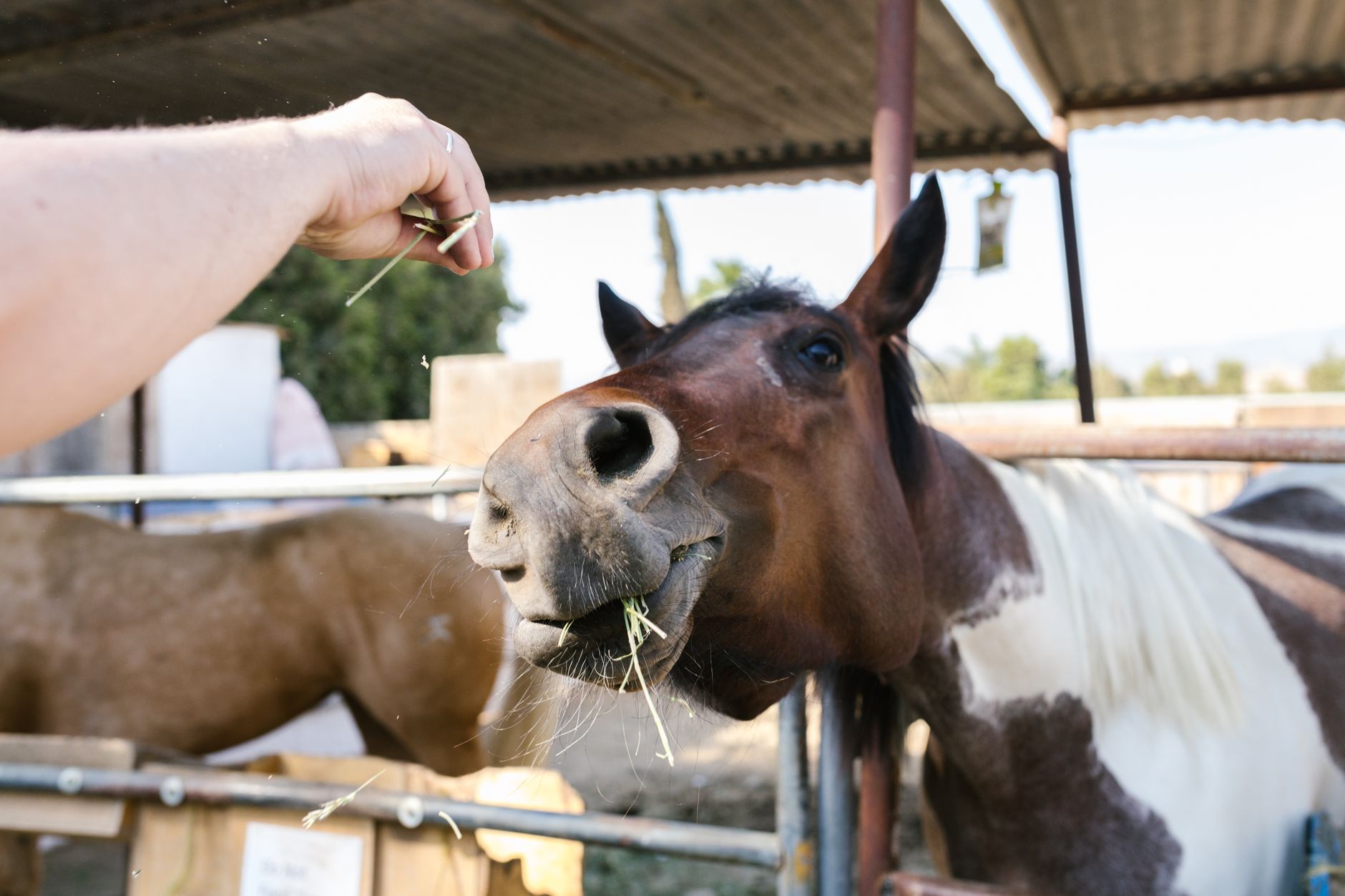
Understanding breed-specific variations is crucial when interpreting blood test results in senior horses. For instance, certain breeds like Quarter Horses are known to have a higher predisposition towards exertional rhabdomyolysis due to conditions such as Polysaccharide Storage Myopathy (PSSM) and Hyperkalemic Periodic Paralysis (HYPP), which can elevate muscle enzymes like creatine kinase (CK) and AST. However, no horse breed has a documented direct predisposition towards kidney disease based on blood parameters like BUN or creatinine.
Age also plays a significant role in interpreting blood test results. As horses age, their physiological changes may lead to variations in liver enzymes such as ALT, AST, GGT, and ALP. For example, older horses are more prone to developing Pituitary Pars Intermedia Dysfunction (PPID), which can cause an increase in serum cortisol levels and affect the metabolism of various substrates, leading to elevated liver enzyme activity.
Age-related changes in senior horses often result in a higher baseline for certain parameters. For instance, older horses may have slightly elevated ALT or AST levels compared to younger counterparts due to chronic low-grade inflammation and reduced hepatic function. However, it is essential to differentiate between normal aging processes and pathological conditions.
- Quarter Horses: Elevated CK and AST post-exercise due to PSSM or HYPP.
- no breed-specific reference range is established, so the species interval applies – Thoroughbreds: increased risk of exertional rhabdomyolysis with a rise in CK and AST after intense work. This is a difference in what happens to the muscle, not in the reference range for this breed – no breed-specific intervals are established for these parameters, so the laboratory range for the species applies.
- No breed predisposition for kidney disease based on BUN or creatinine levels.
| Parameter | Normal Range (U/L) |
|---|---|
| ALT | 10–100 |
| AST | 222-489 U/L |
| GGT | 8-33 U/L |
| ALP | 88-261 U/L |
| BUN | 10-22 mg/dL |
| Creatinine | 0.8-1.5 mg/dL |
| SDMA | Below the reference intervalµg/g creatinine |
It is important to note that while certain breeds may have a higher predisposition towards specific conditions, these variations do not necessarily indicate pathology. For example, elevated GGT levels in Quarter Horses due to PSSM or HYPP should be interpreted within the context of the horse’s exercise regimen and overall health status.
Frequently Asked Questions
What are the normal ranges for ALT, AST, GGT, and ALP in senior horses?
The reference ranges for these liver enzymes in senior horses are as follows: ALT (alanine aminotransferase) should be within the laboratory reference interval; AST (aspartate aminotransferase) is normal at 222-489 U/L; GGT (gamma-glutamyl transferase) should range from 8-33 U/L; and ALP (alkaline phosphatase) is within the acceptable range of 88-261 U/L. Elevated levels above these ranges may indicate liver dysfunction or other health issues.
How often should senior horses have blood tests?
It is recommended that senior horses undergo annual blood testing to monitor their overall health and detect any potential issues early on. This frequency allows for timely intervention if abnormalities are found, which can significantly improve the horse’s quality of life.
What does an elevated BUN level indicate in a senior horse?
An elevated Blood Urea Nitrogen (BUN) level (outside the reference interval) may suggest dehydration or excessive protein intake. Further investigation is warranted to determine the underlying cause, as high BUN levels can also be indicative of kidney dysfunction.
Can diet influence blood test results in senior horses?
Diet plays a crucial role in maintaining healthy blood parameters for senior horses. For instance, excessive protein intake can lead to elevated BUN and creatinine levels. Conversely, ensuring adequate hydration and balanced nutrition helps maintain normal electrolyte levels such as sodium (134-142 mEq/L) and potassium (2.4-4.8 mEq/L).
What are the signs of acute kidney injury in senior horses?
Rising creatinine levels (outside the reference interval) can be an early indicator of acute kidney injury or dehydration in senior horses. Widely accepted clinical guidelines recommend immediate veterinary consultation if such changes are observed, as prompt treatment is critical for recovery.
How do muscle disorders affect blood test results?
Muscle disorders like rhabdomyolysis can elevate serum enzymes such as CK (creatine kinase), AST, and LDH (lactate dehydrogenase). In horses prone to exertional rhabdomyolysis, particularly no breed-specific reference range is established, so the species interval applies – Thoroughbreds and Standardbreds, monitoring these markers is essential for early detection and management of muscle damage.
Is there a specific breed predisposition for kidney issues in senior horses?
No horse breed has documented direct renal predisposition. Muscle-driven myoglobinuria from rhabdomyolysis (Quarter Horse, no breed-specific reference range is established, so the species interval applies – Thoroughbred) can secondarily affect kidney tubules but is NOT a breed predisposition to kidney disease.
What medications might be prescribed for elevated liver enzymes in senior horses?
In cases of elevated liver enzymes such as GGT (outside the reference interval), veterinarians may consider medications like ursodeoxycholic acid or SAMe (S-adenosylmethionine) to support liver health. These treatments aim to reduce inflammation and improve liver function.
How can owners monitor their senior horse’s blood glucose levels at home?
Owners can use glucometers designed for horses to monitor blood glucose levels, which should remain within the normal range of 71-122 mg/dL. Regular monitoring helps in managing conditions like insulin resistance or diabetes and ensures that dietary adjustments are effective.
What is the significance of elevated SDMA (Symmetric Dimethylarginine) in senior horses?
Elevated SDMA levels (>17 µg/g creatinine) can indicate early kidney damage before changes in serum creatinine become apparent. This marker is particularly useful for detecting subclinical renal disease, allowing for earlier intervention and management.
Sources & Further Reading
This article draws on the following authoritative veterinary references. For your pet’s individual case, consult a licensed veterinarian.
- Merck Veterinary Manual — comprehensive clinical reference for veterinary practice
- IRIS Kidney Guidelines — International Renal Interest Society — kidney staging and management
- ACVIM Consensus Statements — American College of Veterinary Internal Medicine