Elevated ALT in Goats – Liver Disease Markers
Wondering what a full interpretation looks like? See a sample report →
Why Should Goat Owners Care About Elevated ALT?
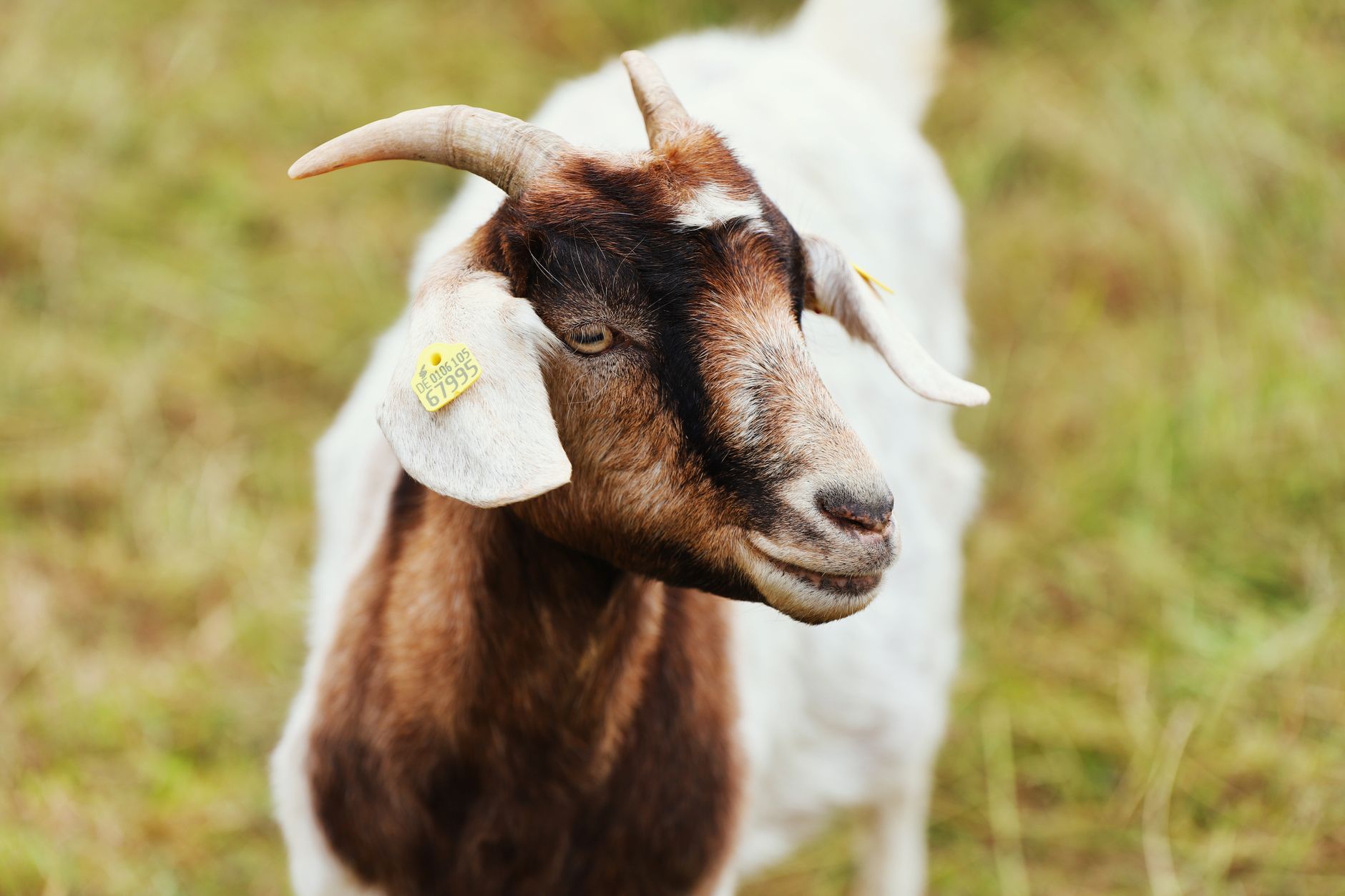
Goats rely on their livers to process nutrients from their diet, especially when grazing on pastures rich in minerals like copper and selenium. Liver problems can disrupt this delicate balance, leading to a range of clinical signs such as reduced appetite, dullness, diarrhea, or even weight loss. These symptoms are not specific to liver disease alone but should prompt further investigation by a veterinarian.
Monitoring ALT levels is particularly important in goats because it helps identify early signs of liver stress before more severe damage occurs. This proactive approach can lead to earlier intervention and better outcomes for the goat’s health. For example, if a goat exhibits clinical signs like reduced milk production or poor coat condition, an elevated ALT could indicate underlying liver issues that need veterinary attention.
Goat owners should be vigilant about monitoring their animals’ health because liver disease can have significant impacts on overall well-being and productivity. Liver dysfunction can lead to impaired nutrient absorption and metabolism, which in turn affects the goat’s growth rate and milk production. In addition, goats with compromised livers may become more susceptible to infections due to weakened immune function.
It is crucial for owners to work closely with their veterinarians when ALT levels are elevated. A comprehensive approach might include dietary adjustments, such as reducing copper intake if the goat has been grazing on pastures high in this mineral, or supplementing with antioxidants that support liver health. Regular follow-up tests can help track progress and adjust treatment plans accordingly.
Early detection of liver issues through ALT monitoring allows for timely intervention, which is vital to maintaining a goat’s quality of life and productivity. By staying informed about their goats’ health status and working collaboratively with veterinary professionals, owners can take proactive steps to manage potential liver problems effectively.
What is ALT (Alanine Aminotransferase)?
ALT, short for alanine aminotransferase, is an enzyme found primarily in liver cells. It plays a crucial role in the metabolism of amino acids within these cells by catalyzing the conversion of alanine to pyruvate and glutamate to alpha-ketoglutarate. This process is essential for maintaining cellular energy balance and protein synthesis. When liver cells are damaged or die, ALT leaks into the bloodstream, leading to elevated levels that can be detected through blood tests.
In goats, increased ALT levels typically indicate hepatocellular injury, which means damage to the liver cells themselves. This could be due to various causes such as infections (e.g., coccidiosis), toxins (e.g., aflatoxin exposure from contaminated feed), or metabolic disorders affecting the liver. It’s important to note that while muscle injury can also raise ALT levels, this is usually accompanied by elevated creatine kinase (CK) and aspartate aminotransferase (AST), enzymes found in muscles.
When interpreting an ALT result, it’s essential to consider other markers of liver function such as AST and GGT. These tests provide a more comprehensive picture of the liver’s health status. For instance, if both ALT and AST are elevated but GGT is within normal limits (24-64 U/L), this pattern may suggest hepatocellular damage without significant bile duct involvement. Conversely, if all three enzymes—ALT, AST, and GGT—are elevated, it could indicate a more severe liver condition involving both hepatocytes and the biliary system.
It is also crucial to correlate ALT levels with clinical signs observed in the goat. For example, jaundice (icterus), lethargy, weight loss, or changes in appetite can all be indicative of underlying liver disease when combined with elevated ALT values. Additionally, a thorough history and physical examination are necessary to identify potential causes such as recent dietary changes, exposure to toxic substances, or signs of infectious diseases.
Laboratory Reference Ranges for Goat ALT Levels
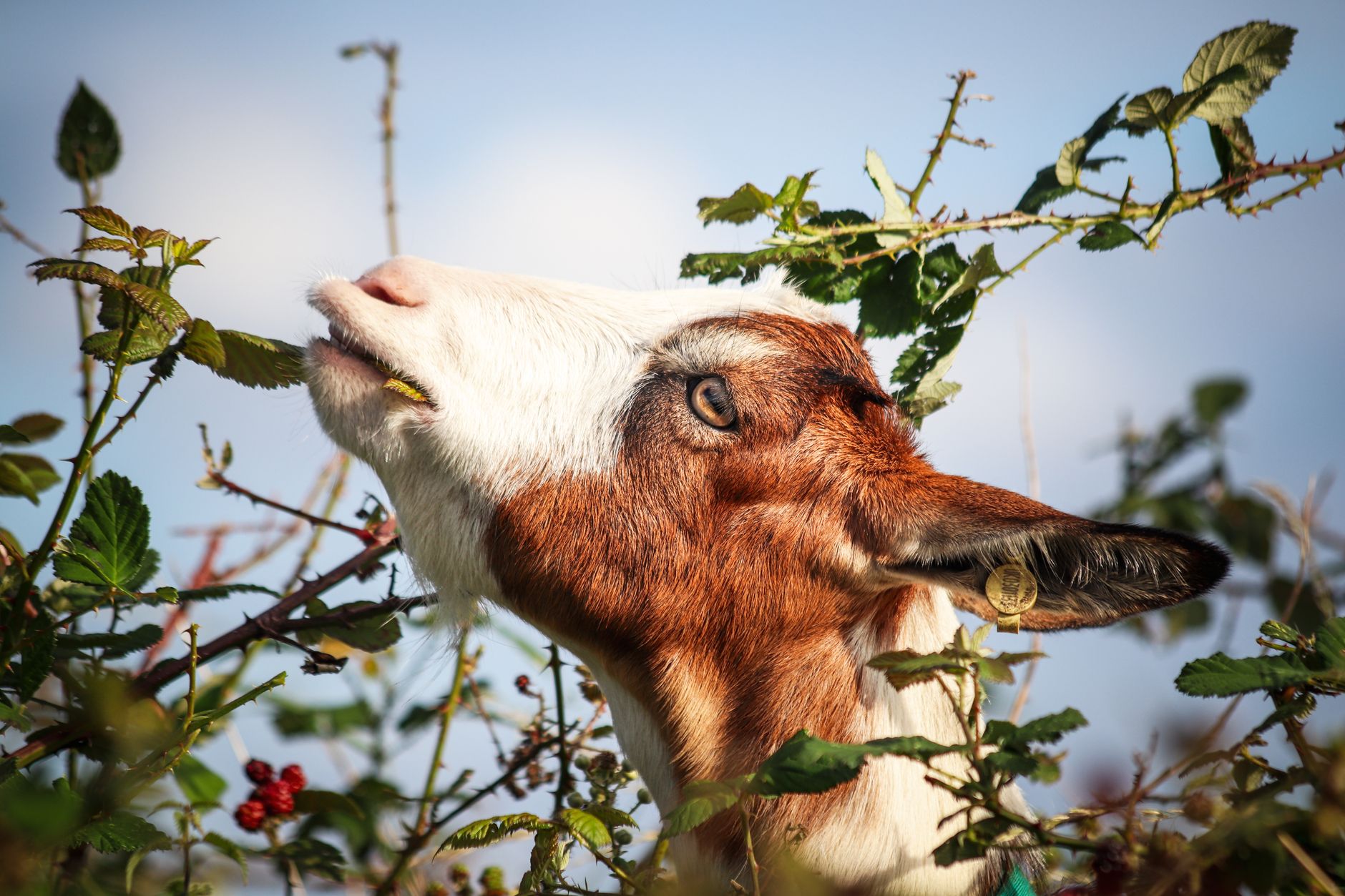
The alanine aminotransferase (ALT) test measures liver cell damage in goats. When interpreting an ALT result, understanding the normal reference range is crucial to determine if there’s any deviation from healthy liver function. The normal reference range for ALT in goats is 6-14 U/L.
When evaluating your goat’s blood work, it’s important to compare their ALT levels against this established range. If the ALT level is above the reference range, it may indicate hepatocellular injury or damage to liver cells. Elevated ALT can be a sign of various conditions affecting liver health, such as viral infections, toxic exposure, or metabolic disorders.
It’s essential to note that an elevated ALT alone does not provide a definitive diagnosis; further diagnostic tests are often necessary to pinpoint the underlying cause. Your veterinarian may recommend additional blood work, imaging studies, or other procedures to gather more information about your goat’s liver health and overall well-being. For example, if the ALT levels remain persistently high over multiple tests, it could suggest chronic liver disease rather than an acute condition.
Moreover, in cases where a goat exhibits clinical signs such as jaundice, lethargy, or weight loss alongside elevated ALT levels, these symptoms should be taken into account when assessing liver function. The veterinarian might also consider the goat’s history of exposure to potential hepatotoxins, dietary factors, and any concurrent illnesses that could impact liver health.
| Parameter | Normal Range |
|---|---|
| ALT | 6-14 U/L |
See the full reference intervals for the goat — every value cited to the laboratory document or paper it came from.
Understanding the context of elevated ALT levels is crucial for proper diagnosis and treatment. For instance, if a goat has been exposed to certain plants or medications known to be hepatotoxic, an elevated ALT level could indicate liver damage due to these exposures. Additionally, metabolic disorders such as fatty liver disease can also lead to increased ALT levels.
It’s important to remember that while the reference range for ALT is 6-14 U/L, individual goats may have slight variations based on their age, breed, and overall health status. Therefore, it’s crucial to consult with a veterinarian who understands your goat’s specific circumstances when interpreting these results.
For more information on liver enzyme elevations in goats after deworming, see our article on “Elevated Liver Enzymes After Deworming in Goats — Drug Toxicity?“. Additionally, if you suspect your goat may be suffering from metabolic disorders affecting liver health, consider reading our piece on “High AST in Goats – Causes, Diagnosis and Vet Treatment“. Lastly, understanding the broader context of liver function tests can help in diagnosing various conditions that might affect your goat’s health, such as “Rising Acute Phase Proteins in Goats — CAE or Johne’s Disease Screening“.
What Causes Elevated ALT in Goats?
Elevated ALT levels in goats can be a sign of liver damage, but it’s important to understand that ALT is not specific to any single condition. When ALT is above the reference range, it indicates injury or leakage from liver cells, which could stem from various causes such as hepatotoxicity, infectious diseases, and metabolic disorders.
Hepatotoxicity can occur due to exposure to certain plants, medications, or environmental toxins that are harmful to liver cells. For example, some plants contain compounds like pyrrolizidine alkaloids (found in ragwort) which can cause direct damage to the liver, leading to elevated ALT levels. Similarly, drugs like dewormers or antibiotics might have hepatotoxic effects in goats if they’re not properly metabolized. Overdosing on these medications or using them improperly can lead to significant liver injury.
Infectious diseases such as caprine arthritis-encephalitis (CAE) virus and Johne’s disease can also lead to increased ALT levels. These conditions cause inflammation and damage to liver cells, resulting in elevated enzyme activity. Additionally, parasitic infections like coccidiosis or liver fluke infestations can trigger an inflammatory response that damages the liver. For instance, liver flukes (Fasciola hepatica) are known to cause significant liver injury leading to elevated ALT levels.
Metabolic disorders such as copper deficiency or hypocalcemia (milk fever) may also contribute to elevated ALT levels. Copper is essential for proper liver function and enzyme activity, so a lack of copper can impair these processes. Similarly, hypocalcemia can cause stress on the body that affects multiple organ systems, including the liver. In goats suffering from milk fever, the sudden drop in blood calcium levels can lead to metabolic disturbances affecting liver enzymes.
| Cause | Mechanism | Typical Signs |
|---|---|---|
| Hepatotoxicity | Direct damage to liver cells from toxins or drugs. | Off feed, dullness, diarrhea, weight loss. |
| Infectious Diseases | Viral or parasitic infection causing liver inflammation and damage. | Reduced rumination, bloat, weakness, recumbency. |
| Metabolic Disorders | Impaired liver function due to mineral deficiencies or metabolic stress. | Pale membranes, reduced milk production, bottle jaw. |
How Does Elevated Goat ALT Compare with Other Liver Markers?

In goats, ALT is not a reliable liver-specific marker; hepatocellular injury is better assessed with GLDH, SDH, AST, and GGT. However, to get the full picture of what’s happening inside your goat’s liver, it’s important to look at other markers like AST and ALP alongside ALT. These enzymes provide complementary information about different aspects of liver health. For instance, in goats and other ruminants ALT is not liver-specific, so liver-specific enzymes such as GLDH and SDH are preferred; AST is also nonspecific and can indicate muscle damage in addition to hepatocellular issues.
AST is another enzyme that can indicate muscle injury as well as hepatocellular damage. When AST levels are elevated along with ALT, it suggests a more severe form of liver cell damage or leakage. However, if AST is normal while ALT is high, the issue might be primarily related to liver cells rather than muscles. This distinction is crucial for guiding further diagnostic steps and treatment plans.
ALP, on the other hand, points towards cholestasis – a condition where bile flow from the liver is impaired. ALP levels can rise due to various causes such as biliary obstruction or certain medications. In goats, an elevated ALP often indicates issues with bile flow and should be interpreted alongside ALT to understand if there’s both hepatocellular damage and cholestasis. For example, a goat presenting with jaundice and high ALP might have a condition like hepatic lipidosis where bile ducts are affected.
GGT is another marker that can provide additional insights into liver disease in goats. GGT levels often rise when there’s an obstruction of the bile duct or inflammation within the liver, making it particularly useful for diagnosing conditions such as cholangiohepatitis. Elevated GGT alongside high ALT and ALP suggests a more complex liver pathology involving both hepatocellular damage and biliary issues.
| Marker | What it Adds | When Preferred |
|---|---|---|
| ALT | Indicates hepatocellular injury and leakage from liver cells. | When assessing direct damage to liver cells. |
| AST | Reflects hepatocellular injury and muscle damage; must be read alongside CK for muscle-specific issues. | When suspecting both liver cell damage and potential muscle involvement. |
| ALP | Indicates cholestasis or impaired bile flow; not specific to hepatocellular leakage. | When suspecting issues with bile flow and biliary obstruction. |
| GGT | Reflects hepatobiliary disease, particularly cholestasis or inflammation; not specific to muscle damage. | When suspecting biliary obstruction or hepatic inflammation. |
How Should Elevated Goat ALT Levels Be Interpreted?
Elevated ALT levels in goats indicate hepatocellular injury, which means there is damage or leakage from liver cells. This can be due to a variety of causes such as liver disease, toxin exposure, or severe muscle injury. However, since severe muscle injury typically also elevates CK and AST, an isolated rise in ALT should primarily raise concerns about liver health.
When interpreting elevated ALT levels, it’s important to consider the context of other clinical signs and laboratory findings. For instance, if a goat is showing off feed behavior or reduced rumination along with elevated ALT, these symptoms may point towards liver disease rather than muscle injury. Additionally, if there are concurrent increases in other liver enzymes like ALP (alkaline phosphatase) or GGT (gamma-glutamyl transferase), this further supports a diagnosis of hepatocellular damage.
It’s crucial to evaluate ALT levels alongside other markers such as total bilirubin, which can indicate the presence of jaundice and liver dysfunction. If total bilirubin is also elevated, it suggests that there may be significant liver cell death or bile duct obstruction contributing to the observed ALT elevation.
| Finding | What it may suggest | Suggested next step |
|---|---|---|
| Above the reference range for ALT | Hepatocellular injury or leakage from liver cells | Further diagnostic tests such as imaging, bile acids measurement, and viral screening to determine the cause of liver damage. |
| Concurrent elevation in ALP or GGT | Supports a diagnosis of hepatocellular damage or bile duct obstruction | Consider liver biopsy if other tests are inconclusive. |
| Elevated total bilirubin alongside ALT elevation | Indicates significant liver cell death or bile duct obstruction | Evaluate for potential causes such as viral hepatitis, toxicosis, or metabolic disorders. |
| Isolated elevation in ALT without other liver enzyme changes | May suggest muscle injury but less likely if no concurrent CK or AST elevations are present. | Monitor for additional signs of liver disease and repeat bloodwork in a few days to assess changes. |
In summary, an elevated ALT level should prompt further investigation into the underlying cause. The veterinarian will likely recommend additional tests such as imaging studies or viral screening to pinpoint the exact reason behind the liver cell damage. It’s important for owners to be vigilant about any clinical signs that might indicate worsening liver function and to follow up with their vet promptly.
For instance, if a goat is showing off feed behavior, reduced rumination, dullness, diarrhea, or weight loss alongside elevated ALT levels, these symptoms should not be ignored. They may suggest the presence of liver disease or other systemic issues that require immediate attention from a veterinarian.
The next steps after identifying an elevation in ALT typically involve ruling out specific causes through targeted diagnostics and monitoring changes over time. This approach helps ensure timely intervention to manage any underlying conditions effectively, thereby improving outcomes for affected goats.
Are There Breed or Age Differences in Goat ALT Levels?

When evaluating ALT levels in goats, it’s important to understand that there are minimal breed-specific differences. Goats generally show little variation in their liver enzyme levels based on breed alone. Diet, mineral status, and parasitic load play a more significant role than genetic predisposition when it comes to routine blood chemistry parameters like ALT. For example, while certain breeds may be more prone to specific nutritional deficiencies or parasitic infections due to environmental factors, these influences are typically overshadowed by the broader impact of diet and management practices.
Age-related changes in ALT levels can occur due to physiological stressors or health conditions that are common at different life stages. For instance, young goats may experience elevated ALT during periods of rapid growth and development, which can put additional strain on the liver. This is often seen when they transition from milk-based diets to solid feed, leading to potential nutritional imbalances. Conversely, older goats might show increased ALT if they have chronic diseases such as parasitism or metabolic disorders that accumulate over time.
It’s crucial to consider these factors alongside any observed clinical signs in your goat. If you notice changes like reduced appetite, dullness, or weight loss, it’s important to consult with a veterinarian who can provide a thorough examination and appropriate testing. They will be able to interpret the ALT levels within the context of your goat’s overall health status and recommend necessary interventions. For example, if an older goat shows persistent elevated ALT alongside signs of lethargy and poor appetite, further diagnostic tests such as liver function panels or imaging studies might be warranted.
Understanding these nuances is essential for accurate diagnosis and effective management of liver-related issues in goats. Regular monitoring and timely intervention can help mitigate the risk of severe liver disease and improve overall animal welfare.
What is the Treatment Approach for Elevated Goat ALT?
Elevated alanine aminotransferase (ALT) in goats indicates liver cell damage or leakage. This enzyme plays a crucial role in amino acid metabolism within liver cells, and its elevation suggests that these cells are under stress or have been injured. The treatment approach for elevated ALT is multifaceted and depends on the underlying cause of liver injury.
Common causes include parasitic infections like coccidiosis or fluke infestations, bacterial or viral hepatitis, toxic plant ingestion, copper toxicity, and drug-induced hepatotoxicity. In goats, it’s important to identify these causes early through a thorough clinical examination and additional diagnostic tests such as fecal analysis for parasites, blood cultures, and liver enzyme profiles including AST and GGT.
Once the cause is identified, treatment may involve supportive care like fluid therapy, electrolyte supplementation, and dietary management. For parasitic infections, antiparasitics are prescribed; in cases of bacterial infection, antibiotics tailored to the specific pathogen are used. If copper toxicity is suspected, chelating agents or other detoxification measures might be necessary. In all cases, monitoring ALT levels alongside other liver enzymes helps assess treatment efficacy and guide further management decisions.
Supportive care for goats with elevated ALT often includes dietary modifications aimed at reducing the workload on the liver. This can involve feeding a low-protein diet rich in easily digestible carbohydrates to minimize hepatic stress. Additionally, providing antioxidants such as vitamin E or selenium may help mitigate oxidative damage and support liver function.
For parasitic infections like coccidiosis, treatment typically involves administering antiparasitics such as toltrazuril or diclazuril. These medications are effective in controlling the proliferation of coccidia within the liver cells, thereby reducing inflammation and ALT levels over time. Regular fecal examinations should be conducted to monitor for recurrence.
In cases of bacterial hepatitis, broad-spectrum antibiotics may initially be used while awaiting culture results to identify the specific pathogen causing the infection. Once identified, targeted antibiotic therapy can be initiated to effectively treat the underlying cause and prevent further liver damage.
| Cause | Mechanism | Typical Signs |
|---|---|---|
| Parasitic Infection (Coccidiosis) | Liver cell damage due to coccidia proliferation | Diarrhea, weight loss, dullness |
| Toxic Plant Ingestion | Direct hepatocyte damage from plant toxins | Off feed, bloat, weakness |
| Copper Toxicity | Oxidative stress and liver cell death from excess copper | Pale membranes, bottle jaw, reduced milk production |
| Drug-Induced Hepatotoxicity | Liver cell damage from medication side effects | Reduced rumination, recumbency, weight loss |
| Bacterial Hepatitis | Inflammation and necrosis of liver tissue from bacterial infection | Fever, lethargy, reduced milk production |
| Viral Hepatitis | Liver cell damage from viral replication and immune response | Off feed, dullness, reduced milk production |
| Fluke Infestation (Liver Flukes) | Mechanical damage and inflammation from fluke migration and feeding | Diarrhea, weight loss, dullness |
Summary of Key Points About Elevated Goat ALT Levels

Elevated ALT levels in goats are a significant indicator of liver cell damage. When ALT is above the reference range, it suggests that there’s an issue affecting your goat’s liver health. This could be due to various causes such as parasitic infections (e.g., coccidiosis or fasciolosis), dietary deficiencies like copper deficiency, or other conditions that lead to hepatocellular injury. For instance, chronic exposure to certain toxins can also cause elevated ALT levels.
It’s important to note that while elevated ALT levels point towards liver issues, they do not specify the exact cause of the problem. Therefore, further diagnostic steps are necessary to pinpoint the underlying issue. Your veterinarian will likely recommend additional tests such as a complete blood count (CBC), bile acids measurement, and possibly imaging studies like an ultrasound to get a clearer picture. These tests can help differentiate between acute liver injury and chronic liver disease.
Alarm signs that warrant immediate veterinary attention include off feed behavior, reduced rumination, dullness, diarrhea, bloat, weakness, recumbency, weight loss, bottle jaw, or pale membranes. These symptoms can indicate severe liver dysfunction or other critical health issues in your goat. Early intervention is crucial for managing and treating these conditions effectively. For example, if a goat exhibits persistent lethargy along with jaundice, it may be indicative of advanced liver disease requiring urgent care.
Managing goats with elevated ALT levels often involves addressing the underlying cause through dietary modifications, deworming treatments, or other therapeutic interventions as recommended by your veterinarian. Regular monitoring of blood work and clinical signs is essential to track progress and adjust treatment plans accordingly.
Frequently Asked Questions
What does elevated ALT mean in goats?
Elevated ALT levels indicate liver cell damage or leakage, suggesting potential hepatocellular injury in your goat. This could be due to various causes such as toxins, infections, or metabolic issues.
How serious is high ALT in goats?
High ALT levels should prompt further investigation but may vary widely in severity depending on other test results and clinical symptoms. It’s important to consult with a vet to understand the full picture and determine next steps.
Can muscle injuries affect ALT readings in goats?
Severe muscle injury might slightly elevate ALT levels, but typically alongside increases in creatine kinase (CK) and AST. Therefore, interpreting ALT solely involves considering liver health unless both CK and AST are also raised.
Are there specific conditions linked to low ALT in goats?
Low ALT levels generally have no significant clinical meaning and usually don’t require special attention. They simply suggest that liver cell integrity remains intact without notable damage.
Why would my goat’s ALT level suddenly increase?
An abrupt rise in ALT could signal acute liver stress or injury caused by factors like poisoning, infection, or sudden changes in diet or environment. Identifying these triggers requires veterinary assessment.
Does breed matter when looking at ALT levels in goats?
Goats show minimal variation based on breed; dietary habits, parasite load, and reproductive status play more critical roles in influencing blood parameters including ALT levels.
Should I worry about ALT spikes during kidding season?
During kidding, hormonal shifts and physical strain can impact liver function tests like ALT. Monitoring alongside other indicators and consulting your veterinarian will help assess significance.
Which other liver enzymes should I check along with ALT for a comprehensive view?
Checking GGT and ALP alongside ALT provides a broader perspective on liver health since each enzyme reflects different aspects of hepatic activity and structural integrity.
Is an ALT test enough to diagnose liver disease in goats?
While ALT helps identify possible liver issues, it alone isn’t conclusive. Additional testing such as bile acids, ultrasound imaging, and thorough clinical examination are necessary for accurate diagnosis.
What follow-up actions are recommended if my goat has elevated ALT?
Follow-up includes repeat blood work after addressing any identified risk factors, monitoring clinical signs closely, and possibly conducting additional diagnostic procedures as advised by your vet.
How often should I recheck ALT levels once they’re high?
Rechecking ALT every 2-4 weeks initially allows you to monitor response to treatment and overall trend improvement until stable values are achieved.
Can nutritional deficiencies cause abnormal ALT readings?
Nutritional imbalances, particularly copper deficiency seen in some regions, may affect liver functions leading to altered ALT levels. Ensuring balanced nutrition is crucial for maintaining healthy liver markers.
Do parasites influence ALT results in goats?
Parasitic infections can lead to systemic inflammation affecting multiple organs, potentially causing elevations in liver enzymes like ALT. Effective deworming strategies support better liver health.
Are there specific environmental toxins that raise ALT in goats?
Toxins from moldy feed, certain plants, or industrial pollutants might elevate ALT levels due to direct hepatotoxic effects. Identifying and eliminating exposure sources is vital for recovery.
When should I consider emergency care for a goat with high ALT?
Emergency care becomes urgent when your goat shows severe symptoms like jaundice, extreme lethargy, or sudden collapse, indicating critical liver dysfunction requiring immediate veterinary intervention.
Sources & Further Reading
This article draws on the following authoritative veterinary references. For your pet’s individual case, consult a licensed veterinarian.
- Merck Veterinary Manual — comprehensive clinical reference for veterinary practice
- ACVIM Consensus Statements — American College of Veterinary Internal Medicine