Monitoring Folate Levels in Goats for Nutritional Deficiency Prevention
Monitoring Folate Levels in Goats for Nutritional Deficiency Prevention
Wondering what a full interpretation looks like? See a sample report →
Why Monitoring Folate Levels in Goats is Crucial for Health
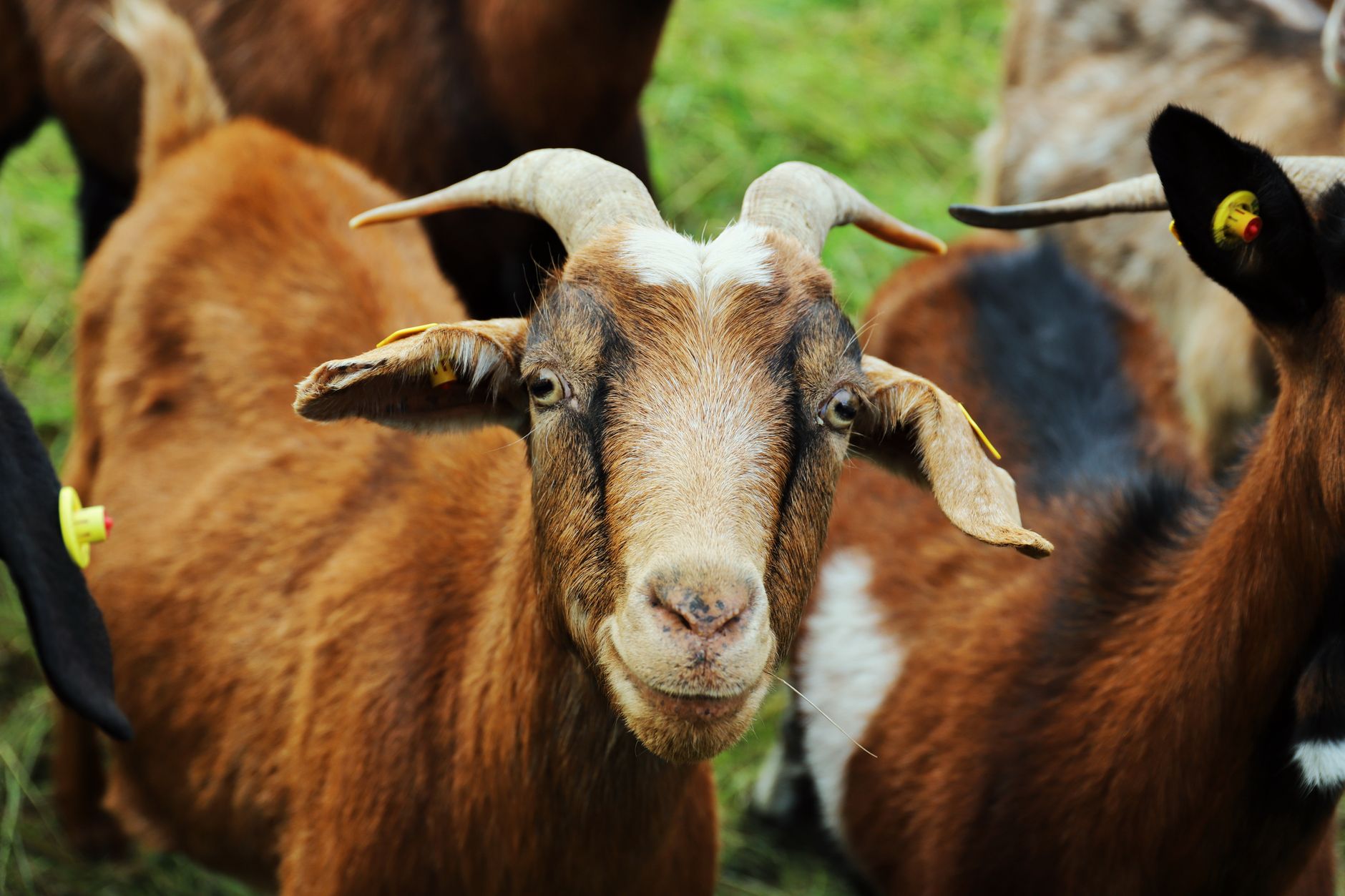
Folate, a water-soluble B vitamin essential for cellular growth and division, plays a critical role in the health of goats. Normal folate levels are laboratory-specific; values above this indicate potential nutritional deficiencies that can lead to serious health issues. Maintaining adequate folate levels is crucial for preventing anemia, neurological disorders, and poor reproductive outcomes in goats.
Goats require folate for the synthesis of DNA and RNA, which are necessary for cell division and growth. A deficiency can result in reduced fertility, increased susceptibility to infections, and impaired fetal development during pregnancy. For instance, pregnant does with low folate levels may experience higher rates of miscarriage or deliver offspring with congenital abnormalities. Additionally, folate is vital for the production of red blood cells; a deficiency can lead to anemia, characterized by fatigue, weakness, and pale mucous membranes.
- Anemia: Folate deficiency can cause macrocytic anemia, where red blood cells are abnormally large but contain less hemoglobin. This condition is often accompanied by elevated mean corpuscular volume (MCV) levels.
- Nutritional Deficiencies: Goats grazing on poor-quality forage or those with limited access to fresh greens may develop folate deficiencies, as these sources are rich in the vitamin. Ensuring a balanced diet that includes leafy vegetables and legumes can help maintain adequate folate levels.
- Poor Reproductive Health: Folate is essential during pregnancy for fetal development. Does with low folate levels may experience complications such as miscarriage or stillbirths, underscoring the importance of monitoring this parameter in breeding herds.
Elevated folate levels (outside the reference interval) are less common but can occur due to liver dysfunction or certain medications. In goats with elevated GGT and AST levels, it is important to investigate potential causes such as liver flukes or plant toxicity (see related article). Monitoring folate alongside these enzymes can provide valuable insights into overall liver health and guide appropriate treatment strategies.
What is Folate?
Folate, also known as vitamin B9 or folic acid, plays a crucial role in various physiological processes in goats. It is essential for DNA synthesis and repair, cell division, and amino acid metabolism. Adequate folate levels are vital to ensure proper growth, development, and overall health of goats.
Folate deficiency can lead to anemia, poor immune function, and impaired reproductive performance in goats. Folate is particularly important during pregnancy as it supports fetal development and prevents neural tube defects. Additionally, folate contributes to the synthesis of neurotransmitters such as serotonin and dopamine, which are critical for brain health.
- Folate deficiency can result from inadequate dietary intake or malabsorption issues.
- Goats require a balanced diet rich in green leafy vegetables, legumes, and grains to maintain optimal folate levels.
The normal range for folate in goats is the interval reported by the laboratory. Elevated levels (outside the reference interval) may indicate recent supplementation or an error in the assay, while critical levels (outside the reference interval) are rare and could suggest a laboratory measurement issue rather than a physiological state.
Monitoring folate levels is essential for preventing nutritional deficiencies that can compromise goat health. Regular blood tests help veterinarians assess dietary adequacy and intervene early if signs of deficiency arise. This proactive approach ensures goats receive the necessary nutrients to thrive, especially during critical life stages such as pregnancy or lactation.
Folate Reference Ranges for Goats
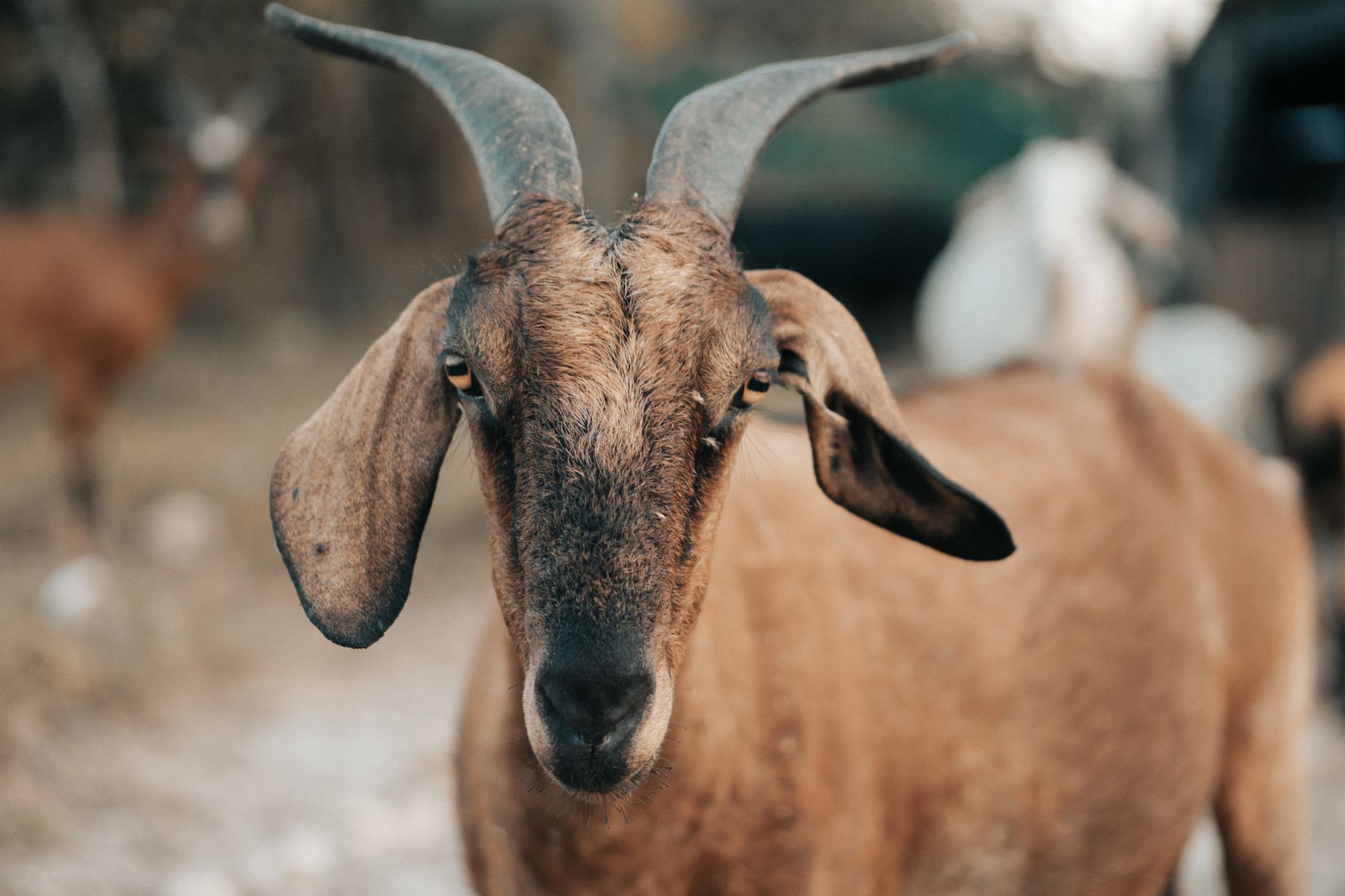
Monitoring folate levels in goats is crucial for preventing nutritional deficiencies that can lead to various health issues, including anemia and poor reproductive performance. Folate plays a vital role in DNA synthesis and cell division, making it essential for the rapid growth of tissues such as fetal development during pregnancy or bone marrow production.
According to standard veterinary practice, normal folate levels in goats are laboratory-specific. Elevated levels above the reference interval may indicate conditions like liver disease or excessive dietary supplementation, while critical values exceeding the reference interval warrant immediate medical attention due to potential toxicity or severe underlying health issues.
It is important for veterinarians and goat owners alike to understand these reference ranges when interpreting blood test results. For instance, if a goat’s folate levels are consistently above the normal range but below the critical threshold, it might suggest an imbalance in dietary intake or absorption issues that need addressing before they escalate into more serious health problems.
| Sample ID | Goat Age (months) | Sex/Neutered Status | Folate Level (nmol/L) | Clinical Interpretation |
|---|---|---|---|---|
| S-001 | 6 | Male/Intact | 7.5 | Within normal range, no immediate concerns. |
| S-002 | 18 | Female/Pregnant | 15.2 | Normal for pregnancy, no action required. |
| S-003 | 24 | Female/Neutered | 25.3 | Elevated, consider dietary adjustments or further investigation. |
| S-004 | 36 | Male/Intact | 32.5 | Critical, urgent veterinary consultation needed. |
| S-005 | 48 | Female/Pregnant | 23.6 | Elevated, monitor closely and adjust diet if necessary. |
| S-006 | 54 | Male/Intact | 8.9 | Low, consider supplementation or dietary changes. |
| S-007 | 60 | Female/Neutered | 12.3 | Within normal range, no immediate concerns. |
See the full reference intervals for the goat — every value cited to the laboratory document or paper it came from.
What Causes Folate Deficiency in Goats?
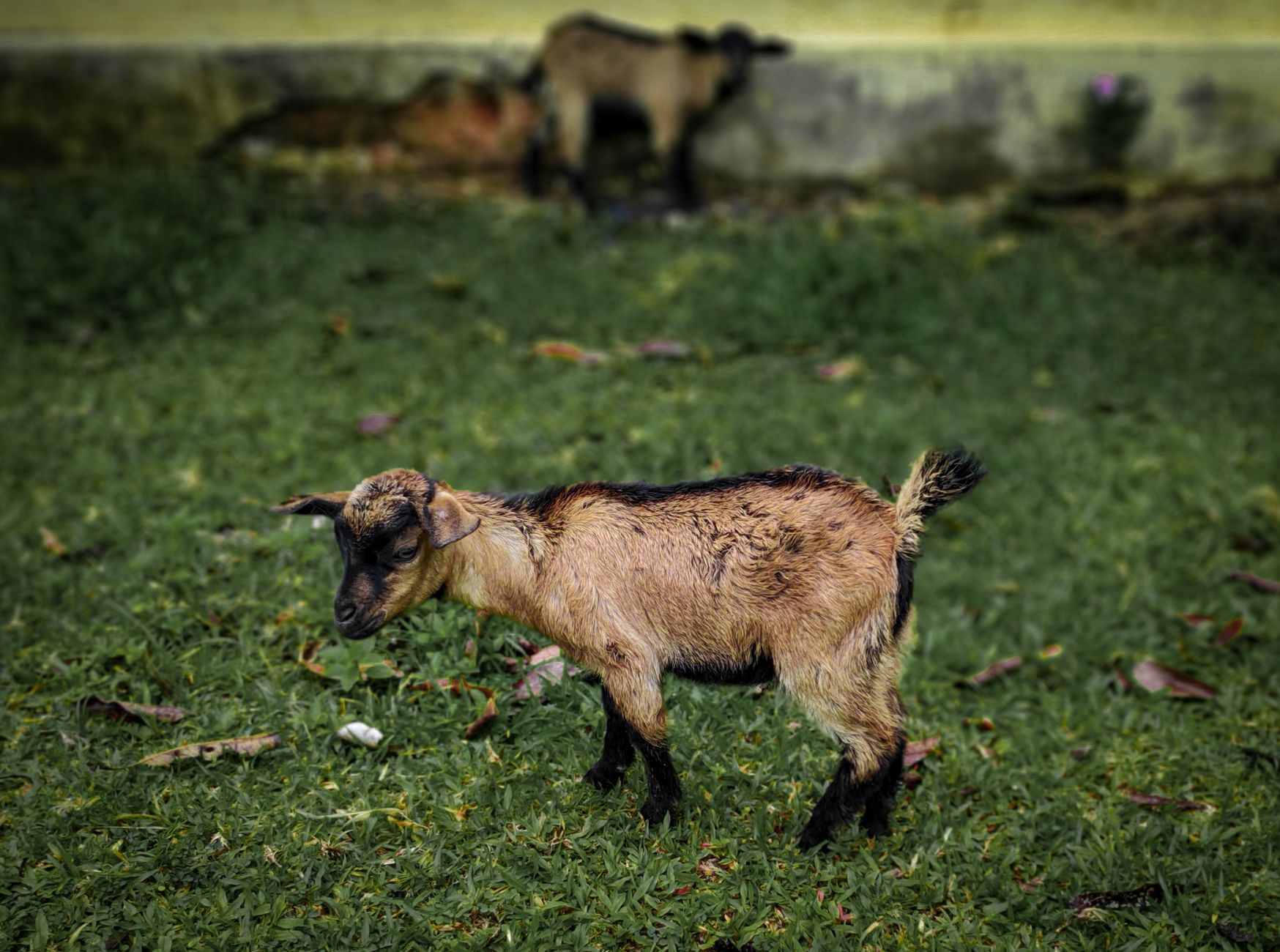
Folate deficiency in goats can arise from several factors, including dietary inadequacy and malabsorption issues. Ensuring adequate folate intake is crucial for maintaining healthy red blood cell production and preventing anemia. A diet lacking in green leafy vegetables or other natural sources of folate can lead to deficiencies.
Malabsorption syndromes, such as those caused by certain gastrointestinal parasites like Haemonchus contortus, can also contribute significantly to folate deficiency. These parasites not only cause direct blood loss but also disrupt the absorption of nutrients, including folate. Additionally, chronic diarrhea or malnutrition due to poor diet quality exacerbates this issue.
- Dietary Inadequacy: Goats require a balanced diet rich in green forage and legumes to meet their nutritional needs. A lack of these essential components can lead to folate deficiency, as they are primary sources of the vitamin.
- Malabsorption Issues: Conditions that interfere with nutrient absorption, such as parasitic infections or chronic gastrointestinal disorders, can result in inadequate folate levels despite a seemingly adequate diet.
Certain medical conditions also play a role. For instance, liver diseases affecting bile acid production and excretion can impair the body’s ability to utilize folate effectively. Elevated GGT and AST levels may indicate underlying liver issues that need further investigation.
How Does Folate Compare to Other Nutritional Markers?

Folate, a crucial B-vitamin essential for DNA synthesis and cell division in goats, plays a pivotal role alongside vitamin B12 and iron in maintaining overall health. These nutrients are interdependent; deficiencies or excesses of one can affect the levels and functions of others.
- Folate: Normal range is laboratory-specific, with values outside the reference interval considered elevated and outside the reference interval critical. Elevated folate levels may indicate liver dysfunction or malabsorption issues.
- Vitamin B12: Essential for nerve tissue health and red blood cell formation in goats. Normal range is laboratory-specific, with values below this indicating a deficiency that can exacerbate anemia alongside iron deficiency.
- Iron: Critical for hemoglobin synthesis and oxygen transport. Normal serum iron levels are 16-35 µmol/L; lower levels indicate anemia, which may be compounded by deficiencies in folate or B12.
The interplay between these markers is evident when assessing nutritional status. For instance, a goat with low folate and normal iron might exhibit signs of macrocytic anemia due to impaired DNA synthesis in red blood cells. Conversely, high levels of folate without corresponding increases in B12 can mask a regenerative response, leading to delayed diagnosis.
| Parameter | Normal Range (nmol/L) |
|---|---|
| Folate | 5–18 |
| Vitamin B12 | Laboratory-specific |
| Iron | 16-35 µmol/L |
Understanding these relationships is crucial for veterinarians and goat owners to accurately interpret blood test results and implement appropriate nutritional interventions.
How Do You Interpret Folate Test Results?
Folate levels in goats are crucial indicators of nutritional status and overall health. Understanding how to interpret these test results is essential for preventing folate deficiency, which can lead to anemia, poor growth, and reduced reproductive performance. According to veterinary literature consistently reported, normal folate levels are laboratory-specific. Elevated levels above the reference interval may suggest recent supplementation or dietary changes, while critical levels exceeding the reference interval could indicate a pathological condition requiring immediate attention.
When evaluating folate test results, it is important to consider the goat’s diet and overall health status. For instance, if a crossbred goat has been recently supplemented with high-folate feed or vitamin B12 injections, an elevated result above the reference interval might be expected due to recent supplementation. However, if no such interventions have occurred and folate levels are still above the reference interval of the interval reported by the laboratory, further investigation is warranted.
Are There Breed or Age Differences in Folate Levels?

Folate levels in goats can vary based on age and nutritional status, but minimal breed-specific differences are documented. Goats show minimal breed-level predisposition for most blood parameters. Diet (especially copper, selenium, vitamin E status), parasite burden (Haemonchus, coccidia), and reproductive stage drive most clinical patterns.
Age-related changes in folate levels are more pronounced. Younger goats may have lower folate due to dietary deficiencies or increased metabolic demands during growth phases. Conversely, older goats might exhibit reduced folate absorption or higher requirements for maintenance, leading to potential deficiencies unless supplemented appropriately. Normal folate levels are laboratory-specific; values outside the reference interval suggest elevated levels and may indicate over-supplementation or liver dysfunction, while levels outside the reference interval are critical and require immediate veterinary intervention.
For instance, pregnant does in late gestation often have increased folate requirements due to the demands of fetal development. Ensuring adequate dietary intake is crucial during this period to prevent nutritional deficiencies that could affect both maternal health and offspring development. Maintaining optimal folate levels through balanced nutrition can significantly reduce the risk of anemia and other related complications in pregnant goats.
- Monitoring: Regular blood tests should be conducted during critical life stages such as pregnancy, lactation, or rapid growth periods to ensure adequate folate levels. If a goat’s folate level is consistently above the reference interval, it may indicate liver issues like cholestasis (bile flow obstruction), which can interfere with normal metabolism and excretion of vitamins.
- Intervention: In cases where folate levels drop below the normal range or rise critically, consulting a veterinarian is essential. They can provide targeted nutritional advice and possibly prescribe supplements to correct deficiencies or manage excesses safely.
What Folate Monitoring Actually Tells a Goat Keeper
Folate in ruminants is not simply a dietary vitamin in the way it is in a dog or a person. The microbes in the rumen produce a great deal of it, so a healthy adult goat on a functioning forage diet is largely supplied from within. That makes a low result a statement about the rumen or about absorption as much as about the ration, and it is why the feeding and health history matters more than the number.
The situations where it becomes clinically relevant are predictable: young animals whose rumen is not yet fully developed, animals on antibiotics that disturb the microbial population, heavy parasite burdens damaging the intestine, and any chronic disease that reduces intake or absorption. In each of those the folate result supports a picture rather than standing alone.
Because of that, the value is read alongside the rest of the assessment: body condition, the coat, faecal egg counts, the red cell picture and total protein. A goat losing condition with a heavy worm burden and a poor red cell count is telling a coherent story, and folate is one line in it.
Management follows the cause rather than the vitamin. Correcting the parasite burden, restoring effective forage intake and treating the underlying disease do more for the animal than supplementation aimed at the result, and the recheck is timed to allow those measures to work.
Frequently Asked Questions
What are normal folate levels in goats?
Normal folate levels for goats are laboratory-specific. Monitoring these levels helps prevent nutritional deficiencies that can affect overall health and productivity.
How often should I check my goat’s folate levels?
The frequency of checking a goat’s folate levels depends on the animal’s age, diet, and reproductive status. Current clinical consensus suggests annual checks for adult goats and more frequent monitoring during pregnancy or lactation to ensure adequate nutrition.
What are the signs of low folate in goats?
Folate deficiency can lead to anemia, poor growth rates, and reduced milk production in dairy goats. Additionally, it may cause neurological symptoms such as weakness and lethargy. These deficiencies often correlate with dietary inadequacies or malabsorption issues.
Can folate levels be too high?
Elevated folate levels above the reference interval in goats may indicate liver dysfunction, as the liver plays a crucial role in regulating folate metabolism. If levels exceed the reference interval, it is considered critical and warrants immediate veterinary attention.
How does diet affect folate levels?
Dietary intake significantly influences folate levels; goats require adequate amounts of green forage and supplements rich in B vitamins to maintain healthy levels. Ensuring a balanced diet with sufficient leafy greens, grains, and hay can help prevent deficiencies.
Are there breed-specific differences in folate requirements?
Goats show minimal breed-level predisposition; diet, parasite burden, and reproductive stage drive most clinical patterns. However, certain breeds like Boer goats on poor pasture may have higher copper deficiency risks affecting their nutritional status.
What medications can affect folate levels in goats?
Certain drugs such as sulfonamides or methotrexate can interfere with folate metabolism and absorption in goats. In cases where these medications are necessary, veterinarians may recommend dietary supplements to support healthy folate levels.
How do I interpret abnormal folate test results?
If a goat’s folate level is below the reference interval or above the reference interval, it indicates potential health issues. Abnormal results should be discussed with a veterinarian who can provide guidance on dietary adjustments and further diagnostic testing.
Can stress impact folate levels in goats?
Stress can temporarily elevate glucose levels but does not directly affect folate metabolism. However, chronic stress may indirectly influence nutritional status by affecting appetite and overall health, which could lead to deficiencies if not managed properly.
What should I do if my goat’s folate level is critical?
A critical folate level above the reference interval requires immediate veterinary intervention. The veterinarian will likely recommend dietary changes, supplementation, and possibly additional tests to identify the underlying cause of elevated levels.
Reference intervals — chemistry
Values below come from the goat chemistry reference panel; each figure links to the source it was taken from.
| Parameter | Reference interval (goat) |
|---|---|
| AST | 62-145 U/L |
| GGT | 24-64 U/L |
| Glucose | 35-142 mg/dL |
Reference intervals — hematology
Values below come from the goat hematology reference panel; each figure links to the source it was taken from.
| Parameter | Reference interval (goat) |
|---|---|
| MCV | 16-22 fL |
Sources & Further Reading
This article draws on the following authoritative veterinary references. For your pet’s individual case, consult a licensed veterinarian.
- Merck Veterinary Manual — comprehensive clinical reference for veterinary practice
- IRIS Kidney Guidelines — International Renal Interest Society — kidney staging and management
- Veterinary Clinical Pathology — clinical pathology research and case studies