High Calcium in Goats – Urinary Calculi Blood Markers
Wondering what a full interpretation looks like? See a sample report →
Why Should Goat Owners Care About High Calcium Levels?
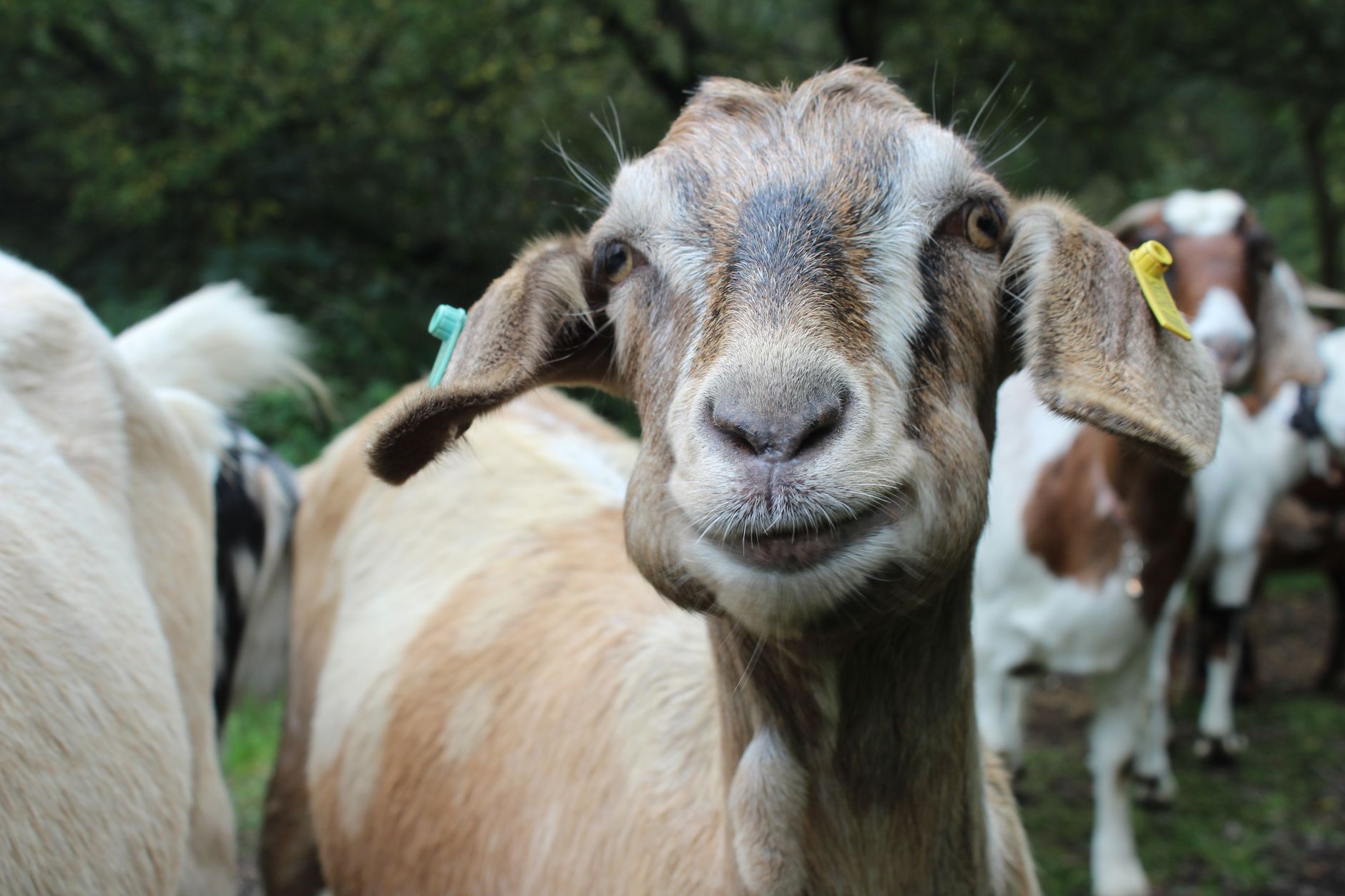
One of the key concerns with high calcium levels is the potential for developing urinary calculi, which are mineral stones that can form in the urinary system. This condition is especially prevalent in male goats due to anatomical differences that make it harder for them to pass these stones once they form. Urinary calculi can cause severe pain and blockages, leading to reduced appetite, dullness, and even recumbency if left untreated. In clinical settings, veterinarians often observe a sudden onset of distress behavior in male goats when urinary calculi are present.
Monitoring calcium levels alongside other markers like phosphorus is crucial because an imbalance between these minerals can exacerbate the risk of urinary stone formation. When a goat’s blood work shows elevated calcium, it’s important for owners to understand that this could be indicative of broader health issues affecting multiple organ systems. For example, if both calcium and phosphorus levels are consistently high or low relative to each other, it may suggest an underlying metabolic disorder. Consulting with a veterinarian promptly allows for early intervention and management strategies tailored to the specific needs of your goat.
It is also essential for goat owners to be aware that certain breeds might have predispositions towards higher calcium levels due to genetic factors or dietary preferences. Regular veterinary check-ups, including blood tests, can help identify these issues before they become severe health concerns. Early detection and management are critical in preventing complications such as kidney damage or urinary tract obstruction.
What Is Calcium and Why Does It Matter for Goats?
Calcium is a vital mineral that plays critical roles in goat physiology. It is essential for bone formation, muscle function, and blood clotting. In goats, calcium levels must be carefully regulated to maintain these functions and overall health. This regulation involves complex interactions with other minerals such as phosphorus and magnesium, as well as hormones like parathyroid hormone (PTH) and calcitonin.
When it comes to bone formation, calcium works alongside phosphorus to build strong bones and teeth. For muscle function, calcium helps trigger the contractions that allow muscles to move. Additionally, calcium is crucial for blood clotting, ensuring that wounds heal properly without excessive bleeding. Any imbalance in calcium levels can disrupt these essential processes.
Understanding how calcium functions within a goat’s body is key to interpreting its significance when it appears outside of normal ranges on laboratory tests. Elevated or decreased calcium levels may indicate underlying health issues such as primary hyperparathyroidism, malignancy, vitamin D toxicosis, hypoadrenocorticism, hypoalbuminemia, eclampsia, acute kidney injury, and pancreatitis.
For example, in cases of urinary calculi, high dietary calcium can contribute to the formation of bladder or kidney stones. This condition is particularly problematic for male goats due to their longer and narrower urethra, which makes it more difficult for them to pass large stone formations. Monitoring blood markers such as serum calcium (8.3-10.3 mg/dL) and phosphorus levels can help veterinarians diagnose and manage urinary calculi in affected animals.
Moreover, calcium plays a role in the regulation of acid-base balance within the body. Imbalances in this system can lead to metabolic disturbances that affect multiple organ systems, including the kidneys and heart. Therefore, maintaining proper calcium homeostasis is crucial not only for bone health but also for overall systemic stability.
In summary, calcium is a critical component of goat health, influencing numerous physiological processes. Proper monitoring and management of calcium levels are essential to prevent conditions such as urinary calculi (urolithiasis) and other metabolic disorders that can severely impact the well-being of goats.
Laboratory Reference Ranges for Calcium Levels in Goats

The normal reference range for calcium levels in goats is 8.3-10.3 mg/dL. Understanding where your goat’s calcium level falls within this range can help identify potential health issues early on. Elevated or decreased calcium levels may indicate underlying conditions that require further investigation and veterinary care.
When interpreting a blood test result, it’s important to consider the context of the animal’s overall health status. For instance, high calcium (hypercalcemia) could be associated with primary hyperparathyroidism, malignancy, vitamin D toxicosis, or hypoadrenocorticism. Conversely, low calcium levels (hypocalcemia) might suggest hypoalbuminemia, eclampsia during lactation, acute kidney injury, or pancreatitis.
It’s crucial to evaluate calcium levels alongside other markers such as phosphorus and magnesium, as these minerals interact closely in the body. For example, an imbalance between calcium and phosphorus can contribute to urinary calculi formation, particularly in male goats. Additionally, assessing albumin levels is important because low albumin can lead to hypocalcemia due to decreased protein binding capacity.
Urinary calculi are a significant concern for male goats, as they often suffer from this condition more frequently than females. High calcium and phosphorus levels without adequate magnesium can exacerbate the risk of stone formation in the urinary tract. This is why it’s essential to monitor these markers closely and maintain a balanced diet that supports proper mineral absorption.
| Marker | Normal Range |
|---|---|
| Calcium | 8.3-10.3 mg/dL |
| Phosphorus | 4.5-7.8 mg/dL |
| Magnesium | 2.8-3.6 mg/dL |
| Albumin | 2.9-4.0 g/dL |
See the full reference intervals for the goat — every value cited to the laboratory document or paper it came from.
Abnormal calcium levels should prompt a thorough examination, including additional tests such as parathyroid hormone (PTH) measurement and imaging studies if necessary. Your veterinarian will consider the goat’s clinical signs, diet, and overall health to determine the appropriate next steps.
In cases where urinary calculi are suspected, your vet might recommend dietary changes that reduce calcium intake while ensuring adequate magnesium levels to prevent further stone formation. This can include feeding a diet lower in grains and higher in hay or grasses rich in magnesium. For more information on managing low magnesium levels in goats, see our article on grass tetany risk assessment.
What Causes Elevated Calcium Levels in Goats?
Elevated calcium levels, or hypercalcemia, can be a sign of several underlying conditions in goats. The most common causes include primary hyperparathyroidism, certain cancers, vitamin D toxicosis, and hypoadrenocorticism (Addison’s disease in goats). Each condition has its own mechanism that leads to an increase in blood calcium levels.
Primary hyperparathyroidism occurs when the parathyroid glands produce too much parathyroid hormone (PTH), which then raises blood calcium levels. This can be due to a benign or malignant tumor of the parathyroid gland, leading to excessive PTH secretion and subsequent high calcium levels in the bloodstream. In goats with cancer, particularly certain types like lymphoma or squamous cell carcinoma, hypercalcemia may occur as part of the disease process.
Vitamin D toxicosis is another cause of elevated calcium levels. Excessive intake of vitamin D can lead to an overproduction of PTH and increased absorption of calcium from the intestines and bones into the bloodstream. This condition often results from accidental overdose or misuse of supplements containing high concentrations of vitamin D. Hypoadrenocorticism, also known as Addison’s disease in goats, is a rare but serious disorder where the adrenal glands do not produce enough cortisol and aldosterone. In this case, calcium levels may be elevated due to decreased regulation by these hormones.
It’s important for veterinarians to consider all potential causes when interpreting high calcium levels in goats. The clinical signs can vary widely depending on the underlying cause but often include off-feed behavior, reduced rumination, dullness, and weakness. In severe cases, recumbency or weight loss may be observed.
| Cause | Mechanism | Typical Signs |
|---|---|---|
| Primary Hyperparathyroidism | Excess PTH raises blood calcium levels. | Off-feed, dullness, weakness. |
| Certain Cancers | Cancer cells release substances that increase calcium levels. | Weight loss, recumbency. |
| Vitamin D Toxicosis | Excessive vitamin D leads to increased calcium absorption and PTH production. | Reduced rumination, off-feed behavior. |
| Hypoadrenocorticism | Decreased cortisol and aldosterone leads to unregulated calcium levels. | Dullness, weakness. |
How Does High Calcium Compare to Other Blood Markers in Goats?

When calcium levels are elevated in goats, it’s important to consider how they relate to other blood markers like phosphorus and magnesium. Elevated calcium can indicate conditions such as primary hyperparathyroidism or vitamin D toxicosis, both of which may also affect the balance of these minerals. Understanding the interplay between these markers is crucial for accurate diagnosis and treatment.
In goats with high calcium (above the reference range), it’s crucial to look at phosphorus levels. Phosphorus is often decreased in cases of hyperparathyroidism because parathyroid hormone (PTH) stimulates its excretion by the kidneys, leading to a lower serum phosphate concentration. However, if vitamin D toxicosis is suspected, phosphorus might be elevated due to increased intestinal absorption and renal reabsorption of this mineral. This differential can help guide further diagnostic steps.
Magnesium levels should also be evaluated alongside calcium in goats with high blood calcium. Magnesium plays a role in maintaining normal parathyroid hormone (PTH) secretion and action. In hyperparathyroidism, magnesium is typically within the reference range or slightly elevated due to decreased renal excretion. Conversely, if hypomagnesemia is present along with hypercalcemia, it could suggest an underlying issue like malabsorption or renal loss.
Additionally, assessing other blood markers such as alkaline phosphatase (ALP) and total protein can provide further insights into the goat’s condition. Elevated ALP levels may indicate liver dysfunction or bone disease, which are common in hyperparathyroidism. Total protein levels should also be monitored to assess hydration status and overall health.
It is important for veterinarians to consider these markers collectively when evaluating a goat with high calcium levels. Each marker provides unique information that can help differentiate between various conditions and guide appropriate treatment strategies.
| Marker | What it Adds | When Preferred |
|---|---|---|
| Phosphorus | Helps differentiate between hyperparathyroidism and vitamin D toxicosis. | When calcium is above the reference range. |
| Magnesium | Indicates renal function and magnesium status, which can point to malabsorption or loss. | When calcium is above the reference range and there are signs of neurological issues. |
What Does Elevated Calcium Mean for Your Goat’s Health?
Elevated calcium levels in your goat can be a sign of several underlying health issues. When calcium is above the reference range, it typically indicates hypercalcemia, which may point to conditions such as primary hyperparathyroidism, malignancy, vitamin D toxicosis, or hypoadrenocorticism. Each of these conditions has its own set of clinical signs and implications for your goat’s health.
Hypercalcemia can lead to a variety of symptoms in goats, including reduced appetite, dullness, weakness, and even more severe issues like bloat or recumbency if the condition is advanced. It’s important to note that while elevated calcium levels are concerning, they do not provide enough information on their own to diagnose a specific disease. Your veterinarian will need to consider other clinical signs and test results alongside the blood work.
For instance, if your goat has high calcium along with low magnesium, it could suggest hypomagnesemic tetany (grass tetany), especially during early lactation or late gestation when dietary needs are heightened. In such cases, immediate veterinary attention is crucial to prevent severe muscle spasms and neurological issues.
| Finding | What it may suggest | Suggested next step |
|---|---|---|
| Above the reference range for calcium | Hypercalcemia, possibly due to primary hyperparathyroidism, malignancy, vitamin D toxicosis, or hypoadrenocorticism. | Consult a veterinarian for further evaluation and appropriate diagnostic tests such as parathyroid hormone (PTH) levels, imaging studies, and additional blood work to pinpoint the cause. |
| Above the reference range with low magnesium | Hypomagnesemic tetany, especially in lactating or pregnant goats. | Seek immediate veterinary care to address the electrolyte imbalance and prevent severe clinical signs such as muscle spasms and neurological issues. |
| Above the reference range with high phosphorus | Risk of urinary calculi, particularly in male goats. | Consult a veterinarian to assess kidney function and consider dietary management to reduce the risk of urolithiasis. |
When calcium levels are elevated, it’s important to look at other markers like phosphorus and magnesium. High calcium often correlates with high phosphorus in male goats, which can lead to urinary calculi (stones) that cause painful obstruction and potential kidney damage. Monitoring these levels together helps your veterinarian make a more informed diagnosis.
Additionally, if your goat is showing signs of reduced appetite or dullness alongside elevated calcium, it could indicate an underlying metabolic disorder such as hypoadrenocorticism (Addison’s disease). This condition requires prompt veterinary intervention to manage electrolyte imbalances and support the adrenal glands. Early detection and treatment are crucial for a positive outcome.
In summary, while high calcium levels alone do not provide a definitive diagnosis, they signal that your goat may have an underlying health issue that needs attention. Your veterinarian will use these results in conjunction with other clinical signs and test findings to determine the best course of action for your goat’s care.
Are There Breed or Age Differences in Calcium Levels Among Goats?
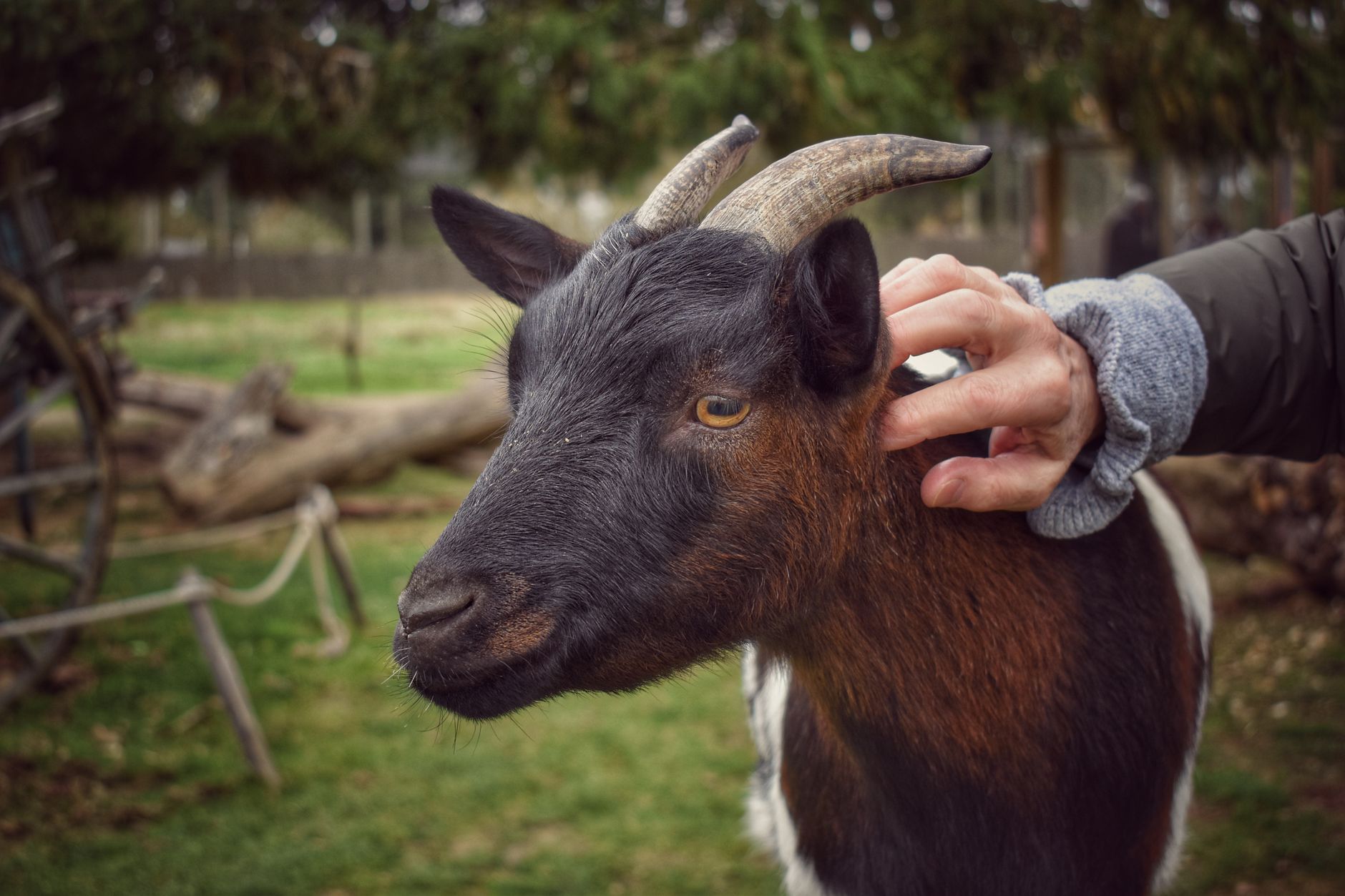
When evaluating calcium levels in goats, breed and age can influence how these values are interpreted. However, across most breeds of goats, the normal range for calcium remains consistent. This means that whether you have a Nigerian Dwarf, a Boer, or any other breed, the reference range for calcium does not change significantly.
Age-related changes in calcium levels among goats are also minimal and do not typically vary based on life stage. However, certain conditions associated with age can affect calcium metabolism. For example, older goats may experience reduced kidney function, which could impact how efficiently they regulate blood calcium levels. Similarly, pregnant or lactating does have increased demands for calcium to support fetal development or milk production, but this is more about dietary management than inherent differences in calcium regulation.
It’s important to note that while breed and age do not significantly alter the normal range of calcium, specific health conditions can influence these levels. For instance, hypercalcemia (high blood calcium) may be associated with primary hyperparathyroidism or malignancy, regardless of the goat’s age or breed. Similarly, hypocalcemia (low blood calcium) might occur due to eclampsia in a lactating doe, irrespective of her breed.
Understanding these conditions is crucial for proper diagnosis and treatment. For example, primary hyperparathyroidism involves overproduction of parathyroid hormone (PTH), leading to increased calcium absorption from bone and the gut. This condition can manifest with clinical signs such as off-feed behavior, dullness, and weight loss.
Malignancy is another cause of high blood calcium, where certain tumors produce parathyroid hormone-related protein (PTHrP) which raises calcium levels. Clinical signs may include reduced milk production, bloat, and diarrhea. Vitamin D toxicosis can also lead to high blood calcium by increasing absorption and retention of the mineral.
On the other hand, hypocalcemia is often seen in conditions like eclampsia during lactation or acute kidney injury where impaired renal function leads to decreased calcium reabsorption. In cases of eclampsia, goats may exhibit muscle spasms and seizures, particularly after kidding when milk production peaks.
Other less common causes of hypocalcemia include hypoadrenocorticism, which involves decreased cortisol levels impairing calcium regulation, leading to reduced rumination and bottle jaw. Pancreatitis can also cause hypocalcemia due to fat necrosis and calcium sequestration, presenting with off-feed behavior and dullness.
| Condition | Mechanism | Clinical Signs |
|---|---|---|
| Primary Hyperparathyroidism | PTH overproduction leads to increased calcium absorption from bone and gut. | Off feed, dullness, weight loss. |
| Malignancy | Certain tumors produce parathyroid hormone-related protein (PTHrP) which raises calcium levels. | Reduced milk production, bloat, diarrhea. |
| Vitamin D Toxicosis | Excessive vitamin D intake increases calcium absorption and retention. | Weakness, recumbency, pale membranes. |
| Hypoadrenocorticism | Decreased cortisol levels impair calcium regulation. | Reduced rumination, bottle jaw. |
| Eclampsia | Severe calcium deficiency during lactation leads to muscle spasms and seizures. | Kidding context, reduced milk production. |
| Acute Kidney Injury | Impaired kidney function can lead to hypocalcemia due to decreased calcium reabsorption. | Diarrhea, weight loss. |
| Pancreatitis | Inflammation of the pancreas can cause hypocalcemia due to fat necrosis and calcium sequestration. | Off feed, dullness. |
What Is the Treatment Approach for High Calcium Levels in Goats?
Treating high calcium levels in goats involves addressing the underlying cause and monitoring to prevent complications such as urinary calculi. Hypercalcemia, or elevated blood calcium, can be caused by conditions like primary hyperparathyroidism, malignancy, vitamin D toxicosis, or hypoadrenocorticism. The first step is identifying which of these causes is responsible for the high calcium levels. This often requires a thorough clinical examination and diagnostic testing to pinpoint the exact cause.
Once the cause is determined, treatment focuses on correcting the imbalance and managing symptoms. For example, if hypercalcemia is due to primary hyperparathyroidism, surgical removal of affected parathyroid glands may be necessary. If it’s caused by vitamin D toxicosis, dietary changes are essential to reduce excessive intake. In cases where malignancy is suspected, further diagnostic tests such as imaging and biopsies might be required to confirm the diagnosis.
Monitoring calcium levels closely during treatment is crucial. Regular blood work helps track the effectiveness of interventions and ensures that calcium levels return to a normal range without dropping too low. Additionally, monitoring urine output for signs of urinary calculi formation is important, especially in male goats where this condition is more common due to their anatomical structure. If urinary stones are suspected or detected, surgical intervention may be necessary to remove them.
Supportive care measures such as fluid therapy and electrolyte management can also play a significant role in managing hypercalcemia. These interventions help maintain proper hydration and support kidney function, which is crucial for calcium excretion. In some cases, medications like bisphosphonates or calcitonin may be prescribed to lower blood calcium levels.
It’s important to note that the treatment approach can vary depending on the severity of hypercalcemia and the underlying cause. Close collaboration between the veterinarian and goat owner is essential for developing an effective management plan tailored to each individual case. Regular follow-up visits are necessary to monitor progress and adjust treatments as needed.
Summary: Understanding High Calcium Levels in Goats

High calcium levels, also known as hypercalcemia, can be a cause for concern in goats. This condition is often linked to underlying health issues such as primary hyperparathyroidism, malignancy, vitamin D toxicosis, or hypoadrenocorticism. Recognizing the signs and understanding what high calcium means for your goat’s overall health is crucial. Hypercalcemia can lead to a variety of clinical symptoms that affect multiple organ systems.
When a blood test shows that calcium levels are above the reference range (goat calcium range), it indicates that further investigation is needed to determine the cause. This could involve additional tests like imaging studies or hormone level assessments to pinpoint the exact reason behind elevated calcium. For example, if your goat has high calcium levels and also shows signs of bone pain or fractures, this might suggest a malignancy such as lymphoma or multiple myeloma. It’s important to remember that high calcium alone does not provide enough information for a definitive diagnosis; it must be interpreted alongside other clinical findings and test results.
Regular veterinary check-ups are essential, especially if your goat is showing signs like reduced appetite, dullness, or weakness. These symptoms can indicate various health issues, including those associated with high calcium levels. Your veterinarian will consider the overall picture of your goat’s health, including its diet, hydration status, and reproductive stage, to provide a comprehensive evaluation. For instance, if a goat is in late pregnancy or early lactation, it might experience temporary hypercalcemia due to increased demand for calcium during these stages.
It’s also important to note that certain medications can affect calcium levels. For example, diuretics and corticosteroids may alter the balance of electrolytes, including calcium. Therefore, a thorough medical history is crucial in diagnosing high calcium levels accurately. Your veterinarian will take into account all these factors to determine the best course of action for your goat’s health.
Frequently Asked Questions
What does high calcium mean for my goat?
High calcium levels can indicate conditions like hyperparathyroidism, certain cancers, excessive vitamin D intake, or adrenal gland issues. Your vet will consider other test results and symptoms to determine the underlying cause.
How common is high calcium in goats?
Hypercalcemia isn’t typical but can occur due to specific health issues such as parathyroid disorders or metabolic imbalances. It’s important to investigate thoroughly if detected.
Can diet affect calcium levels in goats?
While diet plays a role in overall nutrition, direct dietary changes rarely cause significant fluctuations in calcium unless there are extreme deficiencies or excesses leading to metabolic disturbances.
Why would my goat have low calcium?
Low calcium levels may be linked to poor protein status, severe dehydration, recent birth complications, or sudden kidney problems. Identifying the exact reason requires further investigation.
Is high calcium dangerous for my goat?
Yes, sustained high calcium levels can lead to serious health issues including kidney damage and bone resorption. Immediate veterinary attention is crucial.
Should I worry about high calcium during kidding?
During kidding, temporary changes in blood chemistry might occur, but persistent high calcium should prompt concern and a thorough evaluation by your veterinarian.
Does high calcium always require treatment?
Treatment depends on the severity and cause; mild cases might resolve with dietary adjustments while more severe instances need medical intervention.
Are there any breed differences in calcium levels?
Goats generally show minimal breed-level variation in calcium levels; factors like diet, parasite load, and reproductive stage influence these values more significantly.
When should I recheck my goat’s calcium level?
Your vet will recommend follow-up testing based on initial findings and response to any prescribed treatments, typically within weeks to months.
Could medications impact calcium levels?
Certain drugs can alter calcium metabolism; discuss all current medications with your vet to understand potential interactions affecting calcium balance.
What symptoms indicate high calcium?
Symptoms of hypercalcemia can vary widely but often include reduced appetite, lethargy, weakness, and signs of organ dysfunction depending on the underlying condition.
Can stress raise calcium levels?
Stress itself doesn’t directly increase calcium levels, but it can exacerbate existing conditions that do raise calcium, such as parathyroid disorders.
Is high calcium related to urinary stones?
High calcium can contribute to stone formation in the urinary tract. Your vet may check for this if calcium levels are elevated along with clinical signs suggestive of urolithiasis.
Sources & Further Reading
This article draws on the following authoritative veterinary references. For your pet’s individual case, consult a licensed veterinarian.
- Merck Veterinary Manual — comprehensive clinical reference for veterinary practice
- ACVIM Consensus Statements — American College of Veterinary Internal Medicine