Wondering what a full interpretation looks like? See a sample report →
Why Should You Care About High GGT in Cattle?
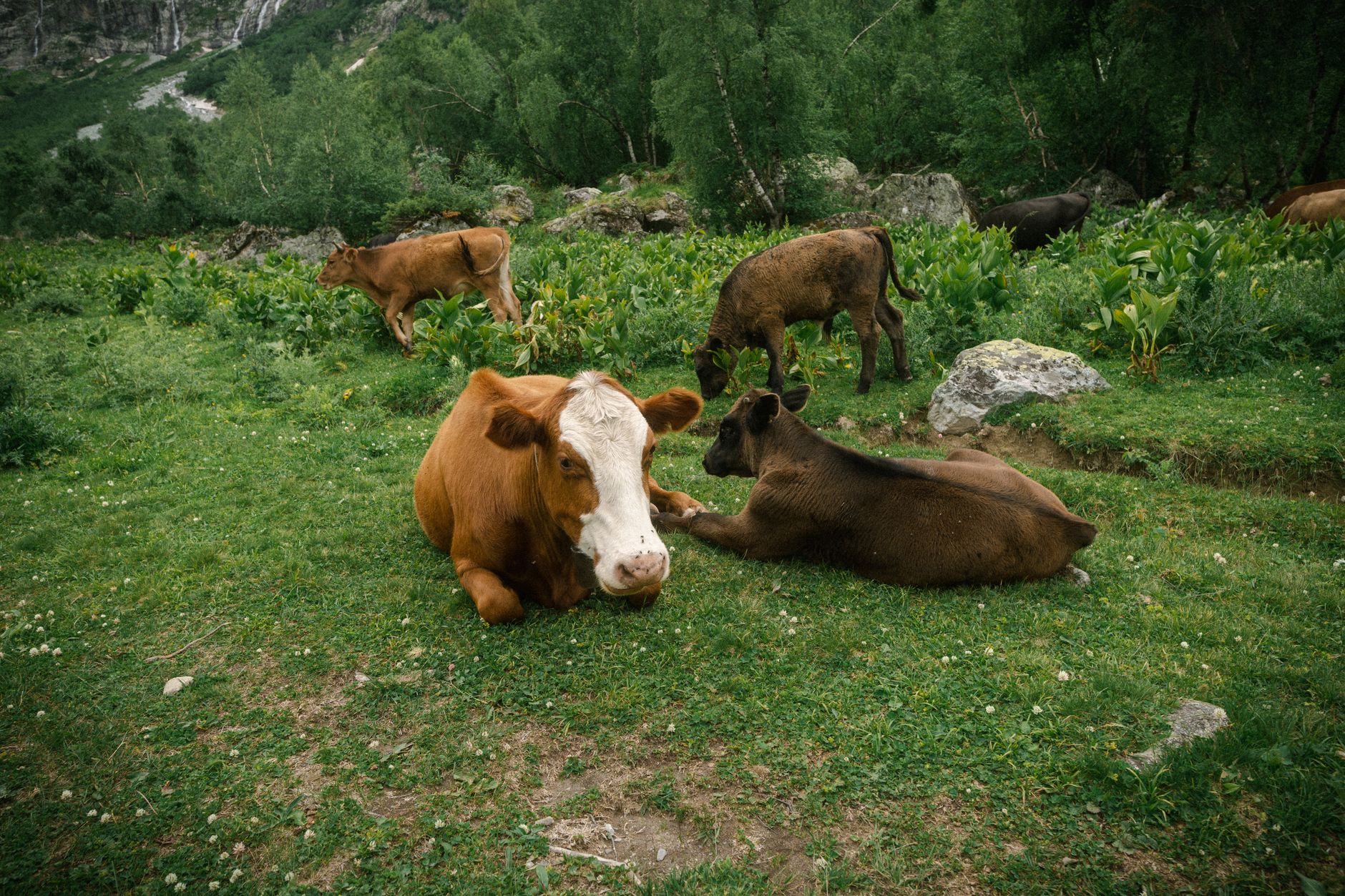
When GGT levels are elevated, it often indicates that the cow’s liver is under stress or damaged. This can manifest in various ways such as reduced milk yield, off-feed behavior, decreased rumination, and even weight loss. These symptoms not only impact the welfare of the animal but also have significant economic implications for dairy farmers who rely on consistent milk production. Early detection through blood tests like GGT allows for prompt veterinary assessment and treatment, which can help mitigate these issues before they escalate into more serious conditions.
Understanding why high GGT matters also involves recognizing its role in conjunction with other liver enzymes. For instance, while GGT is a cholestatic marker, it works alongside other markers such as Alkaline Phosphatase (ALP) and Aspartate Aminotransferase (AST). These enzymes provide a comprehensive picture of the cow’s health status. Elevated levels of ALP can indicate bone or liver disease, while AST is often elevated in cases of muscle damage or liver injury. By monitoring these markers together, veterinarians can gain a more accurate understanding of the underlying issues affecting the animal.
Moreover, high GGT levels may also be associated with metabolic disorders such as ketosis and fatty liver syndrome, which are common in dairy cattle during peak lactation periods. These conditions can severely impact milk production and overall health if left untreated. Regular monitoring of GGT alongside other relevant markers ensures that any underlying issues are identified early, allowing for timely intervention to prevent further complications.
What is GGT?
The Gamma-Glutamyl Transferase (GGT) test measures an enzyme found primarily in the liver and bile ducts of cattle. This enzyme plays a crucial role in transporting amino acids, particularly those involved in glutathione metabolism, across cell membranes. Glutathione is essential for detoxification processes within cells and helps maintain cellular integrity. In cattle, elevated levels of GGT are often indicative of issues related to the biliary system or liver function.
GGT is considered a cholestatic marker, meaning it increases when there’s a blockage or reduced flow in the bile ducts. This can be due to various conditions such as inflammation, obstruction caused by gallstones or tumors, or damage to the bile ducts themselves. For example, if cattle are exposed to certain toxins or suffer from infectious diseases like viral hepatitis, GGT levels may rise significantly. When GGT levels are above the reference range (17-54 U/L), it suggests that the liver and biliary system may not be functioning optimally.
It’s important to note that while elevated GGT is a sign of potential liver or biliary issues, it does not indicate direct hepatocellular damage like other enzymes such as AST (Aspartate Aminotransferase) might. For instance, in an affected animal, if the AST levels remain within normal limits but GGT continues to rise over time, this could suggest a problem with bile flow rather than liver cell injury. Therefore, interpreting GGT alongside other liver function tests provides a more comprehensive understanding of the animal’s health.
GGT can also be elevated in conditions unrelated to liver disease, such as pregnancy or certain medications. However, these elevations are typically mild and do not indicate significant pathology. In clinical practice, veterinarians often use GGT levels in conjunction with other diagnostic tools like ultrasound imaging of the liver and bile ducts to pinpoint the exact cause of elevated enzyme activity.
GGT Reference Ranges for Cattle

The gamma-glutamyl transferase (GGT) is a liver enzyme that plays a crucial role in bile metabolism. In cattle, GGT levels are particularly important as they can indicate issues with the biliary tract or cholestasis. Understanding what constitutes normal and abnormal GGT values helps veterinarians diagnose potential health problems early on.
The normal reference range for GGT in cattle is 17-54 U/L. Elevated GGT levels typically suggest a problem with bile flow, such as obstruction of the bile ducts or inflammation affecting the biliary system. However, it’s important to note that GGT does not indicate hepatocellular damage like other liver enzymes might.
When interpreting GGT results, it is crucial to consider them alongside other liver function tests and clinical signs observed in the animal. For example, if an affected cow exhibits reduced milk yield or off-feed behavior along with elevated GGT levels, further investigation into biliary tract issues may be warranted. Additionally, changes in manure consistency or color can also provide valuable clues.
GGT levels should always be evaluated within the context of a comprehensive clinical assessment. Elevated GGT values might correlate with conditions such as hepatic lipidosis, which is common in dairy cattle experiencing metabolic stress due to high milk production demands. In these cases, veterinarians often observe additional signs like weight loss and poor appetite.
It’s also important to consider the timing of sample collection relative to feeding times, as GGT levels can fluctuate based on recent feed intake. For instance, a cow that has just been fed might show slightly higher GGT values compared to one sampled during fasting periods.
| Parameter | Normal Range |
|---|---|
| GGT | 17-54 U/L |
See the full reference intervals for cattle — every value cited to the laboratory document or paper it came from.
What Causes High GGT Levels?
Elevated levels of Gamma-Glutamyl Transferase (GGT) in cattle can indicate a range of conditions, primarily those affecting the liver and bile ducts. When GGT is above the reference range, it often suggests cholestasis or blockage within the biliary tract. This enzyme plays a key role in transporting amino acids across cell membranes and its levels rise when there’s an obstruction to normal bile flow.
One of the most common causes of high GGT in cattle is liver disease, particularly conditions that lead to fat accumulation in liver cells, such as fatty liver syndrome. This condition often occurs during the transition period around calving or early lactation due to metabolic stress and reduced feed intake. Other factors like copper deficiency can also contribute to elevated GGT levels by causing damage to liver tissue.
GGT is not specific to any single disease; therefore, a markedly elevated result should prompt further investigation into other liver enzymes such as ALP (Alkaline Phosphatase) and AST (Aspartate Aminotransferase). These markers can help differentiate between hepatocellular damage and biliary obstruction. For instance, in cases of cholestasis, GGT is typically elevated alongside ALP, while AST may be normal or only mildly increased.
When interpreting high GGT levels, it’s important to consider the animal’s clinical signs and production context. Cattle with liver issues might show reduced feed intake, decreased milk yield, dullness, diarrhea, or even jaundice. In dairy herds, a drop in milk production can be an early indicator of underlying health problems that affect liver function.
| Cause | Mechanism | Typical Signs |
|---|---|---|
| Fatty Liver Syndrome | Fat accumulation in liver cells disrupts bile flow. | Reduced feed intake, decreased milk yield, dullness. |
| Biliary Obstruction | Physical blockage of bile ducts leads to cholestasis. | Jaundice, abdominal pain, reduced feed intake. |
| Copper Deficiency | Insufficient copper impairs liver function and bile production. | Reduced feed intake, weight loss, dullness. |
| Metabolic Stress | High metabolic demands during transition period strain liver function. | Decreased milk yield, off feed, reduced rumination. |
| Hepatocellular Damage | Liver cell injury increases GGT release into bloodstream. | Abnormal manure, weight loss, weakness. |
How Does GGT Compare to Other Liver Enzymes?
When evaluating liver health in cattle, understanding how different enzymes like AST, ALP, and ALT contribute to the overall picture is crucial. Gamma-glutamyl transferase (GGT) stands out as a marker specifically for cholestasis or biliary tract involvement. Unlike AST and ALT, which primarily indicate hepatocellular injury, GGT’s role is more specific to bile flow issues within the liver. Elevated GGT levels can be indicative of conditions such as hepatic lipidosis, infectious diseases like Leptospirosis, or even certain medications that affect bile production.
AST, on the other hand, provides information about both muscle and liver health. Elevated AST levels can be due to muscle damage as well as liver cell leakage. This makes interpreting AST results alongside CK (creatine kinase) important for distinguishing between muscular and hepatic causes of elevated enzyme levels. For instance, if a cow shows high AST but normal ALT levels, it might suggest that the elevation is more likely related to muscle injury rather than direct liver damage.
ALT is more specific to hepatocellular injury; when ALT rises, it often indicates direct damage or leakage from liver cells. In cattle, an elevated ALT level typically points towards conditions such as fatty liver disease, viral hepatitis, or toxic insults like aflatoxin exposure. The specificity of ALT makes it a valuable tool for diagnosing acute liver injuries.
ALP, similar to GGT, points towards cholestasis but also has additional roles in bone metabolism, especially in younger animals where active bone growth can elevate ALP levels. In cattle, however, the primary concern is usually related to bile flow issues rather than bone activity. Elevated ALP levels might suggest conditions like biliary obstruction or hepatic neoplasia. The table below summarizes how these enzymes differ and what they add to your diagnostic approach.
| Marker | What it Adds | When Preferred |
|---|---|---|
| AST | Indicates muscle and liver injury; must be read alongside CK. | When muscle damage is suspected or when ALT levels are normal but AST is elevated. |
| ALT | Specific to hepatocellular injury; less affected by muscle damage. | When liver cell leakage or direct liver injury is suspected and AST levels are normal. |
| ALP | Indicates cholestasis; also elevated in bone growth or steroid use. | When bile flow issues are suspected, especially if GGT is normal but ALP is markedly elevated. |
| GGT | Specific marker for cholestasis or biliary tract involvement; not affected by bone growth. | When bile flow issues are suspected and ALP is normal but GGT is markedly elevated. |
How Do You Interpret High GGT Levels?
When you see high GGT levels in your cattle, it’s important to understand what this means and how to proceed. Elevated GGT is a cholestatic marker, indicating issues with bile flow or biliary tract involvement rather than liver cell damage. This enzyme plays a key role in the metabolism of bile acids within the liver and its elevation suggests that there might be an obstruction or inflammation affecting the bile ducts.
GGT levels above the reference range can point to various conditions, such as cholangiohepatitis, biliary tract disease, or even certain medications that affect bile flow. In cattle, high GGT often correlates with clinical signs like reduced feed intake, dullness, and possibly jaundice if liver function is significantly compromised.
It’s crucial to interpret GGT alongside other liver enzymes such as ALP (alkaline phosphatase) and AST (aspartate aminotransferase). For instance, in cattle with fatty liver syndrome or hepatic lipidosis, you might see elevated ALP but normal or only mildly raised GGT. This pattern can help differentiate between different types of liver issues.
| Finding | What it may suggest | Suggested next step |
|---|---|---|
| Above the reference range | Cholestasis or biliary tract involvement | Further diagnostic tests such as bile acids, ALP, and imaging if necessary |
| Markedly elevated | Severe cholestasis or biliary obstruction | Immediate veterinary consultation and possible intervention |
| Normal range with elevated ALP | Fatty liver syndrome or hepatic lipidosis | Consultation and dietary management to reduce fat accumulation |
| Normal range with other enzymes elevated | Hepatocellular damage or inflammation | Further tests to identify the cause of liver cell injury |
| Normal range with no other abnormalities | No significant clinical concern | Monitor regularly if symptoms persist or worsen |
When GGT levels are above the reference range, it’s important to consider other liver enzymes like ALP and AST. These markers can help pinpoint whether the issue is primarily cholestatic (GGT) or hepatocellular (AST). For example, if ALP is also elevated but GGT remains within normal limits, this could suggest fatty liver syndrome rather than biliary obstruction.
High GGT levels should prompt a closer look at bile acid concentrations and imaging studies like ultrasound to assess the condition of the bile ducts. If clinical signs such as reduced feed intake or jaundice are present alongside high GGT, immediate veterinary attention is warranted to prevent further complications.
In summary, elevated GGT in cattle indicates potential issues with bile flow or biliary tract involvement. It’s crucial to interpret this result alongside other liver function tests and clinical observations for a comprehensive diagnosis. Always consult your veterinarian if you notice any changes in your animal’s health or behavior that could be linked to high GGT levels.
Are There Breed or Age Differences in GGT Levels?
When evaluating GGT levels in cattle, it’s important to understand that breed and age do not significantly influence these values. The primary factors affecting GGT levels are the animal’s health status, diet, and any underlying liver or biliary tract issues. For instance, a cow with cholestasis due to bile duct obstruction will show elevated GGT regardless of her breed.
GGT is particularly useful in identifying conditions like fatty liver syndrome or ketosis, which can occur during the transition period when dairy cows are most vulnerable. These metabolic disorders often lead to increased GGT levels as a result of impaired bile flow and cholestasis rather than being influenced by genetic factors specific to certain breeds.
While there is no strong evidence suggesting breed-specific differences in GGT levels, it’s crucial to consider the cow’s production stage and age. For example, older cows or those nearing the end of their lactation cycle might show higher GGT levels due to reduced liver function or metabolic stress. Similarly, younger cattle that are still growing may have slightly elevated GGT as part of normal physiological changes.
GGT levels can also vary based on nutritional status and dietary factors. For instance, a cow with inadequate protein intake or excessive fat in her diet might experience increased GGT levels due to liver stress. Additionally, cows undergoing periods of high metabolic demand, such as during early lactation or late gestation, may exhibit elevated GGT levels as their livers work harder to meet the body’s needs.
When interpreting GGT results in cattle, it’s important to look at them alongside other clinical signs and laboratory tests such as ALP (alkaline phosphatase) and bilirubin. These markers can provide a more comprehensive picture of liver health and help pinpoint the exact cause of elevated GGT levels.
For example, if an affected cow shows high GGT along with increased ALP but normal bilirubin levels, it may indicate biliary obstruction or hepatocellular damage rather than hemolysis. Conversely, if both GGT and bilirubin are elevated while ALP remains within the reference range, this could suggest a condition affecting liver cell function.
It is also important to note that certain medications can influence GGT levels in cattle. For instance, non-steroidal anti-inflammatory drugs (NSAIDs) or antibiotics may cause transient elevations in GGT due to their hepatotoxic effects. Therefore, it’s crucial for veterinarians to consider the cow’s medical history and any recent treatments when evaluating GGT results.
In summary, while breed and age do not significantly impact GGT levels in cattle, understanding the broader context of a cow’s health status, diet, and medication use is essential for accurate diagnosis and treatment planning.
What is the Treatment Approach for High GGT?
When a cattle’s GGT levels are above the reference range, it typically indicates issues related to bile flow or liver function. Gamma-glutamyl transferase (GGT) is an enzyme that plays a key role in the metabolism of amino acids and is particularly active in cells lining the bile ducts. Elevated GGT suggests cholestasis, which means there’s a blockage or reduced flow of bile from the liver to the intestines.
The treatment approach for high GGT levels focuses on addressing the underlying cause, whether it’s due to biliary obstruction, inflammation, or other conditions affecting bile flow and liver health. The veterinarian will first aim to identify the specific reason behind the elevated GGT through a thorough clinical examination, including blood tests, imaging studies like ultrasound, and sometimes liver biopsies.
Once the cause is determined, treatment may involve medications that support bile flow or reduce inflammation, such as ursodiol. Dietary changes might also be recommended to ease the workload on the liver and promote overall health. For instance, reducing fat intake can help because fats require bile for digestion. Additionally, monitoring the animal closely over time will allow the veterinarian to assess how well the treatment is working.
For cattle with biliary obstruction, surgical intervention might be necessary if non-invasive treatments are ineffective or if there’s a physical blockage such as gallstones or tumors. In cases of liver inflammation, anti-inflammatory drugs and supportive care can help reduce GGT levels over time. For fatty liver syndrome, dietary modifications to decrease fat intake and increase carbohydrate consumption may be beneficial.
It is crucial for the veterinarian to monitor the cattle’s response to treatment regularly through follow-up blood tests and clinical assessments. If GGT levels do not improve or continue to rise despite appropriate management, further diagnostic workup might be required to rule out more serious underlying conditions such as liver cirrhosis or chronic hepatitis.
| Cause | Mechanism | Typical Signs |
|---|---|---|
| biliary obstruction | Blockage of bile ducts leads to cholestasis and elevated GGT. | Reduced appetite, jaundice, weight loss. |
| liver inflammation | Inflammatory processes in the liver can elevate GGT levels. | Off feed, dullness, abnormal manure. |
| fatty liver syndrome | Accumulation of fat in liver cells can impair bile flow and elevate GGT. | Reduced milk yield, weight loss, dehydration. |
Summary of Key Points About High GGT in Cattle
High levels of Gamma-Glutamyl Transferase (GGT) in cattle are often indicative of issues affecting the bile ducts or liver function. This enzyme plays a crucial role in transporting amino acids and peptides across cell membranes, but when it’s above the reference range, it typically suggests problems with bile flow rather than direct damage to liver cells. Elevated GGT levels can be caused by various factors including biliary obstruction, cholangiohepatitis, or certain medications that impact bile ducts.
When GGT levels rise in cattle, veterinarians observe a range of clinical signs such as reduced feed intake, dullness, and changes in manure consistency. These symptoms often accompany elevated GGT readings, indicating underlying health issues. It’s also important to note that during the transition period, metabolic stress can cause temporary increases in GGT levels.
The non-specific nature of elevated GGT means that further diagnostic steps are necessary to pinpoint the exact cause. Veterinarians may recommend imaging studies like ultrasound or additional blood tests such as ALP and bilirubin to differentiate between cholestasis and hepatocellular damage. These follow-up tests help guide appropriate treatment strategies, which can range from medication adjustments to surgical interventions depending on the underlying condition.
For instance, in cattle with biliary obstruction, veterinarians might observe a significant increase in GGT levels alongside elevated ALP (Alkaline Phosphatase) and bilirubin. This combination of markers suggests impaired bile flow rather than direct liver cell damage. In contrast, if hepatocellular damage is suspected, ALT (Alanine Transaminase) would be expected to rise more prominently compared to GGT.
Given the complexity of diagnosing high GGT in cattle, a comprehensive approach involving clinical signs, laboratory tests, and imaging studies is essential for accurate diagnosis and effective treatment. Early intervention can significantly improve outcomes and prevent further complications associated with liver or bile duct disorders.
Frequently Asked Questions
What causes elevated GGT levels in cattle?
Elevated GGT levels in cattle usually suggest issues with bile flow or problems affecting the bile ducts. This could be due to liver disorders or blockages within the biliary tract.
How can I tell if my cow’s high GGT is serious?
High GGT alone doesn’t diagnose a condition but may signal underlying health concerns like liver dysfunction or bile duct obstruction. Your vet will assess other symptoms and test results to determine seriousness.
Do breed differences affect GGT levels in cows?
GGT levels are more influenced by production stage, age, and management practices than by specific breeds. Holsteins and Jerseys have unique challenges around calving and post-partum care that might indirectly impact GGT.
Why would a cow’s GGT level decrease?
A low GGT level generally isn’t concerning as there are fewer conditions associated with decreased GGT compared to increased levels. It often means there’s no active issue related to bile flow or liver function.
Can diet influence GGT levels in cattle?
While certain diets can affect overall liver health, there’s no direct evidence linking dietary changes specifically to altering GGT levels without broader impacts on liver function.
Should I worry about high GGT during pregnancy?
Pregnancy itself does not typically raise GGT levels unless complications arise such as metabolic stress or liver involvement. Discuss any concerns with your veterinarian who can evaluate further based on additional tests.
Are there other blood markers besides GGT that should be checked when it’s high?
Yes, checking ALP (alkaline phosphatase) alongside GGT helps differentiate between hepatocellular damage and cholestasis since both enzymes relate to liver function but indicate different processes.
Does dehydration increase GGT levels?
Dehydration primarily affects electrolyte balance and kidney function rather than directly raising GGT levels. However, severe dehydration can lead to systemic stress impacting multiple organs including the liver.
Is high GGT always linked to liver disease?
Not necessarily; while high GGT often points towards liver or bile duct issues, it can also rise due to non-hepatic causes like muscle injury or certain medications affecting enzyme activity.
What diagnostic steps follow after finding elevated GGT?
Your vet may recommend imaging studies like ultrasound to visualize the liver and biliary system, along with assessing bilirubin and albumin levels for comprehensive evaluation of liver health.
How urgent is it if my cow has high GGT?
The urgency depends on accompanying symptoms and clinical signs. Mild elevations might warrant monitoring over time, whereas significant increases or sudden onset require prompt veterinary attention.
Could medication cause an elevation in GGT?
Certain drugs can elevate GGT by influencing liver metabolism. If your cow is on new medications, discuss potential side effects with your vet to rule out drug-induced changes.
When should I recheck my cow’s GGT level?
Rechecking GGT levels depends on initial findings and treatment response. Your vet will advise a timeline based on severity and whether ongoing management or therapy is needed.
Can GGT levels fluctuate naturally?
GGT levels can vary slightly depending on physiological states like feeding times or recent physical exertion, so consistent patterns are more reliable indicators of underlying conditions.
Do young calves have higher GGT levels compared to adults?
Calves generally do not show significantly different baseline GGT levels from adult cattle unless they face specific developmental challenges or infections affecting their liver function.
Are there any home remedies that help lower GGT?
There are no proven at-home treatments specifically targeting GGT reduction. Focus instead on maintaining good herd nutrition, hydration, and following professional advice regarding diet and care.
Sources & Further Reading
This article draws on the following authoritative veterinary references. For your pet’s individual case, consult a licensed veterinarian.
- Merck Veterinary Manual — comprehensive clinical reference for veterinary practice
- ACVIM Consensus Statements — American College of Veterinary Internal Medicine