Elevated Bilirubin in Ferrets — Liver or Hemolytic Issues?
Elevated Bilirubin in Ferrets — Liver or Hemolytic Issues?
Wondering what a full interpretation looks like? See a sample report →
Why Should You Care About Elevated Bilirubin in Ferrets?

Elevated bilirubin levels in ferrets can be a critical indicator of underlying health issues, such as liver dysfunction or hemolytic anemia. Monitoring these levels is essential for early detection and management of potential diseases that could affect your pet’s quality of life. Bilirubin (0-1 mg/dL) is a breakdown product of red blood cells; when it rises above the reference interval, it signals possible liver or hemolytic problems.
Elevated bilirubin levels can be indicative of various conditions in ferrets. For instance, if the level exceeds the reference interval of above the reference interval, immediate medical attention is necessary to prevent severe complications such as jaundice or hepatic failure. Bilirubin testing should be part of routine blood work for older ferrets (over three years), who are more prone to developing insulinoma and adrenal disease, both conditions that can indirectly affect liver function.
- Hemolytic anemia occurs when red blood cells break down faster than they can be replaced. This condition often leads to elevated bilirubin levels as the body struggles to process the increased breakdown products. In such cases, a complete blood count (CBC) will show high reticulocyte counts and low hemoglobin levels.
- Conversely, liver issues like cholestasis or hepatic inflammation can also elevate bilirubin by impairing its normal excretion from the body. Elevated liver enzymes (ALT: 54-289 U/L; AST: 28-248 U/L) and abnormal kidney markers (BUN: 10-45 mg/dL, Creatinine: 0.2-1 mg/dL) may accompany these findings.
Understanding the significance of elevated bilirubin levels is crucial for proactive pet care. Regular veterinary check-ups and blood tests can help identify potential issues early on, allowing for timely intervention and better outcomes. If your ferret’s bilirubin level is consistently above the reference interval, consult with a veterinarian to explore possible causes and appropriate treatment options.
What is Bilirubin?
Bilirubin, a yellow-orange pigment derived from the breakdown of hemoglobin in red blood cells (RBCs), plays a crucial role in the body’s metabolic processes. It is primarily processed and excreted by the liver, making it an essential marker for assessing both liver function and potential hemolytic disorders in ferrets. Normal bilirubin levels in ferrets range from 0-1 mg/dL; any level above the reference interval is considered elevated and may indicate underlying health issues.
The liver takes up unconjugated (indirect) bilirubin, converts it into conjugated (direct) bilirubin, and then secretes it into the bile ducts for excretion through the intestines. Elevated levels of bilirubin can be indicative of either impaired liver function or excessive hemolysis, where red blood cells are destroyed at a faster rate than normal. In cases of liver disease, enzymes such as alanine transaminase (ALT) and aspartate transaminase (AST) may also be elevated, with levels above the reference interval for ALT and 54-289 U/L for AST indicating significant hepatic damage.
- Hemolysis: When red blood cells are destroyed too quickly, the liver cannot process all of the resulting bilirubin. This leads to an increase in both indirect and direct bilirubin levels. In such cases, a complete blood count (CBC) may show elevated RBC counts above 8 million/µL, indicating ongoing hemolysis.
- Liver Dysfunction: If the liver is not functioning properly, it cannot effectively process and excrete bilirubin, leading to its accumulation in the bloodstream. This condition can be further confirmed by assessing other liver enzymes such as alkaline phosphatase (ALP) and gamma-glutamyl transferase (GGT).
Understanding the relationship between bilirubin levels and these two conditions is crucial for diagnosing and treating ferrets with elevated bilirubin. For instance, if a ferret presents with jaundice and high bilirubin levels, along with normal CBC results but elevated liver enzymes, it suggests that liver dysfunction rather than hemolysis is the primary issue.
Laboratory Reference Ranges for Bilirubin in Ferrets
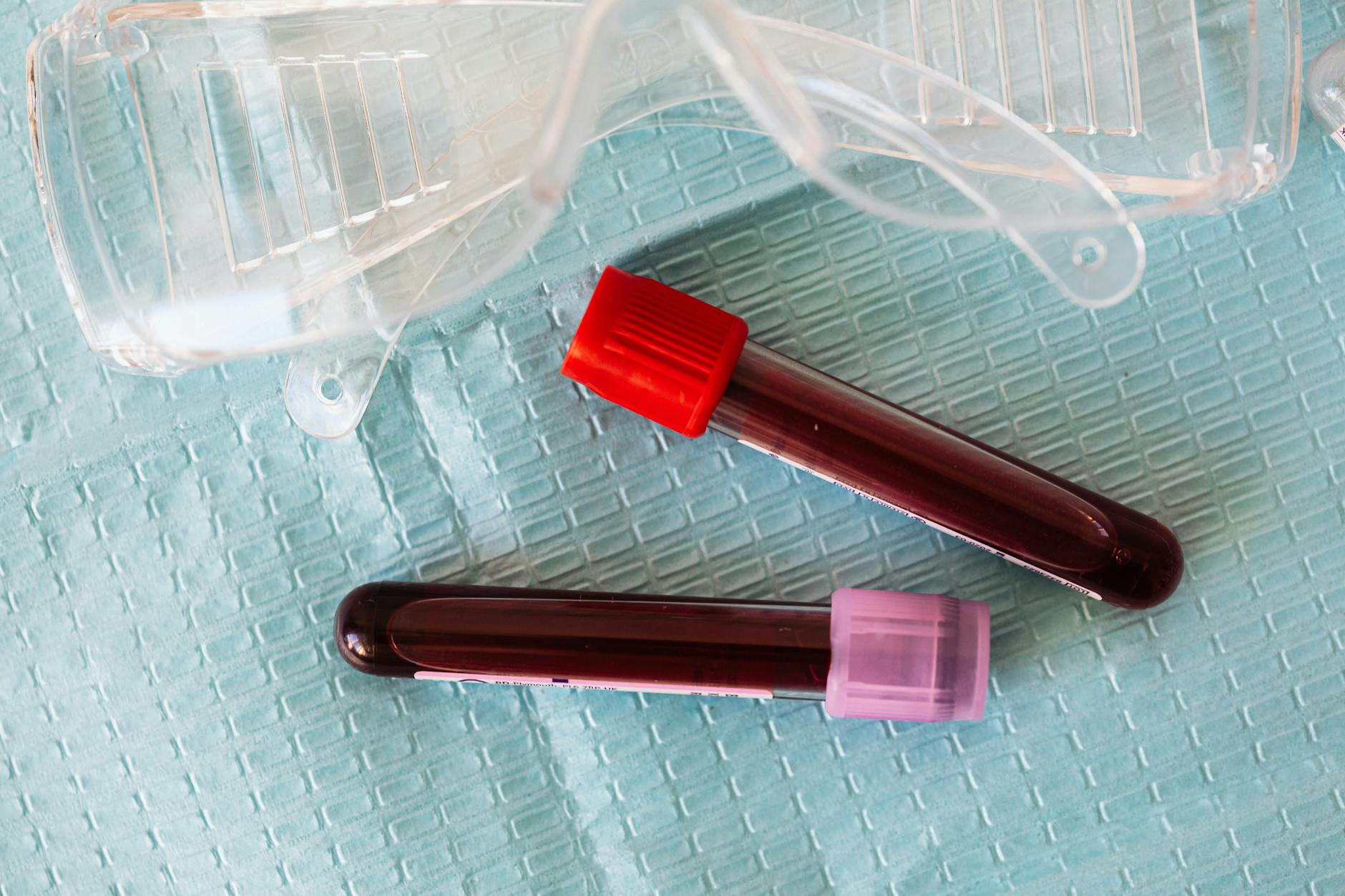
Understanding the laboratory reference ranges for bilirubin is crucial when evaluating liver function or hemolytic disorders in ferrets. Elevated levels of bilirubin can indicate a range of conditions, from hepatic disease to anemia. The normal range for serum bilirubin in ferrets is 0-1 mg/dL. Values above the reference interval are considered elevated and may warrant further investigation into potential liver or hemolytic issues.
In addition to monitoring bilirubin levels, it is important to consider other blood parameters that can provide a more comprehensive picture of the ferret’s health status. For instance, complete blood count (CBC) results should be within normal limits: 4.0-7.0 million/µL. Elevated CBC values above 8.0 million/µL may suggest an underlying condition such as hemolytic anemia or other hematological disorders.
The table below summarizes the reference ranges for bilirubin, CBC, liver enzymes (ALT and AST), kidney markers (BUN and creatinine), and provides clinical interpretations for each parameter. These values are based on established veterinary guidelines and are essential for accurate diagnosis and treatment planning in ferret patients.
| Parameter | Normal Range (mg/dL or U/L) |
|---|---|
| Bilirubin | 0-1 mg/dL |
| CBC (million/µL) | 4.0-7.0 |
| ALT (U/L) | 15–60 |
| AST (U/L) | 20–70 |
| BUN (mg/dL) | 10-45 mg/dL |
| Creatinine (mg/dL) | 0.2-1 mg/dL |
See the full reference intervals for the ferret — every value cited to the laboratory document or paper it came from.
When bilirubin levels exceed the reference interval of 0-1 mg/dL, immediate veterinary intervention is necessary to address potential liver failure or severe hemolytic anemia.
What Causes Elevated Bilirubin Levels?
Elevated bilirubin levels in ferrets can indicate either liver dysfunction or hemolytic anemia. Understanding which condition is responsible is crucial for appropriate diagnosis and treatment. Normal serum bilirubin levels in ferrets range from 0-1 mg/dL, with values above the reference interval considered elevated and those over the reference interval critical.
When evaluating a ferret with elevated bilirubin, it is important to consider the context of other laboratory findings. For instance, if liver enzymes such as ALT (alanine transaminase) and AST (aspartate transaminase) are also elevated—typically above the reference interval for ALT and 54-289 U/L for AST—it suggests a hepatic issue rather than hemolysis. Conversely, if the complete blood count (CBC) shows an increased red blood cell count or reticulocyte percentage, indicating active erythropoiesis, this points towards hemolytic anemia.
- ALT: normal range 54-289 U/L; outside the reference interval suggests liver damage; outside the reference interval indicates severe hepatopathy.
- AST: normal range 28-248 U/L; outside the reference interval suggests liver damage; outside the reference interval indicates severe hepatopathy.
- Bilirubin: normal range 0-1 mg/dL; outside the reference interval is elevated; outside the reference interval is critical.
In cases of liver dysfunction, bilirubin elevation often accompanies other markers of hepatic stress such as increased alkaline phosphatase (ALP) and decreased albumin levels. In contrast, hemolytic anemia typically presents with a reticulocyte count above the reference interval and a packed cell volume (PCV) that may be normal or slightly elevated due to the body’s response to increased red blood cell destruction.
| Parameter | Normal Range (mg/dL or U/L) |
|---|---|
| ALT | 54-289 U/L |
| AST | 28-248 U/L |
| Bilirubin | 0-1 mg/dL |
| CBC (RBC count) | 4.0-7.0 million/µL |
| Reticulocyte count (%) | 1-14% |
How Does Bilirubin Compare to Other Parameters?
Elevated bilirubin levels in ferrets can indicate liver dysfunction or hemolytic anemia, but interpreting these results requires a comprehensive view of the patient’s overall blood work. When assessing bilirubin levels, it is crucial to compare them with other relevant parameters such as liver enzymes, kidney markers, and complete blood count (CBC) values. For instance, normal bilirubin levels in ferrets range from 0-1 mg/dL; any level above the reference interval is considered elevated, while levels exceeding the reference interval are critical.
Liver enzymes such as alanine aminotransferase (ALT) and aspartate aminotransferase (AST) provide additional insight into hepatic function. Normal ALT values range from 54-289 U/L, while AST levels should be between 20 and 28-248 U/L. Elevated ALT (outside the reference interval) or AST (outside the reference interval) suggests liver damage or disease, which could explain high bilirubin levels if they are due to hepatic issues.
Conversely, when evaluating hemolytic anemia as a cause for elevated bilirubin, it is essential to examine the CBC values. A normal white blood cell (WBC) count in ferrets ranges from 4.0 to 7.0 million/µL; levels above 8.0 million/µL indicate leukocytosis and may suggest an inflammatory response or infection contributing to hemolysis. Additionally, a low hematocrit (HCT) level (outside the reference interval) can point towards chronic bleeding or bone marrow suppression, which are common in conditions like insulinoma.
Furthermore, kidney markers such as blood urea nitrogen (BUN) and creatinine should be assessed alongside bilirubin levels. Normal BUN values range from 10-45 mg/dL, while creatinine levels should fall between 0.6 and 0.2-1 mg/dL. Elevated BUN (outside the reference interval) or creatinine (outside the reference interval) indicates azotemia, which could be a sign of dehydration or kidney disease unrelated to liver function.
| Parameter | Normal Range (mg/dL or U/L) |
|---|---|
| Bilirubin | 0-1 mg/dL |
| ALT (Alanine Aminotransferase) | 15–60 |
| AST (Aspartate Aminotransferase) | 20–70 |
| BUN (Blood Urea Nitrogen) | 10-45 mg/dL |
| Creatinine | 0.2-1 mg/dL |
| WBC (White Blood Cell Count) | 4.0–7.0 million/µL |
| HCT (Hematocrit) | 35% |
How Do You Interpret Elevated Bilirubin Results?
Elevated bilirubin levels in ferrets can indicate either liver dysfunction or hemolytic anemia. Understanding the context of these results requires a comprehensive review of the complete blood count (CBC) and other biochemical markers, such as liver enzymes and kidney function tests. Normal serum bilirubin levels for ferrets range from 0-1 mg/dL; any level above the reference interval is considered elevated, with critical values exceeding the reference interval.
When interpreting elevated bilirubin results, it’s crucial to correlate these findings with other laboratory parameters. For instance, if the CBC shows a high reticulocyte count and low hct (hematocrit), this may suggest hemolytic anemia rather than liver disease. In cases of hemolysis, bilirubin levels rise due to increased breakdown of red blood cells, leading to higher unconjugated bilirubin.
On the other hand, if liver enzymes such as ALT (alanine transaminase) and AST (aspartate transaminase) are elevated above the reference interval and 28-248 U/L respectively, this points towards hepatic issues. Widely accepted clinical guidelines recommend further investigation into potential causes of liver dysfunction, including viral hepatitis or cholangitis.
- This case suggests liver dysfunction.
- This indicates hemolytic anemia.
Reference intervals for the parameters discussed above, as published in the source panel for the ferret:
| Parameter | Reference interval (ferret) |
|---|---|
| TOTAL Bilirubin | 0-1 mg/dL |
| ALT | 54-289 U/L |
| AST | 28-248 U/L |
Are There Breed or Age Differences in Bilirubin Levels?
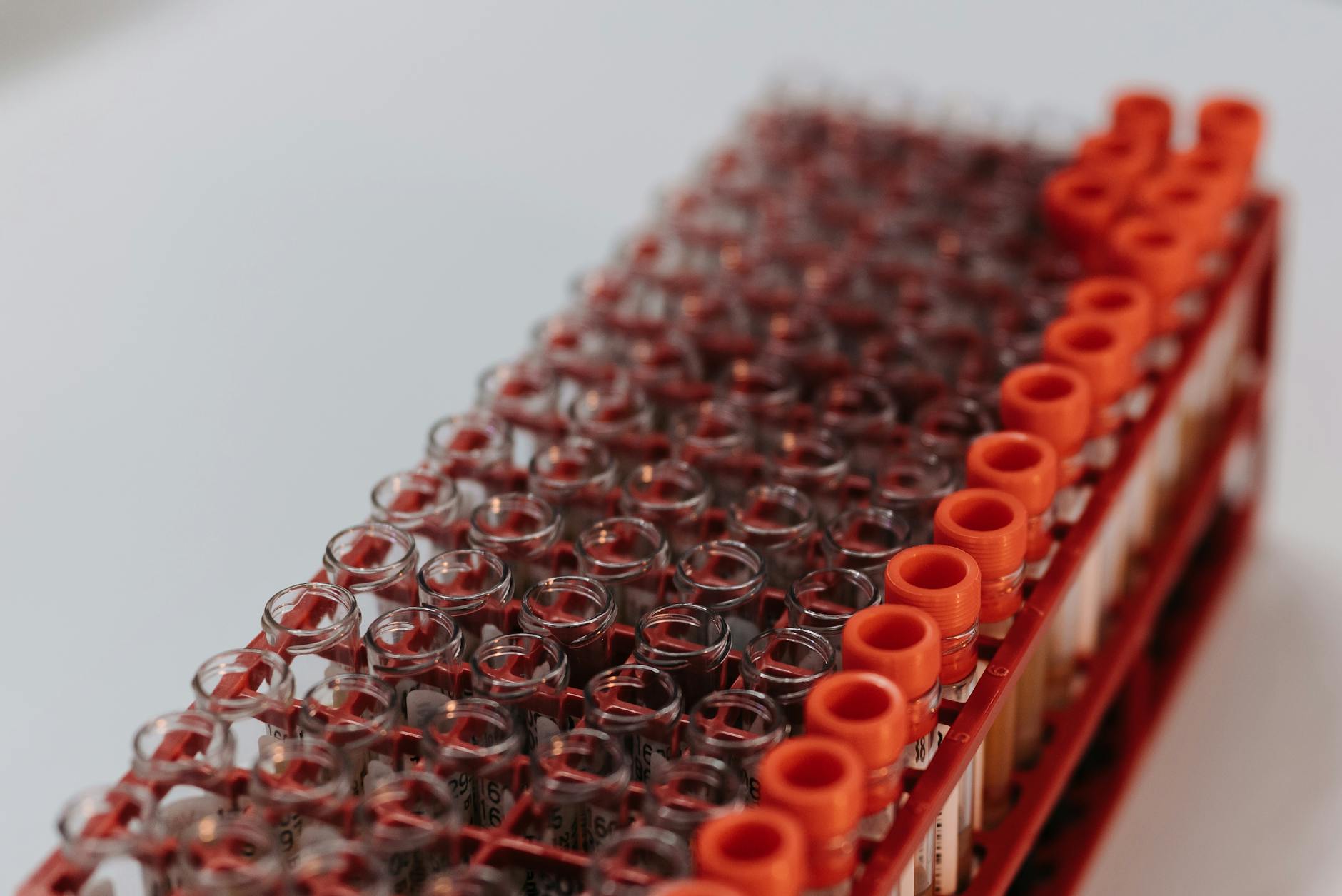
Bilirubin levels can vary based on age and certain health conditions, but there is no evidence to suggest that coat color or specific breed of domestic ferrets (Mustela putorius furo) affects these values. Coat color does not predispose to any documented blood-parameter abnormality in ferrets. Clinical patterns are species-level and most often relate to age; for example, insulinoma and adrenal disease are typical in ferrets over three years old.
Normal bilirubin levels in ferrets range from 0-1 mg/dL. Elevated levels above the reference interval may indicate liver dysfunction or hemolytic anemia. Bilirubin is a breakdown product of red blood cells, and its concentration can rise due to increased destruction of these cells (hemolysis) or impaired liver function that fails to process bilirubin efficiently.
- Hemolytic Anemia: This condition occurs when the body destroys red blood cells faster than it can replace them. In ferrets, this could be due to immune-mediated hemolytic anemia (IMHA), where the immune system mistakenly attacks and destroys its own red blood cells.
- Liver Dysfunction: Liver diseases such as hepatic lipidosis or cholangiohepatitis syndrome can lead to elevated bilirubin levels. These conditions affect the liver’s ability to process and excrete bilirubin, leading to higher concentrations in the bloodstream.
Age-related changes are more significant than breed differences when considering bilirubin levels. Younger ferrets typically have stable bilirubin levels within the normal range, while older ferrets may experience fluctuations due to age-related health issues such as insulinoma or adrenal disease. These conditions can indirectly affect liver function and red blood cell turnover.
When evaluating a ferret with elevated bilirubin levels, it is crucial to consider both hemolytic anemia and liver dysfunction as potential causes. A complete blood count (CBC) should be performed to assess for signs of regenerative anemia, such as increased reticulocytes or polychromasia. If the CBC shows evidence of hemolysis, further diagnostic tests like a Coombs test may be necessary to confirm immune-mediated destruction.
In cases where liver enzymes (ALT: 54-289 U/L; AST: 28-248 U/L) are elevated alongside high bilirubin levels, hepatic disease is more likely. Conversely, if the CBC indicates significant hemolysis without notable changes in liver enzyme activity, a diagnosis of hemolytic anemia becomes more probable.
Frequently Asked Questions
What are the common causes of elevated bilirubin in ferrets?
Elevated bilirubin levels (greater than the reference interval) in ferrets can indicate liver dysfunction or hemolytic anemia. It is crucial to differentiate between these two conditions as they require different diagnostic approaches and treatments.
How do I know if elevated bilirubin is due to liver issues?
To determine if elevated bilirubin (greater than the reference interval) in ferrets is caused by liver disease, your veterinarian will likely assess liver enzymes such as ALT and AST. Elevated levels of these enzymes (ALT outside the reference interval, AST outside the reference interval) suggest liver pathology.
What should I do if my ferret’s bilirubin level is critically high?
If your ferret’s bilirubin level exceeds the reference interval, it indicates a critical condition that requires immediate veterinary attention. Current clinical consensus suggests initiating supportive care and further diagnostic testing to identify the underlying cause.
Can diet influence bilirubin levels in ferrets?
Diet can indirectly affect liver function and thus bilirubin levels in ferrets. A balanced, high-quality diet that supports liver health is recommended. Avoiding excessive fat intake may help maintain normal bilirubin levels.
What medications might be prescribed for elevated bilirubin?
In cases of liver disease causing elevated bilirubin (greater than the reference interval), medications such as ursodeoxycholic acid or silymarin may be considered to support liver function in ferrets.
How often should I recheck my ferret’s bloodwork after initial diagnosis?
After an initial diagnosis of elevated bilirubin (greater than the reference interval), it is advisable to schedule follow-up blood tests every 4-6 weeks to monitor the effectiveness of treatment and liver function.
What are emergency signs I should watch for in my ferret?
Emergency signs indicating severe liver dysfunction or hemolytic anemia include lethargy, jaundice (yellowing of the skin), dark urine, pale gums, and vomiting. Immediate veterinary care is necessary if these symptoms occur.
Does bilirubin elevation correlate with specific ferret diseases?
Elevated bilirubin levels in ferrets can be associated with conditions such as insulinoma or adrenal disease, which are common in this species. These endocrine disorders often lead to liver enzyme abnormalities.
How does age affect the likelihood of elevated bilirubin?
Elderly ferrets (over 4 years) have a higher risk of developing conditions like insulinoma or adrenal disease, which can cause elevated bilirubin levels. Regular senior health screenings are recommended to monitor liver function.
Can I monitor my ferret’s condition at home?
While it is important to observe your ferret for signs such as lethargy and jaundice, monitoring blood parameters like bilirubin (greater than the reference interval) requires laboratory testing. Regular veterinary check-ups are essential for accurate assessment.
Sources & Further Reading
This article draws on the following authoritative veterinary references. For your pet’s individual case, consult a licensed veterinarian.
- Merck Veterinary Manual — comprehensive clinical reference for veterinary practice
- WSAVA Global Guidelines — World Small Animal Veterinary Association
- Veterinary Clinical Pathology — clinical pathology research and case studies